
Why Were Cigarettes Advertised as a Weight Loss Aid in the 1950s?
The Shocking Story of “Reach for a Lucky Instead of a Sweet” and How Big Tobacco Targeted Women’s Insecurities
📢💄 Imagine opening a magazine in 1955 and seeing a glamorous woman blowing a kiss with the caption: “To keep a slender figure — no one can deny — Reach for a Lucky instead of a sweet.” This wasn’t an ad for a diet pill. It was a cigarette advertisement. For decades, tobacco companies — most famously Lucky Strike — marketed cigarettes as appetite suppressants and weight loss aids. They told women that smoking was the “modern” way to stay thin, replacing candy and desserts with tobacco. This article explores the history, psychology, and consequences of one of the most deceptive advertising campaigns of the 20th century: the co-opting of female body image anxiety to sell cigarettes.
Lucky Strike’s market share increased by over 200% during the “Reach for a Lucky” campaign.
It became the best-selling cigarette brand in America until the 1950s.
🧠 The Mastermind: Edward Bernays and George Washington Hill
In 1928, George Washington Hill, President of the American Tobacco Company (maker of Lucky Strike cigarettes), had a problem. He needed to sell more cigarettes to women. At the time, smoking was still somewhat taboo for “respectable” women — but Hill saw an opportunity. He hired Edward Bernays, the “father of public relations” and nephew of Sigmund Freud, to change public perception [citation:5].
- 📈 The insight: Bernays understood that slimness had become a cultural obsession for women. Bobbed hair, short skirts, and the “flapper” ideal of the 1920s had made thinness a symbol of modernity, sophistication, and self-control.
- 🎯 The strategy: Instead of selling cigarettes as “pleasure,” Bernays sold them as discipline. Smoking was framed as a virtuous alternative to eating — a way to control appetite and maintain a desirable figure.
- 📦 Tactics: Bernays placed dieting manuals inside Lucky Strike packages. He coordinated with fashion designers to promote thinness as chic. He even staged公关 events where debutantes smoked “torches of freedom” on Fifth Avenue [citation:5].
- 💰 The result: Lucky Strike’s market share skyrocketed by over 200%, becoming the #1 cigarette brand in America [citation:5]. The campaign ran for decades, well into the 1950s.
🍬 The Iconic Slogan: “Reach for a Lucky Instead of a Sweet”
The most famous slogan of the campaign was deceptively simple: “Reach for a Lucky instead of a sweet.” It appeared in magazines, newspapers, and on billboards across North America. The message was clear: when you crave sugar or feel tempted by dessert, smoke a Lucky Strike cigarette instead. It promised weight control without hunger [citation:1][citation:5].
- 📰 Ad imagery: Ads featured stylish, thin, fashionable women — often in elegant settings like horse riding, dancing, or at cocktail parties. The implied message: these women are thin because they smoke Luckies instead of eating [citation:10].
- 🧪 The false science: While nicotine does have a mild appetite-suppressant effect, the campaign wildly exaggerated this benefit. Cigarettes were presented as a “modern diet” — a weight loss tool rather than a deadly addiction [citation:5].
- 🍰 War with the candy industry: The campaign was so effective that candy manufacturers protested. They argued that Lucky Strike was unfairly suggesting that sweets caused weight gain while cigarettes did not. The Federal Trade Commission (FTC) eventually intervened [citation:1][citation:5].
- 🔄 Evolution of messaging: After FTC pressure, the campaign shifted wording slightly. Instead of directly promising weight loss, ads warned against “overindulgence” and the “Future Shadow” — the specter of weight gain if one gave in to sweets. Smoking was framed as “moderation” [citation:5].
📖 Sample ad copy (circa 1930s-1950s): “Thousands of women are keeping a slender figure this modern way — Reach for a Lucky instead of a sweet. Luckies are toasted — they never irritate your throat. When tempted to over-indulge, reach for a Lucky. The modern diet.”
💄 Psychological Manipulation: How Ads Exploited Body Anxiety
The Lucky Strike campaign was groundbreaking in its use of psychological manipulation. Bernays understood that women were driven by emotions, particularly anxiety about their bodies, and he exploited that ruthlessly [citation:5].
- 🎭 Fear-based marketing: Ads warned women of the “Future Shadow” — a silhouette of a heavier woman that represented what they might become if they “overindulged” in sweets. Smoking was presented as the shield against this fate [citation:5][citation:10].
- 📸 Objectification: The ads sexualized and objectified women’s bodies, reinforcing the idea that a woman’s primary value lay in her appearance. “Pretty curves win” read one ad, featuring a thin woman on a horse [citation:10].
- 💍 Social pressure: Many ads implied that thinness was essential for attracting and keeping a husband. Smoking was presented as a tool for marital success, not just personal health.
- 📉 Lasting harm: Feminist scholars have noted that these campaigns contributed to body dissatisfaction, eating disorders, and the normalization of smoking among women — with deadly consequences [citation:5].
🏥 The Broader Context: When Cigarettes Were “Healthy”
The weight loss campaign did not exist in isolation. Throughout the 1940s and 1950s, cigarette advertising was filled with fraudulent health claims. Before the scientific consensus on smoking and cancer emerged, tobacco companies made astonishing assertions about their products [citation:1][citation:6].
- 👨⚕️ Doctor endorsements: Camel’s “More doctors smoke Camels” campaign (1946-1954) claimed that a survey of 113,597 doctors found Camels were the preferred cigarette. The “survey” was a sham — doctors were given free samples [citation:1].
- 🦷 Dentist testimonials: Viceroy claimed that “38,381 Dentists Say — Smoke Viceroys” and that their filtered brand could “never stain your teeth” [citation:6].
- 🫁 “Throat protection”: Lucky Strike itself claimed that its “toasting” process made cigarettes less irritating to the throat. Player’s promised “Your throat protection” [citation:1].
- ⚖️ No regulation: Before the 1960s, there were virtually no restrictions on health claims in tobacco advertising. The 1964 Surgeon General’s report began to change this, but the damage was already done [citation:2].
📅 Key Turning Point: 1964 — U.S. Surgeon General Luther Terry issued the landmark report linking smoking to lung cancer and heart disease. But by then, generations of women had already been hooked by the “weight loss” myth [citation:2].
⚖️ The Ironic Truth: Does Smoking Actually Affect Weight?
Here is the cruel irony: nicotine is indeed an appetite suppressant and metabolic stimulant. Smokers do tend to weigh slightly less, on average, than non-smokers. And weight gain is a common — and feared — side effect of quitting [citation:5].
- 📉 The mechanism: Nicotine activates the sympathetic nervous system, reducing hunger signals and increasing resting metabolic rate by about 5-10%. This is a real, measurable effect.
- 😔 The tragedy: Because of this biological reality, the advertising claim had a grain of truth — which made it even more effective. Many women started smoking specifically for weight control, and many continue smoking because they fear gaining weight if they quit.
- 📊 The trade-off: The weight difference is modest — typically 4-5 kg on average. But this modest effect comes at the cost of dramatically increased risks of lung cancer, COPD, heart disease, and stroke. A terrible bargain.
- 🔄 Quitting and weight: Weight gain after quitting is real, but it can be managed through diet and exercise. The health benefits of quitting far outweigh the risks of modest weight gain.
⚖️ The FTC vs. Lucky Strike: Regulating Deception
The candy industry was furious about the “Reach for a Lucky” campaign. They complained to the Federal Trade Commission (FTC), arguing that Lucky Strike was making false and misleading claims to steal their customers. In the 1930s, the FTC ordered American Tobacco to take three actions [citation:5]:
- 1. Cease using endorsers who had not actually used the product. Many celebrity testimonials were fabricated.
- 2. Indicate when testimonials had been paid for. Most endorsements were paid advertisements, not genuine opinions.
- 3. Stop claiming that smoking cigarettes could control people’s weight. This was the key restriction — the FTC explicitly banned weight-loss claims for cigarettes.
However, the damage was already done. The campaign had run for years and had fundamentally changed the way women viewed smoking. Even after the FTC ruling, Lucky Strike subtly continued to imply weight benefits through imagery and “moderation” messaging [citation:5]. The weight-loss association persisted in popular culture for decades.
📊 Then vs. Now: How Tobacco Advertising Has Changed
| Aspect | 1950s | Today (2026) |
|---|---|---|
| Weight loss claims | Openly advertised (e.g., “Reach for a Lucky instead of a sweet”) | Illegal — Health Canada prohibits any health or weight claims |
| Target audience | Women specifically targeted through body image anxiety | No targeting — all advertising is banned |
| Doctor/dentist endorsements | Common (“More doctors smoke Camels”) | Illegal — false and misleading |
| Regulation | Minimal — FTC acted slowly and weakly | Comprehensive — Tobacco Act (1997) and plain packaging |
| Health warnings | None | Graphic warnings covering 75% of the package |
😔 The Legacy: Fear of Weight Gain Still Keeps Women Smoking
Decades after the “Reach for a Lucky” campaign ended, its legacy persists. Fear of weight gain is consistently cited as a primary reason why women smoke and why they are reluctant to quit. Studies show that female smokers are significantly more likely than male smokers to report concern about post-cessation weight gain [citation:5].
- 📊 Statistics: Approximately 30-40% of female smokers report that weight control is a reason they continue to smoke.
- 😔 The trap: Women who started smoking as teenagers for weight control find themselves decades later with emphysema or lung cancer — but still afraid to quit.
- 🔄 What works: Modern cessation programs for women include weight management counseling, helping quitters separate the fear of weight gain from the reality of health improvement.
- 💪 The truth: Any weight gain after quitting can be managed. Lung cancer cannot.
📦 Native Cigarettes: The Modern Alternative
Today, cigarette advertising is completely banned in Canada — including any weight-loss claims. But smokers still have choices. Native cigarettes (Playfare, Canadian, DuMont, etc.) are a popular, affordable alternative to commercial brands. They are not “healthier” — they contain the same nicotine, tar, and carcinogens. But they cost significantly less: a native carton is $35-50, compared to $180-220 for a commercial carton.
- 💰 Price sensitivity: Many women smokers switch to native cigarettes because they are more affordable — not because of any false health claims.
- 🚭 No marketing deception: Cigstore.ca does not make weight-loss claims. We sell a legal product to adults 19+ with full health warnings.
- 📉 Quitting resources: If you want to quit, free support is available: Smokers’ Helpline (1-877-513-5333). If you continue to smoke, native cigarettes are the most economical choice.
🔥 Top 5 Popular Native Cigarette Brands




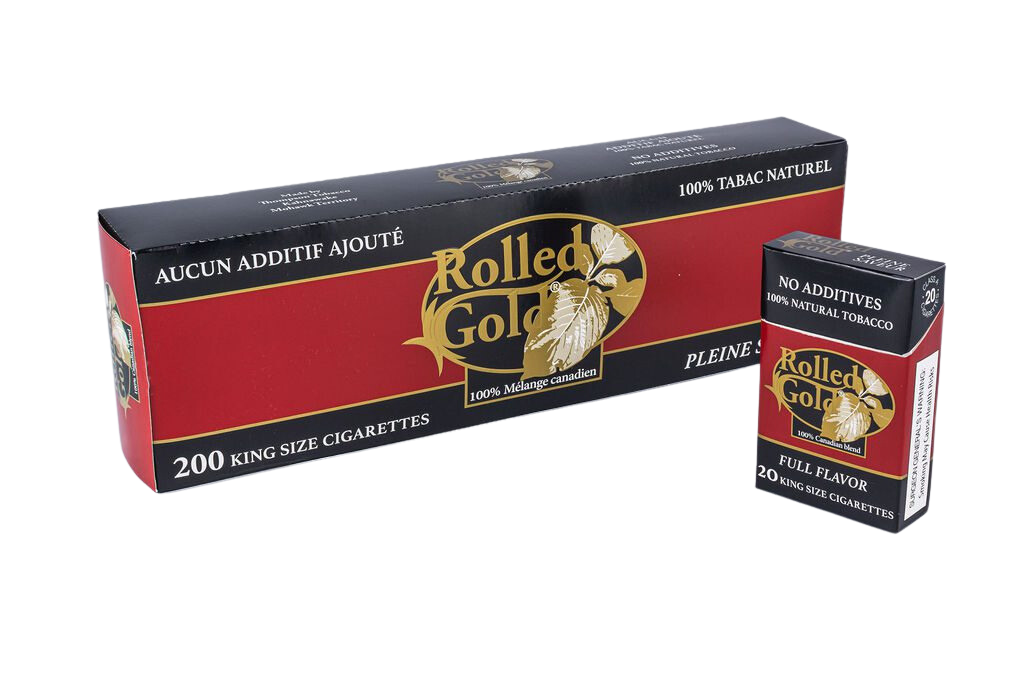
⭐ Excluded: BB light Manitoba, BB full Manitoba, Chanel Blueberry, Chanel ice. See all 29+ native brands at Cigstore.ca.
🚚 Delivery Across Canada – $29 Flat Rate
We ship to every province and territory using Canada Post, Purolator, FedEx, and UPS. Orders over $290 qualify for FREE shipping. Age verification (19+) required upon delivery. Unlike the tobacco companies of the 1950s, we do not make false health claims. We sell a legal product to adults who have already made their own informed choices.
📦 Same-day dispatch for orders before 2 PM EST. Tracking provided within 24 hours.
📚 You Might Also Enjoy These Articles
History of Smoking in Canada
From 1950s magazine ads to plain packaging today.
5 Iconic Ads Banned Today
Campaigns that would never survive modern laws.
Most Famous Canadian Cigarette Slogans
From “More doctors smoke Camels” to plain packaging.
Most Controversial Cigarette Campaigns
Joe Camel, light cigarettes, and more.
When Did Health Warnings First Appear?
The Canadian timeline from 1972 to today.