
Smoking and Climate Change
The Carbon Footprint of the Tobacco Industry — 92 Million Tonnes of CO₂ and Counting
🌍🚬 When you think of smoking, you probably think of health risks — lung cancer, heart disease, emphysema. But there’s another victim: the planet itself. The global tobacco industry produces over 92 million tonnes of CO₂ equivalent annually, accounting for approximately 0.26% of total anthropogenic carbon emissions [citation:2][citation:9]. That’s comparable to the annual emissions of entire countries like Israel or Peru. And that’s just the carbon. Add in deforestation, plastic waste (trillions of cigarette butts), and the toxic chemicals that leach into soil and water, and the environmental cost of every cigarette becomes staggering. This article explores the carbon footprint of tobacco — from cultivation to disposal — and what it means for a warming planet.
📊 The Numbers: Tobacco’s Carbon Footprint
• Total CO₂ equivalent: >92 million tonnes [citation:2][citation:9]
• Fine particulate matter formation: 74% of environmental impact [citation:2]
• Tobacco cultivation contributes 57.73% of total environmental load [citation:2]
• Comparable to the emissions of Israel or Peru [citation:2]
A 2026 study published in Resources, Conservation and Recycling provides the first comprehensive cradle-to-grave life cycle assessment of the cigarette industry [citation:2]. The findings are sobering:
- 🌫️ Fine particulate matter formation is the primary environmental impact category, accounting for 74.10% of the total impact [citation:2].
- 🌡️ Global warming contributes 21.54% of the total impact [citation:2].
- 📉 Human health damage: The environmental impact of cigarette production translates into 3.61 × 10⁵ DALYs (disability-adjusted life years) — a global average loss of 23.74 minutes of healthy life per capita [citation:2][citation:9].
- 🌾 Tobacco cultivation is the largest contributor, responsible for 57.73% of the total environmental load [citation:2].
📖 From the study: “Carbon emissions from global tobacco cultivation to manufacturing exceed 92 Mt annually. The environmental burden and health risks disproportionately affect less developed countries, where 90% of tobacco leaf production is concentrated.” [citation:2]
🌾 The Agricultural Footprint: Fertilizers, Films, and Fuel
• Fertilizer application: 46.17% of upstream impacts [citation:5]
• Agricultural film input: 66% of emissions in some studies [citation:1][citation:8]
• Tobacco curing (wood-fired): major contributor to human carcinogenic toxicity [citation:5]
The environmental impact of a cigarette begins long before it reaches a smoker’s lips. Tobacco cultivation is an industrial-scale agricultural operation with significant carbon emissions.
- 🧪 Fertilizer use: A cradle-to-grave LCA found that fertilizer application accounts for 46.17% of upstream environmental impacts [citation:5]. Nitrogen-based fertilizers release nitrous oxide (N₂O) — a greenhouse gas 298 times more potent than CO₂.
- 🎥 Agricultural film: In some studies, agricultural film input accounts for as much as 66% of total emissions from tobacco cultivation [citation:1][citation:8]. This plastic mulch is used to control weeds and retain moisture — but it’s petroleum-based and contributes to both carbon emissions and plastic pollution.
- 🔥 Tobacco curing: The process of drying tobacco leaves is energy-intensive. Wood-fired curing furnaces are a major source of both CO₂ and carcinogenic emissions [citation:5].
- 📊 The carbon footprint per hectare: One study of Chinese tobacco production found an average carbon footprint of 21.57 tonnes of CO₂ equivalent per hectare, with a slowly increasing trend [citation:1][citation:8].
📖 From a 2025 LCA study: “Fertilizer application and agricultural film input are the primary sources of greenhouse gas emissions in tobacco production, accounting for 26.63% and 24.54% of total emissions respectively.” [citation:6]
🏭 Manufacturing and Packaging: The Industrial Footprint
• 6 trillion cigarettes produced globally each year [citation:2]
• Manufacturing contributes significantly to fine particulate matter formation [citation:2]
• Packaging materials (plastics, paper) add to carbon footprint [citation:2]
Global cigarette production exceeds 6 trillion units annually [citation:2]. The manufacturing process is energy-intensive, requiring electricity, heat, and raw materials — all with carbon consequences.
- ⚡ Energy intensity: Cigarette manufacturing consumes significant electricity and thermal energy, contributing to fine particulate matter formation and global warming [citation:2].
- 📦 Packaging: The production of cardboard boxes, paper, and plastic wrapping for cigarette packs adds to the carbon footprint. Optimizing packaging materials has been identified as a key area for emission reduction [citation:2].
- 📊 The emission factor: According to industry data, tobacco manufacturing produces approximately 0.043 kg CO₂e per USD of output [citation:3].
🧴 Cigarette Butts: A Plastic Pandemic
• >4.5 trillion cigarette butts discarded globally [citation:4][citation:10]
• One butt can contaminate 1,000 litres of water [citation:4]
• Cellulose acetate filters take up to 14 years to decompose [citation:7]
• In nitrogen-rich soil, butts can lose 84% of mass over 10 years [citation:7]
Cigarette filters are made of cellulose acetate — a plastic that does not biodegrade easily. They are the most littered item on Earth.
- 🧪 Chemical toxicity: Cigarette butts contain over 7,000 harmful compounds, including heavy metals, polycyclic aromatic hydrocarbons (PAHs), nicotine, and microplastics [citation:4][citation:10].
- 💧 Water contamination: One cigarette butt can contaminate up to 1,000 litres of water [citation:4]. Nicotine and other chemicals leach into aquatic environments, harming fish and other organisms [citation:10].
- ⏳ Decomposition timeline: A 10-year decomposition study found that cigarette butts in nitrogen-rich soil can lose up to 84% of their mass — but in nitrogen-poor environments like beaches and pavements, they remain structurally intact for years [citation:7].
- ⚠️ Delayed toxicity: Ecotoxicity assessments revealed an initial toxicity peak immediately after smoking, followed by a second peak during the mid-decomposition stage — meaning aged cigarette butts are still releasing toxins [citation:7].
- 🌍 Policy response: The WHO has recognized cigarette butts as a significant source of plastic and hazardous waste, prompting consideration of regulatory measures, including restrictions on plastic filters [citation:4].
📖 From the WHO Framework Convention on Tobacco Control: “Background documents for COP11 highlight trillions of discarded cigarette butts and the rapid rise of disposable e-cigarettes as significant sources of plastic and hazardous waste.” [citation:4]
🌍 A Tale of Two Worlds: Environmental Justice
• 90% of tobacco leaf production is in less developed countries [citation:2]
• Developed nations like Canada, the UK, and Denmark import tobacco — exporting the environmental burden [citation:2]
• Malawi, Zimbabwe, and Mozambique are top producers but consume <1-3% of their output [citation:2]
The tobacco industry’s carbon footprint is not evenly distributed. The environmental burden of tobacco cultivation falls disproportionately on developing countries.
- 📊 Production vs. consumption: Malawi, Zimbabwe, and Mozambique rank among the top ten global tobacco producers but consume only 0.86%, 1.05%, and 3.08% of their output respectively [citation:2].
- 🌾 Exporting the burden: Developed countries like Canada, the United Kingdom, and Denmark have few or no domestic tobacco cultivation or cigarette manufacturing. They import tobacco — effectively exporting the environmental burden to poorer nations [citation:2].
- 🚜 High input, low output: A study of Chinese tobacco provinces found that regions like Yunnan, Guizhou, and Jiangxi face “high input, low output and high emission” challenges — producing large carbon footprints for relatively low yields [citation:1][citation:8].
✅ Solutions: How to Reduce Tobacco’s Carbon Footprint
The same study that quantified tobacco’s carbon footprint also proposed solutions [citation:2][citation:5]:
- 🌱 Clean energy for curing: Transitioning from wood-fired curing to solar, biomass, or electric curing can dramatically reduce emissions.
- 🧪 Reduce chemical inputs: Reducing fertilizer use, irrigation water, and agricultural film can lower the agricultural carbon footprint.
- ♻️ Reduce packaging: Cutting back on plastic packaging and cardboard waste reduces manufacturing emissions.
- ♻️ Recycle cigarette butts: Recycling cellulose acetate filters into fired clay bricks and ceramic tiles has been shown to deliver “the greatest reductions in life cycle impacts” [citation:5].
- 🔄 Biodegradable filters: Replacing cellulose acetate filters with ≥90% flax, jute, or hemp-based biodegradable alternatives could achieve a 31-62% reduction in midpoint environmental impacts [citation:5].
- 📜 Policy action: The WHO has called for stronger enforcement of FCTC Article 18 (environmental protection) and restrictions on plastic filters [citation:4].
- 🚭 The most effective solution: As the study authors conclude, “Increasing public awareness and controlling cigarette consumption remain the most effective solutions to this global issue” [citation:2][citation:9].
📦 Native Cigarettes: The Same Carbon Footprint
Native cigarettes (Playfare, Canadian, DuMont, Nexus, Rolled Gold) cost $29-50 per carton — compared to $140-180 for commercial brands — a savings of 70-80%. However, they have the same environmental impact as commercial cigarettes. The tobacco is cultivated, cured, and manufactured using similar processes. The filters are still cellulose acetate plastic. The carbon footprint per cigarette is unchanged.
- 💰 Cost savings: A pack-a-day smoker saves $5,000-7,000 per year by switching to native cigarettes.
- 🌍 Same environmental impact: The carbon footprint of a native cigarette is identical to a commercial one.
- 📦 Online delivery: Cigstore.ca ships to every province and territory with $29 flat shipping (free over $290).
- ♻️ Recycle your butts: No matter what brand you smoke, collect your cigarette butts and send them to TerraCycle for recycling.
🇨🇦 Resources for Smokers
- 📞 Smokers’ Helpline (1-877-513-5333): Free, confidential coaching.
- 💊 Nicotine replacement therapy (NRT): Patches, gum, lozenges — safe and effective.
- 📱 QuitNow (quitnow.ca): Free app with tracking and community support.
- ♻️ TerraCycle UNSMOKE Program: Free cigarette butt recycling at terracycle.ca.
- 🩺 Your doctor: Medications like varenicline (Champix/Chantix) and bupropion (Zyban/Wellbutrin) can help.
🔥 Top 5 Native Cigarettes for Canadian Smokers
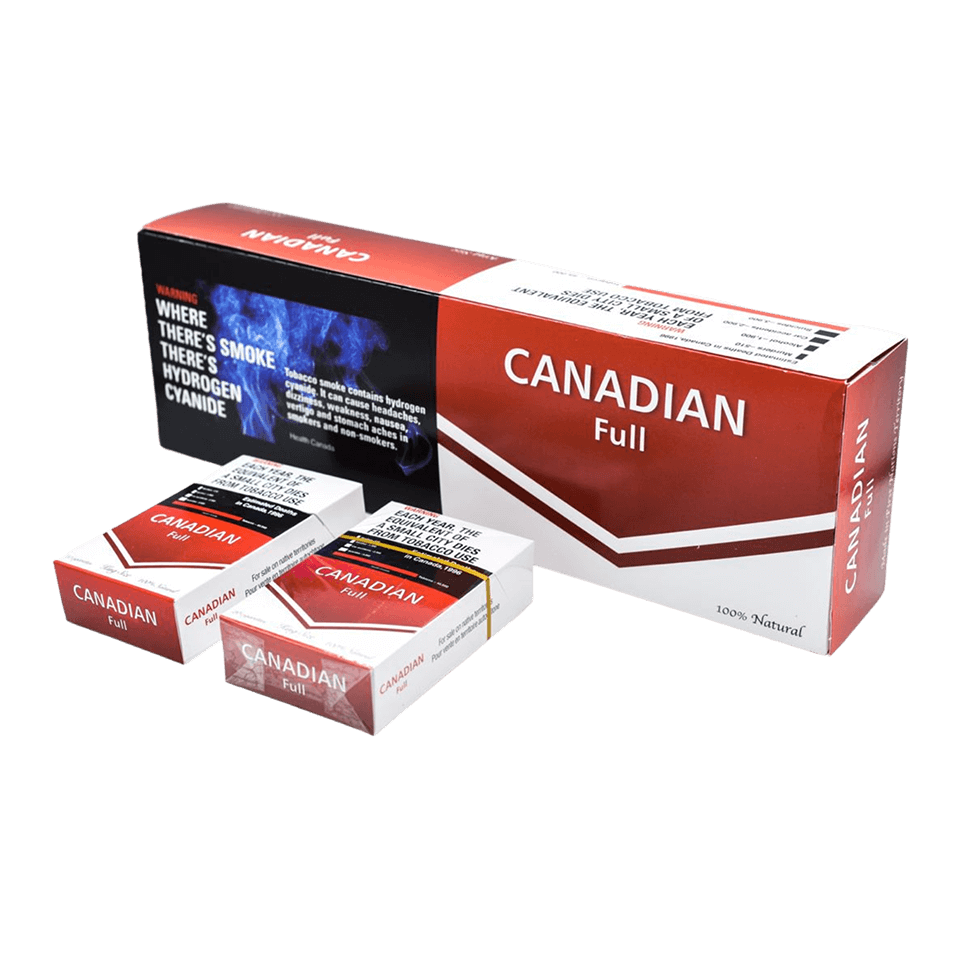
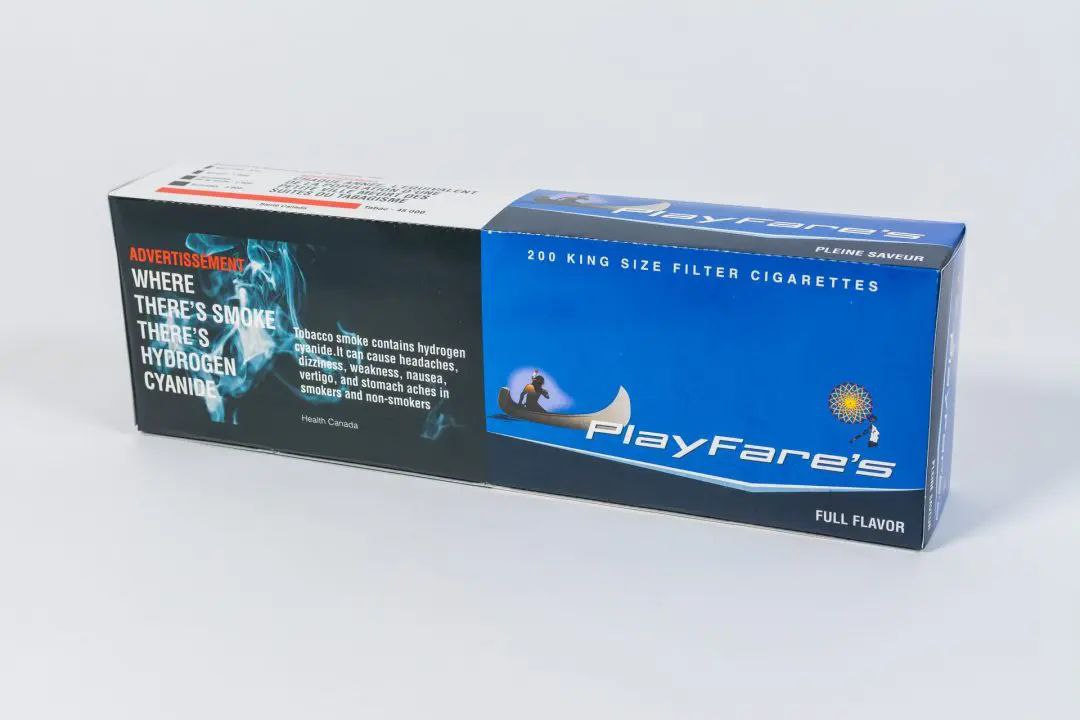
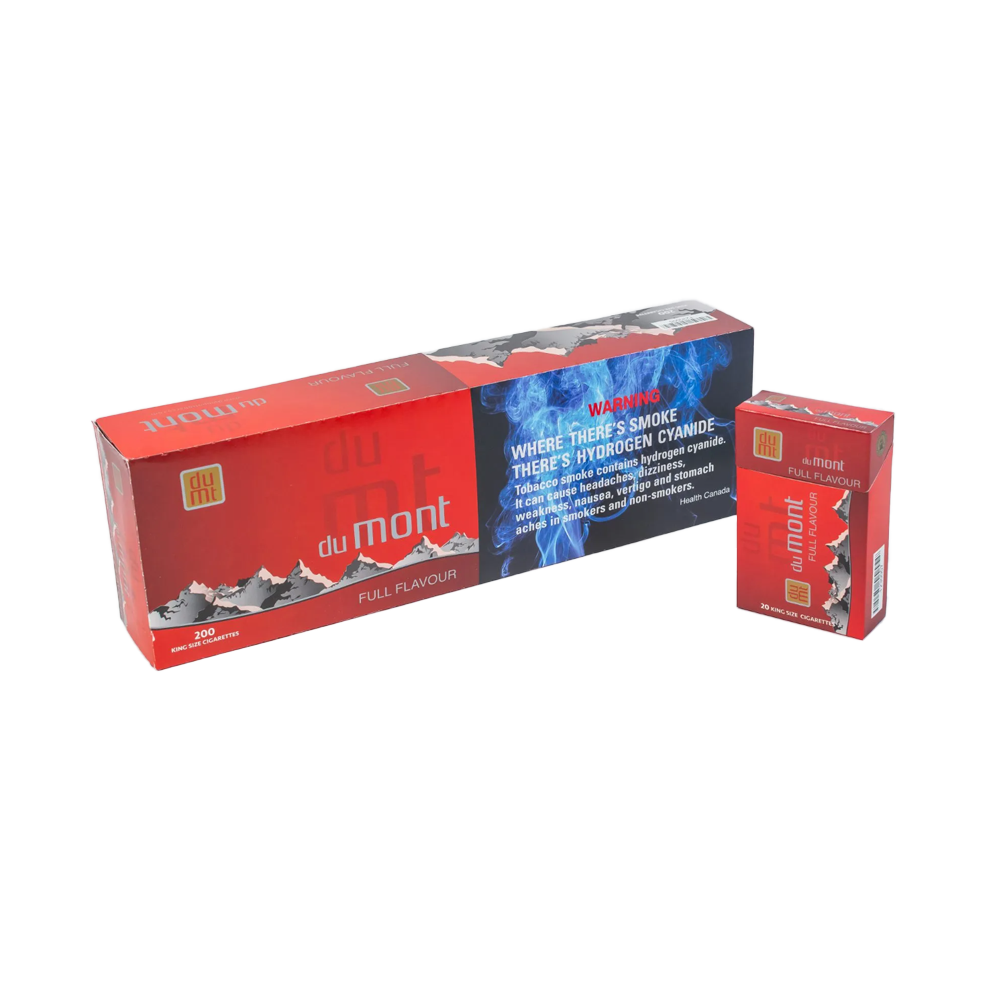
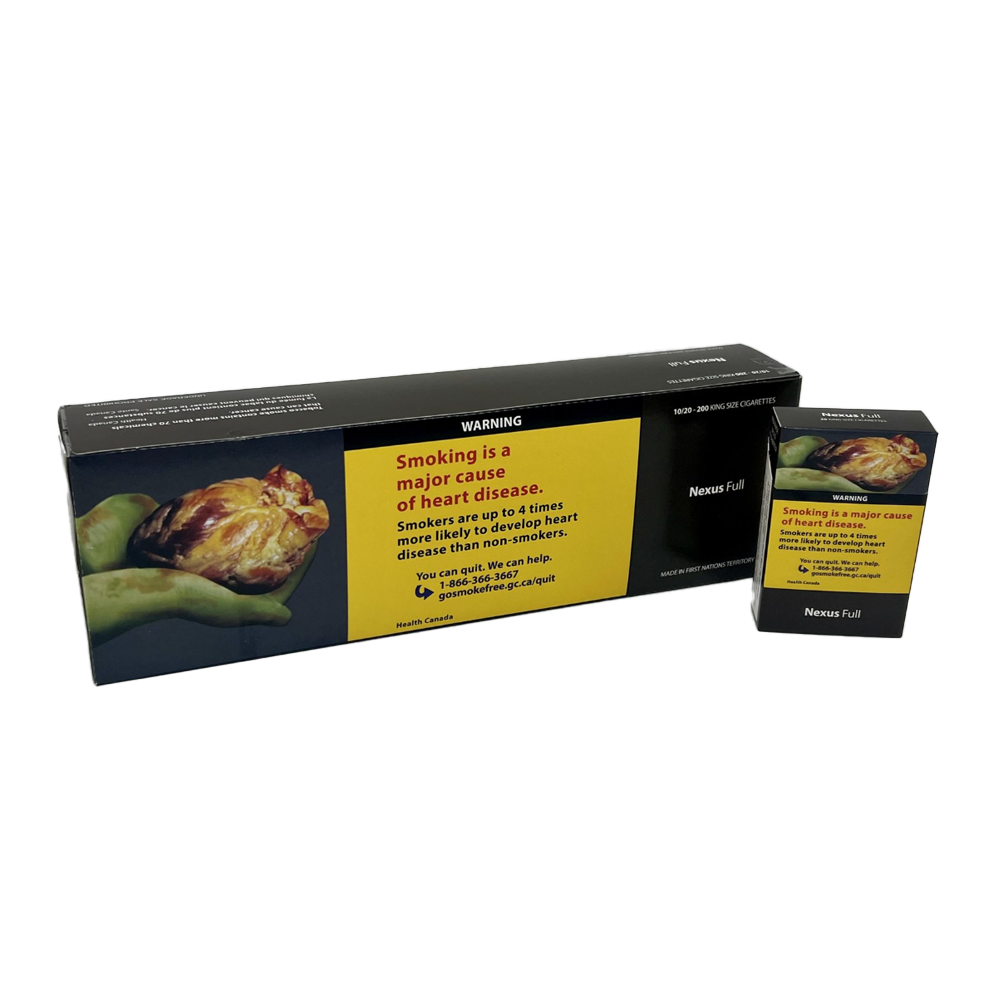
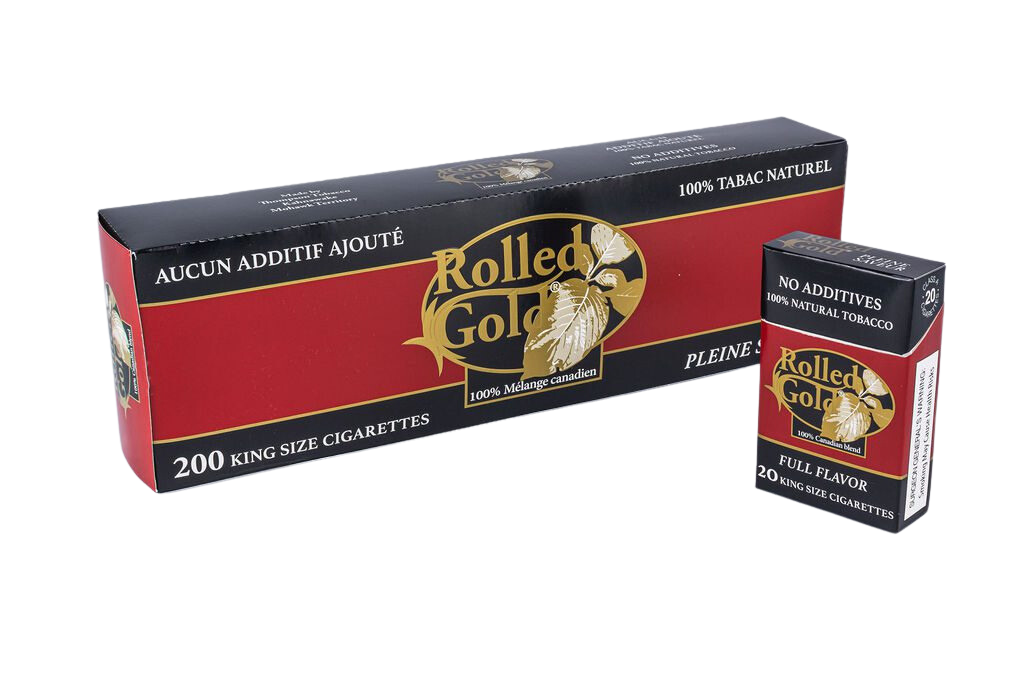
⭐ Excluded: BB light Manitoba, BB full Manitoba, Chanel Blueberry, Chanel ice. See all 29+ native brands at Cigstore.ca.
🚚 Delivery Across Canada – $29 Flat Rate
We ship to every province and territory using Canada Post, Purolator, FedEx, and UPS. Orders over $290 qualify for FREE shipping. Age verification (19+) required upon delivery.
📦 Same-day dispatch for orders before 2 PM EST. Tracking provided within 24 hours.
📚 You Might Also Enjoy These Articles
How Long Does It Take for a Cigarette Butt to Decompose?
Experiments and data on plastic persistence.
How Companies Recycle Cigarette Filters
From toxic waste to plastic pallets and water filters.
Why Cigarettes Are Expensive
Complete federal & provincial tax breakdown.
Is It Legal to Buy Native Cigarettes Online?
Lawyer-reviewed legal guide.
The Thirdhand Smoke Nightmare
How nicotine residue lingers in carpets and curtains.