
Smoking and Architecture
How ‘Smoking Rooms’ Were Designed in Offices and Airports in the 1980s
🏢🚬 In the 1980s, the question was not “where can you smoke?” but rather “where can you NOT smoke?” Office hallways, conference rooms, and even airport terminals were filled with smoke. Ashtrays were as standard as telephones. This article explores the forgotten architecture of smoking: how offices and airports in the 1980s were designed to accommodate — and eventually contain — the ubiquitous cigarette.
🚬 The Status Quo: Smoking Everywhere (Pre-1980s)
“In the 80s and right up until the late 90s, people smoked wherever they wanted, except in fire-hazard areas” [citation:2].
Ashtrays were on every desk. Smoking was permitted in meetings, at workstations, in hallways.
Before the 1980s, the concept of a “designated smoking area” was largely unnecessary. As one observer noted, “In the 80s and right up until the late 90s, people smoked wherever they wanted, except in fire-hazard areas” [citation:2].
- 🚬 Every desk had an ashtray: “Ashtrays (tabletop) were everywhere. At meetings, they smoked. At gatherings, they smoked. At workplaces, they smoked. I worked like that — a cigarette smoking, a soldering iron smoking, and steam from a hot mug of tea” [citation:2].
- 🚪 Exceptions: “There were exceptions when a boss couldn’t stand tobacco smoke — then people smoked on staircases or in corridors” [citation:2].
- 📐 No architectural planning needed: Because smoking was permitted everywhere, no special spaces were required. The entire building was a smoking area.
🏢 Office Smoking Rooms: The “Dungeons” of the 1980s
When restrictions began, smoking rooms were often pushed to the margins — basements, stairwells, or windowless rooms.
“A good smoking room was a spy’s find” [citation:2].
As anti-smoking sentiment began to grow in the late 1980s, offices started creating designated smoking areas. These were rarely pleasant spaces. They were often windowless basement rooms, stairwells, or converted storage closets.
- 🔒 The “dungeon” aesthetic: Smoking rooms were often placed in the least desirable parts of the building — basements, near boiler rooms, or in windowless interior spaces.
- 🧹 Minimal design: A few chairs, a table, an ashtray. No ventilation to speak of. The smoke simply accumulated.
- 🕵️ The spy connection: One observer noted that “a good smoking room was a find for a spy” — likely referring to the informal conversations that happened there [citation:2].
- 📉 The end of an era: “Separate smoking rooms began to appear only in the late 90s and in the ‘zero years,’ and in 2016 they banned smoking in all indoor spaces altogether” [citation:2].
📖 From a 1980s office worker: “The smoking room was a dungeon. No windows, terrible ventilation, and a cloud of smoke so thick you could barely see the person across the table.”
✈️ Airport Smoking Stations: A Design for Containment
In 1978, a patent was filed for a “Smoker’s Station” — a designated area designed to contain smoke .
These stations were often sponsored by tobacco companies and featured their advertising .
Airports were among the first public spaces to create designated smoking areas. The 1978 patent for a “Smoker’s Station” (US Patent D255050) shows a freestanding unit designed to contain cigarette smoke [citation:4]. These stations were often sponsored by tobacco companies [citation:5].
- 📐 The design: The “Smoker’s Station” was a self-contained unit with built-in ashtrays and, presumably, some attempt at ventilation [citation:4].
- 🚬 Tobacco company sponsorship: “The rooms in many cases are subsidized by tobacco companies and are equipped with advertising of their products. Cigarette manufacturers chose this path after their attempts to preserve opportunities for smoking in the general halls of airports proved unsuccessful” [citation:5].
- 💨 The containment strategy: These stations were an attempt to allow smoking while protecting non-smokers. They rarely worked perfectly.
📖 From Wikipedia: “Smoking rooms in public buildings are usually equipped with chairs and ashtrays, entry is usually free, but often prohibited for persons under 18. The rooms in many cases are subsidized by tobacco companies and are equipped with advertising of their products” [citation:5].
🧱 The Architecture of Containment: How Buildings Adapted
• Negative air pressure (to keep smoke from escaping)
• Dedicated exhaust systems
• Sealed doors and windows
• Durable, easy-to-clean surfaces (tile, metal)
As indoor smoking bans spread, architects had to design spaces that could contain smoke. The goal was to allow smoking without affecting non-smokers.
- 💨 Ventilation: True smoking rooms required dedicated exhaust systems that pulled air out of the room and vented it outside.
- 🚪 Sealed doors: The doors had to be sealed to prevent smoke from leaking into adjacent spaces.
- 🪟 No windows: Windows were often removed or sealed to prevent smoke from drifting outside.
- 🧹 Durable materials: Walls were often tiled or covered in metal sheeting — easy to clean, impossible to stain.
✈️ The Parallel Universe: Smoking on Airplanes
Until the 1980s, smoking was allowed on airplanes [citation:3].
The cabin was divided into smoking and non-smoking sections — but the divide was purely symbolic [citation:3].
The design challenges of containing smoke in aircraft were even more extreme. Until the 1980s, smoking was permitted on most flights [citation:3].
- 🎭 The “smoking section” illusion: “The cabin was divided into sections for smokers and non-smokers. But the division was conditional — the smoking section was not separated by anything, it was located in the last rows and was distinguished only by special signs on the seat backs. Thus, the rear of the plane was simply a giant cloud of smoke” [citation:3].
- 👩✈️ The cost to flight attendants: “Flight attendants suffered the most, breathing it while serving passengers in the smoking section” [citation:3].
- 🛬 The last holdouts: “After the ban on smoking on airplanes and until the early 2000s, only pilots could smoke in their cabins” [citation:3].
📖 The lingering legacy: Even today, airplanes are required to have ashtrays in lavatories — “a measure to protect against a fool who still wants to break the ban and light up” [citation:8].
🏛️ The Legacy: From Ubiquity to Extinction
Smoking is now banned in all enclosed public spaces in most of Canada.
Smoking rooms are virtually extinct, replaced by outdoor smoking areas.
The 1980s architecture of smoking — the desks with ashtrays, the basement “dungeons,” the airport smoking stations — has largely disappeared. Today, smoking is banned indoors in most Canadian workplaces and public spaces.
- 🚭 The ban: “Since 2016, smoking has been banned in all indoor spaces — residential and non-residential. You can only smoke on the street. Now we have outdoor smoking areas, shelters from rain, benches, a large ashtray in the center” [citation:2].
- 🔄 The architectural shift: Buildings no longer need smoking rooms. Instead, they need outdoor shelters for smokers.
- 📐 The evolution: From “smoke everywhere” to “smoke in designated rooms” to “smoke outside.”
📦 Native Cigarettes: An Affordable Option for Smokers
While the architecture of smoking has changed, many Canadians still smoke. Native cigarettes (Playfare, Canadian, DuMont, Nexus, Rolled Gold) cost $29-50 per carton — compared to $140-180 for commercial brands — a savings of 70-80%. However, they contain the same nicotine, tar, and carcinogens as commercial cigarettes.
- 💰 Cost savings: A pack-a-day smoker saves $5,000-7,000 per year by switching to native cigarettes.
- 🚫 Not “healthier”: Native cigarettes contain the same health risks as any other cigarette.
- 📦 Online delivery: Cigstore.ca ships to every province and territory with $29 flat shipping (free over $290).
- 🏢 Workplace note: Even with native cigarettes, indoor smoking is still banned in most workplaces. Smokers must step outside.
🇨🇦 Resources for Smokers
- 📞 Smokers’ Helpline (1-877-513-5333): Free, confidential coaching.
- 💊 Nicotine replacement therapy (NRT): Patches, gum, lozenges — safe and effective.
- 📱 QuitNow (quitnow.ca): Free app with tracking and community support.
- 🩺 Your doctor: Medications like varenicline (Champix/Chantix) and bupropion (Zyban/Wellbutrin) can help.
🔥 Top 5 Native Cigarettes for Canadian Smokers


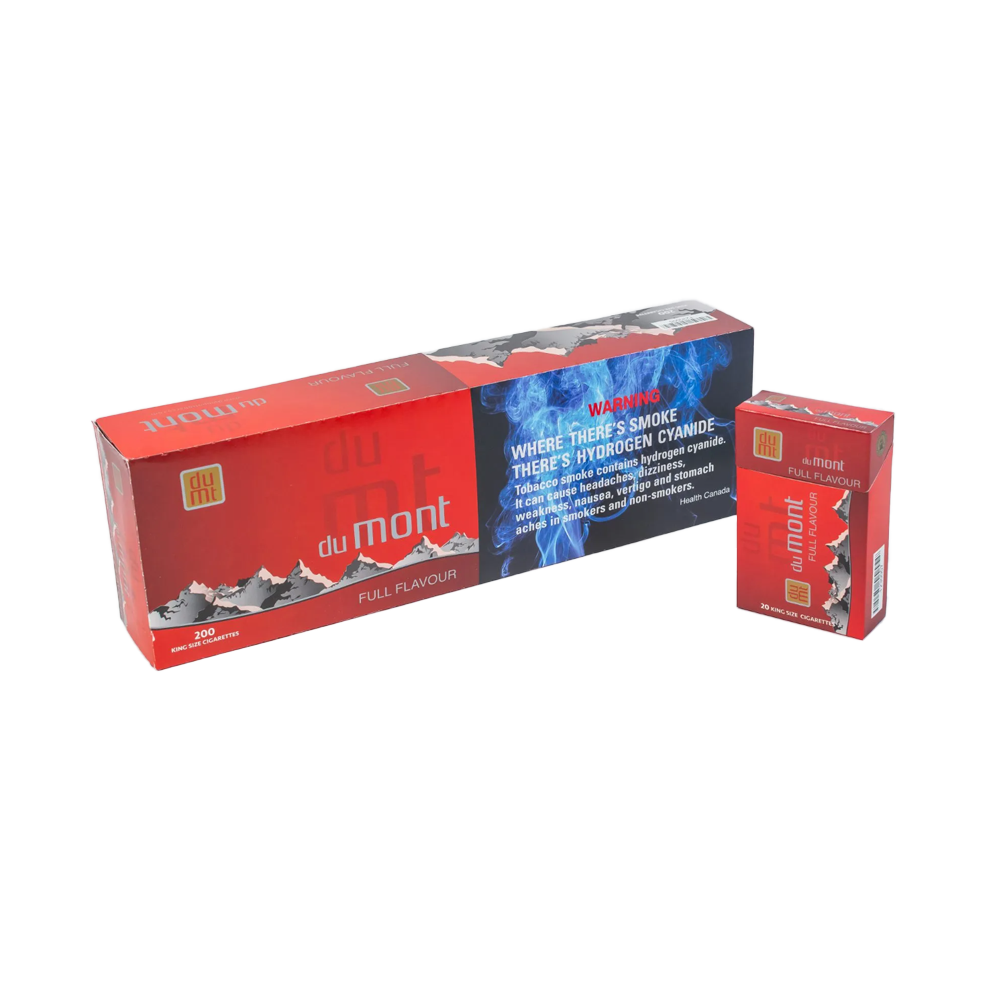

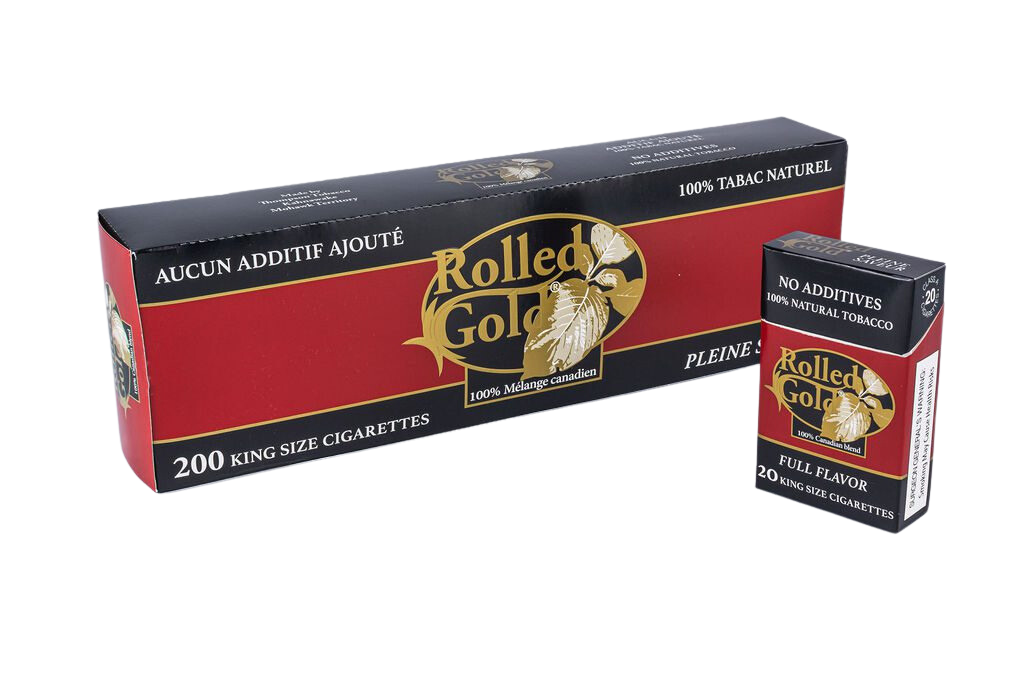
⭐ Excluded: BB light Manitoba, BB full Manitoba, Chanel Blueberry, Chanel ice. See all 29+ native brands at Cigstore.ca.
🚚 Delivery Across Canada – $29 Flat Rate
We ship to every province and territory using Canada Post, Purolator, FedEx, and UPS. Orders over $290 qualify for FREE shipping. Age verification (19+) required upon delivery.
📦 Same-day dispatch for orders before 2 PM EST. Tracking provided within 24 hours.
📚 You Might Also Enjoy These Articles
Why Cigarettes Were Part of 20th Century Office Culture
Ashtrays on every desk, free cartons in the supply closet.
What the 1960s Cigarette Break Looked Like in Canada
Ashtrays everywhere, no limits.
The History of Smoking Rooms in Airports
From terminal-wide haze to glass cages.
Why Every Bar in the Last Century Had Ashtrays
The essential bar accessory that defined an era.
Why Cigarette Smoke Leaves Yellow Stains on Fingers
The chemistry of tar and oxidation.