
1950s Tobacco Advertising in Canada
Doctors, Glamour, and Deception — The Golden Age of Cigarette Marketing
📰🚬 Open any Canadian magazine from 1955 — Maclean’s, Chatelaine, The Saturday Evening Post (Canadian edition) — and you’ll see them: glossy, full-page ads featuring glamorous people, rugged cowboys, and even doctors, all extolling the virtues of their favorite cigarette. The 1950s were the golden age of tobacco advertising in Canada. There were no health warnings, no age restrictions, and no limits on creativity. Cigarette companies made bold claims: “More doctors smoke Camels,” “Your throat protection — Player’s,” “For the modern woman — Du Maurier.” This article explores the ads, the slogans, the campaigns, and the deception that defined an era.
Camels
“More Doctors Smoke Camels” — 1952 campaign that ran for over 2 years. Claimed a survey of 113,597 doctors found Camels were the preferred cigarette.
Du Maurier
“For the smoker who wants the finest — specially blended for the Canadian taste. Milder, cooler, kinder to your throat.” — 1954, Chatelaine.
Player’s
“Your throat protection — Player’s. The cigarette with the natural filter of pure cotton.” — 1956, Weekend Magazine.
The most shocking aspect of 1950s tobacco advertising was the use of medical endorsements. Cigarette companies paid doctors to appear in ads or claimed that surveys showed doctors preferred their brand. In reality, the “surveys” were rigged — doctors were given free cigarettes and asked which brand they smoked. Of course, they named the brand that gave them free smokes.
- 👨⚕️ The “More Doctors Smoke Camels” campaign (1946-1954): One of the most successful and deceptive ad campaigns in history. Camels claimed that a nationwide survey of 113,597 doctors found Camels were the most preferred cigarette.
- 🩺 “Not a single case of throat irritation”: Ads promised that their cigarettes were “soothing” and “kind to the throat” — complete fiction.
- 📰 “For the modern woman”: Brands like Du Maurier and Craven ‘A’ targeted women with “slim” cigarettes and elegant imagery.
- 🏔️ Rugged masculinity: Export ‘A’ and Player’s used images of outdoorsmen, cowboys, and construction workers to appeal to men.
“The ‘More Doctors Smoke Camels’ campaign is based on a survey that asked doctors ‘What cigarette do you smoke?’ after giving them free Camels for months.”
(The ad continued for another two years despite the exposé.)
💄 “For the Modern Woman” — Targeting Female Smokers
The 1950s saw a massive push to get women smoking. Before WWII, smoking was considered unladylike. But tobacco companies saw a huge untapped market. Their solution? Create “feminine” cigarettes — slimmer, often with cork tips or pastel colors — and market them as glamorous, liberating, and chic.
- ✨ Du Maurier “For the modern woman”: Ads showed elegant women in cocktail dresses, holding slim cigarettes at glamorous parties.
- 🌸 Craven ‘A’ “The cork tip keeps the taste clean”: Marketed to women who wanted a “cleaner” smoking experience.
- 💋 “You’ve come a long way, baby” wasn’t 1950s — but the sentiment started here: Smoking was framed as a symbol of female independence.
- 📖 Chatelaine magazine: The leading Canadian women’s magazine was filled with cigarette ads targeting female readers.
💡 Result: By 1958, 45% of Canadian women under 35 were regular smokers — up from 18% in 1945.
📰 Where Did 1950s Cigarette Ads Appear?
| Magazine | Circulation (1950s) | Primary Audience | Common Cigarette Ads |
|---|---|---|---|
| Maclean’s | ~500,000 | General, middle-class | Player’s, Export ‘A’, Camel |
| Chatelaine | ~350,000 | Women | Du Maurier, Craven ‘A’ |
| The Saturday Evening Post (Canadian ed.) | ~400,000 | General, suburban | Camel, Lucky Strike, Chesterfield |
| Weekend Magazine | ~1,000,000 | General, family | Player’s, Du Maurier |
| La Presse (Montreal) | ~200,000 | French-Canadian | Belmont, Du Maurier (French ads) |
“Not a cough in a carload.” — Old Gold
“Your throat protection — Player’s.” — Player’s
“Milder, cooler, kinder.” — Du Maurier
“More doctors smoke Camels.” — Camel
“For the modern woman.” — Du Maurier
“Made for the few.” — Export ‘A’
Notice the themes: health protection (false), doctor endorsement (deceptive), smoothness (subjective), and exclusivity (aspirational). No warnings. No mention of cancer. No mention of addiction. The only numbers were positive statistics about doctors or consumer preferences.
- 🎬 Celebrity endorsements: Hollywood stars like John Wayne, Lucille Ball, and Ronald Reagan appeared in print ads — often receiving free cigarettes and cash payments.
- 🏒 Sports figures: Canadian hockey players appeared in cigarette ads — Maurice “Rocket” Richard endorsed Player’s in 1957.
- 📦 Free samples by mail: Cigarette companies sent free packs to anyone who mailed in a coupon — including teenagers. No age verification.
- 🚭 The beginning of the end: The first scientific studies linking smoking to cancer appeared in the early 1950s, but tobacco companies denied the evidence for decades.
📊 1950s vs. Today — Tobacco Advertising in Canada
| Aspect | 1950s | Today (2026) |
|---|---|---|
| Health warnings | None — ads claimed cigarettes were “kind to your throat” | Large graphic warnings covering 75% of package |
| Medical endorsements | “More doctors smoke Camels” — false claims | Illegal — Health Canada prohibits any health claims |
| Target audience | Everyone — including implied minors | Adults 19+ only — no advertising to youth |
| Where ads appeared | Magazines, billboards, TV, radio, movies | Nowhere — tobacco advertising is banned in Canada |
| Slogans | Bold, aspirational, health-implied | No slogans allowed — plain packaging only |
⚖️ How 1950s Tobacco Companies Knew the Truth
Internal company documents later revealed that tobacco companies knew cigarettes caused cancer as early as the 1950s. But they buried the evidence and continued deceptive advertising for decades. The first Canadian lawsuit against a tobacco company for false advertising was filed in 1965 — it took another 30 years for meaningful regulation to arrive.
- 📄 1953 Brown & Williamson memo: “We are, at this moment, in the business of selling nicotine, an addictive drug.” — kept secret for decades.
- 🇨🇦 1957 Imperial Tobacco (Canada) internal report: Acknowledged that smoking could cause lung cancer — then destroyed the report.
- 💰 The “Frank Statement” (1954): Major tobacco companies issued a joint statement claiming they would fund research into smoking and health — then suppressed unfavorable results.
- 📢 The ad campaign cover-up: While running ads claiming cigarettes were safe, companies lobbied against warning labels.
💡 Result: It wasn’t until 1989 that Canada required health warnings on cigarette packs — and 2019 for plain packaging. The 1950s advertising legacy haunts the industry to this day.
🔥 Top 5 Popular Products for Canadian Smokers Today




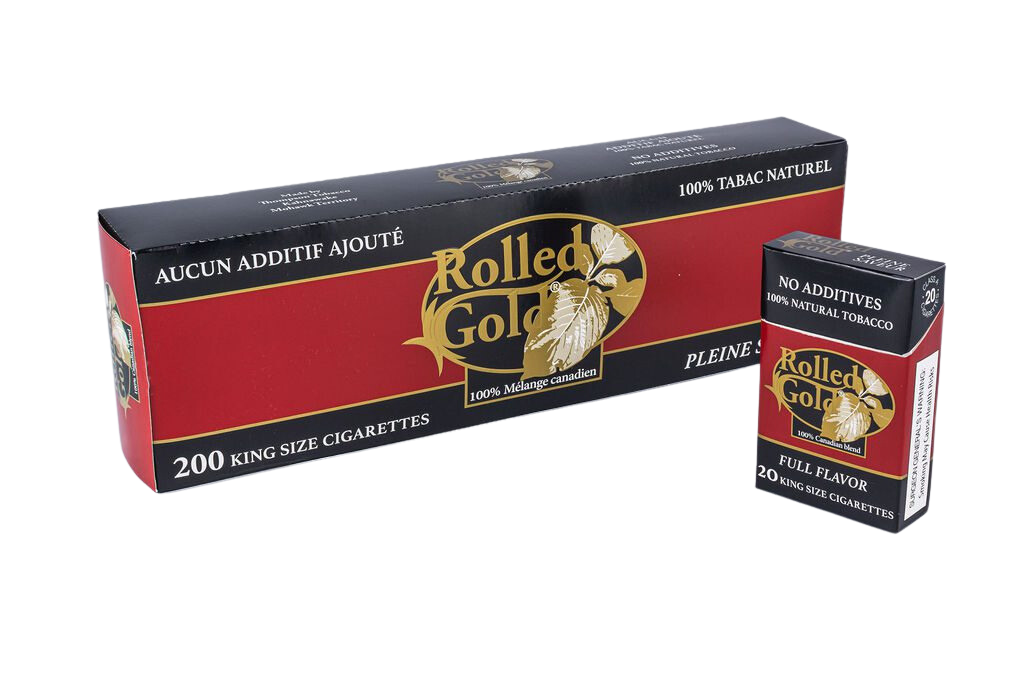
⭐ Excluded: BB light Manitoba, BB full Manitoba, Chanel Blueberry, Chanel ice. See all 29+ native brands at Cigstore.ca.
🚚 Delivery Across Canada – $29 Flat Rate
We ship to every province and territory using Canada Post, Purolator, FedEx, and UPS. Orders over $290 qualify for FREE shipping. Age verification (19+) required upon delivery — no exceptions. Unlike 1950s tobacco companies, we verify age and comply with all Canadian laws.
📦 Same-day dispatch for orders before 2 PM EST. Tracking provided within 24 hours.
📚 You Might Also Enjoy These Articles
History of Smoking in Canada
From 1950s magazine ads to plain packaging today.
5 Iconic Ads Banned Today
Campaigns that would never survive modern laws.
1994 Tax Cut Story
How native cigarettes became affordable.
Why Cigarettes Are Expensive
Complete federal & provincial tax breakdown.
10 Canadian Celebrities Who Smoke
Stars and their favorite brands.