
Do Air Purifiers for Smokers Actually Work?
The Truth About HEPA, Carbon Filters, and Cigarette Smoke Removal
💨🚬 You’ve tried candles, sprays, and leaving windows open for days. The smoke smell lingers. You’ve heard about air purifiers, but you’re skeptical. Do air purifiers actually work for cigarette smoke, or are they just expensive fans? The short answer: yes, they work — but only if you buy the right type. This article explains the science behind smoke removal, the specific filters you need, what air purifiers can and cannot do, and how to choose the best one for your home.
📋 What’s Actually in Cigarette Smoke?
Cigarette smoke contains over 7,000 chemicals, including tar, nicotine, benzene, formaldehyde, and carbon monoxide [citation:2][citation:10].
Smoke particles are as small as 0.1 to 1 micron — invisible to the naked eye [citation:2].
To understand whether an air purifier works, you first need to understand what you’re fighting. Cigarette smoke is a complex mixture of three distinct components [citation:2]:
- 🌫️ Particulate matter (PM2.5): The visible haze and solid particles. These are microscopic solids that can penetrate deep into your lungs. They’re the ash, tar droplets, and soot from burning tobacco [citation:10].
- 🧪 Volatile Organic Compounds (VOCs): The chemicals that produce the sharp, irritating smell you associate with smoke. These are gases that HEPA filters cannot capture [citation:2].
- 🟤 Tar and resin residue: Sticky, oily substances that coat surfaces and continue to off-gas (release odors) for months after smoking has stopped [citation:2].
📖 The persistence problem: A single cigarette smoked indoors deposits particles that continue off-gassing for three to six months [citation:2]. That guest who lit up “just once” in December? You might still catch whiffs in May.
⚙️ How Air Purifiers Remove Smoke
The basic idea is simple: pull room air through filters, trap the bad stuff, circulate clean air back out. But smoke throws a wrench into this because it contains both particles (solid) and gases (VOCs). One filter cannot capture both [citation:2][citation:6].
🧹 HEPA Filters: Particle Removal (Essential)
Captures 99.97% of particles at 0.3 microns or larger on the first pass [citation:3].
HEPA filters are highly effective at removing the solid components of cigarette smoke [citation:5].
HEPA (High-Efficiency Particulate Air) filters are the gold standard for particle removal. Independent testing has consistently shown that HEPA and electrostatic precipitator systems demonstrate the highest efficiency in relation to particulate contaminants from tobacco smoke [citation:5][citation:9].
- ✅ What HEPA captures: Smoke particles, ash, soot, PM2.5, dust, allergens, mold spores, pet dander [citation:3].
- ❌ What HEPA misses: Gases, VOCs, and odors. Those sail right through mechanical filtration [citation:2].
- 📏 Size matters: As the HEPA filter loads with particulate, its efficiency actually increases, allowing it to capture particles as small as 0.001 microns [citation:3].
🧴 Activated Carbon Filters: Odor Removal (Essential)
Activated carbon filters adsorb (bind) gases and VOCs at a molecular level [citation:2][citation:6].
Without carbon, your air purifier will NOT remove smoke smell [citation:2].
Here’s where most air purifiers drop the ball. HEPA filters excel at particles but do absolutely nothing for gases. Those VOCs causing the actual smell? They sail right through mechanical filtration [citation:2].
- 🔬 How it works: Activated carbon has a porous surface that attracts and traps gas molecules through a process called adsorption [citation:2][citation:6]. More carbon means more capacity for absorbing odors.
- ⚠️ The “paper-thin” trap: Those budget purifiers with a thin carbon pre-filter? Not enough for heavy smoke. You need a substantial carbon bed to make a real dent [citation:2].
- 📊 The science: Research shows that activated carbon is highly effective at adsorbing nicotine and other smoke constituents, with removal efficiencies of 68-88% [citation:8].
- ✅ What carbon captures: VOCs, odors, chemical fumes, nicotine, benzene, formaldehyde [citation:6].
📖 The crucial insight: “Grab an air purifier without activated carbon and you’ll waste money on a machine that just pushes smoky air in circles” [citation:2].
🔧 Multi-Stage Systems: The Only Solution That Works
Multi-stage systems that layer pre-filter + HEPA + activated carbon are the most effective for cigarette smoke removal [citation:3].
The most effective air purifiers for smoke layer multiple technologies [citation:2][citation:3]:
- Stage 1 — Pre-filter: Captures larger particles (hair, lint, pet fur) and protects your main filters from clogging too fast.
- Stage 2 — True HEPA filter: Captures 99.97% of fine smoke particles and PM2.5 [citation:3].
- Stage 3 — Activated carbon filter: Adsorbs VOCs, odors, and gaseous chemicals [citation:2][citation:6].
- Optional — UV-C light or ionization: Marginal benefits for smoke; don’t let these extras distract you from solid filtration [citation:2].
📖 Independent research confirms: An electret filter loaded with carbon sorbent received the best ratings for odor strength, nasal irritation, eye irritation, and overall air acceptability [citation:9].
📊 Filter Types Compared: Cigarette Smoke Removal
| Filter Type | Captures | Misses | Best For |
|---|---|---|---|
| True HEPA | Smoke particles, PM2.5, ash, dust | Gases, VOCs, odors, nicotine vapor | Visible smoke haze [citation:2] |
| Activated Carbon | VOCs, odors, nicotine, benzene | Particles, dust, allergens | Smoke smell and gases [citation:2] |
| HEPA + Carbon (Multi-stage) | Particles + gases + odors | Particles embedded in surfaces | Complete smoke removal [citation:6] |
| Ionizer / Ozone generator | Some particles (ozone harmful) | Gases, odors — creates harmful ozone | NOT recommended [citation:9] |
❌ What Air Purifiers Cannot Do
⚠️ Critical Limitations
Air purifiers do not remove smoke residue from surfaces. They only clean the air — not the walls, carpets, or furniture [citation:6][citation:10].
- 🏠 No surface cleaning: Air purifiers cannot remove the sticky tar and nicotine residue that has already settled on walls, ceilings, furniture, and carpets [citation:2]. That requires physical cleaning — wiping, washing, or professional remediation.
- 🔄 Not a cure for constant smoking: If someone smokes continuously inside the house, even the best purifier can’t eliminate every trace. Smoke clings to soft surfaces, and the chemicals that seep into paint or upholstery need more than filtration [citation:10].
- ❌ No carbon monoxide removal: None of the systems tested were effective at removing carbon monoxide — a dangerous gas in cigarette smoke [citation:9].
- ⚠️ Ozone generators are harmful: Some cheaper models use ionizers or ozone generators, which may claim to “neutralize” smoke odors but actually release ozone — an irritant that can be harmful when inhaled. Always look for ozone-free purifiers that rely on mechanical filtration [citation:10].
✅ How to Choose an Air Purifier for Cigarette Smoke
- 🔍 Look for “True HEPA” + “Activated Carbon”. If it doesn’t have both, skip it [citation:2].
- 📏 Check the CADR (Clean Air Delivery Rate). Look specifically for smoke CADR. The higher the CADR, the better [citation:1].
- 🏠 Match the size to your room. Most models advertise what capacity room they’re suited for. Get a model rated for a slightly larger room than you need [citation:1].
- 🔄 Consider filter replacement costs. Carbon filters typically last 3-6 months; HEPA filters last 2-4 years [citation:3].
- ⚠️ Avoid ionizers and ozone generators. They are least effective for particulate removal and can be harmful [citation:9][citation:10].
- 📊 Whole-home vs. portable: Central HEPA systems that integrate into your HVAC system can provide whole-home coverage, but they are more expensive [citation:3]. Portable units are sufficient for most smokers.
🏆 Recommended Air Purifiers for Smoke (2026)
The Winix 5510 Air Purifier is the top recommendation for smoke removal [citation:7].
- 🥇 Winix 5510: “With one of the best deodorizing filters currently available, this air purifier excels at removing smoke particles and odours from your home” [citation:7]. Features a true HEPA filter and a high deodorization carbon filter. Coverage: 1,882 sq ft.
- 🥈 Levoit Core 600S: Excellent for large rooms. Features HEPA and activated carbon. Smart connectivity and auto mode [citation:7].
- 🥉 BlueAir Blue Pure 211+: Strong performance for smoke and allergens. Uses combination of particle and carbon filtration [citation:7].
- 🏠 Whole-home central systems: For whole-house coverage, PD-HEPA series (Canadian-made) integrates into your return duct and provides up to 65 air changes per day [citation:3].
💡 Tips to Maximize Results
- 🌬️ Ventilate daily: Open windows when possible to let fresh air through [citation:10].
- 🧼 Clean surfaces frequently: Wipe down walls, vacuum upholstery, and wash fabrics that hold odor [citation:10].
- 📦 Place purifiers strategically: Keep them near smoking areas or central living spaces.
- 🔄 Replace filters on time: A dirty filter can’t clean your air. Carbon filters: 3-6 months. HEPA: 2-4 years [citation:3].
- 🏠 Use multiple units if needed: One purifier per room is more effective than one large unit in a distant corner [citation:10].
- 🚭 The only complete solution: Smoking outside eliminates the source. An air purifier is a mitigation tool, not a cure [citation:10].
📦 Native Cigarettes: The Same Smoke Chemistry
Air purifiers cannot distinguish between smoke from commercial vs. native cigarettes. Native cigarettes (Playfare, Canadian, DuMont, Nexus, Rolled Gold) produce the same particulate matter, VOCs, and odors as any other cigarette [citation:2].
- 💰 Cost savings: Native cigarettes cost $29-50 per carton — compared to $140-180 for commercial brands — a savings of 70-80%.
- 🚫 Same smoke chemistry: Switching to native cigarettes does NOT reduce the need for air purification.
- 📦 Online delivery: Cigstore.ca ships to every province and territory with $29 flat shipping (free over $290).
- 💨 Health note: The only way to completely eliminate smoke from your home is to smoke outside or quit. Native cigarettes are more affordable but not “cleaner.”
🔥 Top 5 Native Cigarettes for Canadian Smokers
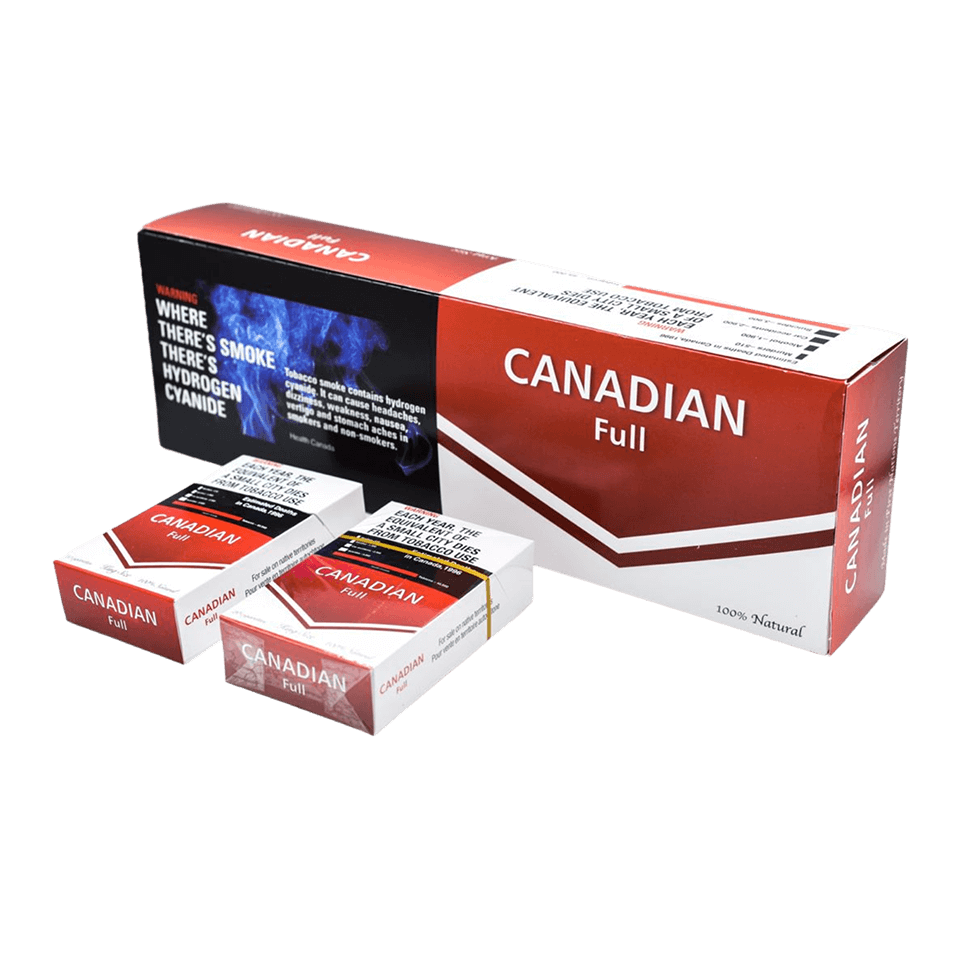
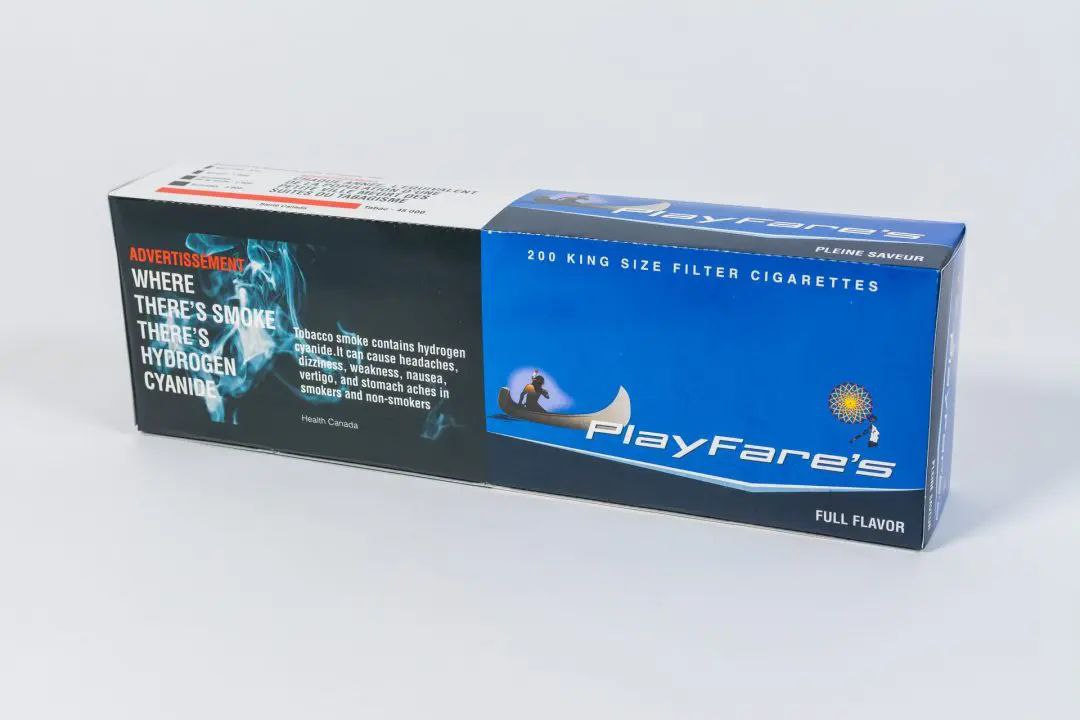
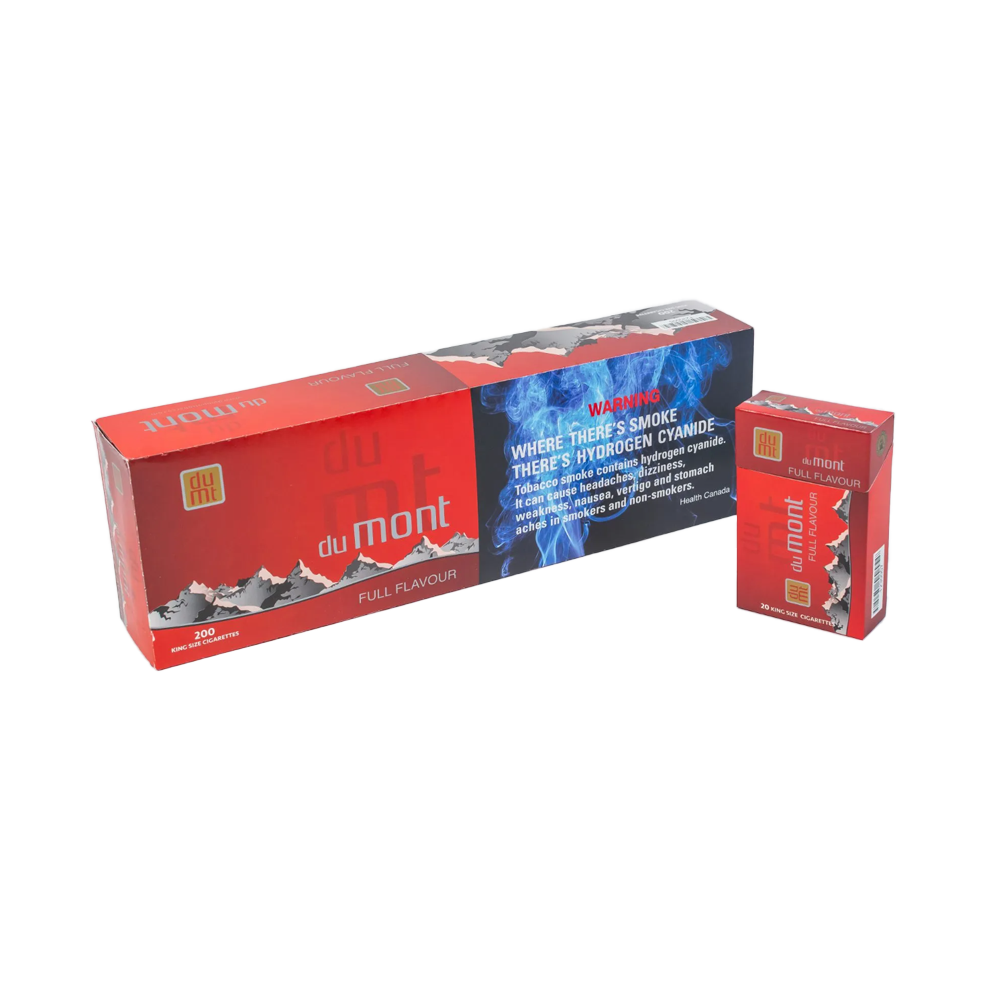
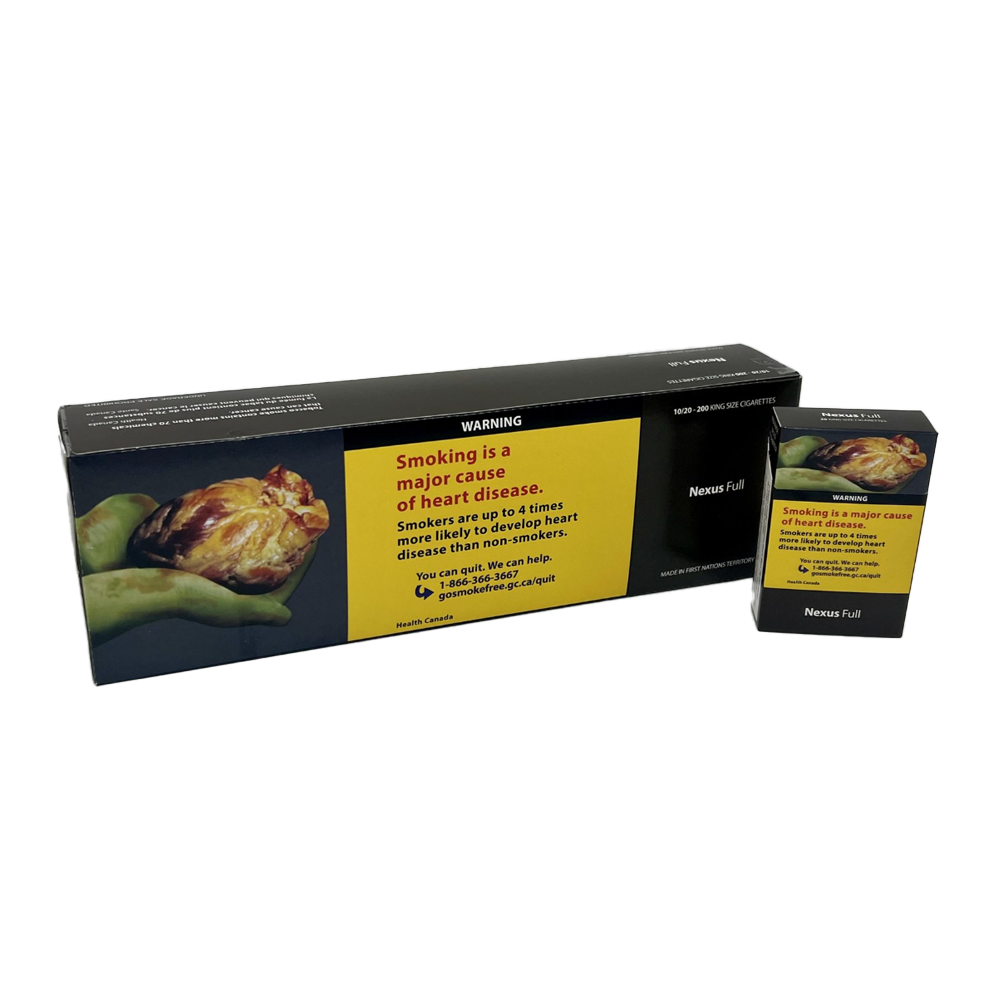
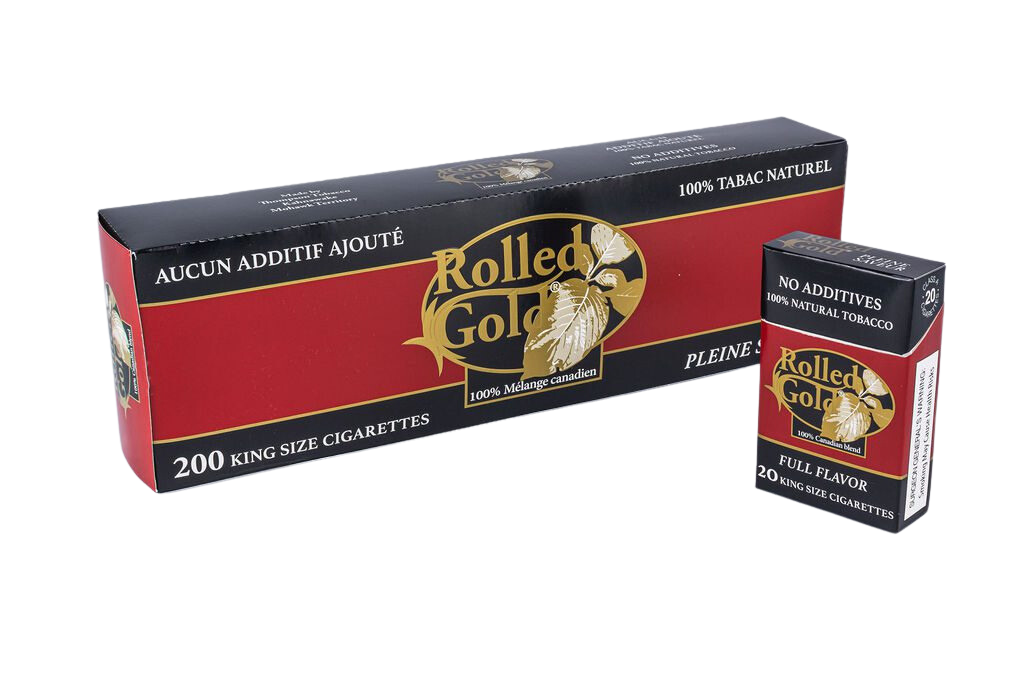
⭐ Excluded: BB light Manitoba, BB full Manitoba, Chanel Blueberry, Chanel ice. See all 29+ native brands at Cigstore.ca.
🚚 Delivery Across Canada – $29 Flat Rate
We ship to every province and territory using Canada Post, Purolator, FedEx, and UPS. Orders over $290 qualify for FREE shipping. Age verification (19+) required upon delivery.
📦 Same-day dispatch for orders before 2 PM EST. Tracking provided within 24 hours.
📚 You Might Also Enjoy These Articles
The Thirdhand Smoke Nightmare
How nicotine residue lingers in carpets and curtains.
How to Remove Cigarette Smell from Your Car Interior
Fast fixes for a fresher ride.
How to Remove Cigarette Smell from a Room in 5 Minutes
Quick solutions for fresh air.
How to Create a Smoke-Free Environment for Your Pets
Protecting all family members from thirdhand smoke.
How Smoking Affects the Fur and Skin of Cats and Dogs
Thirdhand smoke and pet health.
💡 The bottom line: Yes, air purifiers work for cigarette smoke — but only if you buy the right type. A multi-stage system with a true HEPA filter AND a substantial activated carbon filter will significantly reduce smoke particles and odors. However, air purifiers cannot remove residue from surfaces, and they cannot keep up with continuous indoor smoking. The most effective strategy is to smoke outside, use an air purifier as a secondary measure, and clean surfaces regularly. Native cigarettes are more affordable, but they produce the same smoke chemistry — so the same air purifier requirements apply.