
Smoking Among the Homeless in Canada
The Scale of the Problem and Access to Resources
🏠🚬 In Canada, over 235,000 people experience homelessness each year. Among this population, smoking rates are 4-5 times higher than the general population. While 12% of housed Canadians smoke, an estimated 50-80% of homeless individuals are daily smokers . This disparity is not a coincidence. Poverty, trauma, mental illness, addiction, and lack of access to healthcare all contribute to elevated smoking rates. This article explores why homeless Canadians smoke at such high rates, the devastating health consequences, and the barriers they face in accessing cessation resources. It also highlights programs that are working — and what still needs to be done.
📊 The Scale of the Problem
General Canadian population: ~12% smoke
Homeless population (estimates): 50-80% smoke
Indigenous homeless individuals: rates even higher, up to 90% in some studies.
The homeless population in Canada is estimated at 235,000-300,000 people annually . Smoking rates among this group are consistently reported at 50-80% across multiple studies . Indigenous people are vastly overrepresented among the homeless (30-50% of the homeless population are Indigenous, compared to 5% of the general population) . Smoking rates among Indigenous homeless individuals are even higher — often exceeding 90% .
- 📋 Toronto study (2021): 71% of shelter users were current smokers .
- 📋 Vancouver study (2019): 78% of homeless individuals in the Downtown Eastside smoked daily .
- 📋 Montreal study (2020): 65% of homeless individuals smoked, compared to 18% of the general Montreal population .
- 📋 National average: Approximately 12% of the general Canadian population smokes daily .
🤔 Why Are Smoking Rates So High Among the Homeless?
The high prevalence of smoking among homeless individuals is not a matter of “choice” — it is a product of systemic factors.
- 😔 Chronic stress and trauma: Homelessness is inherently traumatic. The constant stress of survival, exposure to violence, and loss of security drive coping behaviors. Nicotine is a powerful stress-reliever (in the short term) .
- 🧠 Mental illness comorbidity: Rates of mental illness among the homeless are extremely high (50-80%). People with schizophrenia, bipolar disorder, and major depression smoke at 2-3x the general population rate .
- 🧪 Substance use comorbidity: Alcohol and drug use disorders are common. Smoking is often part of a broader pattern of substance use .
- 🎓 Low education and poverty: Lower educational attainment and chronic poverty are independently associated with higher smoking rates .
- 📉 Lack of cessation support: Homeless individuals rarely have access to primary care, nicotine replacement therapy, or cessation counselling .
- 🚬 “The cigarette as currency”: Among homeless populations, cigarettes often function as informal currency — used to buy favours, information, or protection .
💔 Health Consequences of Smoking in an Already Vulnerable Population
Homeless individuals already face higher mortality rates from all causes. Smoking compounds these risks dramatically .
- 🫁 Respiratory disease: Homeless individuals have high rates of COPD, chronic bronchitis, and pneumonia — all worsened by smoking. Exposure to cold, damp conditions and lack of shelter exacerbates lung damage .
- ❤️ Cardiovascular disease: Smoking is a leading cause of heart attack and stroke, which are already elevated among homeless populations due to stress, poor nutrition, and lack of healthcare .
- 🦷 Oral health: Smoking accelerates tooth decay, gum disease, and tooth loss — already severe problems among homeless individuals due to lack of dental care .
- 🩺 Foot ulcers and amputations: For homeless individuals with diabetes or peripheral vascular disease, smoking reduces blood flow to extremities, leading to ulcers and amputations .
- 📉 Reduced life expectancy: The average life expectancy of a chronically homeless person is 50-55 years — 20-25 years less than the general population. Smoking is a significant contributor .
🚫 Barriers to Smoking Cessation for Homeless Individuals
Even when homeless individuals want to quit, they face unique barriers that housed smokers do not .
- 💊 No access to NRT: Nicotine replacement therapy (patches, gum) requires a prescription in some provinces, or money to purchase. Homeless individuals often have neither .
- 📞 No phone for quit lines: Telephone-based cessation coaching requires access to a phone and a private place to talk — luxuries for homeless individuals .
- 🏥 No primary care provider: Many homeless individuals do not have a family doctor. Without a prescriber, they cannot access NRT or cessation medications .
- 😔 Cessation is low priority: When you are worried about where you will sleep tonight or where your next meal will come from, quitting smoking falls to the bottom of the list .
- 📋 Lack of tailored programs: Most cessation programs assume a stable home environment, refrigeration for NRT patches, and a daily routine. Homeless individuals have none of these .
- 🤝 Cigarettes as social currency: In homeless communities, sharing cigarettes builds trust and social connection. Quitting can lead to social isolation .
✅ What Works: Promising Interventions for Homeless Smokers
Despite the challenges, evidence-based interventions can help homeless individuals quit smoking .
- 🏢 On-site NRT distribution: Shelters that provide free nicotine patches and gum to residents have shown significant reductions in smoking rates. NRT does not require refrigeration and can be dispensed daily .
- 👥 Peer-led support groups: Homeless individuals are more likely to engage with cessation programs led by peers who have lived experience .
- 💰 Financial incentives: Contingency management (paying smokers to remain abstinent) has shown effectiveness in homeless populations. Small cash rewards ($20-50) for biochemically confirmed abstinence work .
- 🩺 Integrated care: Pairing smoking cessation with housing-first initiatives — helping someone quit after they are housed, not before — is more effective .
- 📱 Text-based support: Programs that send daily motivational texts to homeless individuals with cell phones have shown promise .
- 🇨🇦 Canadian examples: Toronto’s “Housing First” program integrated smoking cessation into its case management services. Vancouver’s “Insite” supervised injection site offers NRT to clients .
⚖️ Smoking and Health Equity: Why This Is a Justice Issue
Homeless individuals already face a mortality rate 3-4 times higher than the general population . Smoking is a major contributor to this gap. Public health interventions that ignore homeless smokers are failing the most vulnerable .
- 📊 Smoking causes 1 in 2 deaths among homeless individuals: Cardiovascular disease and cancer are leading causes of death in this population .
- 💰 Health system costs: Smoking-related hospitalizations for homeless individuals are a massive burden on the healthcare system — often paid for by emergency departments rather than primary care .
- 🔄 The cycle: Poor health → inability to work → homelessness → worse health → more smoking. Breaking this cycle requires targeted interventions .
- 🏛️ Policy recommendations: Expand NRT coverage to include non-prescription access in shelters. Fund peer-led cessation programs. Integrate smoking cessation into Housing First initiatives .
📦 Native Cigarettes: The Affordable Option for Homeless Smokers
Many homeless smokers have switched to native cigarettes (Playfare, Canadian, DuMont) because they are dramatically cheaper . A native carton costs $29-50, compared to $140-180 for commercial brands — a savings of 70-80%. For someone living on a disability cheque or social assistance, this difference is the difference between eating and not eating .
- 💰 Cost savings: A pack-a-day smoker saves $5,000-7,000 per year by switching to native cigarettes — real money for someone on a fixed income .
- 🚫 Not “healthier”: Native cigarettes contain the same nicotine, tar, and carcinogens as commercial brands. The only difference is price and packaging .
- 📦 Online delivery: Cigstore.ca ships to every province and territory with $29 flat shipping (free over $290). For homeless individuals, delivery to a shelter or friend’s address is an option .
- 🩺 The goal remains quitting: While native cigarettes reduce financial stress, the ultimate goal should be cessation. Shelters should offer NRT as an alternative to cheap cigarettes .
📖 Ethical note: As a retailer, we recognize the contradiction of selling cigarettes to a population we also wish would quit. We encourage homeless smokers to access free NRT through shelters and health clinics — but we also recognize that for those who cannot quit, native cigarettes are the least financially destructive option.
🤝 How You Can Help
- 🏢 Support shelters that offer free NRT: Donate nicotine patches and gum to local shelters. Contact your local shelter to ask what they need .
- 💰 Advocate for policy change: Write to your MP and MPP requesting that NRT be made available without prescription and fully covered by provincial health plans .
- 📢 Spread awareness: Share this article. Most Canadians have no idea how high smoking rates are among homeless populations .
- 🩺 Volunteer: If you are a healthcare professional, volunteer at a shelter to provide smoking cessation counselling .
- 📋 Don’t judge: Homeless individuals who smoke are not “making bad choices.” They are coping with unimaginable stress. Compassion, not condemnation, is the path forward .
🇨🇦 Resources for Homeless Smokers (and Those Who Serve Them)
- 📞 Smokers’ Helpline (1-877-513-5333): Free, confidential telephone coaching. They can call from a shelter phone.
- 🏢 Local shelters: Many shelters now offer free NRT. Call ahead to ask.
- 🩺 Community health centres: CHCs serving homeless populations often have free NRT and cessation counselling.
- 💊 Pharmacy access: In some provinces (e.g., Ontario), pharmacists can prescribe NRT. Ask at a local pharmacy.
- 📱 QuitNow (quitnow.ca): Free app — if the individual has a smartphone.
🔥 Top 5 Native Cigarettes (Most Affordable Option for Those Who Cannot Quit)
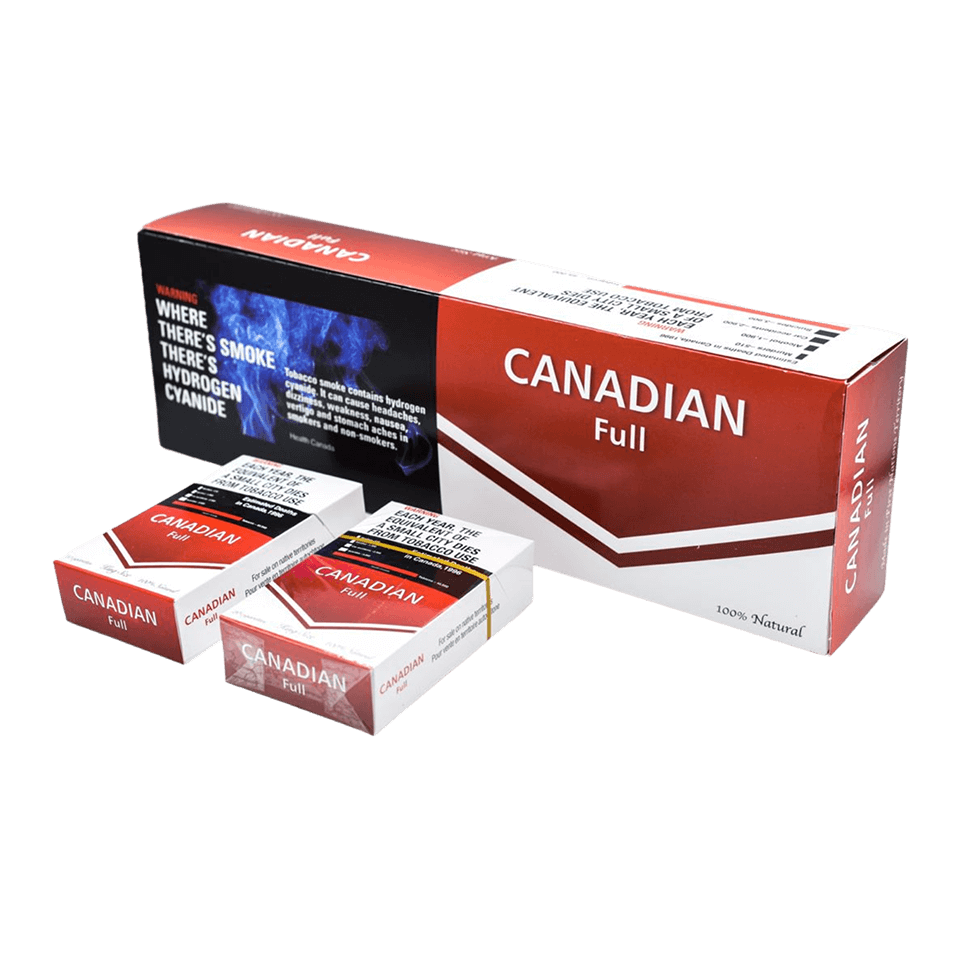
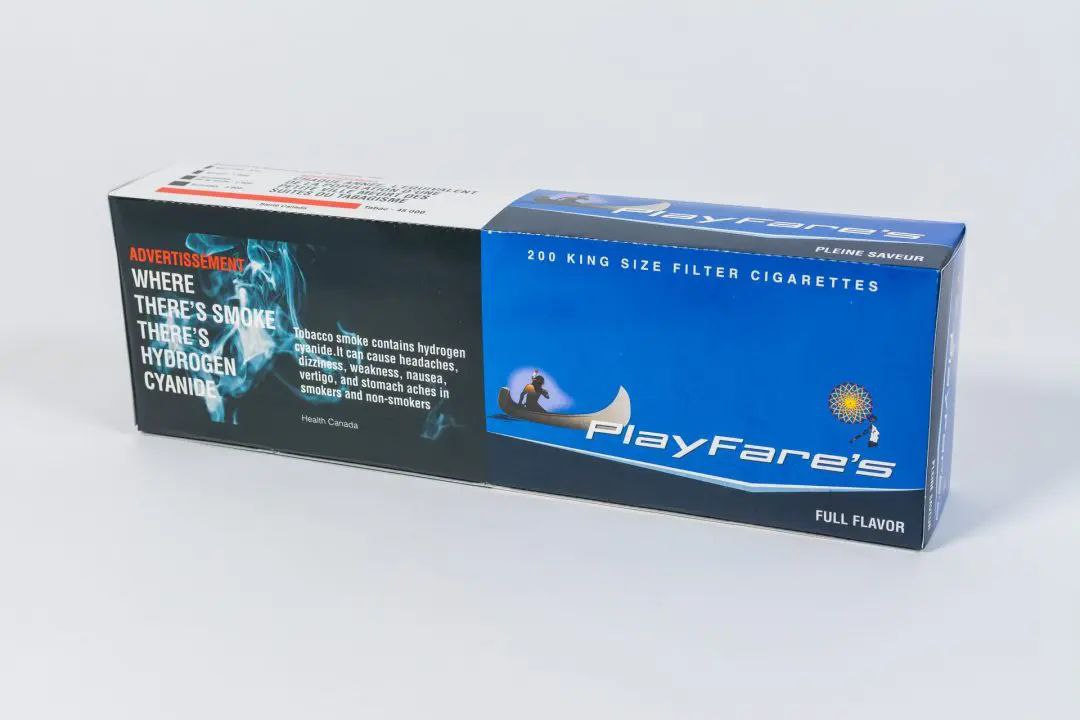

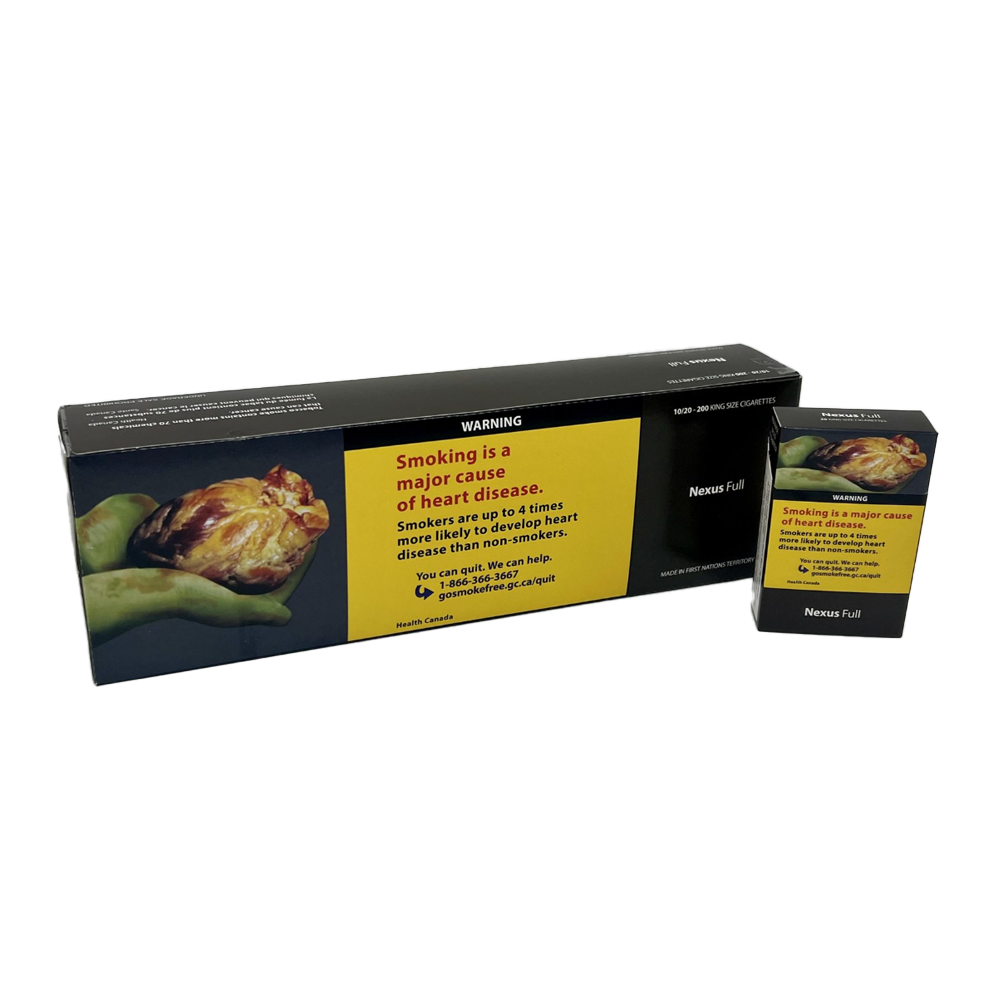
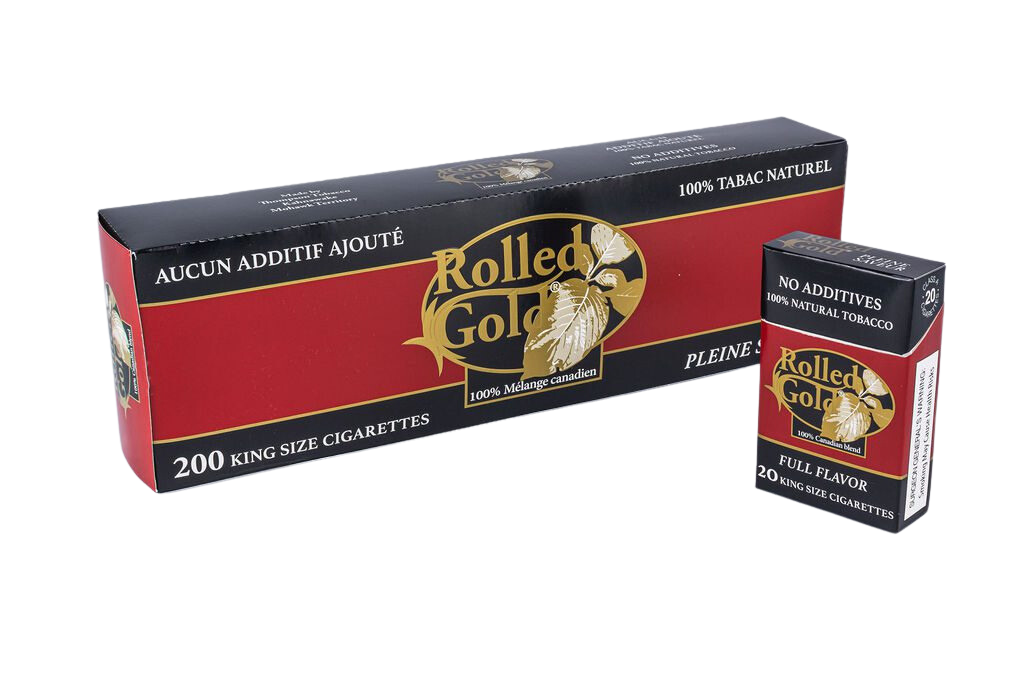
⭐ Excluded: BB light Manitoba, BB full Manitoba, Chanel Blueberry, Chanel ice. See all 29+ native brands at Cigstore.ca.
🚚 Delivery Across Canada – $29 Flat Rate
We ship to every province and territory using Canada Post, Purolator, FedEx, and UPS. Orders over $290 qualify for FREE shipping. Age verification (19+) required upon delivery.
📦 Same-day dispatch for orders before 2 PM EST. Tracking provided within 24 hours.
📚 You Might Also Find These Articles Helpful
How Smoking Affects Lonely Seniors
Social isolation and tobacco.
Why People with Bipolar Disorder Smoke More Often
Mental health and addiction.
How Smoking Affects the Lifespan of Your Pets
Pets and secondhand smoke.
Smoking During Pregnancy
Risks to fetus and newborn.
The Thirdhand Smoke Nightmare
How nicotine residue lingers in carpets and curtains.