
How to Ask a Guest Not to Smoke in Your Home
Polite Phrases and Strategies for Setting Boundaries Without Ruining the Relationship
🏠🚭 You’ve worked hard to make your home a clean, comfortable space. You’ve painted the walls, chosen the curtains, and maybe even replaced the carpets. Then a guest reaches for their pack of cigarettes, and you feel a knot in your stomach. How do you ask them not to smoke without sounding rude or inhospitable? This article provides practical, polite scripts and strategies for communicating your smoke-free home rule — whether you’re a non-smoker protecting your space or a smoker who wants to keep your home smoke-free for family, pets, or property value.
🏠 First Things First: Know Your ‘Why’
Before you can communicate your boundary to others, you need to be clear with yourself about why you don’t allow smoking in your home. This clarity will help you respond to pushback with confidence.
- 🫁 Health reasons: Thirdhand smoke (residue left on surfaces) contains carcinogens and is especially harmful to children, pets, and people with respiratory conditions. A smoke-free home protects everyone who lives there.
- 💰 Property value and rental agreements: Cigarette smoke damages walls, carpets, curtains, and electronics. If you rent, smoking indoors can violate your lease and cost you your security deposit.
- 👶 Protecting children and pets: Children and pets are especially vulnerable to thirdhand smoke, which they absorb through their skin and mouth.
- 🌿 Personal preference: You simply don’t like the smell. That is a valid reason. Your home, your rules.
📖 Remember: You don’t need to justify your rule to anyone. “It’s my home” is a complete sentence. But having a clear reason helps you feel confident when enforcing it.
📱 Strategy #1: Address It Before They Arrive
Communicate your smoke-free policy before your guest arrives, not when they’re already lighting up.
This prevents awkward in-the-moment confrontations.
The most effective way to avoid an uncomfortable moment is to set expectations in advance. A simple text or call before the visit gives your guest time to prepare — and to decide whether to bring nicotine patches, gum, or plan to step outside.
📝 Sample Scripts (Before Arrival):
For a casual gathering (text message):
“Hey! Looking forward to seeing you Friday. Just a heads-up — our home is smoke-free. You’re welcome to step out to the backyard if you need to smoke. Thanks for understanding!”
For a longer stay (phone call):
“We’re so excited to have you stay with us. I wanted to let you know in advance that we don’t allow smoking inside the house. There’s a spot on the back porch, or you can smoke outside. Let me know if you need anything to make that easier.”
If you’re a smoker yourself (but don’t smoke inside):
“Hey, just so you know — I smoke, but I never smoke inside the house. I step out to the garage/backyard. You’re welcome to join me out there.”
🚫 Strategy #2: Use Visual Cues (Subtle but Effective)
Sometimes guests don’t ask because they assume smoking is allowed. Visual cues can communicate your rule without you having to say a word.
- 🚭 No Smoking sign at the entrance: A small, tasteful sign near the front door or in the entryway sets the expectation before anyone even steps inside.
- 🪟 Visible outdoor ashtray: Place a clearly marked ashtray on a patio table or near the back door. This signals “smoking happens here, not inside.”
- 🧴 Air purifier visible in the living room: A visible air purifier suggests that you care about air quality, subtly indicating that smoking indoors would be unwelcome.
- 🌿 No ashtrays inside: The absence of ashtrays is a powerful message. If a guest looks around and sees no ashtrays, they will usually ask before lighting up.
🗣️ Strategy #3: In-the-Moment Phrases (When They Reach for a Cigarette)
Stay calm, use “I” statements, and offer an alternative.
Don’t apologize for your rule — state it as a fact.
Even with advance warning, some guests may forget or assume the rule doesn’t apply to them. Here’s how to handle it when they reach for a pack.
📝 Polite, Firm Phrases:
Direct and friendly:
“Oh, just so you know, we don’t smoke inside. The back porch is all yours if you’d like to step out.”
If you have children or pets:
“I’m sorry to interrupt — we keep the house smoke-free because of the kids/pets. Would you mind stepping outside?”
If they’ve already lit up (act quickly):
“Excuse me — I should have mentioned earlier, but we don’t allow smoking in the house. Can I show you where to go outside?”
If you’ve already told them and they forgot:
“Hey, just a reminder — we don’t smoke indoors. Could you please take that outside? Thanks so much.”
🛡️ Strategy #4: How to Handle Pushback or Embarrassment
Most guests will be understanding. But occasionally, you’ll encounter pushback — or a guest who becomes visibly embarrassed or defensive. Here’s how to handle it gracefully.
😤 If they argue (“It’s just one cigarette”):
Response: “I totally get it, but the smoke lingers for a really long time, and it’s really hard to get out of the curtains and carpets. I appreciate you stepping outside.”
😞 If they seem embarrassed or ashamed:
Response: “No worries at all — lots of people don’t think about it. The back door is right over there. Take your time.”
😡 If they get angry or dismissive:
Response: “It’s our home, and we’ve worked really hard to keep it smoke-free. If stepping outside doesn’t work for you, I completely understand if you need to leave early.” (Stand your ground. Your home, your rules.)
🚬 Strategy #5: Be a Considerate Host — Offer Alternatives
The best way to make a smoker feel welcome while maintaining your boundary is to offer a comfortable alternative. A little thoughtfulness goes a long way.
- 🧥 Provide a designated outdoor spot: Set up a chair, a small table, and an ashtray on a covered porch or in a sheltered part of the yard. In winter, a heated patio or a space heater makes a huge difference.
- ☕ Offer a jacket or umbrella: “It’s chilly out there — would you like to borrow a jacket?” This shows you care about their comfort while still enforcing the rule.
- 💨 Suggest nicotine alternatives: If you have nicotine gum or patches (leftover from a quit attempt), offer them as a courtesy: “I have some nicotine gum if you’d prefer to stay inside.”
- 🕰️ Time your gatherings: If you’re hosting an evening event, consider that smokers may want to step out multiple times. Having a designated smoking area with good lighting and seating makes it easier.
🚬 A Special Note for Smokers Who Host
If you smoke yourself but don’t allow smoking indoors, you have a unique challenge: guests may assume that because you smoke, it’s okay for them to smoke inside. This assumption requires extra clarity.
- 🗣️ Be explicit: “I know I smoke, but I never smoke inside. The smoke ruins the walls and furniture, and I’ve spent too much time cleaning it. You’ll need to step outside too.”
- 🚫 Model the behavior: When a guest arrives, if you need to smoke, go outside first. Your example sets the standard.
- 📦 Offer native cigarettes as a courtesy: If you have extra packs of native cigarettes (Playfare, Canadian, DuMont), offer one to a guest who forgot theirs: “I have an extra pack if you need one — but we’ll have to step outside.”
🧹 Strategy #6: After the Visit — If a Guest Smoked Indoors Anyway
Address it promptly but calmly. Then take steps to prevent it from happening again.
Sometimes, even with clear communication, a guest may smoke inside without asking — or may light up before you can stop them. Here’s how to respond and prevent future incidents.
- 📞 Follow up after they leave: “Hey, I wanted to mention — I noticed you smoked inside during your visit. I should have been clearer, but our home is smoke-free. Next time, please step outside.”
- 🔒 Update your communication: If a guest ignored your rule, be more explicit before their next visit: “Just to be really clear — we don’t allow any smoking inside the house. You’ll need to step out onto the porch.”
- 🧼 Clean promptly: The sooner you clean smoke residue, the less damage it causes. Open windows, wipe down surfaces with vinegar solution, and wash any fabrics that absorbed smoke.
- 📋 Decide whether to invite them back: If a guest repeatedly ignores your smoke-free rule despite clear warnings, it’s okay to stop inviting them. Your home, your peace of mind.
📦 Native Cigarettes: An Affordable Option (Still, Smoke Outside)
Native cigarettes (Playfare, Canadian, DuMont, Nexus, Rolled Gold) cost $29-50 per carton — compared to $140-180 for commercial brands — a savings of 70-80%. But they still produce tar, nicotine, and carcinogens. If you smoke native cigarettes, the same rule applies: smoke outside. Your walls, curtains, and family’s lungs don’t know the difference between commercial and native smoke.
- 💰 Cost savings: A pack-a-day smoker saves $5,000-7,000 per year by switching to native cigarettes.
- 🚫 Same smoke, same damage: Native cigarettes will still yellow your walls and leave residue on your furniture.
- 📦 Online delivery: Cigstore.ca ships to every province and territory with $29 flat shipping (free over $290).
- 🏠 Remember: Even if you smoke native cigarettes, your home will thank you if you step outside.
🔥 Top 5 Native Cigarettes for Canadian Smokers
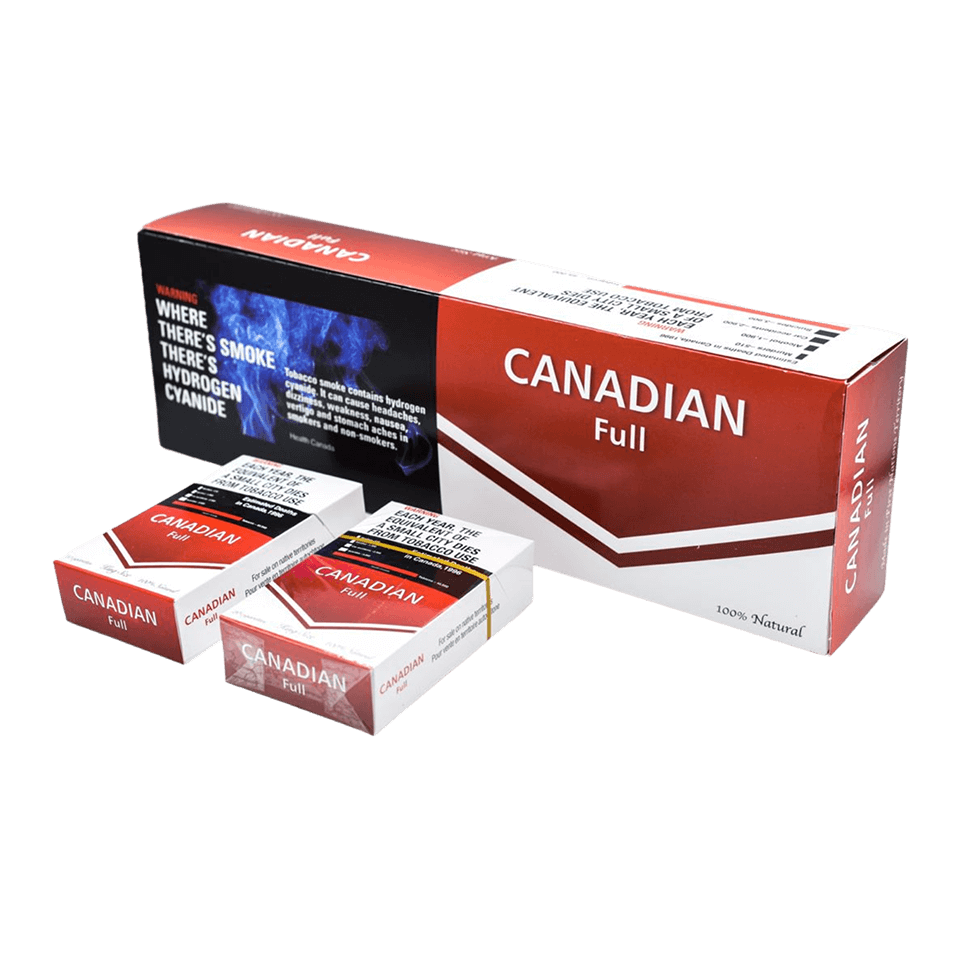
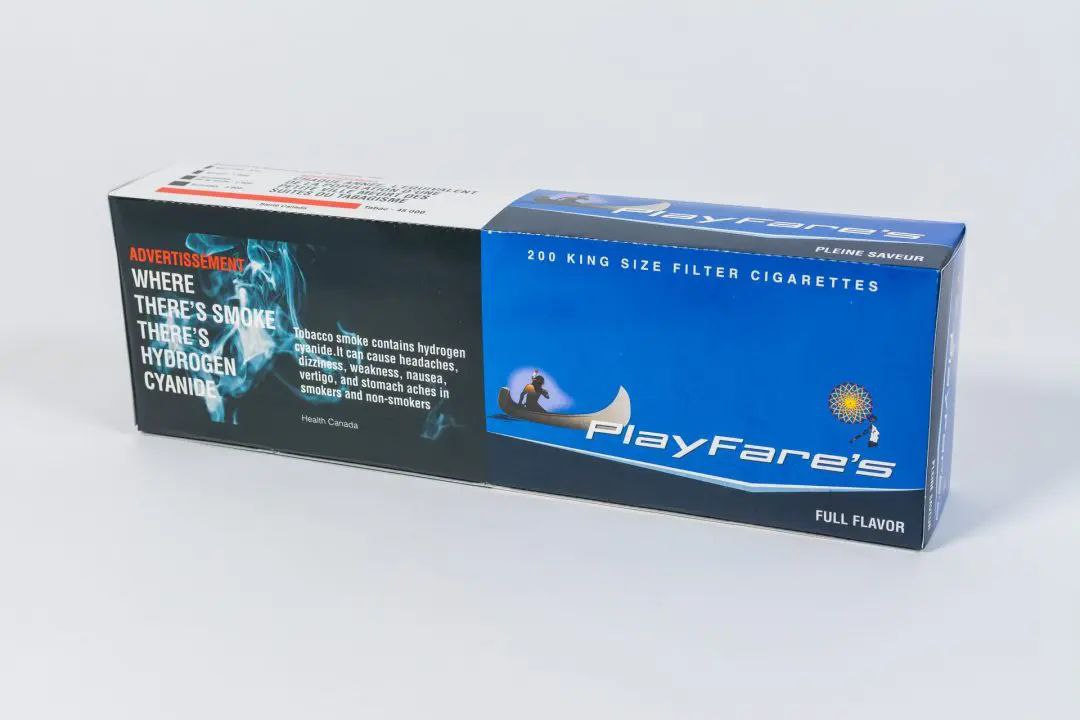

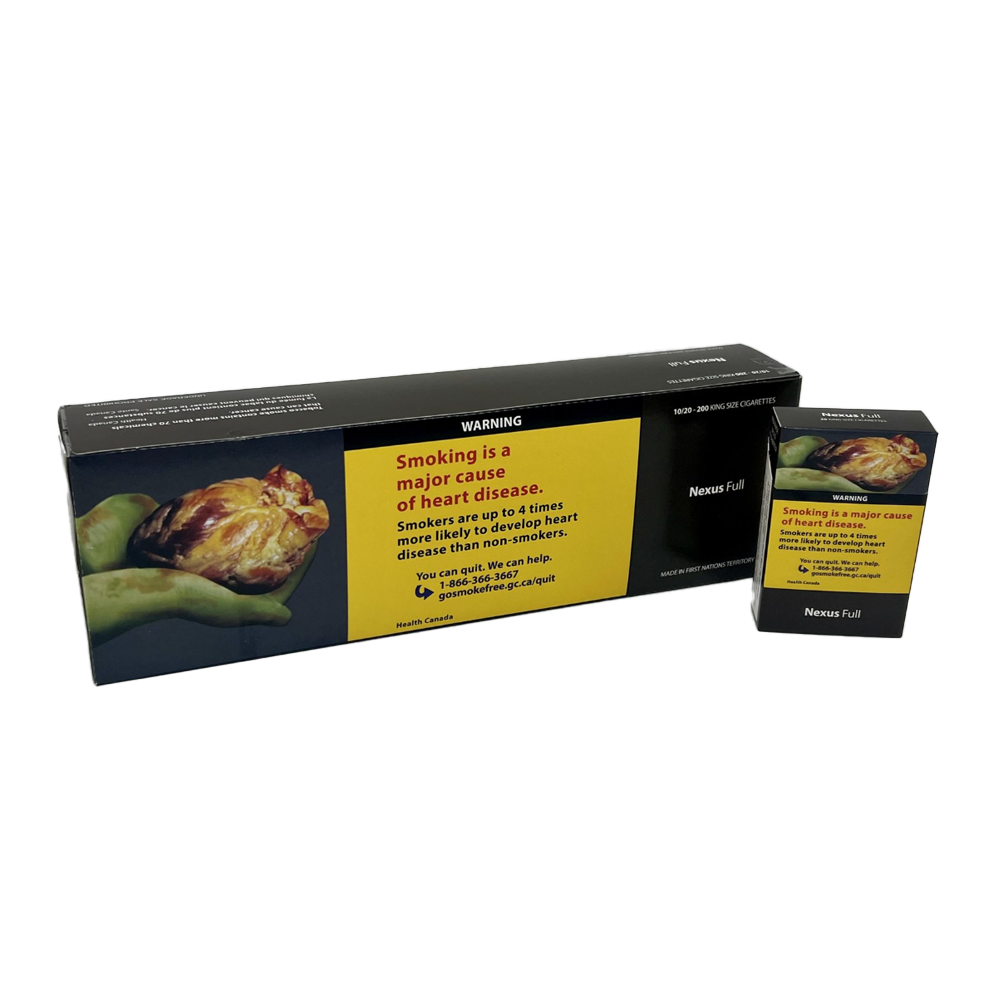
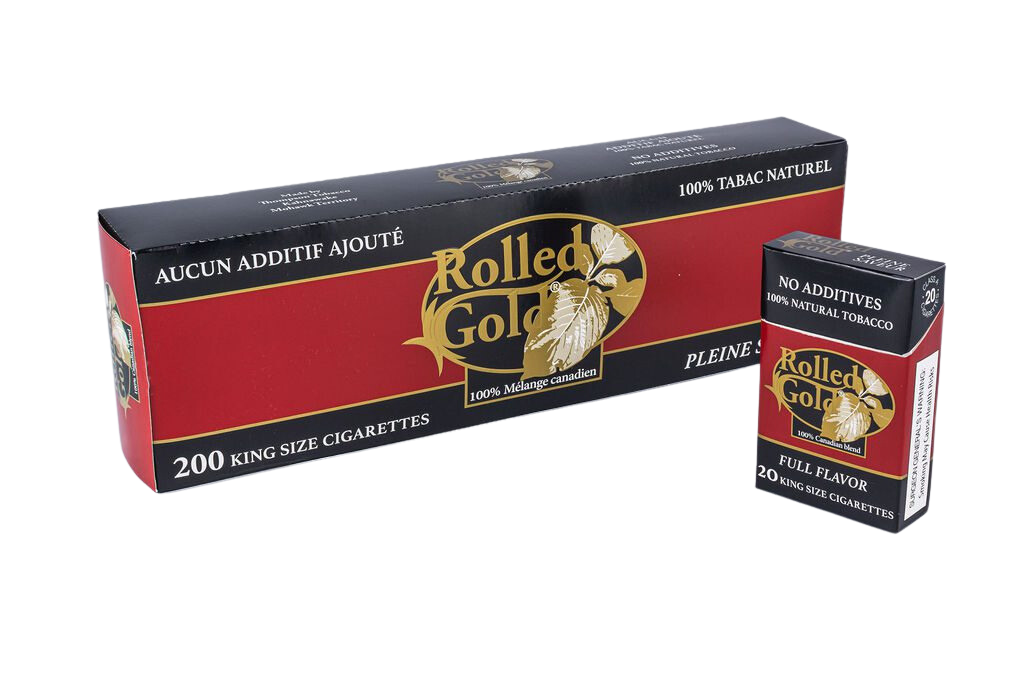
⭐ Excluded: BB light Manitoba, BB full Manitoba, Chanel Blueberry, Chanel ice. See all 29+ native brands at Cigstore.ca.
🚚 Delivery Across Canada – $29 Flat Rate
We ship to every province and territory using Canada Post, Purolator, FedEx, and UPS. Orders over $290 qualify for FREE shipping. Age verification (19+) required upon delivery.
📦 Same-day dispatch for orders before 2 PM EST. Tracking provided within 24 hours.
📚 You Might Also Enjoy These Articles
Smoking Etiquette in Canada
What happened to borrowing a smoke?
The ‘Smoking Closet’ Strategy
How to explain your habit to your kids without lying.
How to Protect Children from Secondhand Smoke
Avoid setting a bad example.
Top 5 Places Where You Can’t Smoke in Canada (But Everyone Does)
And how to avoid a ticket.
How to Create a Smoke-Free Environment for Your Pets
Yes, it affects them too.