
How Smoking Affects Contraception and Hormonal Medications
Risks, Interactions, and What Every Woman Needs to Know
⚠️ CRITICAL MEDICAL DISCLAIMER: This article is for educational purposes only and does not constitute medical advice. The U.S. Food and Drug Administration (FDA) and Health Canada have issued specific warnings about the combined use of hormonal contraceptives and cigarette smoking. Combination oral contraceptives are contraindicated in women over 35 who smoke [citation:10]. Always consult your healthcare provider about your individual risk factors and contraceptive options.
💊🚬 Many women are unaware that cigarette smoking can dramatically affect how their bodies process hormonal medications — including birth control pills, hormone replacement therapy (HRT), and other estrogen-based treatments. Smoking not only increases the risk of serious cardiovascular side effects but may also reduce the effectiveness of these medications. This article explores the science behind these interactions, the specific risks for women who smoke and take hormonal contraceptives, and what you can do to protect your health.
🧬 The Biological Mechanism: How Smoking Changes Drug Metabolism
Tobacco smoke contains polycyclic aromatic hydrocarbons (PAHs) — potent inducers of the liver enzyme cytochrome P450 1A2 (CYP1A2) [citation:2]. This enzyme is responsible for metabolizing many drugs, including:
- Estrogen (ethinyl estradiol — the synthetic estrogen in birth control pills)
- Clozapine, olanzapine (antipsychotics)
- Theophylline (asthma medication)
- Fluvoxamine (antidepressant)
- Ropinirole (Parkinson’s disease treatment)
When CYP1A2 is induced (activated) by smoking, it breaks down these drugs faster than in non-smokers. This can lead to lower drug levels in the blood, potentially reducing therapeutic effectiveness [citation:2]. As one pharmacology review notes, “smokers taking a medication that interacts with smoking may require higher dosages than nonsmokers” [citation:2].
📖 Key Clinical Note: After a person quits smoking, the induction of CYP1A2 dissipates relatively quickly. Therefore, when smokers quit, they may require a reduction in the dosage of an interacting medication to prevent toxicity [citation:2]. This is especially important for medications with a narrow therapeutic index.
⚡ The Estrogen Connection: Why Birth Control Is Different
“Cigarette smoking increases the risk of serious cardiovascular events from combination oral contraceptive (COC) use. This risk increases with age, particularly in women over 35 years of age, and with the number of cigarettes smoked.” [citation:10]
The interaction between smoking and hormonal contraceptives is two-fold: pharmacokinetic (how the drug is metabolized) and pharmacodynamic (how the body responds to the drug).
- 🚬 Increased metabolism: Smoking induces CYP1A2, which accelerates the breakdown of ethinyl estradiol, potentially reducing contraceptive efficacy [citation:2].
- ❤️ Cardiovascular risk: Both smoking and oral contraceptives independently increase the risk of blood clots, heart attack, and stroke. When combined, these risks are synergistic — not merely additive [citation:10].
- 📊 Age factor: The risk is highest in women over 35 who smoke, particularly those who smoke 15 or more cigarettes daily [citation:2][citation:10].
🫀 Cardiovascular Risks: The Dangerous Synergy
Recent research has shed light on how smoking and estrogen together affect the heart. A 2024 study in mice exposed to chronic cigarette smoke combined with ethinyl estradiol (the estrogen in birth control pills) found adverse cardiac remodeling — changes in heart structure and function that resemble dilated cardiomyopathy [citation:1].
- 💔 Increased left ventricular volume and mass — indicators of heart strain
- 🔥 Inflammatory state — elevated cytokines including IL-4, IL-1β, IL-13, and IL-10
- 🔬 Interstitial collagen deposition — fibrosis (scarring) of heart tissue
The researchers concluded: “The combination of estrogen and chronic smoking led to adverse cardiac remodeling… suggesting a progression towards adverse cardiac remodeling resembling dilated cardiomyopathy” [citation:1].
📖 Important Note: This study found that during the 8-week timeframe, “smoking by itself did not have structural or functional effects on the hearts of male mice or on female mice” — it was the combination of estrogen and smoking that produced the harmful effects [citation:1].
💊 Other Hormonal Medications Affected by Smoking
Birth control pills are not the only hormonal medications affected by smoking. Several others show significant interactions:
💉 Inhaled Insulin
Smoking significantly alters the pharmacokinetics of inhaled insulin. In smokers, inhaled insulin peaks faster and reaches higher concentrations compared to non-smokers, achieving “significantly faster onset and higher insulin levels” [citation:2].
💨 Inhaled Corticosteroids
Smoking reduces the efficacy of inhaled corticosteroids used to treat asthma. Smokers with asthma may not respond as well to standard doses of these medications [citation:2].
🧠 Ropinirole (Parkinson’s Disease)
Ropinirole is metabolized primarily by CYP1A2. “Cigarette smoking is expected to increase the clearance of ropinirole since CYP1A2 is known to be induced by smoking” [citation:4][citation:8]. Smokers taking this medication may require higher doses to achieve therapeutic effects.
🔄 Hormone Replacement Therapy (HRT)
The same CYP1A2 induction affects estrogen in HRT. Smokers on HRT may have lower circulating estrogen levels, potentially reducing the benefits of therapy [citation:8].
📊 The Numbers: What the Statistics Show
⚠️ Does Smoking Make Birth Control Less Effective?
The answer is nuanced. While there is clear evidence that smoking increases the metabolism of estrogen [citation:2], the clinical significance for contraceptive efficacy remains debated. However, the cardiovascular risks are so significant that health authorities have classified combined oral contraceptives as contraindicated for smokers over 35 [citation:10].
Some research suggests that the following factors may contribute to reduced effectiveness:
- Accelerated estrogen metabolism due to CYP1A2 induction
- Increased risk of breakthrough bleeding (a potential sign of lower hormone levels)
- Potential for ovulation if estrogen levels drop below the contraceptive threshold
However, a 1999 study on third-generation oral contraceptives found that the OC regimen “improves — if anything — platelet vessel wall interactions as assessed by prostanoid production in vivo,” suggesting that the prothrombotic tendency “does not appear to be mediated by changes in platelet-vessel wall interactions” [citation:3]. More research is needed.
📖 The Bottom Line on Effectiveness: The FDA and Health Canada do not list “reduced contraceptive efficacy” as a primary warning — the cardiovascular risks are the primary concern. However, the safest approach is to assume that smoking may reduce effectiveness and discuss alternative contraceptive options with your healthcare provider.
🔬 Nicotine vs. Tobacco Smoke: A Crucial Distinction
The drug interactions described above are primarily caused by polycyclic aromatic hydrocarbons (PAHs) in tobacco smoke — NOT by nicotine itself [citation:2]. This has important clinical implications:
- ✅ Nicotine replacement therapy (NRT): Patches, gum, and lozenges do NOT contain PAHs and therefore do not induce CYP1A2 [citation:6]. Smokers who switch to NRT may not experience the same drug interactions.
- ⚠️ Vaping: The effects of vaping on CYP1A2 are not fully understood, though some vape products may contain flavorings that produce other risks.
- ✅ Smoking cessation: When smokers quit, CYP1A2 levels return to normal within days to weeks, potentially requiring dose adjustments for interacting medications [citation:2][citation:6].
A 2017 study found that nicotine exposure during oral contraceptive treatment actually showed “anti-inflammatory, antithrombotic and blood viscosity-lowering effects” in rats [citation:7]. This suggests that the harmful interactions are caused by other components of tobacco smoke, not nicotine itself.
📋 Quick Reference: Smoking and Common Medications
✅ What to Do If You Smoke and Take Hormonal Medications
- 📞 Be honest with your healthcare provider. Tell your doctor how much you smoke — they cannot assess your risk without this information.
- 🩺 Consider alternative contraception. Non-hormonal options (copper IUD) or progestin-only methods (mini-pill, hormonal IUD, implant) may carry lower cardiovascular risk for smokers [citation:10].
- 🚭 Quit smoking. If you quit, you may need dose adjustments for your medications as CYP1A2 levels normalize [citation:2].
- 💊 Consider nicotine replacement therapy. NRT does not contain the PAHs that cause CYP1A2 induction [citation:6].
- 📊 Monitor for side effects. If you experience chest pain, shortness of breath, leg swelling, or severe headaches — seek medical attention immediately.
📦 Native Cigarettes: No Difference in Drug Interactions
It’s important to understand that all tobacco smoke contains PAHs — regardless of brand or source. Native cigarettes (Playfare, Canadian, DuMont, Nexus, Rolled Gold) contain the same polycyclic aromatic hydrocarbons that induce CYP1A2 [citation:2]. Switching to native cigarettes does NOT reduce the drug interaction risks described in this article.
- 💰 Cost savings: Native cigarettes cost $29-50 per carton — compared to $140-180 for commercial brands — a savings of 70-80%.
- 🚫 Not “healthier”: Native cigarettes contain the same nicotine, tar, and carcinogens as commercial brands, including the PAHs that cause CYP1A2 induction [citation:2].
- 📦 Online delivery: Cigstore.ca ships to every province and territory with $29 flat shipping (free over $290).
- 🩺 Medical note: If you smoke any cigarettes while taking hormonal medications, you face the same drug interaction risks.
🔥 Top 5 Native Cigarettes for Canadian Smokers
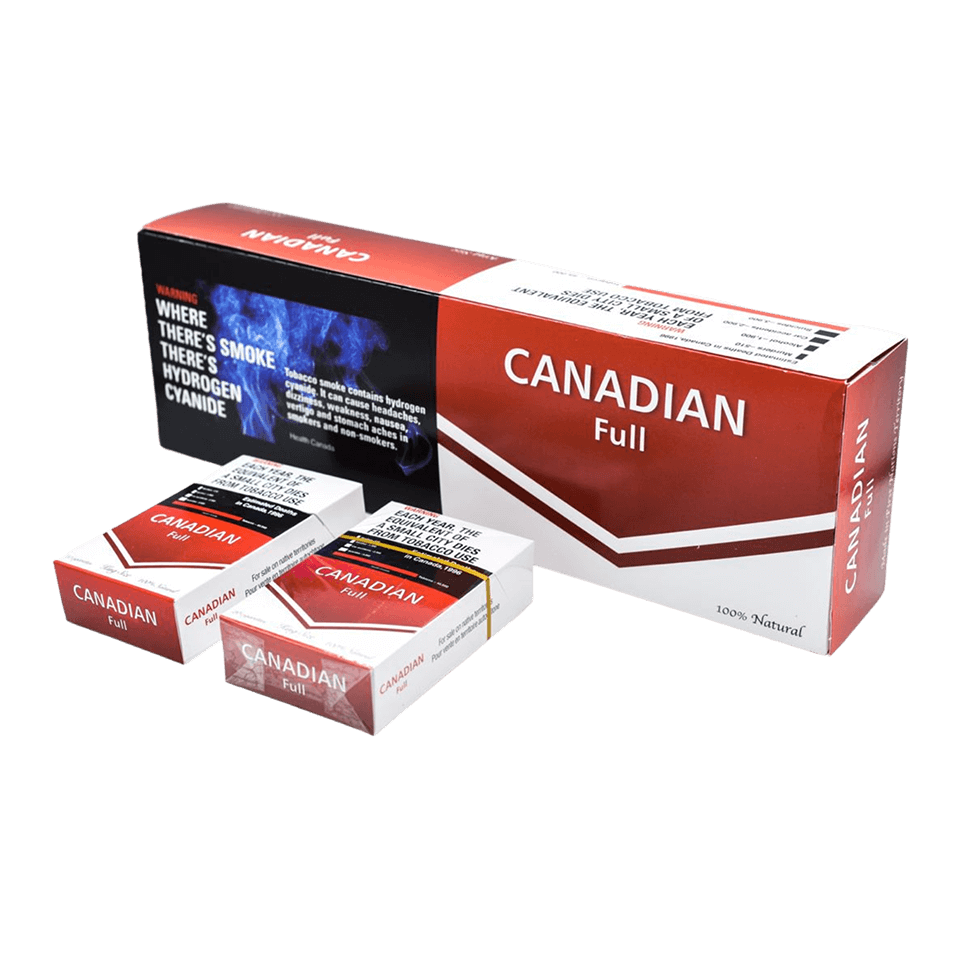

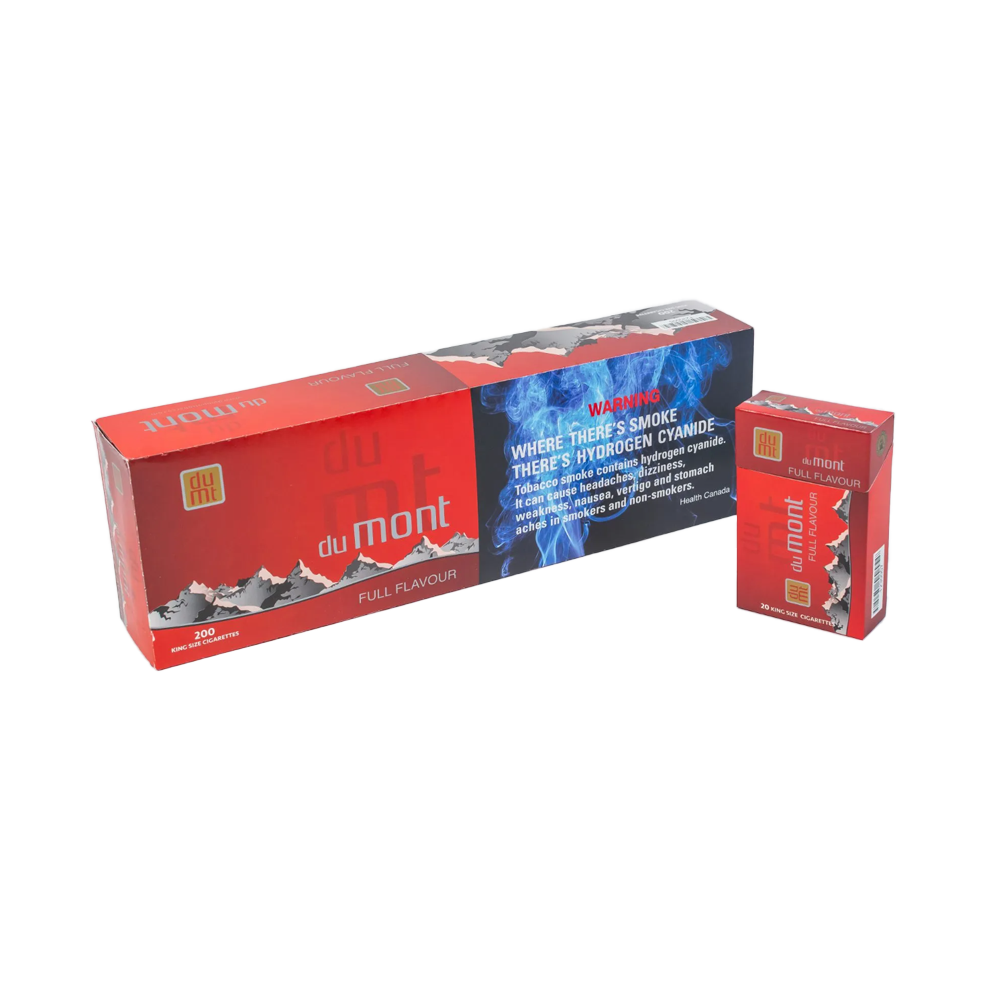
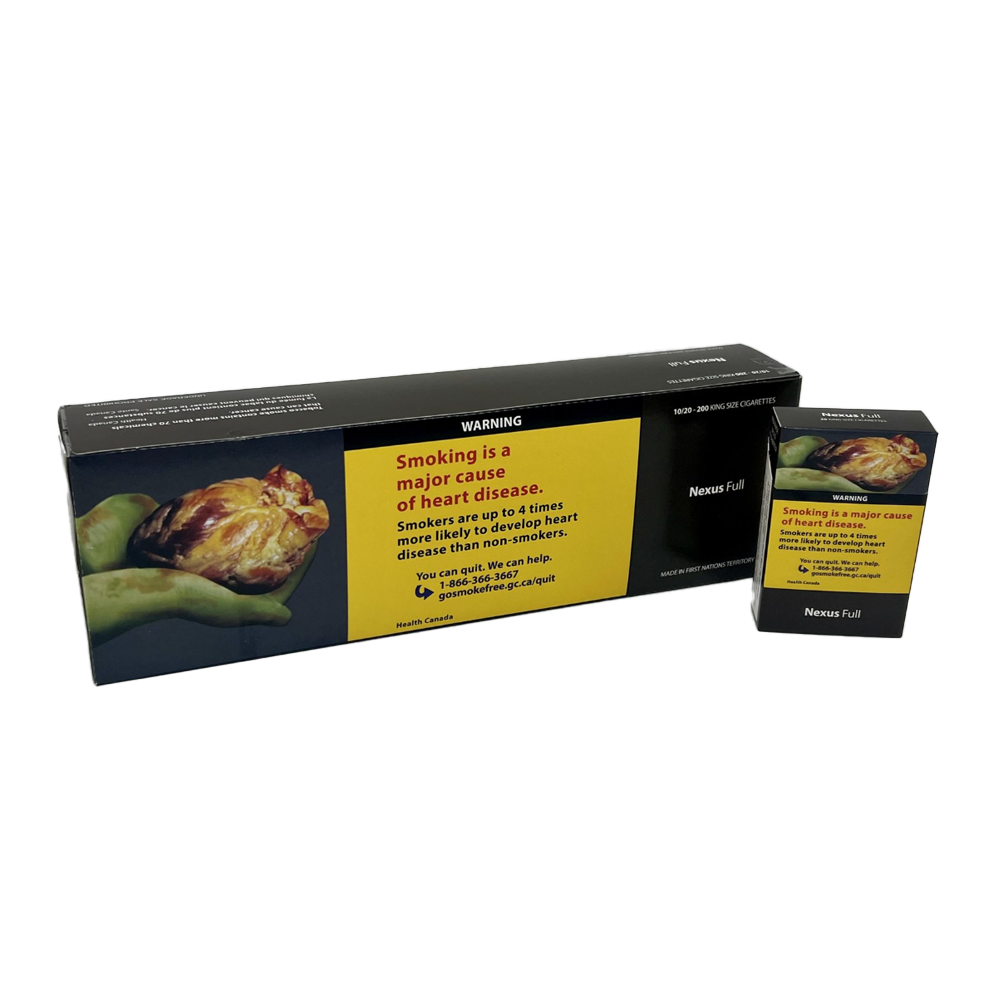
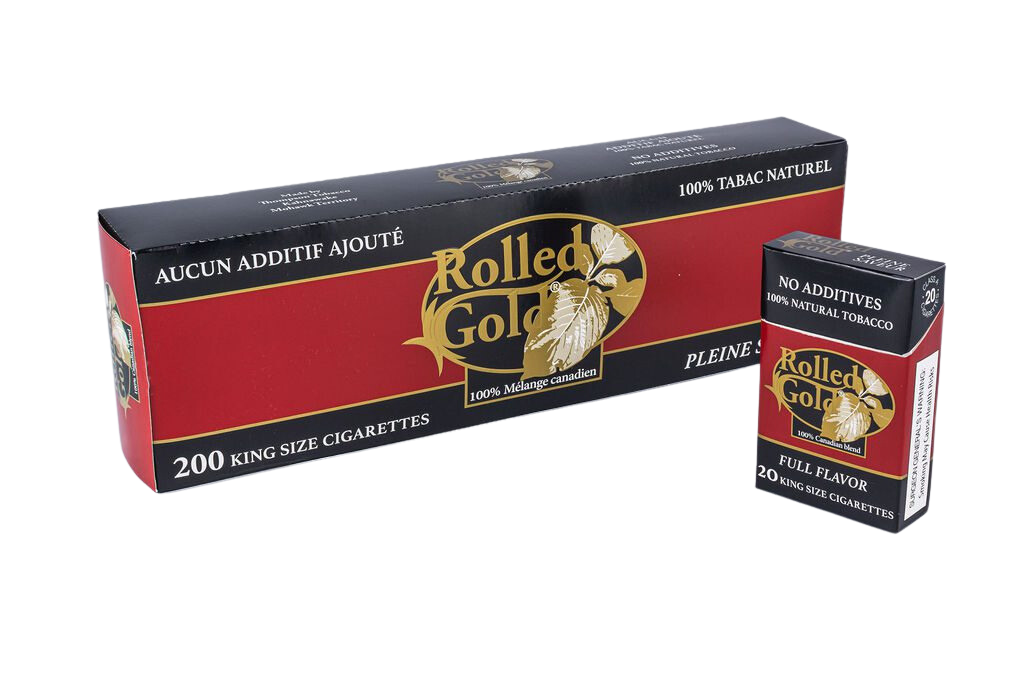
⭐ Excluded: BB light Manitoba, BB full Manitoba, Chanel Blueberry, Chanel ice. See all 29+ native brands at Cigstore.ca.
🚚 Delivery Across Canada – $29 Flat Rate
We ship to every province and territory using Canada Post, Purolator, FedEx, and UPS. Orders over $290 qualify for FREE shipping. Age verification (19+) required upon delivery.
📦 Same-day dispatch for orders before 2 PM EST. Tracking provided within 24 hours.
📚 You Might Also Enjoy These Articles
How Smoking Affects Your Skin, Hair, and Nails
The visible effects of tobacco on your body.
Smoking and Dental Health
Stains, gum disease, and implants.
Smoking and Testosterone
Effects on men’s health and performance.
Smoking During Pregnancy
Risks to fetus and newborn.
Why Smokers Smoke More in Winter
Seasonal patterns and coping strategies.