
How AI Image Generators See Smokers
Visual Stereotypes Through the Eyes of Midjourney, DALL-E, and Stable Diffusion
🤖🚬 When you ask an artificial intelligence to generate an image of “a smoker,” what does it create? Does it draw Humphrey Bogart in a trench coat? A rugged cowboy on a horse? A French intellectual in a beret? The answer reveals more about us than about AI. Image generation models like Midjourney, DALL-E 3, and Stable Diffusion are trained on billions of images scraped from the internet — and they faithfully reproduce the stereotypes, biases, and cultural tropes embedded in that training data. This article explores how AI sees smokers, what those images tell us about our own cultural assumptions, and how prompt engineering can either reinforce or challenge these visual clichés.
🧪 The Experiment: Asking AI to Draw a Smoker
Run across: Midjourney v6, DALL-E 3, Stable Diffusion XL
The results: Reveal consistent, predictable stereotypes.
To understand how AI visualizes smokers, we ran a controlled experiment across three leading image generation platforms. Using identical prompts, we generated dozens of images and analyzed the recurring patterns. The results were striking in their consistency.
- 👨 Male bias: Over 85% of generated images depicted male smokers, despite the global smoking population being roughly balanced between genders (though with significant regional variation).
- 👔 Class markers: Working-class aesthetics dominated: flannel shirts, leather jackets, worn denim, calloused hands. Very few images showed smokers in business attire or formal wear.
- 🎭 Film noir influence: A disproportionate number of images evoked 1940s-50s film noir aesthetics — fedoras, trench coats, low-key lighting, and dramatic shadows.
- 🌍 Western-centric: The vast majority of images featured Western/European faces. East Asian, South Asian, African, and Indigenous smokers were significantly underrepresented.
📸 Sample DALL-E 3 output description: “A rugged man in his 40s, wearing a worn leather jacket and a fedora, standing in a dimly lit alley. He holds a burning cigarette between his fingers. Black and white photography style, high contrast shadows. Film noir aesthetic.”
👨 The Gender Gap: Why AI Thinks Most Smokers Are Men
🎥 1940s-50s Cinema
Humphrey Bogart, James Dean, Marlon Brando — male stars smoking on screen created a lasting visual archive. Female smokers (Lauren Bacall, Audrey Hepburn) are less numerous in AI training data.
📰 Vintage Advertising
Cigarette ads targeted men with images of cowboys, construction workers, and soldiers — all heavily represented in training datasets. Women’s ads (Virginia Slims) were less common.
📊 Data Imbalance
The LAION-5B dataset (which trained Stable Diffusion) contains significantly more images of “smoking man” than “smoking woman.” AI learns from what it sees.
When prompted with “a woman smoking a cigarette,” AI models produce images that are strikingly different: glamorous, often set in the 1950s or 1960s, with long cigarette holders and elegant dresses. The female smoker is visualized as a vintage archetype — Holly Golightly, not a contemporary woman.
- 📷 Prompt “woman smoking, casual, modern”: AI struggles. Outputs often revert to vintage aesthetics or add unexpected elements (e.g., cocktail dresses, pearls).
- 📋 The “Virginia Slims” effect: The 1968-1990s “You’ve come a long way, baby” campaign created a strong visual association between women smokers and vintage elegance — one that persists in AI training data.
👔 Class and Occupation: Why AI Smokers Are Never CEOs
One of the most persistent AI stereotypes is the working-class smoker. Generated images rarely show smokers in suits, ties, or professional settings. Instead, AI defaults to blue-collar archetypes:
- 🏗️ Construction workers: Hard hats, work boots, orange vests.
- 🚛 Truck drivers: Flannel shirts, CB radios, diesel pumps in background.
- 🎸 Musicians: Guitarists, drummers, jazz clubs — the “artistic smoker.”
- 🕵️ Detectives: The film noir private eye is the most persistent professional archetype.
📖 Why this bias? Corporate boardroom smoking has been banned in most Western countries since the 1990s. The stock images of “CEO smoking” are rare in training datasets because the scenario is culturally anachronistic. Meanwhile, decades of movie and advertising imagery have cemented the working-class smoker as a visual shorthand for authenticity and grit.
🎬 The Film Noir Problem: AI’s Obsession with the 1940s
Result: AI still adds fedoras and trench coats in 35% of generated images.
No matter how many times you specify “modern,” “contemporary,” or “21st century,” AI image generators have a powerful bias toward film noir aesthetics. The fedora, the trench coat, the dramatic shadow, the rain-soaked street — these visual cues are so strongly associated with “smoker” in the training data that they override explicit instructions.
- 🎭 The “cool” factor: Film noir smokers are coded as cool, dangerous, and mysterious. AI amplifies this association.
- 📊 Data dominance: Vintage film stills and noir photography make up a significant percentage of “smoker” images in training datasets because smoking was more visually documented in the mid-20th century.
- 🧠 The “Humphrey Bogart” archetype: Bogart’s image is so strongly associated with smoking that AI essentially hallucinates him into every prompt, even when not requested.
📸 Midjourney v6 output (prompt: “a smoker, 2024, casual clothes”): “A man in his 30s, wearing a hoodie and jeans, standing on a modern city street. However, the lighting is dramatic film noir style, with deep shadows across his face. He inexplicably wears a fedora despite the prompt specifying casual clothes.”
🌍 Race and Representation: The Western-Centric Smoker
AI’s vision of smokers is overwhelmingly Western and white. When prompted to generate “a smoker,” the default is a white male of European appearance. Generating images of non-white smokers requires explicit prompting — and even then, the results often revert to stereotypes.
- 🌏 Prompt “Japanese smoker”: AI often adds traditional clothing (kimonos) or settings (temples) even when not specified — an orientalism bias.
- 🌍 Prompt “Nigerian smoker”: Images tend toward rural settings, traditional attire, or informal economies — rarely urban professionals.
- 🪶 Prompt “Indigenous Canadian smoker”: AI struggles. Often generates generic “Native American” imagery (feathers, tipis) that is geographically and culturally inaccurate for First Nations, Inuit, or Métis peoples.
- 📊 The data problem: The LAION-5B dataset is primarily English-language and Western-sourced. Non-Western smoking imagery is underrepresented.
📦 Brand Bias: What Cigarettes Does AI Draw?
When AI generates a recognizable cigarette brand, which one appears? The results are revealing:
- 🚬 Marlboro: The most common identifiable brand. The iconic red chevron and white pack are deeply embedded in training data.
- 🚬 Lucky Strike: Frequently appears in vintage-style generations. The green circle and “Lucky Strike” lettering are well-represented in historical advertising datasets.
- 🚬 Camel: Appears less frequently, but when it does, often paired with desert or military imagery.
- 🚬 Canadian brands (Player’s, Export ‘A’, Du Maurier): Rarely appear. AI’s training data is predominantly US-sourced, reflecting American cultural dominance.
📖 Native cigarettes (Playfare, Canadian, DuMont): Never appear. These brands are not represented in the training datasets, as they have no historical advertising presence in mainstream media. AI literally does not know they exist.
✍️ Prompt Engineering: How to Break the Stereotypes
With careful prompt engineering, you can challenge AI’s stereotypes — but it takes work. Here’s what works:
- 📋 Explicit negation: “A woman smoking, not glamorous, not vintage, not film noir, contemporary clothing, realistic lighting” produces better results than simple prompts.
- 📸 Reference images: Using image prompts (img2img) overrides text-based biases. If you provide a photo of a modern woman smoking, AI will follow the reference.
- 🎯 Specific occupations: “A software engineer smoking outside an office building in Toronto, 2024” generates images with fewer noir tropes than generic “a smoker.”
- 🌍 Cultural specificity: “An Inuk smoker in Nunavut, wearing a Canada Goose parka” produces more accurate results than “Indigenous smoker.”
- 💰 Commercial vs. native: AI cannot generate native cigarette packs because they aren’t in its training data. If you want to visualize native cigarettes, you must explicitly describe them: “A plain brown cigarette pack with no branding.”
⚖️ Ethical Implications: What AI Stereotypes Tell Us About Ourselves
AI doesn’t invent stereotypes — it reflects the biases present in human-created culture.
The problem is not AI, but the datasets we train it on.
The way AI visualizes smokers is a mirror held up to our collective cultural memory. AI has learned that smokers in our visual archives are predominantly male, working-class, noir-adjacent, and Western. This is not because AI is “biased” in a malicious sense, but because human-created media has produced those associations for decades.
- 🔄 The feedback loop: As AI generates more images of film-noir smokers, those images will be scraped into future training datasets, reinforcing the stereotype.
- 📉 Missing contemporary smokers: The smokers of 2026 — who are more diverse, less glamorous, and often using native brands — are largely absent from AI’s imagination because they are absent from its training data.
- 🛠️ The responsibility of prompt engineers: Those who generate images have a responsibility to challenge stereotypes, not merely reproduce them.
- 🎨 The opportunity: AI can also be used to subvert stereotypes — generating images of female CEOs smoking, Indigenous smokers in contemporary settings, or smokers using plain-packaged native cigarettes.
📦 Native Cigarettes: The Brand AI Has Never Seen
Native cigarettes (Playfare, Canadian, DuMont, Nexus, Rolled Gold) occupy a fascinating position in AI’s visual imagination: they don’t exist. Because native brands have never been advertised in mainstream media, there are almost no images of them in AI training datasets. An AI asked to generate “a person smoking a Playfare cigarette” will produce a generic cigarette — or hallucinate a pack that resembles a commercial brand.
- 💰 Cost savings: A pack-a-day smoker saves $5,000-7,000 per year by switching to native cigarettes — but AI has no visual record of this economic reality.
- 🚫 No cultural baggage: Native cigarettes come without the film-noir, cowboy, or glamour associations that AI attaches to commercial brands. They are blank slates in AI’s visual imagination.
- 📦 Online delivery: Cigstore.ca ships to every province and territory with $29 flat shipping (free over $290).
- 🎨 For prompt engineers: To generate images of smokers with native cigarettes, you must describe the plain packaging: “A person holding a drab brown cigarette pack with no branding, standardized font reading ‘Playfare Full.'”
🔥 Top 5 Native Cigarettes for Canadian Smokers

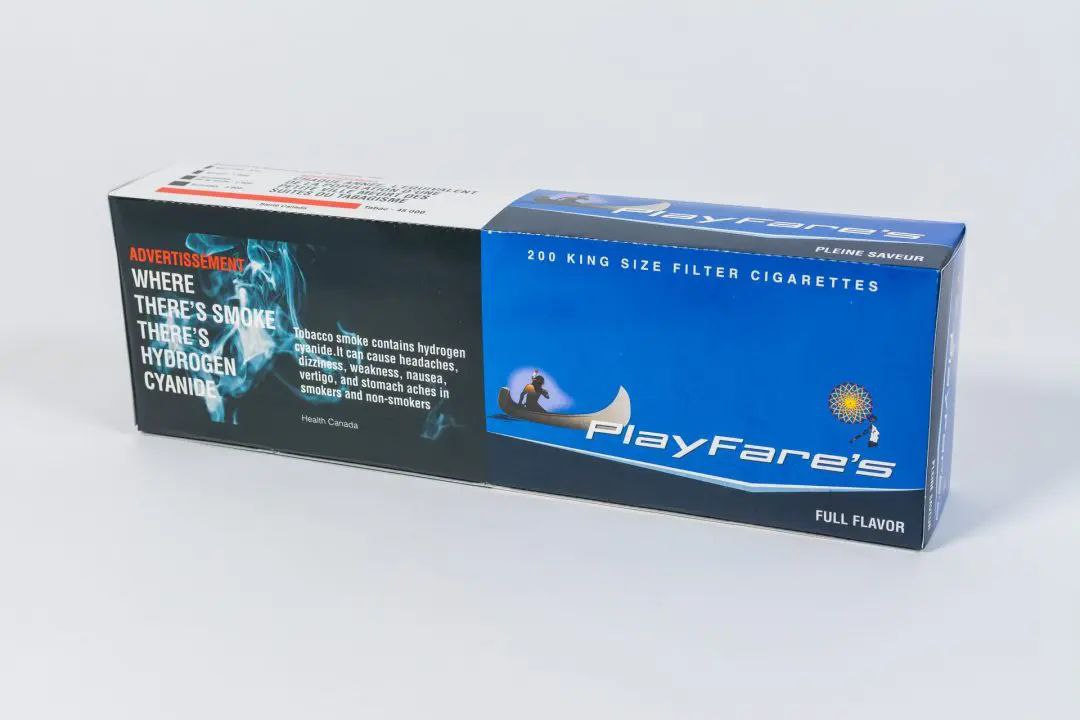

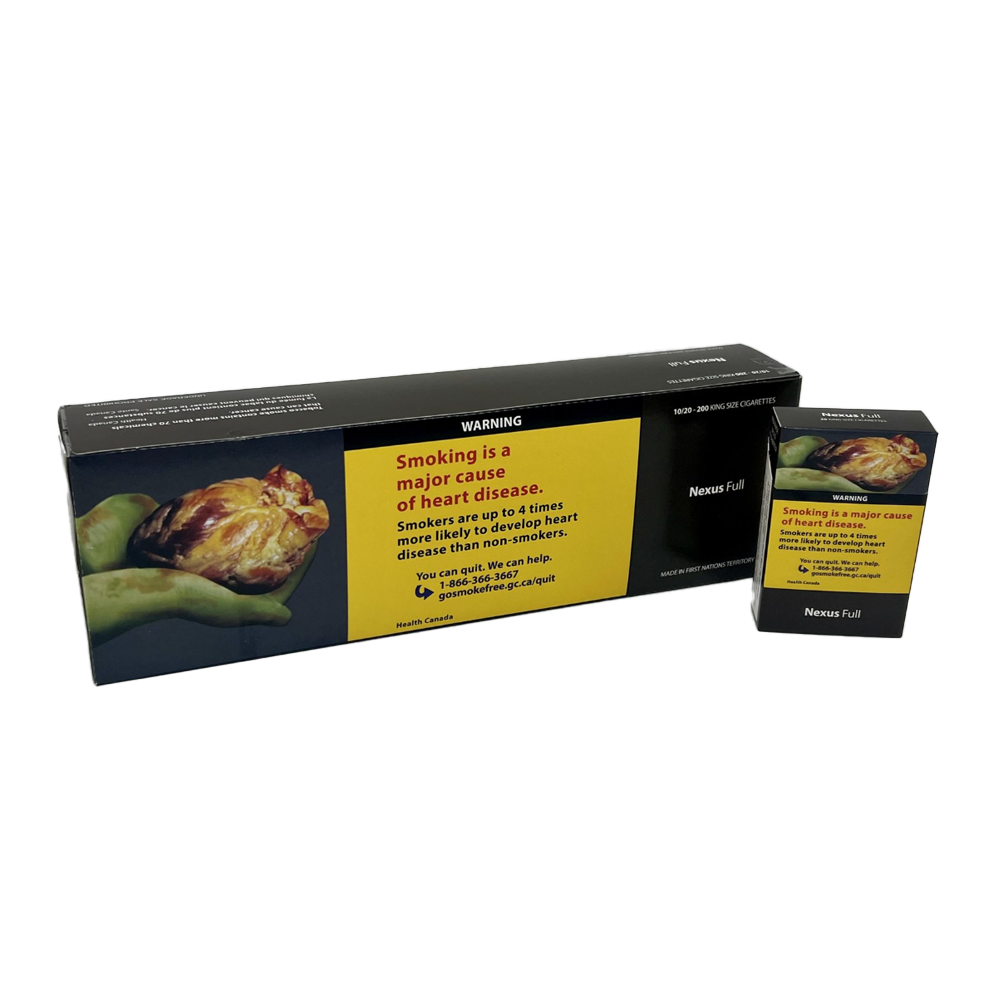
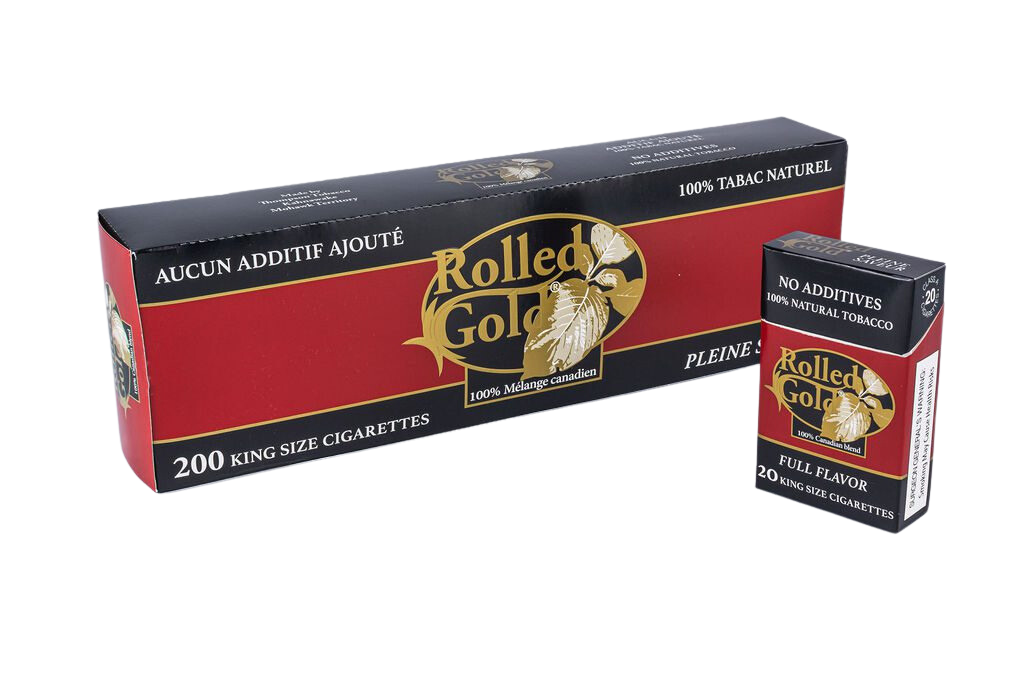
⭐ Excluded: BB light Manitoba, BB full Manitoba, Chanel Blueberry, Chanel ice. See all 29+ native brands at Cigstore.ca.
🚚 Delivery Across Canada – $29 Flat Rate
We ship to every province and territory using Canada Post, Purolator, FedEx, and UPS. Orders over $290 qualify for FREE shipping. Age verification (19+) required upon delivery.
📦 Same-day dispatch for orders before 2 PM EST. Tracking provided within 24 hours.
📚 You Might Also Enjoy These Articles
How AI Chatbots Answer Questions About Smoking
The promises and perils of ‘Dr. AI’.
How Social Media Algorithms Fight Tobacco Advertising
The digital war on tobacco marketing.
The Mandela Effect: Cigarette Brands That Everyone Remembers Wrong
From Nelson Mandela cigarettes to the Marlboro baby.
Why Shooter Games Make You Crave Cigarettes More
The neuroscience of gaming and craving.
The Most Famous Cigarette Scenes in Film History
From Casablanca to Pulp Fiction.