
When Was Smoking Allowed on Airplanes?
From Cockpit Ashtrays to the Final Ban – A Turbulent History of In-Flight Smoking
✈️🚬 Imagine lighting a cigarette at 30,000 feet — with the captain’s permission. For decades, smoking on airplanes was not only allowed but encouraged. Airlines handed out complimentary packs, ashtrays were built into every armrest, and even the cockpit was a haze of blue smoke. This article traces the full history: from the golden age of in-flight smoking to the final blanket bans in Canada and worldwide.
In the early days of commercial aviation, smoking was seen as a luxury, not a hazard. Airlines actually gave away branded cigarette packs as part of their in-flight service. Ashtrays were everywhere: on seat armrests, in lavatories, and even in the cockpit. There were no restrictions — you could smoke during takeoff, landing, or while the “FASTEN SEATBELT” sign was on.
- 🎁 Complimentary cigarettes: Airlines like TWA, Pan Am, and Air Canada handed out free packs (often Marlboro, Du Maurier, or Player’s).
- 👨✈️ Cockpit chain-smoking: Pilots and co-pilots regularly smoked during flights — ashtrays were standard on instrument panels.
- 💺 No “non-smoking sections”: Entire planes were smoking-allowed. The first “non-smoking rows” appeared only in the early 1970s.
- 🎬 Glamorized in pop culture: Movies and ads showed elegant passengers with cigarettes in dimly lit cabins.
“After your meal, enjoy a fine Canadian cigarette — complimentary Player’s or Export ‘A’ available from your flight attendant.”
(No mention of health risks, of course.)
The 1970s marked the first pushback. In 1973, the US Civil Aeronautics Board required airlines to create separate non-smoking sections. Canada followed quickly. But these sections were a joke: a thin curtain separated smokers from non-smokers, and the air circulated throughout the entire cabin. Flight attendants suffered the most — studies showed they had higher rates of lung cancer.
- 🚬 1979: First Canadian short-haul ban? Some domestic flights under 1 hour began restricting smoking, but enforcement was lax.
- ⚖️ 1987: WHO report on cabin air quality confirmed that secondhand smoke on planes was a serious occupational hazard for crew.
- 🛩️ Ashtrays remained mandatory — even in non-smoking sections, because airlines feared someone would light up anyway.
- 🇨🇦 Air Canada vs. Canadian Airlines: Both offered “smoking rows” at the back, but flight attendants often protested.
“Good afternoon, ladies and gentlemen. Smoking is permitted only in the last six rows on the left side. Please refrain from smoking when the ‘No Smoking’ sign is illuminated.”
(The sign was on for most of the flight, but passengers ignored it.)
📊 Evolution of In-Flight Smoking Rules (Canada & Global)
| Period | Where you could smoke | Airline-provided cigarettes? | Flight attendant protection? |
|---|---|---|---|
| 1920s–1960s | Anywhere (cockpit, seats, lavatory, galley) | ✅ Yes, free packs | ❌ None |
| 1973–1985 | Designated smoking rows (usually rear) | 🟡 Some airlines still offered | ❌ Minimal (thin curtains) |
| 1987–1990 | Banned on flights under 2 hours (Canada) | ❌ No more free packs | ⚠️ Still exposed to recirculated smoke |
| 1990–1994 | Banned on all domestic Canadian flights | ❌ Completely stopped | ✅ Finally protected by law |
| 2000–present | Zero smoking (global ban on most airlines) | Never | ✅ Clean cabin air |
Canada was a global pioneer. In 1990, the Canadian government passed legislation banning smoking on all domestic flights, regardless of duration. This was years ahead of the United States (2000) and most of Europe. The ban was driven by:
- 👩✈️ Union pressure from flight attendants – studies showed 50% higher cancer rates among cabin crew who worked the 1970s–80s.
- 📉 Public health evidence – recirculated cabin air meant non-smokers inhaled as much smoke as smokers.
- 🌍 International leadership – Canada was the first country to ban smoking on domestic flights outright (Australia followed in 1991, USA in 2000).
International flights remained smoking-allowed for a few more years. On international routes, smoking was banned by most airlines by 2000, when ICAO (International Civil Aviation Organization) recommended a global ban. Today, anyone caught smoking on a commercial flight faces hefty fines (up to $5,000 in Canada) and could be banned from the airline.
👨✈️ What About the Cockpit? Pilots Smoked Until…
Surprisingly, cockpit smoking was allowed long after passenger cabin bans. Many pilots argued that smoking helped them stay alert during long-haul flights. Ashtrays remained on the instrument panels of many Boeing and Airbus aircraft until the early 2000s. The final nail:
- 1998: FAA banned cockpit smoking on US airlines. Transport Canada followed in 1999.
- 2002: Last ashtrays removed from newly manufactured planes (though older planes kept them for years — but using them was illegal).
- Fun fact: Even today, ashtrays are required on airplane lavatory doors by FAA/Transport Canada regulations — because if someone does smoke illegally, there must be a safe place to extinguish it.
🔥 Top 5 Popular Products for Canadian Smokers
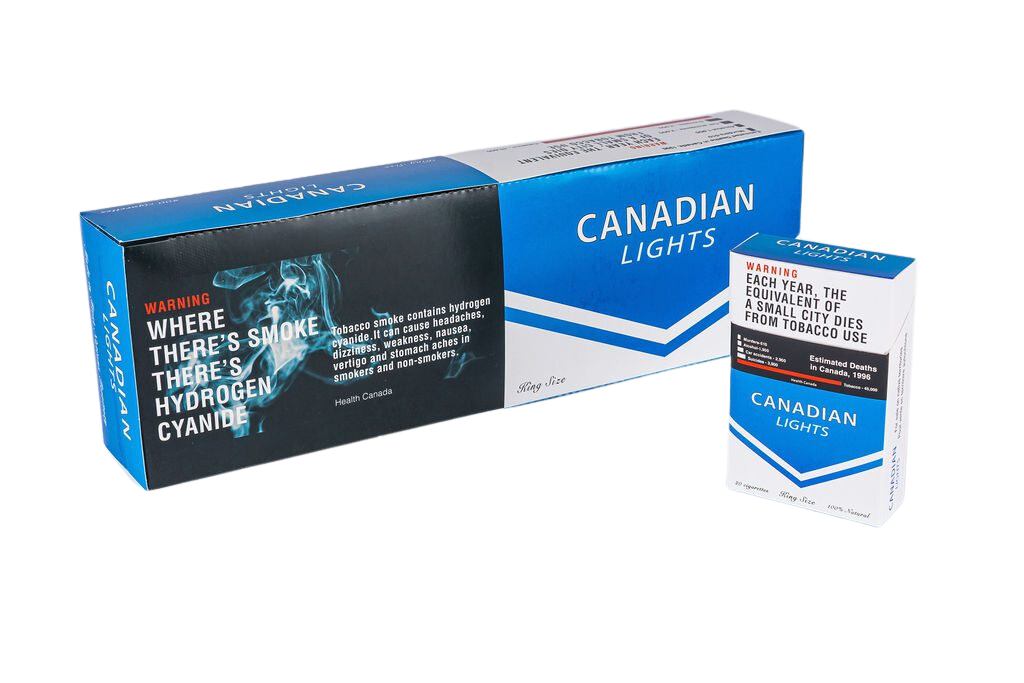
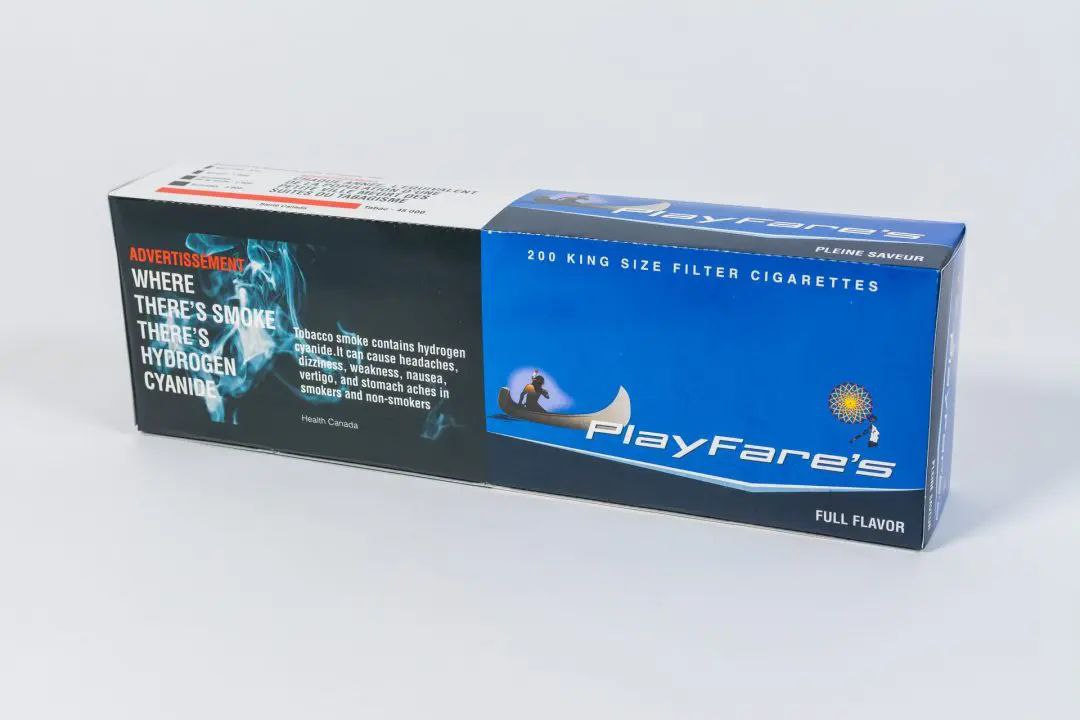
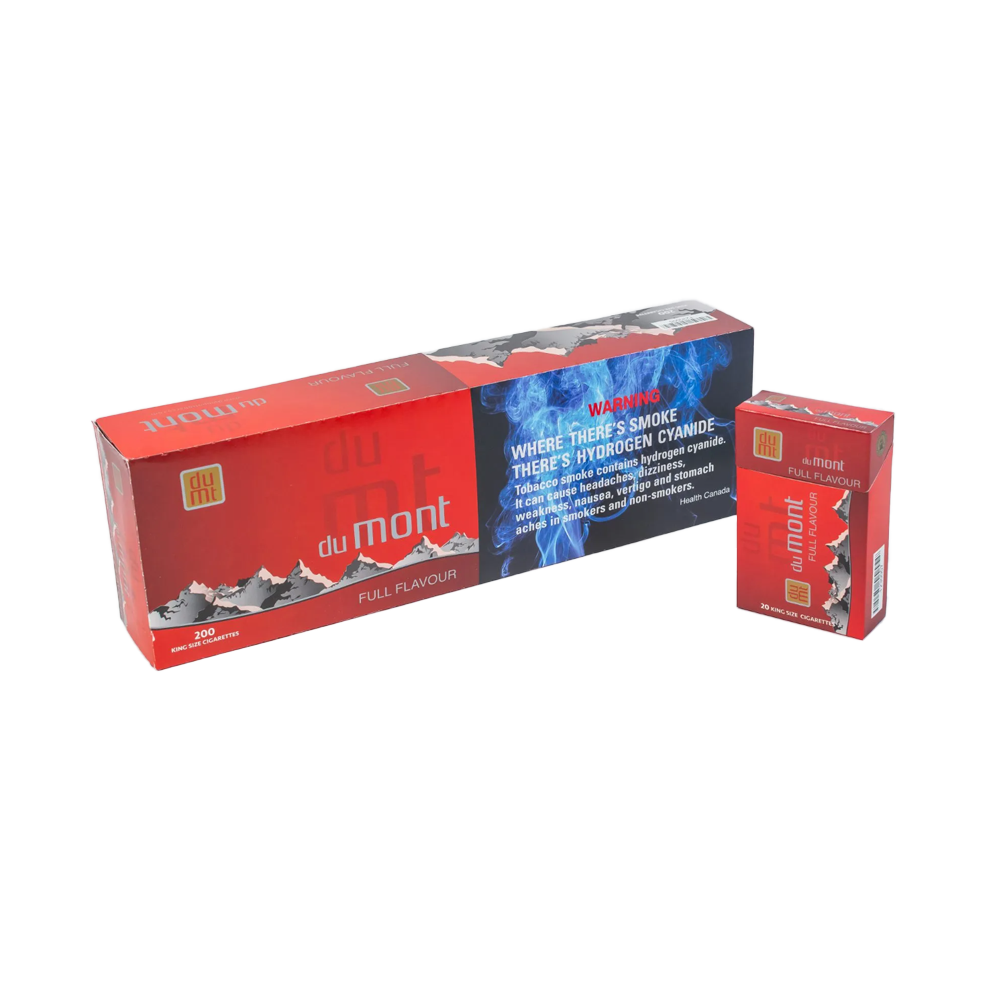
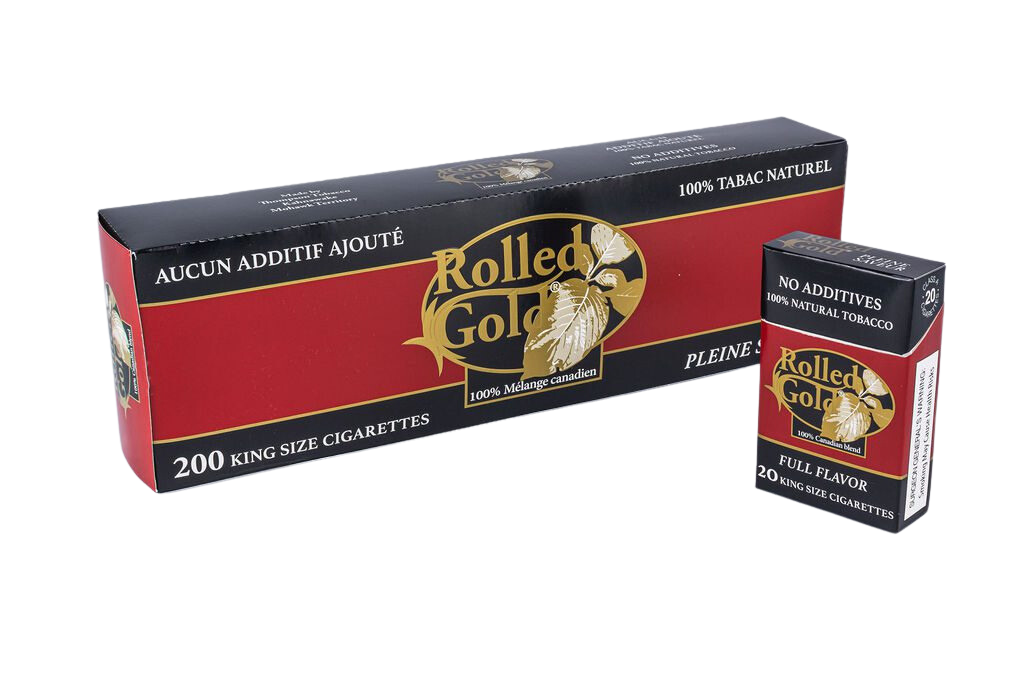
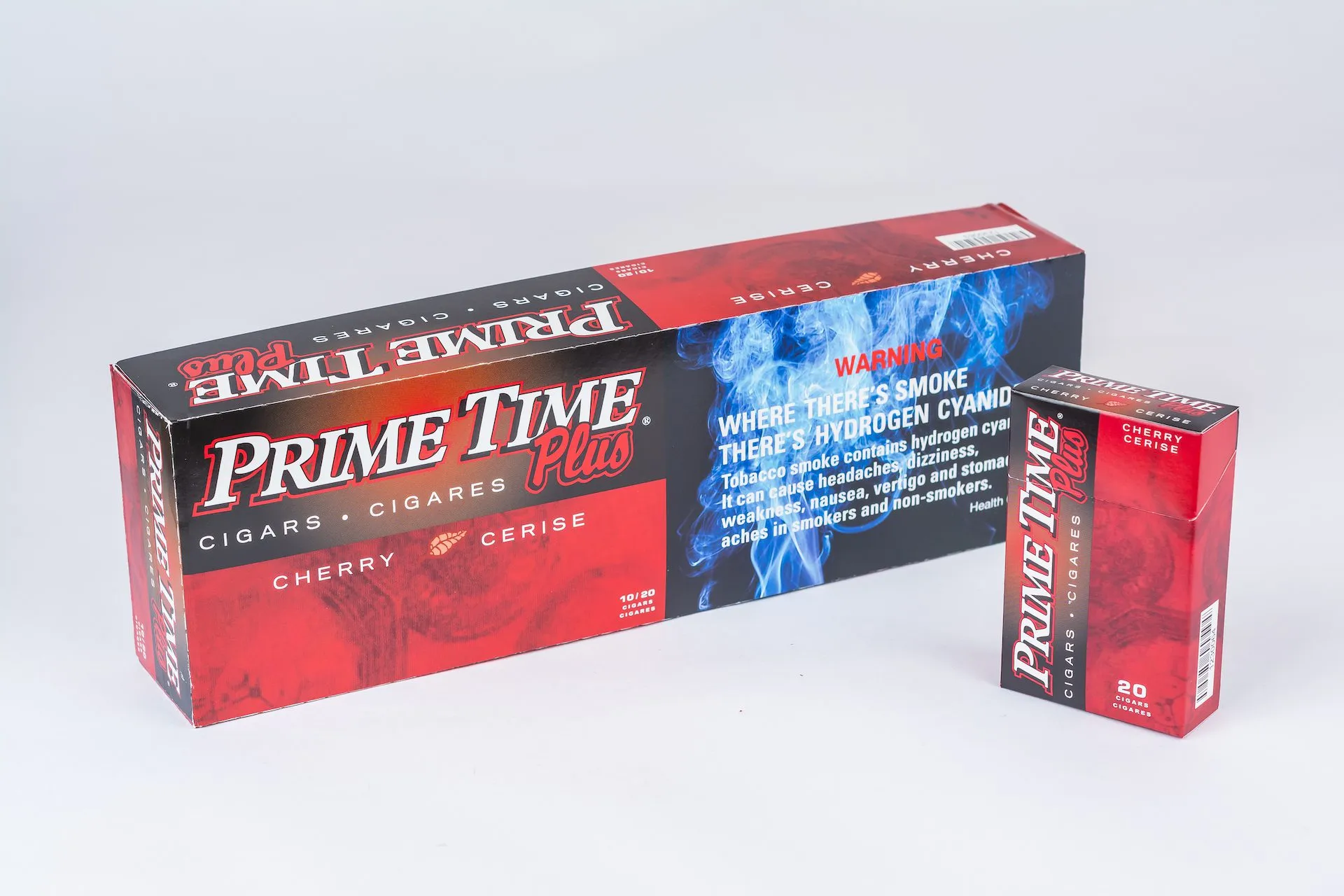
⭐ Excluded: BB light Manitoba, BB full Manitoba, Chanel Blueberry, Chanel ice. See all 29+ native brands at Cigstore.ca.
🚚 Delivery Across Canada – $29 Flat Rate
We ship to every province and territory using Canada Post, Purolator, FedEx, and UPS. Orders over $290 qualify for FREE shipping. Age verification (19+) required upon delivery — no exceptions.
📦 Same-day dispatch for orders before 2 PM EST. Tracking provided within 24 hours.
📚 You Might Also Enjoy These Articles
History of Smoking in Canada
From 1950s magazine ads to plain packaging today.
5 Iconic Ads Banned Today
Campaigns that would never survive modern laws.
1994 Tax Cut Story
How native cigarettes became affordable.
Why Cigarettes Are Expensive
Complete federal & provincial tax breakdown.
Forgotten Canadian Brands
Craven ‘A’, Sweet Caporal, Rothmans – lost classics.