
Why Sitcoms in the ’90s Rarely Showed Smoking
(While ’70s Shows Were Filled With Smoke)
The Cultural and Regulatory Shift That Cleared the Air on Television
📺🚬 Watch an episode of All in the Family from 1971, and you’ll see Archie Bunker with a cigar in his hand, smoke filling the Bunker living room. Tune into Friends from 1994, and you’ll search in vain for a single cigarette. The contrast is striking — and it tells a story about how television changed over two decades. In the 1970s, smoking was everywhere on TV: doctors smoked, heroes smoked, even lovable dad characters smoked. By the 1990s, smoking had nearly disappeared from sitcoms, appearing only as a punchline or a “very special episode” about a character trying cigarettes and learning a lesson. This article explores the dramatic cultural and regulatory shift: the 1971 ban on cigarette commercials, the 1964 Surgeon General’s report, changing social norms, and how sitcoms evolved from glamorizing smoking to using it as a shorthand for villainy or moral failure.
1950-1963: 4.52 smoking acts per hour on TV | 1971-1977: 0.70 | 1981-1982: 0.35 [citation:10]
A 92% decline in just two decades.
📺 The 1970s: When Television Ran on Tobacco
In the 1970s, smoking was woven into the fabric of television. Heroes smoked. Villains smoked. Doctors — the paragons of health — smoked on screen. A 1961 episode of Dr. Kildare showed both the title character and his mentor, Dr. Gillespie, lighting up [citation:4]. The message was clear: if it’s good enough for your doctor, it’s good enough for you.
- 🚬 Archie Bunker (All in the Family, 1971-1979): The iconic bigot was rarely seen without a cigar. Smoking was part of his blue-collar, “man’s man” persona [citation:8].
- 🚬 Hawkeye Pierce (M*A*S*H, 1972-1983): Set during the Korean War, characters smoked constantly — ashtrays were as common as surgical scalpels in the 4077th [citation:3].
- 🚬 Fred Flintstone (The Flintstones, 1960-1966): Even cartoon characters got in on the act. Fred was famously used to advertise Winston cigarettes (“Winston tastes good like a cigarette should”) before such ads were banned [citation:1].
- 🚬 Ralph Kramden (The Honeymooners, 1955-1956): Jackie Gleason’s character was often shown with a cigarette, reflecting the ubiquity of smoking in 1950s America.
📖 From a 1993 Associated Press analysis: “In the good old days, before TV was pushed into banning cigarette ads, there was a warm and cozy relationship between the TV and tobacco industries. Series stars such as Steve McQueen, Desi Arnaz and Lucille Ball gave smiling pitches for cigarette brands; even stone-age cartoon character Fred Flintstone hawked a label.” [citation:1]
🚫 The Turning Point: The 1971 Cigarette Commercial Ban
The landmark report linked smoking to lung cancer. Public awareness began to shift, but television was slow to respond [citation:4].
Cigarette advertising was banned from American television and radio. The “warm and cozy relationship” between TV networks and tobacco companies ended abruptly [citation:1].
After the ban, smoking acts per hour on dramatic television dropped from 4.52 (1950-1963) to 2.43 (1964-1970) to just 0.70 (1971-1977) [citation:10].
The 1971 ban was a seismic event. Overnight, tobacco companies lost their most powerful marketing channel. But the ban had an unintended consequence: it also made television producers more conscious of smoking imagery. Without the financial incentive to feature cigarettes, networks adopted voluntary guidelines calling for smoking only when “essential to the character being depicted” [citation:1]. Producers began to question: does this character really need to smoke?
😈 The 1980s: Smoking Becomes a Villain’s Trait
As public health awareness grew, television began to change how smoking was portrayed. Researchers Breed and De Foe observed a shift: between 1950 and 1963, ‘all kinds of adults—heroes and heroines as well as villains—were seen smoking.’ By the 1970s and 1980s, however, the typical smokers on television were villains or insecure characters [citation:10].
- J.R. Ewing (Dallas, 1978-1991): The iconic villain smoked — it signaled his ruthlessness and moral ambiguity.
- Alex Forrest (Fatal Attraction influence): The obsessive, dangerous woman smoking became a trope.
- Marge Simpson’s sisters (The Simpsons, 1989-present): Patty and Selma Bouvier are chain-smoking, cynical, and portrayed as deeply unglamorous [citation:1].
📖 From a 1993 AP analysis: “Smokers, generally, are subpar role models, such as Marge’s lowlife siblings in ‘The Simpsons’ or a snide newscaster puffing a ciggie off-camera on the sitcom ‘Home Free.'” [citation:1]
📊 1970s Sitcoms vs. 1990s Sitcoms: A Side-by-Side Comparison
| Aspect | 1970s Sitcoms | 1990s Sitcoms |
|---|---|---|
| Presence of smoking | Common — heroes, villains, everyday characters all smoked | Rare — usually only as a punchline or “very special episode” |
| Who smoked | Main characters, respected figures (even doctors) | Villains, pathetic characters, or guest stars |
| How smoking was treated | As normal, unremarkable behavior | As a character flaw, often mocked or criticized |
😂 The 1990s: Sitcoms Use Smoking for Laughs (and Lessons)
By the 1990s, smoking in sitcoms had become a rarity — and when it appeared, it was almost always accompanied by a negative message or a punchline at the smoker’s expense. As a 1993 Associated Press analysis noted, “In episode after episode, characters who puff are chastised, criticized and mocked” [citation:1].
- 🚬 Beverly Hills, 90210 (1990-2000): Brenda is “unmasked as a closet smoker and has to endure friends’ comments about how, like, YUCKY, cigarette breath smells. The peer pressure leads her to quit” [citation:1].
- 🚬 Seinfeld (1989-1998): In one episode, Kramer opens a “smoker’s lounge” in his apartment — the humor comes from how absurd and disgusting the concept is [citation:2]. In another, Elaine takes up smoking and becomes irritable and unlikeable. A careless Kramer torches a mountain cabin with a cigar [citation:1].
- 🚬 Cheers (1982-1993): Rebecca burns down the bar after tossing away a lighted cigarette — a cautionary tale about the dangers of smoking [citation:1].
- 🚬 Wings (1990-1997): A unhappy Helen lights a cigarette. Confronted, she says she’s “trying to kill herself” — smoking as a symbol of despair [citation:1].
📖 From a 1993 AP analysis: “Television, which kicked the cigarette advertising habit under duress more than two decades ago, is still blowing smoke at viewers. But the tobacco-stained series popping up on TV often include the dramatic equivalent of a surgeon general’s warning.” [citation:1]
🔄 The Exception: Evening Shade and Old Habits
Not every 1990s show got the memo. Evening Shade (1990-1994), starring Burt Reynolds, was a notable exception. Reynolds and Elizabeth Ashley were shown puffing cigars (him) and cigarettes (her) contentedly, without any anti-smoking punchline [citation:1].
- 🎭 Actor-driven smoking: According to co-executive producer Victor Fresco, “smoking has never been scripted, but introduced at the request of the actors themselves” [citation:1].
- 📉 The response: After complaints, Fresco vowed, “We are going to make an effort to curtail smoking” [citation:1].
- 📊 The lesson: Even in the 1990s, the cultural tide was turning against smoking on screen — exceptions were increasingly seen as embarrassing anachronisms.
☕ Why Friends Characters Never Smoked (And It Wasn’t an Accident)
Friends (1994-2004) was the defining sitcom of the 1990s. For ten seasons and 236 episodes, the six main characters were almost never seen smoking. Rachel, Monica, Phoebe, Ross, Chandler, and Joey — all living in smoke-free apartments, working in smoke-free environments, and never once lighting up. This was not a coincidence.
- 🎯 Targeted at youth: Friends was aimed at teenagers and young adults — the exact demographic that anti-smoking advocates were most concerned about.
- 📋 Network guidelines: By the mid-1990s, networks had internal policies discouraging smoking in shows with youth appeal.
- 🌍 International market considerations: Many countries had stricter rules about smoking on television, and Friends was a global phenomenon.
- 📊 The result: Central Perk, the iconic coffee shop where the characters spent most of their time, was proudly smoke-free — a reflection of the real-world smoking bans sweeping across American cities.
📖 Anticipating the next question: “But what about That ’70s Show?” That show, set in the 1970s, used marijuana (not cigarettes) as a running gag — and it was a period piece, not a reflection of 1990s norms [citation:6].
💨 The Brief Cigar Trend of the 1990s
In the mid-1990s, a strange cultural phenomenon emerged: the cigar craze. For a brief period, celebrities and even sitcom characters were shown smoking cigars as a sign of sophistication or trendiness [citation:7].
- 📺 On Friends: In one episode, the characters smoke cigars — but it’s played for laughs, not as glamorization.
- 📺 On Suddenly Susan and Seinfeld: Women smoking cigars was briefly trendy enough to appear on multiple NBC sitcoms in the same week [citation:7].
- 📉 The crash: The trend was short-lived. By the late 1990s, cigar smoking had faded from sitcoms, remembered as a strange blip in television history.
- ⚠️ Public health response: Anti-smoking groups quickly criticized the trend, and networks moved to shut it down.
📜 What Caused the Shift? A Summary
Without the financial incentive to feature cigarettes, networks adopted voluntary restrictions [citation:1].
Growing public awareness of smoking’s health risks made glamorization increasingly controversial [citation:4].
Groups like Action on Smoking and Health (ASH) and Smokefree Educational Services pressured networks to reduce smoking imagery [citation:1].
As real-world smoking rates dropped (from ~40% in 1970 to ~25% in 1990), television reflected the new reality [citation:1].
Once smoking became associated with villains and insecure characters, heroes could no longer smoke [citation:10].
📺 The Simpsons: The Exception That Proves the Rule
The Simpsons (1989-present) is the rare sitcom that continued to feature smoking regularly — but notice who smokes: Patty and Selma Bouvier, Marge’s chain-smoking, frumpy, unhappy sisters. They are not glamorous. They are not aspirational. They are portrayed as pathetic, addicted, and socially awkward [citation:1].
- 📋 The message: When smoking appears on The Simpsons, it is never “cool.” It is a character flaw.
- 🎭 Dr. Hibbert’s anti-smoking stance: The show’s doctor character frequently lectures about the dangers of smoking.
- 📊 The evidence: As one 1993 analysis noted, “Marge’s lowlife siblings” are exactly the kind of characters who smoke on 1990s television — and they are “subpar role models” [citation:1].
📦 Native Cigarettes Today: A Note for Adult Smokers
While television has moved on from smoking, many Canadians still smoke. Native cigarettes (Playfare, Canadian, DuMont) have become the affordable choice for price-conscious adult smokers. A carton costs $35-50, compared to $140-180 for commercial brands — a savings of 70-80%.
- 💰 Cost savings: A pack-a-day smoker saves $5,000-7,000 per year by switching to native cigarettes.
- 🚫 Not “healthier”: Native cigarettes contain the same nicotine, tar, and carcinogens as commercial brands. The only difference is price and packaging.
- 📦 Online delivery: Cigstore.ca ships to every province and territory with $29 flat shipping (free over $290).
- 📉 If you want to quit: Free resources are available: Smokers’ Helpline (1-877-513-5333).
🔥 Top 5 Native Cigarettes for Canadian Smokers




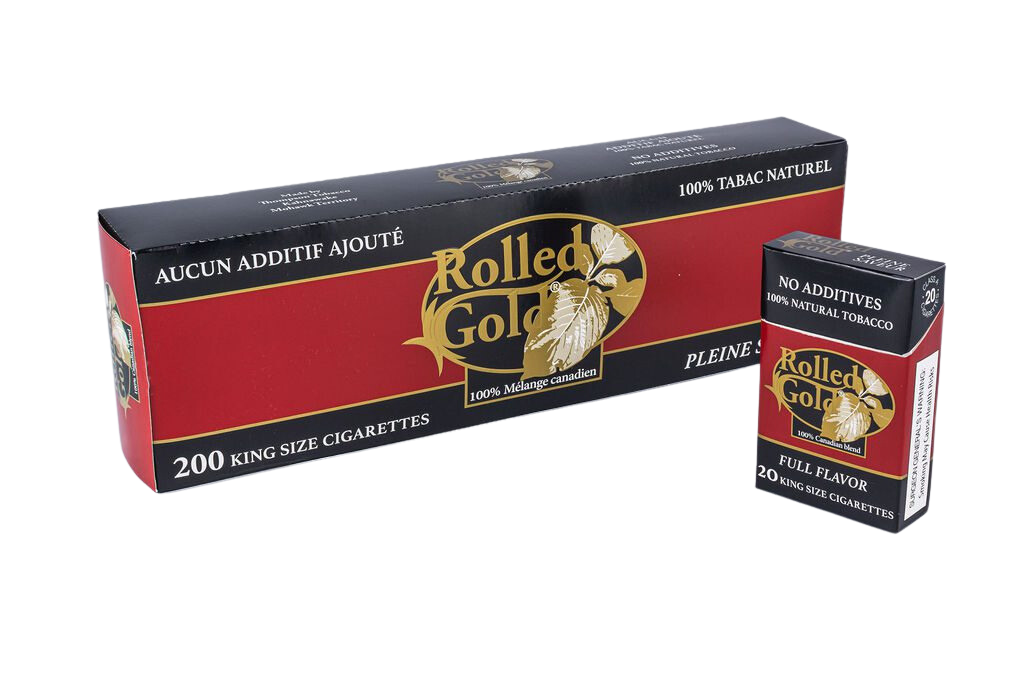
⭐ Excluded: BB light Manitoba, BB full Manitoba, Chanel Blueberry, Chanel ice. See all 29+ native brands at Cigstore.ca.
🚚 Delivery Across Canada – $29 Flat Rate
We ship to every province and territory using Canada Post, Purolator, FedEx, and UPS. Orders over $290 qualify for FREE shipping. Age verification (19+) required upon delivery.
📦 Same-day dispatch for orders before 2 PM EST. Tracking provided within 24 hours.
📚 You Might Also Enjoy These Articles
Why Modern Movie Characters Rarely Smoke
The MPAA rating shift that changed Hollywood.
The Most Famous Smoking Characters in Film and TV History
From Bogart to Don Draper.
Smoking in Canadian Movies
From cool to condemned — the on-screen journey of tobacco.
Most Famous Canadian Cigarette Slogans
From “More doctors smoke Camels” to plain packaging.
History of Smoking in Canada
From 1950s magazine ads to plain packaging today.