
How to Break the Vicious Cycle of ‘Morning Cigarette → Coffee → Bathroom’
Behavioral Therapy Strategies to Disrupt Conditioned Cues and Build New Habits
☕🚬 For millions of smokers, the morning ritual is non-negotiable: wake up, make coffee, light a cigarette, head to the bathroom. This three-part sequence — coffee, cigarette, bowel movement — is one of the most powerful conditioned cycles in addiction. The brain has wired these activities together so tightly that performing one triggers craving for the others. Breaking this cycle is essential for quitting smoking, but standard advice (“just stop smoking”) ignores the deep behavioral conditioning. This article provides evidence-based behavioral therapy techniques specifically designed to disrupt the coffee-cigarette-bathroom loop.
🧠 The Neuroscience of the Morning Ritual
Overnight nicotine withdrawal → Morning cigarette provides strongest dopamine hit of the day
Coffee and nicotine synergize to stimulate bowel motility → Reinforced cycle
Conditioned cues (smell of coffee, sight of cigarette pack) trigger craving before conscious thought
The morning cigarette is the most satisfying — and the most addictive — of the day. After 6-8 hours of sleep, your nicotinic receptors are “empty” and highly sensitive. The first cigarette delivers a much stronger dopamine surge than subsequent cigarettes. This powerful reinforcement makes the morning ritual incredibly resistant to change.
- ⏰ Overnight withdrawal reversal: Morning smoking immediately relieves withdrawal symptoms (irritability, craving, difficulty concentrating), creating a powerful negative reinforcement cycle.
- ☕ Caffeine synergy: Caffeine reduces the breakdown of dopamine, extending the pleasurable effect of nicotine. Together, they produce a more sustained mood boost than either alone.
- 🚽 Bowel stimulation: Both nicotine and caffeine stimulate colonic motility. The bathroom trip becomes the conditioned reward that completes the cycle.
- 🧠 Conditioned cues: The smell of coffee, the feel of a ceramic mug, the sound of the coffee maker — all become triggers that automatically activate craving.
🔄 Strategy #1: Disrupt the Sequence
The most effective way to break a conditioned chain is to break the sequence. If A (coffee) always leads to B (cigarette) which leads to C (bathroom), change the order.
- 🔄 Reverse the order: Go to the bathroom BEFORE making coffee. This simple reversal disrupts the automatic chain.
- ⏰ Change the timing: Delay your coffee by 30 minutes. Drink a glass of water first, or take a shower before coffee.
- 🍵 Switch beverages temporarily: Replace coffee with tea for 2-3 weeks. The different taste and ritual (tea bag vs. grounds) disrupts conditioned cues.
- 🚫 Remove the cigarette from the sequence entirely: Use nicotine replacement therapy (NRT) first thing in the morning — a nicotine lozenge or gum before coffee.
📖 Key insight: The goal is not to eliminate coffee or bathroom breaks — it’s to break the automatic association between them and smoking. Any change to the sequence helps.
🔄 Strategy #2: Replace the Ritual (Not Eliminate It)
Abstinence is hard. Substitution is easier. Replace the cigarette with a different oral or manual behavior.
- 🪥 Brush your teeth first thing: Minty freshness conflicts with cigarette taste. Use a strong mint toothpaste.
- 💧 Drink ice water: The sensation of cold water can mimic the throat hit of a cigarette. Add lemon or cucumber for flavor.
- 🍬 Keep cinnamon sticks or sugar-free mints nearby: Oral stimulation replaces the hand-to-mouth motion.
- ✍️ Morning journaling: Spend 5 minutes writing down your intentions for the day — keeps hands busy and mind focused.
- 🧘 5-minute morning meditation: Use an app like Calm or Headspace. Deep breathing reduces craving intensity.
- 🏃♂️ Quick morning stretches: Physical activity releases endorphins that partially substitute for nicotine’s reward.
💊 Strategy #3: Use Nicotine Replacement Therapy (NRT) Strategically
Nicotine replacement therapy is not “cheating.” It’s an evidence-based tool that doubles quit rates. Use NRT specifically to target the morning craving.
- 🩹 Patch at bedtime: Wear a nicotine patch while sleeping. By morning, nicotine levels are stable, reducing the intensity of the first craving.
- 💊 Lozenge or gum immediately upon waking: Before getting out of bed, place a nicotine lozenge in your mouth. Wait 15 minutes before coffee.
- 📉 Step-down plan: Use 4mg lozenges for weeks 1-2, then 2mg for weeks 3-4, then discontinue. Do not use NRT indefinitely — have a plan.
- ⚠️ Caution: Do not smoke while using NRT. Nicotine overdose is possible (nausea, headache, dizziness).
📖 Research finding: Smokers who use NRT specifically for the morning craving are 2.5x more likely to stay smoke-free at 6 months compared to those who use NRT only for general cravings.
🏠 Strategy #4: Change Your Morning Environment
Environmental cues trigger automatic behavior. Make your morning environment incompatible with smoking.
- 🚭 Remove all smoking paraphernalia: No ashtrays, lighters, or cigarette packs in the kitchen or bathroom. If you have to go outside to get a cigarette, you have time to reconsider.
- 🪟 Open windows: Fresh air makes the house feel “non-smoking.”
- 🍳 Eat breakfast before coffee: Food in the stomach reduces the urge to smoke (and slows caffeine absorption).
- 🎧 Listen to a podcast or music: Fill the silence that used to be filled with smoke. Audio cues can replace the missing ritual.
- 📵 Phone separation: If you used to scroll on your phone while smoking, leave your phone in another room. Change the context.
🚽 Strategy #5: Address the Bathroom Issue Directly
Many smokers believe they “can’t go” without their morning coffee and cigarette. This is a learned physiological response, not a biological necessity.
- 💧 Increase morning water intake: Drink a full glass of water immediately upon waking. Hydration stimulates bowel motility.
- 🍎 Eat high-fiber breakfast: Oatmeal, bran cereal, or an apple provide natural stimulation. Within a week, your body will adjust.
- 🏃♂️ Light morning movement: A 5-minute walk around the house or simple stretching stimulates the colon.
- ⏰ Give it time: Your bowel will adjust to a new schedule within 7-14 days. Do not panic if nothing happens immediately.
- ⚠️ Medical note: If you have chronic constipation, talk to your doctor before making changes. For most people, morning bowel movements are trainable — not fixed.
📖 The evidence: Studies of smokers who quit show that bowel function returns to normal within 2-4 weeks without cigarettes. The “need” to smoke for bowel movements is a conditioned association, not a physiological requirement.
📋 Strategy #6: Practice New Rituals Through Repetition
Behavioral change requires repetition. New habits form through consistent practice — typically 3-6 weeks.
- 📆 21-day challenge: Commit to a new morning routine for 21 days. Use a calendar to mark each smoke-free morning.
- 🔄 Identify your cue-routine-reward loop: Cue (waking up) → Routine (coffee + cigarette) → Reward (dopamine hit + bowel movement). Replace the routine while keeping the same cue and reward.
- 🏆 Track your progress: Use a habit-tracking app or a simple paper calendar. Visual reinforcement matters.
- 🎉 Celebrate small wins: Every morning you break the cycle is a victory. Reward yourself with something non-smoking related (a nicer coffee, a special breakfast).
- 🔄 Don’t let one slip derail you: If you smoke one morning, do not say “I’ve ruined it all.” Resume the new routine the next day. Relapse is part of the learning process.
📊 Putting It All Together: A Sample 4-Week Morning Plan
| Week | Morning Routine | NRT | Bathroom Strategy |
|---|---|---|---|
| Week 1 | Switch to tea. Delay coffee by 30 min. Brush teeth immediately. | 4mg lozenge upon waking | Drink full glass of water. High-fiber breakfast. |
| Week 2 | Continue tea. Add 5-min morning stretch. | 4mg lozenge. Patch at bedtime (optional). | Add oatmeal. Bowel schedule should begin shifting. |
| Week 3 | Switch back to coffee (decaf?) with different mug. | 2mg lozenge | Normal bowel function without cigarette. |
| Week 4 | Coffee in new mug at new time. New ritual established. | Discontinue lozenge. Patch optional continuation. | Independent of smoking cues. |
📦 Native Cigarettes: Not a Solution for Breaking the Cycle
Some smokers consider switching to native cigarettes (Playfare, Canadian, DuMont) to save money while trying to break the morning ritual. This does not help. Native cigarettes contain the same nicotine and trigger the same conditioned cues. Switching brands does not disrupt the cycle — only changing behavior does.
- 💰 Cost savings: A pack-a-day smoker saves $5,000-7,000 per year by switching to native cigarettes.
- 🚫 No behavioral benefit: The morning ritual will remain intact if you continue to smoke any brand.
- 📦 Online delivery: Cigstore.ca ships to every province and territory with $29 flat shipping (free over $290).
- ✅ The goal is quitting, not switching: If you want to break the cycle, you must stop smoking entirely — not just switch to a cheaper brand.
🇨🇦 Resources for Behavioral Support
- 📞 Smokers’ Helpline (1-877-513-5333): Free, confidential telephone coaching. Ask about “morning ritual” strategies.
- 📱 QuitNow (quitnow.ca): Free app with tracking and community support.
- 🩺 Your doctor: Medications like varenicline (Champix/Chantix) can reduce craving intensity, making behavioral changes easier.
- 💊 Nicotine replacement therapy (NRT): Available at pharmacies. Some provincial health plans cover NRT for smokers trying to quit.
🔥 Top 5 Native Cigarettes (For Information — Not for Breaking the Cycle)
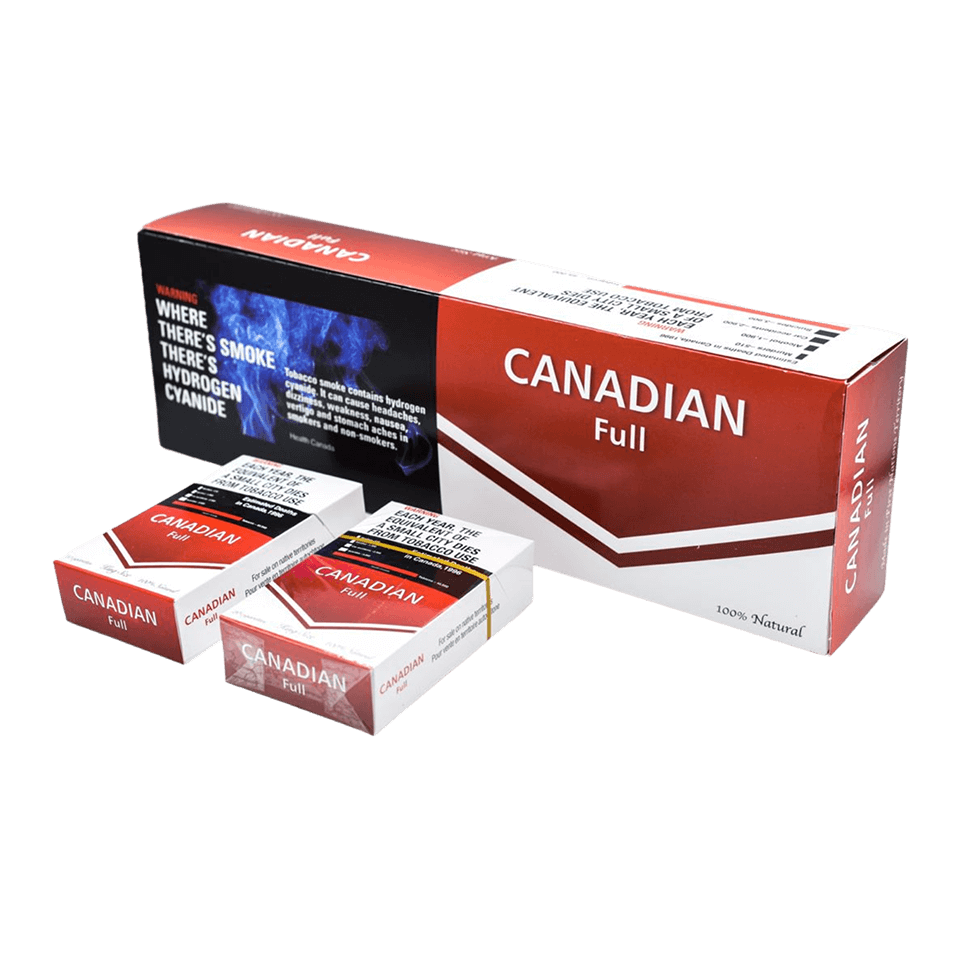


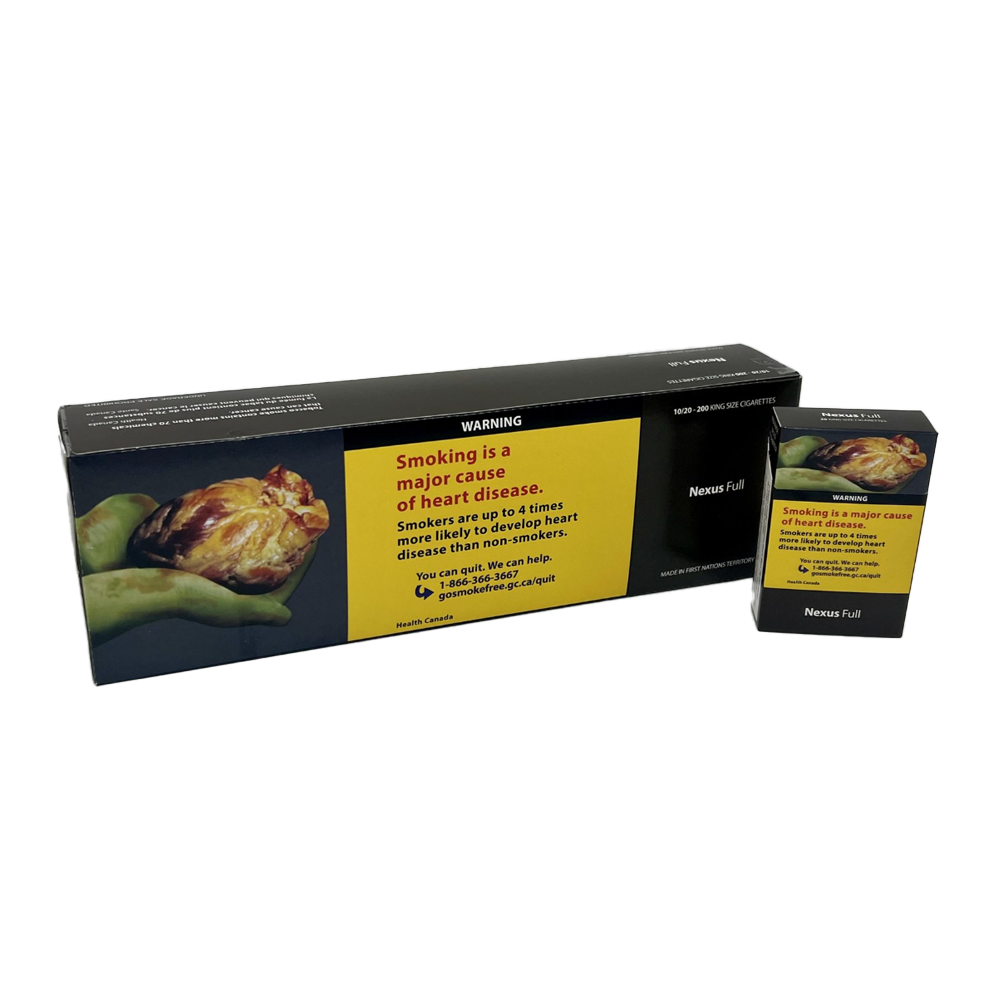
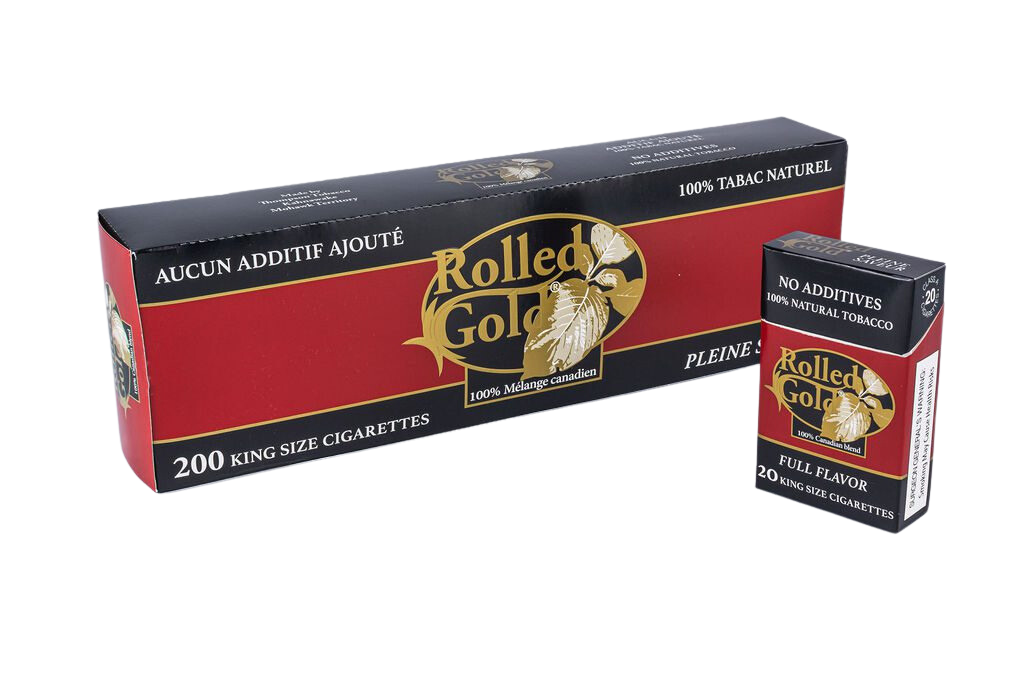
⭐ Excluded: BB light Manitoba, BB full Manitoba, Chanel Blueberry, Chanel ice. See all 29+ native brands at Cigstore.ca.
🚚 Delivery Across Canada – $29 Flat Rate
We ship to every province and territory using Canada Post, Purolator, FedEx, and UPS. Orders over $290 qualify for FREE shipping. Age verification (19+) required upon delivery.
📦 Same-day dispatch for orders before 2 PM EST. Tracking provided within 24 hours.
📚 You Might Also Find These Articles Helpful
Why the Morning Coffee and Cigarette Became a Cult Ritual for Millions
The neuroscience behind the pairing.
The ‘One More Loop’
Why it’s so hard to stop after the first cigarette.
Smoking and Stress: The Neuroscience
Why nicotine feels calming (and why it’s a trap).
The Rebound Effect
Why some people gain weight when they quit smoking.
How to Quit Smoking Gradually
A 12-week plan for reduction.