
How Nicotine Destroys Rubber Seals and Plastic
The Silent Damage of Thirdhand Smoke on Materials and Electronics
🪟🚬 You’ve seen the yellow-brown film on walls and windows. But have you noticed the sticky residue on your refrigerator door gasket? The deteriorating seals around your car windows? The yellowed plastic on your computer keyboard? Cigarette smoke residue doesn’t just stain and smell — it chemically attacks rubber, plastic, and synthetic materials. This article explores the science of thirdhand smoke damage: how nicotine and tar act as plasticizers, solvents, and corrosive agents that destroy rubber seals, degrade plastic components, and shorten the lifespan of electronics.
🔬 The Chemistry: What’s in Cigarette Smoke That Attacks Materials?
• Nicotine (a base that reacts with acids and degrades polymers)
• Tar (viscous, sticky, contains thousands of compounds)
• Polycyclic aromatic hydrocarbons (PAHs) — solvent-like properties
• Volatile organic compounds (acetone, toluene, benzene) — known solvents
• Hydrogen cyanide and ammonia — corrosive
Cigarette smoke contains over 4,000 chemicals, many of which are solvents, plasticizers, or corrosive agents. When smoke condenses on surfaces, these chemicals interact with rubber, plastic, and other synthetic materials — often with destructive results.
- 🧪 Solvent action: Acetone, toluene, and benzene are powerful solvents that can dissolve or soften certain plastics and rubber compounds.
- 🧴 Plasticizer effect: Some PAHs and other organic compounds act as plasticizers — they penetrate rubber and plastic, causing swelling, softening, and eventual cracking.
- ⚡ Oxidative degradation: Smoke contains free radicals that accelerate oxidation of rubber and plastic materials, leading to brittleness and cracking.
- 🟡 Staining and discoloration: Tar and nicotine themselves deposit a yellow-brown film that is nearly impossible to remove from some plastic surfaces.
🛞 Rubber Seals and Gaskets: The First to Go
⚠️ Real-world example: In a smoker’s home, the rubber gasket on the refrigerator door often becomes sticky, yellowed, and brittle within 2-3 years. The same gasket in a non-smoker’s home might last 10-15 years.
Rubber seals and gaskets are among the most vulnerable components to smoke damage. They are exposed to smoke residue continuously and are made of materials (EPDM, nitrile rubber, silicone) that absorb and react with nicotine and tar.
- 🚪 Refrigerator door gaskets: The yellow-brown sticky film that develops on fridge gaskets is not just cosmetic — it’s chemically degrading the rubber. The gasket becomes stiff, loses its magnetic seal, and eventually cracks, causing cold air leaks and higher electricity bills.
- Window and door seals: Rubber weatherstripping around doors and windows absorbs smoke residue, becoming sticky and then brittle. Result: drafty windows, higher heating/cooling costs.
- 🚗 Car door and window seals: In a smoker’s car, the rubber seals degrade significantly faster. The once-soft seals become hard, crack, and allow wind noise and water leaks.
- ⏱️ Timeline of damage:
- 6-12 months: Yellowing, slight stickiness
- 1-3 years: Noticeable degradation, loss of flexibility
- 3-5 years: Cracking, loss of seal integrity, need for replacement
🧴 Plastics: Yellowing, Cracking, and Becoming Brittle
• 1 year: Yellowish tint on white plastics, sticky residue
• 2-3 years: Visible yellow-brown film, surface roughness
• 5+ years: Cracking, brittleness, structural failure
Plastics are porous at a microscopic level, allowing smoke residue to penetrate the surface. The effects are both cosmetic and structural.
- 🖥️ Computer keyboards and mice: The plastic keys become sticky, yellowed, and develop a rough texture that cannot be cleaned. The plastic becomes brittle — keys may crack or break.
- 📺 Remote controls: The glossy plastic surface becomes permanently tacky, attracting dust and dirt. Buttons may stick or become unresponsive.
- 💡 Light switches and outlet covers: White plastic covers turn a permanent yellow-brown, impossible to clean because the staining has penetrated the surface.
- 🪑 Plastic furniture and shelving: White plastic shelving (ClosetMaid style) becomes yellowed and brittle. In extreme cases, shelves can crack under normal weight loads.
- 🧸 Children’s toys: Hard plastic toys absorb smoke residue, becoming sticky and discolored. Children who mouth toys are exposed to nicotine and other toxins.
💻 Electronics: The Hidden Damage Inside Your Devices
⚠️ Critical damage: Smoke residue inside electronics causes overheating, short circuits, and premature failure. The nicotine and tar coating internal components act as an insulator, preventing proper cooling.
Electronic devices in smoker’s homes suffer a slow, invisible death. Smoke is drawn into computers, game consoles, TVs, and other electronics by cooling fans. The residue coats internal components, with devastating effects.
- 🖥️ Computer power supplies and fans: Smoke residue coats fan blades, unbalancing them and causing noise. A thick layer of tar on the power supply circuit board acts as an insulator, trapping heat and causing component failure.
- 🎮 Gaming consoles (PlayStation, Xbox): The fine dust created by smoke residue (when mixed with regular dust) clogs heatsinks, causing overheating and “Red Ring of Death” (Xbox) or “Yellow Light of Death” (PlayStation) failures.
- 🔌 Charging ports: USB and charging ports in smokers’ homes often become unreliable as tar residue builds up on contact pins, causing intermittent connections.
- 📺 TVs: Ventilation slots draw smoke into the interior. Over time, internal components are coated with a sticky, conductive layer that can cause shorts.
- 📱 Smartphones: While sealed phones are less vulnerable, the speaker grille, microphone holes, and charging port accumulate tar residue. The result: muffled sound, poor call quality, and charging issues.
- ⏱️ Lifespan reduction: Electronics in smoker’s homes may fail 30-50% sooner than identical devices in non-smoker’s homes.
🚗 Automotive Damage: Why Smoker’s Cars Are Worth Less
A car owned by a smoker sells for $1,000-$3,000 less than an identical non-smoker’s car.
Smoke damage to interior plastics, headliners, and electronics is visible and permanent.
The inside of a car is a small, enclosed space where smoke residue concentrates rapidly. The damage to automotive materials is extensive.
- 🪞 Dashboard plastics: The dashboard plastic becomes sticky in sunlight, then brittle and cracked. UV light accelerates the degradation caused by smoke residue.
- 🚪 Rubber door seals: As noted, door seals become brittle, causing wind noise, water leaks, and reduced insulation.
- 🎛️ Knobs and buttons: Climate control knobs, radio buttons, and window switches become sticky and hard to turn, with the lettering often smeared or worn off by cleaning attempts.
- 🧵 Headliner and upholstery: The fabric headliner absorbs smoke and becomes discolored, often requiring professional cleaning or replacement.
- 💨 Air conditioning system: Tar and nicotine coat the evaporator coils and ductwork. When the A/C runs, it blows air over the residue, releasing a chemical smell that many describe as “dirty ashtray.” This smell is nearly impossible to eliminate.
🏠 Kitchen Appliances: The Heat Accelerates Damage
Kitchen appliances in smoker’s homes suffer double damage: smoke residue combined with cooking grease creates an especially corrosive mixture.
- 🔥 Stove and oven surfaces: Smoke residue baked onto glass and metal surfaces becomes nearly impossible to remove. The combination of tar and heat creates a polymerized film that requires solvents to remove.
- 🚰 Refrigerator water dispenser: The plastic water line and dispenser mechanism can become contaminated with nicotine, affecting water taste.
- 🔘 Microwave touch pads: The flexible plastic membrane over microwave buttons becomes yellowed and stiff, often peeling away from the control board.
- 🧼 Dishwasher interior: Plastic racks and tubs absorb smoke odor, which is then released during the drying cycle, causing dishes to smell of smoke.
✅ What Materials Are Safe? (Very Few)
Most common household materials are vulnerable to smoke residue. The most resistant materials include:
- 🧱 Glass: While glass collects residue, it does not absorb it. The yellow film can be cleaned off with degreasers (vinegar, ammonia).
- 🪨 Ceramic and porcelain: Similar to glass, the residue sits on the surface and can be cleaned, though porous ceramics may stain.
- 🧼 Stainless steel: The residue can be cleaned off with proper degreasers, though it may leave a film.
- ⚠️ Note: Even “safe” materials require aggressive cleaning with degreasers — not just soap and water.
🛡️ Prevention: The Only Real Solution
Smoke outside. No air purifier, ventilation system, or cleaning regimen can eliminate the residue entirely.
If you must smoke indoors, your materials will degrade.
Once smoke residue settles on a surface, it begins its chemical work. The damage is cumulative and often irreversible.
- 🚭 Smoke outside: The only way to prevent damage is to keep smoke out of your home entirely.
- 💨 Air purifiers: HEPA and activated carbon filters can reduce airborne smoke particles, but they do not prevent residue from settling on surfaces.
- 🪟 Ventilation: Opening windows reduces but does not eliminate residue.
- 🧼 Regular cleaning: Frequent wiping of surfaces with degreasers can slow the accumulation of residue, but cannot stop the chemical degradation already occurring at a microscopic level.
📦 Native Cigarettes: Same Damage, Same Residue
Native cigarettes (Playfare, Canadian, DuMont, Nexus, Rolled Gold) cost $29-50 per carton — compared to $140-180 for commercial brands — a savings of 70-80%. However, they contain the same chemicals that damage rubber, plastic, and electronics. Switching to native cigarettes will save you money — but your refrigerator gaskets, computer keyboards, and car door seals will still degrade.
- 💰 Cost savings: A pack-a-day smoker saves $5,000-7,000 per year by switching to native cigarettes.
- 🔧 Same material damage: Native cigarettes produce the same tar, nicotine, and VOCs. Your rubber seals will still degrade.
- 📦 Online delivery: Cigstore.ca ships to every province and territory with $29 flat shipping (free over $290).
- 🏠 If you care about your home and belongings, the only solution is to smoke outside — no matter which brand you smoke.
🇨🇦 Resources for Smokers
- 📞 Smokers’ Helpline (1-877-513-5333): Free, confidential telephone coaching.
- 💊 Nicotine replacement therapy (NRT): Patches, gum, lozenges — safe and effective.
- 📱 QuitNow (quitnow.ca): Free app with tracking and community support.
- 🩺 Your doctor: Medications like varenicline (Champix/Chantix) and bupropion (Zyban/Wellbutrin) can help.
🔥 Top 5 Native Cigarettes for Canadian Smokers
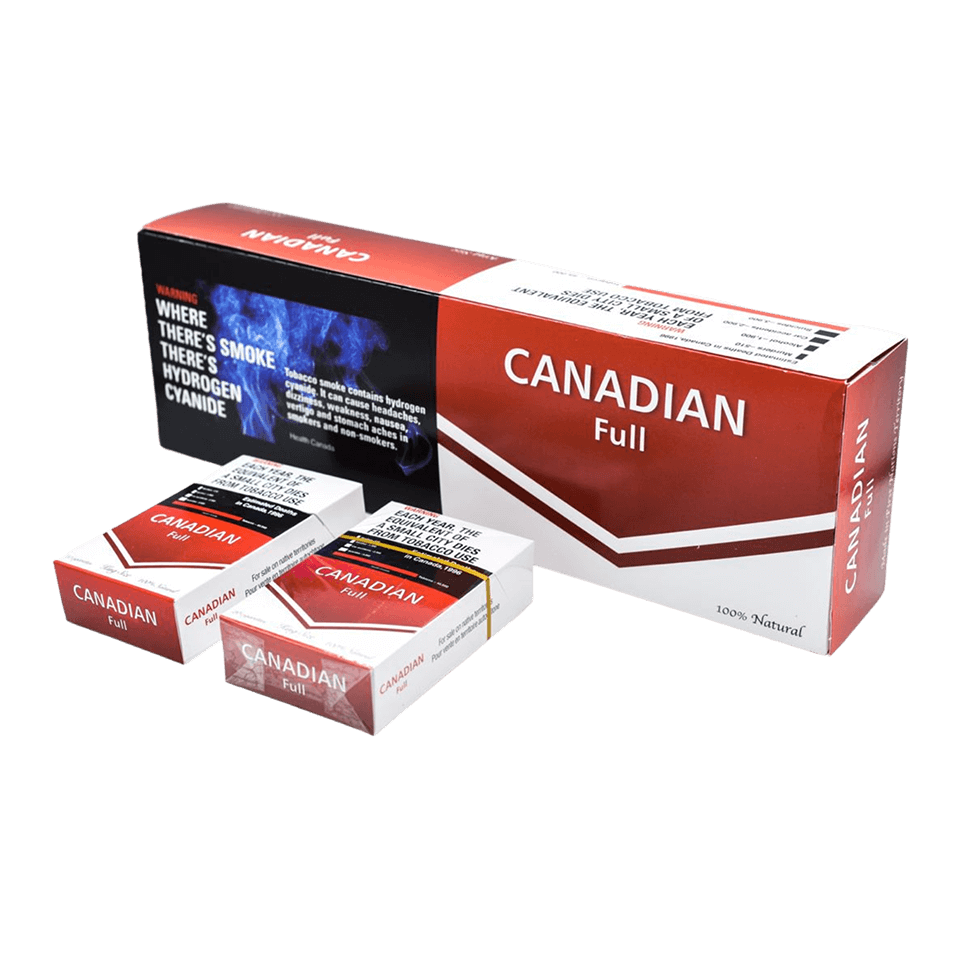
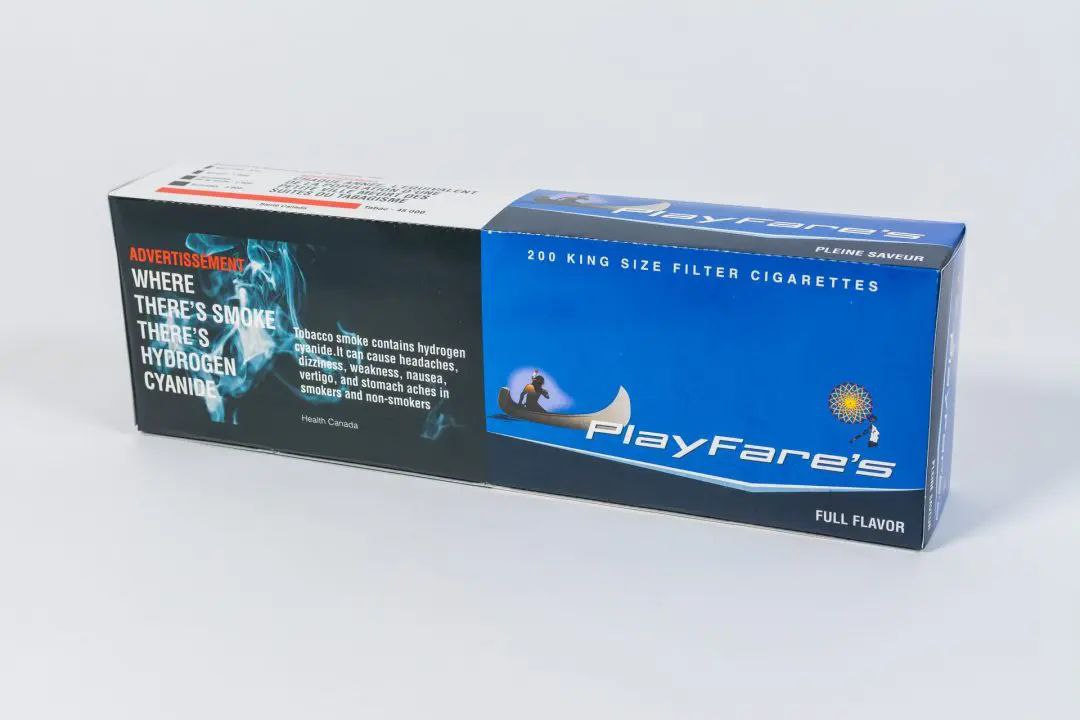
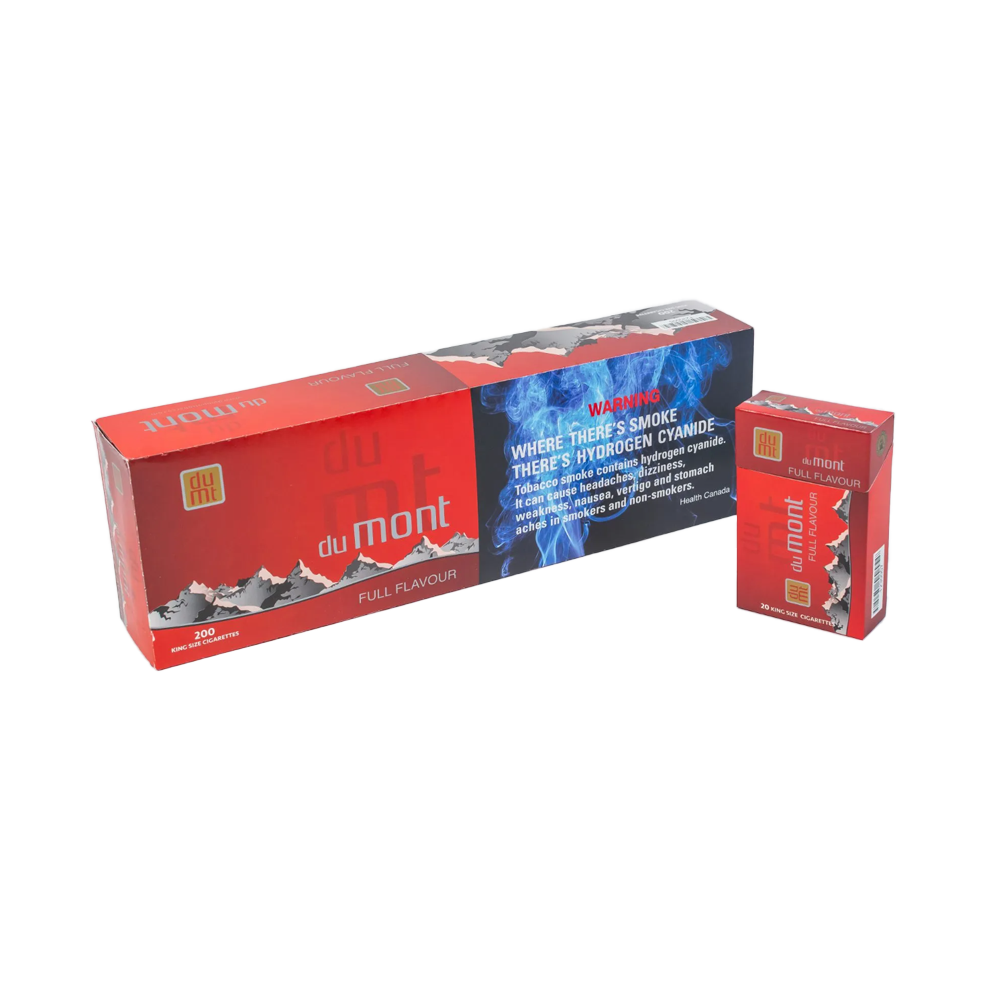
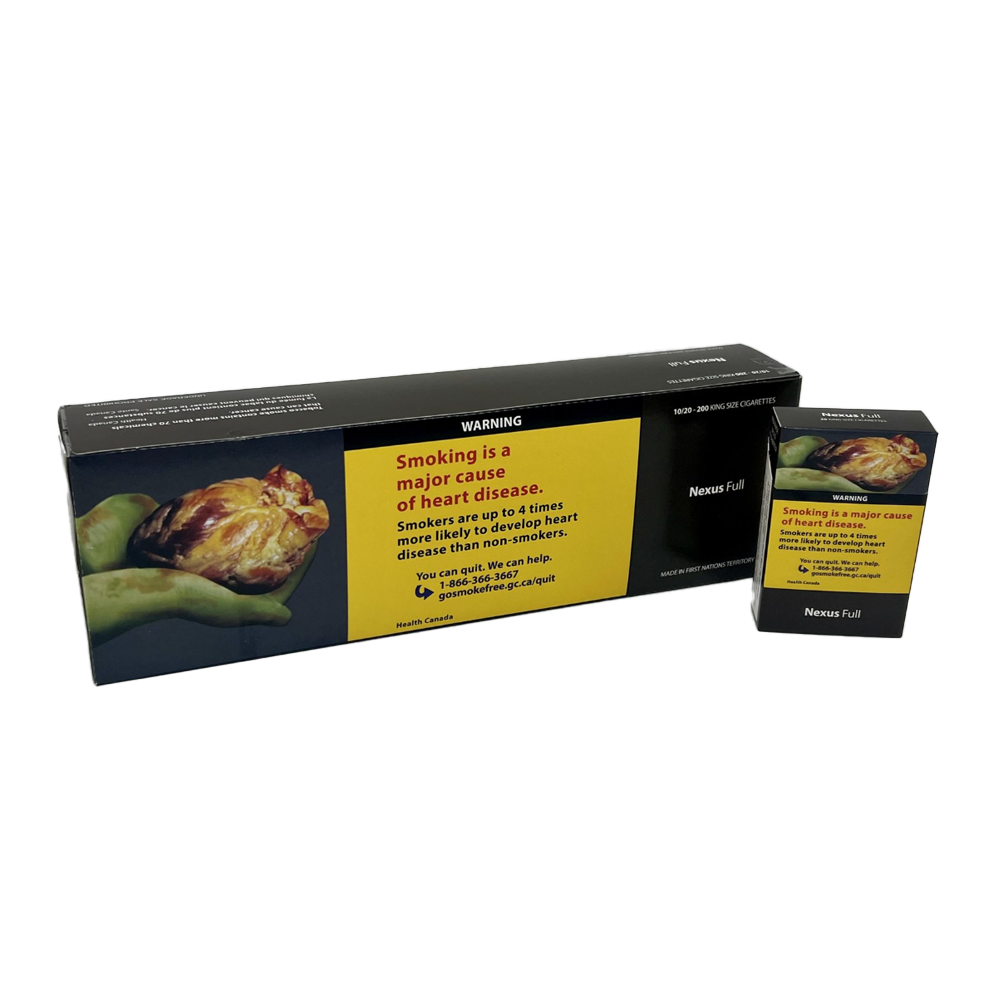
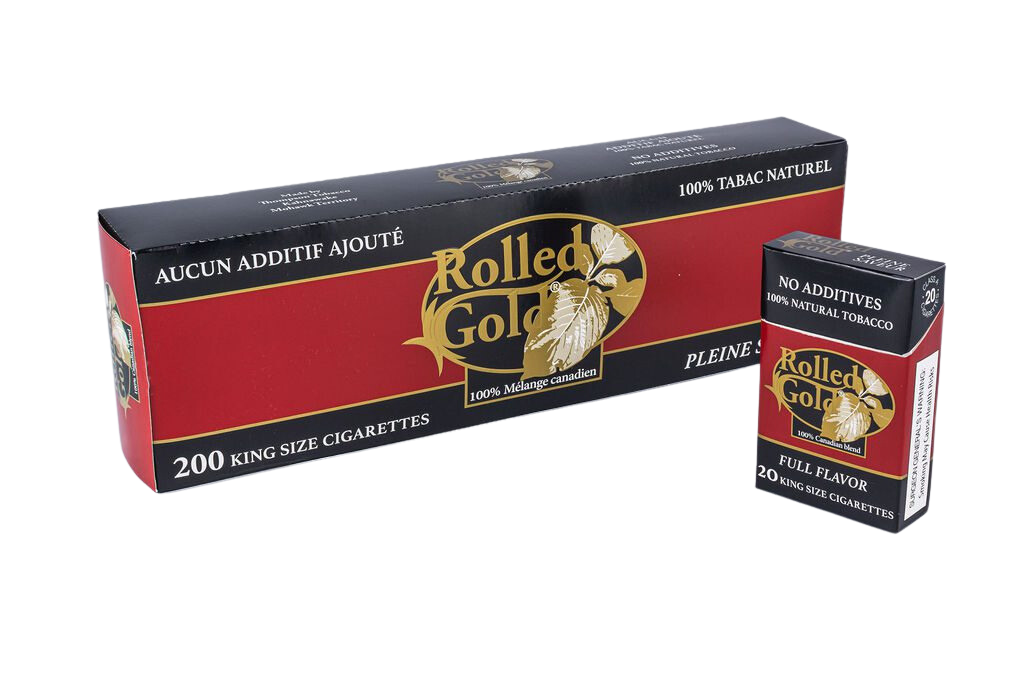
⭐ Excluded: BB light Manitoba, BB full Manitoba, Chanel Blueberry, Chanel ice. See all 29+ native brands at Cigstore.ca.
🚚 Delivery Across Canada – $29 Flat Rate
We ship to every province and territory using Canada Post, Purolator, FedEx, and UPS. Orders over $290 qualify for FREE shipping. Age verification (19+) required upon delivery.
📦 Same-day dispatch for orders before 2 PM EST. Tracking provided within 24 hours.
📚 You Might Also Enjoy These Articles
How Smoking Affects Your Skin, Hair, and Nails
The visible effects of tobacco on your body.
How to Remove Cigarette Smell from Your Car Interior in 20 Minutes
Automotive odor elimination.
The Thirdhand Smoke Nightmare
How nicotine residue lingers in carpets and curtains.
How to Remove Cigarette Smell from a Room in 5 Minutes
Quick solutions for odor elimination.
How to Remove Yellow Nicotine Stains from Fingers
From kitchen ingredients to commercial products.