
History of Tobacco Advertising Bans in Canada
From Billboards and TV Commercials to Blank Walls — How Canada Silenced Big Tobacco
📢🚫 It’s almost impossible to imagine today, but Canadian children used to watch cigarette commercials on Saturday morning cartoons. Professional hockey players endorsed brands. Billboards featuring rugged cowboys and glamorous women lined every highway. This article traces the complete history of how Canada banned tobacco advertising: from the first voluntary restrictions in 1972, to the landmark 1997 Tobacco Act that ended nearly all promotion, to the final elimination of in-store displays and sponsorships. It’s a story of public health victories, fierce industry resistance, and constitutional challenges — and Canada became a global leader in tobacco control.
— Canadian Radio-television and Telecommunications Commission (CRTC)
1972 was the first major blow against tobacco advertising in Canada. The CRTC banned all cigarette commercials from Canadian television and radio — ending decades of beloved (and deadly) ad campaigns. Before 1972, children watched cartoons interrupted by commercials for Player’s, Du Maurier, and Export ‘A’. Hockey games were sponsored by tobacco brands. All of that ended in 1972.
- 📺 What was banned: All electronic broadcast advertising — TV commercials, radio spots, and later, cable and satellite ads.
- 🎯 Why it happened: Growing evidence that advertising increased smoking rates, especially among youth.
- ⚖️ Industry response: Tobacco companies shifted their budgets to print media (magazines, newspapers) and billboards — which remained legal.
- 📈 Result: Canadian smoking rates stopped rising but remained high. By 1980, 38% of adults still smoked.
— First comprehensive ban on print ads, billboards, and sponsorships
The 1988 Tobacco Products Control Act (TPCA) was a landmark law. It banned nearly all remaining forms of tobacco advertising: print ads (magazines, newspapers), billboards, and brand sponsorships of cultural and sporting events. It also required health warnings on packages. But the tobacco industry fought back — and won a temporary victory.
- 📰 What was banned: Magazine and newspaper ads, outdoor billboards, transit ads, and sponsorships of events like concerts and sports.
- ⚖️ Industry challenge: Tobacco companies sued, arguing the law violated their freedom of expression under the Canadian Charter of Rights and Freedoms.
- 🏛️ Supreme Court ruling (1995): In a 5-4 decision, the Supreme Court struck down most of the TPCA, ruling that while tobacco advertising could be restricted, the total ban went too far. The Court gave Parliament one year to rewrite the law.
- 📉 Result: For two years (1993-1995, during the court challenge), tobacco advertising returned to Canadian magazines and billboards — a major setback for public health.
— Tobacco Act, 1997 (still in effect today)
After the Supreme Court struck down the 1988 law, Parliament went back to the drawing board. The 1997 Tobacco Act was carefully crafted to survive constitutional challenge. It banned all advertising that could be seen by youth while allowing limited “brand-preference” advertising in adult-only publications — but with so many restrictions that it was nearly impossible to use.
- 📰 The “blackout period”: The Act created a rolling ban — advertising could only appear in publications with less than 15% youth readership. Almost no magazines qualified, so advertising effectively disappeared.
- 🎪 Sponsorships banned: Brand sponsorships of events were outlawed by 2003. This ended decades of tobacco-sponsored concerts, auto racing, and sports events.
- 🏬 In-store displays: Initially allowed but heavily restricted. Today, many provinces ban in-store tobacco displays entirely.
- 📧 Direct mail: Only permitted for existing customers with opt-out provisions — no cold outreach.
- ✅ Constitutionally upheld: The 1997 Act survived all legal challenges and remains the foundation of Canadian tobacco advertising law today.
📊 Canadian Tobacco Advertising Bans: Complete Timeline
| Year | What Was Banned | Remaining Loopholes | Legal Status |
|---|---|---|---|
| 1972 | TV and radio commercials | Magazines, newspapers, billboards, sponsorships | CRTC regulation (not yet law) |
| 1988 | Print ads, billboards, sponsorships, transit ads | Point-of-sale displays, direct mail, foreign magazines | Tobacco Products Control Act (struck down in 1995) |
| 1997 | All advertising visible to youth — effectively everything | In-store displays (restricted), direct mail to adults, native publications | Tobacco Act (survived court challenges) |
| 2003 | Brand sponsorships of any event | In-store displays (partial) | Tobacco Act amendment |
| 2000s-2010s | In-store displays in many provinces (e.g., Ontario 2008, Quebec 2016) | Mail-order, websites (age-restricted) | Provincial legislation |
| Today (2026) | All advertising in public spaces — complete prohibition | Age-verified websites, text-only price signs in stores | Federal + provincial laws |
— Tobacco Act amendments, effective October 2003
For decades, tobacco companies evaded advertising bans by sponsoring events. Player’s sponsored rock concerts and auto racing. Du Maurier sponsored arts events and fashion shows. Export ‘A’ sponsored fishing tournaments. The 2003 sponsorship ban closed this massive loophole. After October 2003, no tobacco brand name could appear on any event, team, or venue — ending a 50-year era of tobacco-funded culture in Canada.
- 🎸 Notable lost sponsorships: The “Player’s Challenge” auto racing series, “Du Maurier Ltd.” theatre productions, “Export ‘A’ Skins Game” golf tournament.
- 🏒 Hockey connection: Cigarette brands sponsored minor hockey leagues — children played on teams named after cigarettes. That ended in 2003.
- 🔄 Industry pivot: Tobacco companies shifted to “corporate social responsibility” campaigns — but those were also restricted.
🏬 The Last Frontier: In-Store Tobacco Displays
After billboards, magazines, TV, and sponsorships were banned, the last place where cigarettes were still visible was at the point of sale — convenience stores, gas stations, and pharmacies. For years, colourful cigarette displays greeted every customer, including children. Starting in the 2000s, provinces began banning these displays as well.
- 📅 2008 — Ontario: Banned all in-store tobacco displays. Cigarettes must be kept in closed cabinets.
- 📅 2016 — Quebec: Banned displays in stores with pharmacies (most convenience stores).
- 📅 2010-2020 — Other provinces: Manitoba, Saskatchewan, Alberta, and British Columbia followed with similar restrictions.
- 🛑 Today: In most Canadian provinces, cigarettes are hidden from view behind plain opaque cabinets. Customers must ask a clerk to access them — a far cry from the glamorous billboards of the 1950s.
⚖️ The Constitutional Battle: RJR-MacDonald v. Canada (1995)
— RJR-MacDonald Inc. v. Canada (Attorney General)
This 5-4 Supreme Court decision is the most important tobacco advertising case in Canadian history. The Court ruled that the 1988 Tobacco Products Control Act’s complete advertising ban violated the freedom of expression under Section 2(b) of the Charter. But the Court also said that advertising restrictions are constitutional — just not a total ban. This forced Parliament to draft the more nuanced 1997 Tobacco Act, which balanced public health with free expression — and succeeded.
- 📜 The ruling: A complete ban on all advertising was “too broad” — but restrictions targeting youth were acceptable.
- 🛠️ The fix: Parliament rewrote the law to allow limited brand-preference advertising in adult-only publications — which effectively killed advertising because few publications qualified.
- ✅ Legacy: The 1997 law survives today as the gold standard for tobacco advertising regulation.
🔥 Top 5 Popular Products for Canadian Smokers Today




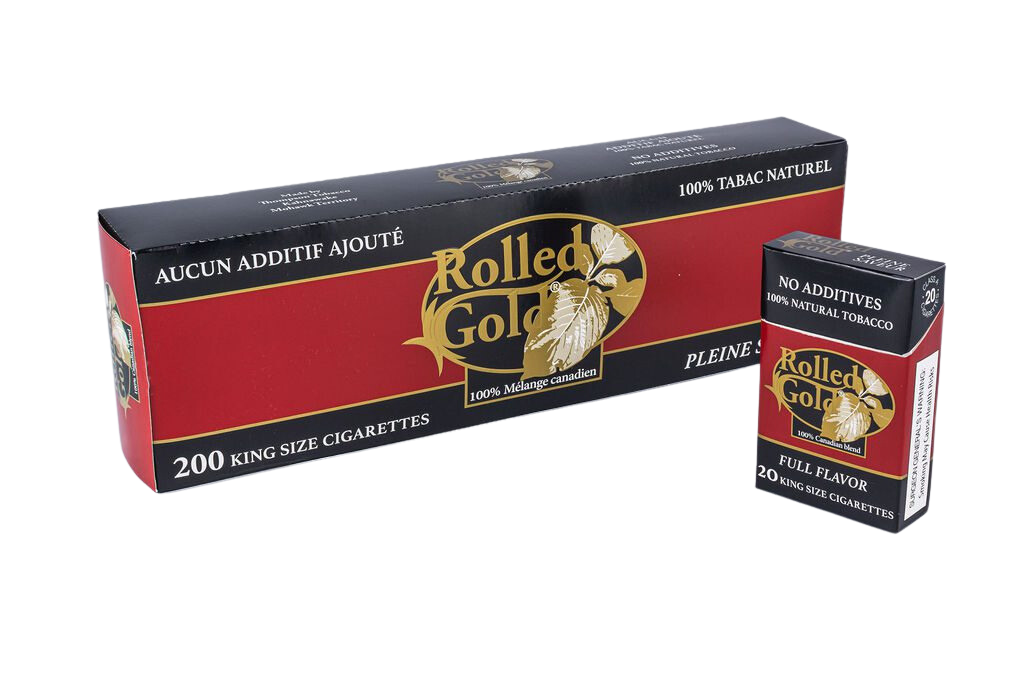
⭐ Excluded: BB light Manitoba, BB full Manitoba, Chanel Blueberry, Chanel ice. See all 29+ native brands at Cigstore.ca.
🚚 Delivery Across Canada – $29 Flat Rate
We ship to every province and territory using Canada Post, Purolator, FedEx, and UPS. Orders over $290 qualify for FREE shipping. Age verification (19+) required upon delivery — we comply with all Canadian tobacco advertising and sales laws, including the Tobacco Act and provincial point-of-sale display bans.
📦 Same-day dispatch for orders before 2 PM EST. Tracking provided within 24 hours.
📚 You Might Also Enjoy These Articles
History of Smoking in Canada
From 1950s magazine ads to plain packaging today.
5 Iconic Ads Banned Today
Campaigns that would never survive modern laws.
1994 Tax Cut Story
How native cigarettes became affordable.
Why Cigarettes Are Expensive
Complete federal & provincial tax breakdown.
10 Canadian Celebrities Who Smoke
Stars and their favorite brands.