
Cigarettes in Hollywood’s Golden Age
Glamour, Rebellion, and the Silver Screen
🎬🚬 Close your eyes and picture a movie star from the 1940s or 1950s. Humphrey Bogart. Lauren Bacall. James Dean. Audrey Hepburn. What are they holding? Almost certainly a cigarette. During Hollywood’s Golden Age — roughly the 1920s through the 1960s — cigarettes were not just props; they were essential tools of cinematic storytelling. A cigarette could signal sophistication, rebellion, danger, romance, or existential despair. This article explores how smoking became central to Hollywood’s Golden Age, the iconic scenes that defined the era, the stars who chain-smoked their way to immortality, and why the cigarette eventually — and inevitably — left the silver screen.
🎩 The Icon: Humphrey Bogart and the Birth of Screen Cool
No actor is more closely associated with cigarettes than Humphrey Bogart. In film after film — The Maltese Falcon (1941), Casablanca (1942), The Big Sleep (1946) — Bogart’s characters are rarely seen without a cigarette. The cigarette was an extension of his persona: world-weary, cynical, but ultimately honorable.
- 📖 The “more doctors” connection: Bogart was one of many celebrities who endorsed Camels in print ads. The “More doctors smoke Camels” campaign (1946-1954) was the most successful — and deceptive — advertising campaign of its era.
- 🚬 Smoke rings and snappy dialogue: Bogart’s ability to deliver witty one-liners while exhaling smoke became his trademark. In Casablanca, the line “Here’s looking at you, kid” is delivered with a cigarette in hand.
- 🕯️ Tragic end: Bogart was a heavy smoker in real life, consuming several packs a day. He died of esophageal cancer in 1957 at age 57 — a stark reminder that the glamour on screen had real-world consequences.
📖 From a 1952 Camel ad: “More doctors smoke Camels than any other cigarette.” — A claim later proven to be based on rigged surveys.
🕵️ Film Noir and the Cigarette: The Language of Shadows
Film noir — the dark, cynical crime dramas of the 1940s and 50s — raised the cigarette to a visual motif. In noir, smoke is a visual representation of moral ambiguity, confusion, and danger. The play of smoke against shadows created the chiaroscuro lighting that defined the genre.
The Maltese Falcon (1941) — Humphrey Bogart
Sam Spade lights a cigarette while interrogating suspects. The smoke signals his cool detachment from the chaos around him.
Double Indemnity (1944) — Fred MacMurray & Barbara Stanwyck
The cigarette becomes a prop of seduction and betrayal. The lighter is a plot device — a symbol of the dangerous attraction between the characters.
Out of the Past (1947) — Robert Mitchum
Mitchum’s private detective smokes with weary resignation. The cigarette is a shield against a world that has beaten him down.
👕 Cigarettes as Rebellion: James Dean and the Teenage Outlaw
In the 1950s, the cigarette took on a new meaning: teenage rebellion. James Dean’s Rebel Without a Cause (1955) gave the cigarette to a new generation — one that was restless, misunderstood, and defiant.
- 📖 The iconic pose: Dean slouching in a leather jacket, cigarette dangling from his lips, became the definitive image of teenage alienation. The cigarette was a sign that he didn’t care what adults thought.
- 📜 Real-life habit: Dean was a chain-smoker, consuming up to three packs of Camel cigarettes per day. His tragically early death at 24 (in a car crash) cemented his image as a “live fast, die young” icon.
- 📊 The impact: Dean’s rebellion-era smoking influenced generations of young people to take up the habit, long after the health risks were known. The “cool smoker” archetype was born.
- 📽️ Marlon Brando: In The Wild One (1953), Brando’s motorcycle gang leader made smoking look dangerous and sexy. When asked, “What are you rebelling against?” he famously replied, “Whaddya got?” — cigarette in hand.
👗 Sophistication and Elegance: Cigarettes as Status Symbols
Not all Golden Age smokers were rebels or detectives. For female stars, the cigarette — often held in a long, elegant holder — was a symbol of sophistication, independence, and modern femininity.
Breakfast at Tiffany’s (1961) — Audrey Hepburn
Holly Golightly’s long cigarette holder became her signature accessory. The cigarette holder allowed Hepburn to smoke on screen while maintaining an air of elegance.
Now, Voyager (1942) — Bette Davis
Davis famously lights two cigarettes in a row, handing one to her co-star Paul Henreid. The scene is a masterclass in romantic tension, with the cigarette as the vehicle.
Some Like It Hot (1959) — Marilyn Monroe
Monroe’s breathy voice and cigarette go hand in hand. The cigarette is part of her seductive, vulnerable persona.
💰 The Lucrative Marriage of Hollywood and Big Tobacco
Hollywood’s love affair with cigarettes was not purely artistic — it was financially motivated. Tobacco companies paid studios handsomely to have their brands featured prominently in films.
- 📜 1929 American Tobacco Company’s contract: Classic film star Billie Dove was paid $10,000 by the American Tobacco Company to star in an ad campaign. A decade later, she was forced to retract a statement that Lucky Strike cigarettes were responsible for her beautiful skin .
- 📋 The contract’s restrictions: The contract “absolutely forbade her to be knowingly photographed while smoking cigarettes of any other make than Lucky Strike” and required her to “always have a package of Lucky Strike cigarettes available” for photographers .
- 📊 The scale: By the 1950s, product placement was routine. Cigarettes appeared in almost every film, and stars were often contractually obligated to smoke specific brands.
- 📖 The fallout: When the health risks of smoking became undeniable, Hollywood faced a reckoning. Many stars who had endorsed cigarettes died of smoking-related diseases, creating a public relations nightmare for both the industry and the tobacco companies.
📖 From Billie Dove’s retraction (1939): “I have never believed that smoking cigarettes could be beneficial… and I have never attributed the beauty of my skin to cigarette smoking.” — Forced after a decade of being paid to say the opposite .
⭐ Stars Who Chain-Smoked Their Way Through the Golden Age
Many of Hollywood’s biggest stars were also among the heaviest smokers — a contradiction that would later prove deadly.
- 🚬 Humphrey Bogart: Died of esophageal cancer at 57.
- 🚬 James Dean: Chain-smoker, died at 24 in a car crash (though early autopsy showed lung damage).
- 🚬 Bette Davis: Two-pack-a-day smoker, died of breast cancer at 81 (after a lifetime of smoking).
- 🚬 Clark Gable: Heavy smoker, died of a heart attack at 59 (smoking was a contributing factor).
- 🚬 Lauren Bacall: Smoked for decades, died at 89 — one of the few Golden Age stars to live into old age despite her habit.
- 🚬 Gary Cooper: Died of cancer at 60 after a lifetime of heavy smoking.
- 🚬 John Wayne: Five-pack-a-day smoker, died of stomach cancer at 72.
- 🎬 The irony: These stars often appeared in ads claiming that their brand of cigarette was “mild” or “kind to the throat” — even as their own throats were being destroyed .
📖 A tragic footnote: Billie Dove, who was paid to endorse Lucky Strike in 1929, was forced to retract her statement a decade later. But she lived to 93 — far longer than many of her contemporaries who died of smoking-related cancers .
📉 The End of an Era: Why Cigarettes Left the Silver Screen
By the 1990s, cigarettes had largely disappeared from Hollywood films. The reasons were multiple:
- 📊 The MPAA rating shift (2007): The Motion Picture Association of America announced that smoking would be considered a factor in movie ratings. Films with “glamorized” smoking could receive an R rating, cutting them off from the lucrative PG-13 youth market .
- 📢 Anti-smoking advocacy: Groups like Smoke Free Movies pressured studios to stop featuring smoking in youth-rated films. The 1998 Dalton study found that adolescents whose favorite movie stars smoked were significantly more likely to start smoking themselves.
- ⚖️ Legal settlements: The 1998 Master Settlement Agreement prohibited tobacco companies from paying for product placement — ending the financial incentive for studios to feature cigarettes .
- 📉 Cultural change: As smoking rates plummeted and secondhand smoke became unacceptable, the “cool smoker” archetype lost its power. Young people no longer saw smoking as rebellious — they saw it as unhealthy.
- 🎬 Today’s exceptions: Quentin Tarantino and a few other directors still feature smoking, but they are outliers. Modern superheroes — the iconic figures of today — do not smoke.
📦 Native Cigarettes: Affordable Smoking for Today’s Adults
While Hollywood has moved on from cigarettes, many Canadians still smoke. Native cigarettes (Playfare, Canadian, DuMont, Nexus, Rolled Gold) have become the affordable choice for price-conscious adult smokers. A carton costs $29-50, compared to $140-180 for commercial brands — a savings of 70-80%.
- 💰 Cost savings: A pack-a-day smoker saves $5,000-7,000 per year by switching to native cigarettes — real money that Bogart and Bacall never had to worry about.
- 🚫 Not “healthier”: Native cigarettes contain the same nicotine, tar, and carcinogens as commercial brands. The only difference is price and packaging.
- 📦 Online delivery: Cigstore.ca ships to every province and territory with $29 flat shipping (free over $290).
- 🎬 No product placement: Unlike Bogart’s Lucky Strikes, you will never see native cigarettes in a Hollywood movie. They are sold only online and on reserves — no advertising, no glamour.
🔥 Top 5 Native Cigarettes for Canadian Smokers




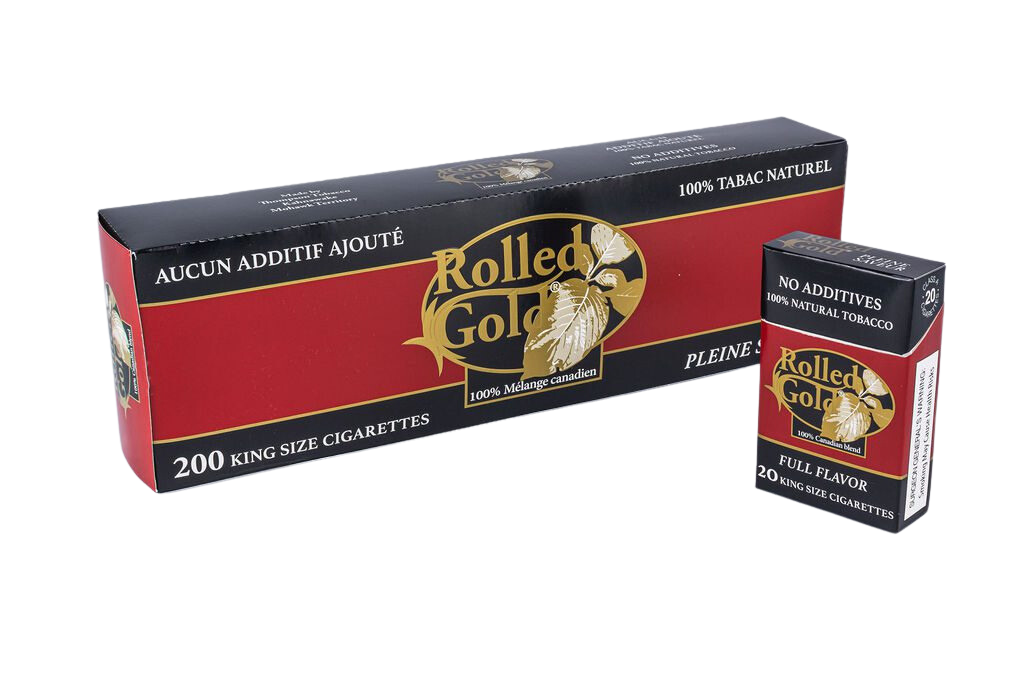
⭐ Excluded: BB light Manitoba, BB full Manitoba, Chanel Blueberry, Chanel ice. See all 29+ native brands at Cigstore.ca.
🚚 Delivery Across Canada – $29 Flat Rate
We ship to every province and territory using Canada Post, Purolator, FedEx, and UPS. Orders over $290 qualify for FREE shipping. Age verification (19+) required upon delivery.
📦 Same-day dispatch for orders before 2 PM EST. Tracking provided within 24 hours.
📚 You Might Also Enjoy These Articles
The Most Famous Cigarette Scenes in Film History
From Casablanca to Pulp Fiction.
The Most Famous Smoking Characters in Film & TV
From Bogart to Don Draper.
Why Modern Movie Characters Rarely Smoke
The MPAA rating shift that changed Hollywood.
Smoking in Canadian Movies
From cool to condemned — the on-screen journey of tobacco.
Most Famous Canadian Cigarette Slogans
From “More doctors smoke Camels” to plain packaging.