
Smoking Among Nightclub and Bar Workers in 2026
The Reality Behind the Smoke — Stress, Social Bonding, and Secondhand Exposure
🎵🚬 The nightclub is dark. The music is loud. Behind the bar, a bartender takes a quick drag before serving the next round. For decades, smoking and the hospitality industry have been intertwined — not just for patrons, but for workers. In 2026, smoking among bar and nightclub staff remains a significant reality, shaped by stress, workplace culture, and the lingering effects of secondhand smoke exposure. This article explores the occupational health risks, the social dynamics of the “smoke break,” and the ongoing challenges for workers in the service industry.
🚭 The Regulatory Landscape: Indoor Smoking Is Banned, But…
All Canadian jurisdictions ban smoking in enclosed workplaces, including bars, nightclubs, and restaurants [citation:1][citation:9].
Patio smoking is also banned in many provinces, including Ontario and BC [citation:1][citation:5].
Vaping is generally subject to the same restrictions as smoking [citation:1].
Since the mid-2000s, provincial smoke-free laws have banned smoking inside bars, nightclubs, and all enclosed workplaces [citation:1][citation:9]. The legal environment for hospitality workers has dramatically improved. However, the social and occupational reality tells a more complex story.
- 📜 Provincial bans: The Smoke-Free Ontario Act, 2017, and equivalent legislation across provinces prohibit smoking in all enclosed public places and workplaces [citation:5][citation:9].
- 🚫 Patio bans: In Ontario, you cannot smoke or vape on the patio of any bar or restaurant, including within nine metres of the patio [citation:1]. BC has similar strict regulations [citation:1].
- 📊 Enforcement challenges: Despite the laws, a 2011 study of hospitality workers in Ontario revealed that workplaces with smoking permitted had ex-smoker rates of 41%, and continued smoking was seen as a way to cope with stress [citation:10].
- ⚖️ Legal precedent: In 2002, an Ottawa waitress, Heather Crowe, was awarded workers’ compensation after contracting lung cancer from secondhand smoke on the job — a landmark case that highlighted the dangers hospitality workers faced pre-ban [citation:8].
📊 Smoking Rates: Hospitality Workers Smoke More
Young adults in sales and service occupations have the highest smoking rates [citation:3].
Bar and tavern employees have higher rates of lung cancer than almost all other occupations, including firefighters and miners [citation:4].
Bartenders: ~36,500 employed in Canada (projected 2026) [citation:2].
Research consistently shows that service and blue-collar occupations have higher smoking rates than white-collar professions [citation:3]. Young adults in the hospitality industry are a key demographic for targeted cessation interventions.
- 📈 Blue-collar vs. white-collar: Smoking prevalence rates are higher in occupations traditionally described as blue-collar and service than in white-collar occupations [citation:3].
- 🎯 Young adult workers: Young adults working in sales and services have the highest smoking rates, followed by those in trades and transport [citation:3].
- 🍸 Bartenders: There are approximately 36,500 bartenders employed in Canada in 2026, according to tourism industry projections [citation:2]. This represents a significant workforce at risk.
- 📉 Declines but persistent gap: While smoking rates have declined overall, the gap between blue-collar and white-collar workers has persisted [citation:3].
📖 From a 2011 study: “Targeting workplace smoking cessation interventions to young adults in occupations with particularly high smoking rates could offer a cost-effective way to reach these populations” [citation:3].
🚬 The Smoke Break Culture: Social Bonding and Stress Relief
Smoke breaks are perceived as a necessary coping mechanism for work stress [citation:6].
Smokers form a “community of smoking camaraderie” that provides social support [citation:6].
Non-smokers often feel marginalized and resentful of smoke breaks [citation:6].
A phenomenological study of young adult women in the hospitality industry revealed the powerful social dynamics surrounding smoking. Smoke breaks are not just about nicotine — they are about belonging, stress relief, and social bonding [citation:6].
- 🤝 Social camaraderie: Smokers experience a “community of smoking camaraderie” — a social support system that provides opportunities during smoke breaks and after-hours socializing [citation:6].
- 😤 Stress coping: Smoke breaks, often supported by management, are perceived as a necessary event to cope with the stresses on shift [citation:6].
- 😐 Non-smoker marginalization: Non-smokers perceive these smoke breaks as unfair — a break they are not allowed in an industry that typically does not otherwise offer breaks on shift. This limits their ability to socialize and cope [citation:6].
- 🔄 Enabling behavior: Non-smokers often enable smoking by covering for smokers’ customers while they are on break, creating frustration and resentment [citation:6].
📖 From a 2011 hospitality worker study: “This study supports previous research… that job characteristics influence smoking behaviour due to the high level of occupational stress associated with high physical and mental job demands” [citation:6].
🩺 Health Risks: Secondhand Smoke and Occupational Disease
Non-smoking restaurant and bar staff are 3 times more likely to develop lung cancer than other non-smokers [citation:4].
Bar and tavern employees have higher rates of lung cancer than almost all other occupations [citation:4].
Non-smoking food service workers are 50% more likely to develop lung cancer than other non-smokers [citation:4].
Even with indoor smoking bans, the legacy of secondhand smoke exposure remains a significant occupational health issue for hospitality workers. The risks are well-documented.
- 🫁 Lung cancer risk: Non-smoking restaurant and bar staff are three times more likely to develop lung cancer than other non-smokers [citation:4]. Bar and tavern employees have higher rates of lung cancer than almost all other occupations, including firefighters and miners [citation:4].
- ❤️ Heart disease: Secondhand smoke exposure is the third leading preventable cause of death in Canada, causing heart disease, various cancers, and respiratory diseases [citation:4].
- 🩺 Precedent-setting case: In 2002, Heather Crowe, an Ottawa waitress who never smoked, was awarded workers’ compensation after contracting lung cancer from secondhand smoke exposure at work [citation:8].
- 💨 Secondhand smoke composition: Secondhand smoke contains over 4,000 chemicals, including carbon monoxide, formaldehyde, arsenic, ammonia, cyanide, and 50 known carcinogens [citation:4].
📖 From the City of Yorkton Smoke-Free Bylaw fact sheet: “If it is busy in your establishment and you’re working hard, you’ll inhale even more secondhand smoke than usual because of your higher breathing rate” [citation:4].
🚫 Why Quitting Is Harder for Hospitality Workers
Workplace stress and the smoke break culture make quitting difficult [citation:6].
Social support for smokers facilitates tobacco use and is a disadvantage for quitting [citation:6].
Non-smokers enable continued smoking by covering for smokers during breaks [citation:6].
The hospitality industry presents unique challenges for smoking cessation. The combination of high stress, a social smoking culture, and the normalization of tobacco use makes quitting particularly difficult [citation:6].
- 🧠 Stress and addiction: Servers perceive their work environment as a hindrance to quitting smoking, due to other staff members smoking, access to breaks only through smoke breaks, and work-related stresses on shift [citation:6].
- 🤝 Social support as a barrier: The social support that smokers receive from their colleagues is a “double-edged sword” — it facilitates tobacco use and becomes a disadvantage for quitting [citation:6].
- 🔄 Enabling behavior: Non-smokers encourage smokers to take smoke breaks when they are stressed, enabling continued smoking. They also cover for smokers’ customers, removing consequences [citation:6].
- 📋 Tailored interventions needed: Workplace smoking cessation interventions targeted to young adults in service occupations, particularly in retail trade and accommodation and food service, are recommended [citation:3].
📦 Native Cigarettes: An Affordable Option for Hospitality Workers
For hospitality workers who are not ready to quit, native cigarettes offer an affordable alternative to overpriced commercial brands. Native cigarettes (Playfare, Canadian, DuMont, Nexus, Rolled Gold) cost $29-50 per carton — compared to $140-180 for commercial brands — a savings of 70-80%.
- 💰 Cost savings: A pack-a-day smoker saves $5,000-7,000 per year by switching to native cigarettes.
- 🚫 Not “healthier”: Native cigarettes contain the same nicotine, tar, and carcinogens as commercial brands. The only difference is price and packaging.
- 📦 Online delivery: Cigstore.ca ships to every province and territory with $29 flat shipping (free over $290).
- 🎵 Workplace note: Even with native cigarettes, smoking is still banned inside bars, clubs, and workplaces. Workers must step outside to designated areas.
🇨🇦 Resources for Hospitality Workers Who Smoke
- 📞 Smokers’ Helpline (1-877-513-5333): Free, confidential telephone coaching. Ask about workplace-specific strategies.
- 💊 Nicotine replacement therapy (NRT): Patches, gum, lozenges — safe and effective. Some provincial health plans cover NRT.
- 📱 QuitNow (quitnow.ca): Free app with tracking and community support.
- 🩺 Your doctor: Medications like varenicline (Champix/Chantix) and bupropion (Zyban/Wellbutrin) can help.
- 👥 Peer support: Connect with colleagues who want to quit. Mutual support can counter the “smoking camaraderie” culture.
🔥 Top 5 Native Cigarettes for Canadian Smokers



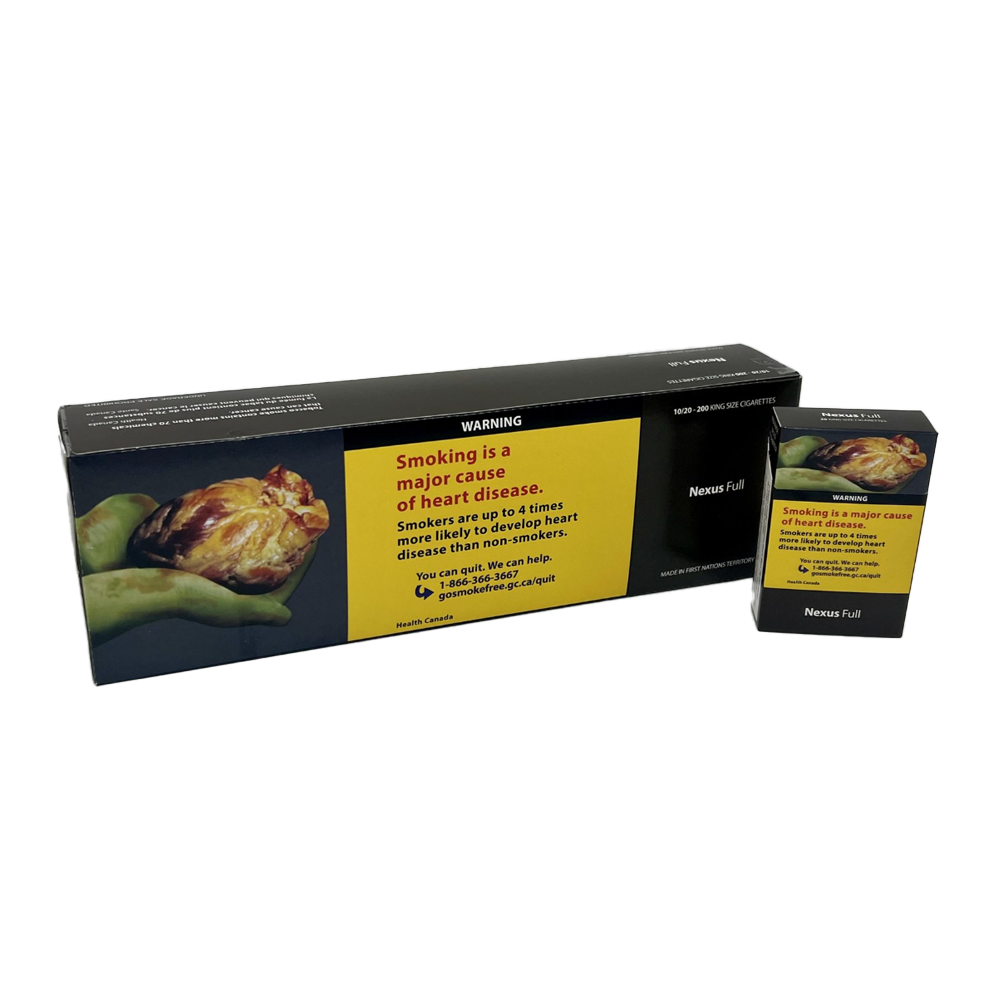
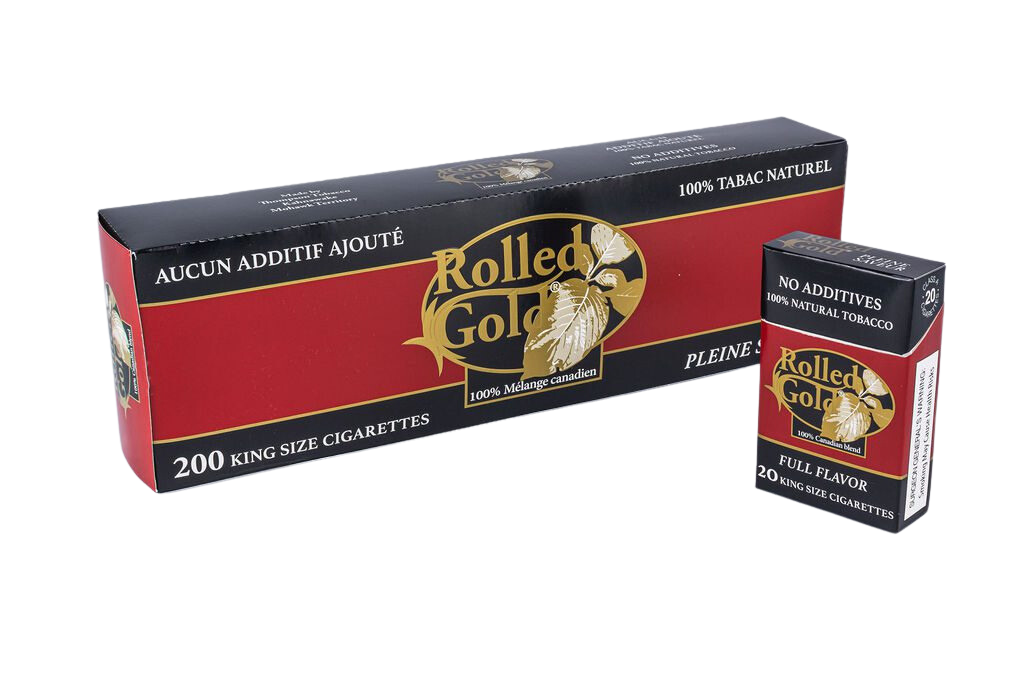
⭐ Excluded: BB light Manitoba, BB full Manitoba, Chanel Blueberry, Chanel ice. See all 29+ native brands at Cigstore.ca.
🚚 Delivery Across Canada – $29 Flat Rate
We ship to every province and territory using Canada Post, Purolator, FedEx, and UPS. Orders over $290 qualify for FREE shipping. Age verification (19+) required upon delivery.
📦 Same-day dispatch for orders before 2 PM EST. Tracking provided within 24 hours.
📚 You Might Also Enjoy These Articles
History of Smoking in Canadian Bars & Pubs
From smoke-filled taverns to clean air.
History of Smoking in Canadian Restaurants
From elegant ashtrays to full bans.
Why Do Nurses Smoke More Than Other Healthcare Professionals?
Stress, shift work, and the hidden crisis.
Tobacco & Trucker Culture in Canada
Long-haul smokes and the open road.
Why Every Bar in the Last Century Had Ashtrays
The essential bar accessory that defined an era.