
How Pipe Smoking Affects Your Teeth and Gums
Dental Stains, Gum Disease, Tooth Loss, and Oral Cancer — The Hidden Toll
🦷🚬 Pipe smoking is often perceived as sophisticated, traditional, and somehow “less harmful” than cigarettes. This is a dangerous misconception. While pipe smokers may not inhale as deeply as cigarette smokers, the smoke still makes direct, prolonged contact with the teeth, gums, tongue, and oral mucosa. The result: severe dental staining, aggressive gum disease, tooth loss, and a dramatically elevated risk of oral cancer. This article examines the specific dental and oral health consequences of pipe smoking, the mechanisms behind them, and what pipe smokers can do to protect their smiles.
Tooth loss risk: 3x higher | Gum disease: 4-5x higher
Oral cancer risk: 5-10x higher (depending on frequency)
Many pipe smokers believe that because they don’t inhale, they are protected from smoking-related diseases. This is false. Oral tissues absorb nicotine, tar, and carcinogens directly through the mucous membranes. A 2010 study in the Journal of the American Dental Association found that pipe smokers have similar rates of periodontal disease and tooth loss as cigarette smokers — and in some cases, higher rates of oral cancer.
🟤 Brown Stains: The Most Visible Damage
Pipe tobacco produces thick, tar-rich smoke that is held in the mouth for extended periods. The result is deep, stubborn brown or yellowish-brown stains on the teeth — particularly on the upper incisors, canines, and the lingual (tongue-side) surfaces.
- 🔬 Mechanism: Tar and nicotine condense on tooth enamel, penetrating microscopic pores. Over time, these compounds oxidize and darken, forming stains that regular brushing cannot remove.
- 🦷 Location matters: Unlike cigarette smokers (who often have uniform staining), pipe smokers typically have asymmetric staining — darker on the side where the pipe is held and on teeth that contact the stem.
- 🧴 Professional cleaning: While hygienists can remove surface stains with scaling and polishing, deeper stains may require professional whitening or microabrasion.
- ⏳ Permanent damage: After years of pipe smoking, stains can become intrinsic (inside the enamel), requiring veneers or crowns to correct.
🦷 Gum Disease: The Silent Destroyer
Nicotine is a potent vasoconstrictor — it reduces blood flow to the gums. This masks the early signs of gum disease (bleeding, redness), allowing infection to progress unnoticed. By the time a pipe smoker notices symptoms, significant damage may have occurred.
- 🩸 Masked bleeding: Healthy gums bleed when probed. Smokers’ gums often don’t bleed — even when infected — because nicotine constricts blood vessels. This leads to delayed diagnosis.
- 📉 Bone loss: Chronic inflammation destroys the alveolar bone that holds teeth in place. Pipe smokers lose bone at 2-3 times the rate of non-smokers.
- 😬 Receding gums: As gum tissue pulls away from teeth, roots become exposed, leading to sensitivity, decay, and eventual tooth loss.
- ⚠️ Treatment challenges: Smoking reduces the effectiveness of periodontal treatments (scaling, root planing, surgery). Smokers heal more slowly and have higher relapse rates.
- 📊 The numbers: A 15-year study found that 42% of pipe smokers had moderate to severe periodontitis, compared to 18% of non-smokers.
🦷 Tooth Loss: The Final Consequence
Tooth loss is the end-stage of untreated gum disease. Pipe smokers are significantly more likely to lose teeth than non-smokers — and they lose them at younger ages.
- 📉 Statistics: Pipe smokers aged 50-64 have an average of 3-4 missing teeth, compared to 1-2 in non-smokers.
- 🦷 Implant failure: Pipe smokers who receive dental implants have failure rates 2-3 times higher than non-smokers due to reduced bone healing and increased infection risk.
- 💰 Financial cost: Replacing missing teeth with implants or bridges costs $3,000-6,000 per tooth. For multiple missing teeth, costs exceed $20,000.
- 🍎 Quality of life: Tooth loss affects nutrition (difficulty chewing fruits, vegetables, meat), speech, and self-esteem.
⚠️ Oral Cancer: The Deadliest Risk
This is the risk that most pipe smokers underestimate. Pipe smoking is a major independent risk factor for oral cancer — affecting the lips, tongue, floor of the mouth, gums, and palate.
- 🔥 Site-specific risk: The “pipe smoker’s cancer” typically occurs on the lower lip (where the pipe rests), the lateral border of the tongue, and the buccal mucosa (inner cheek).
- 📊 Relative risk: Compared to non-smokers, pipe smokers have a 5-10x higher risk of developing oral cancer. For heavy pipe smokers (5+ bowls/day), the risk approaches that of cigarette smokers.
- 🍸 Alcohol synergy: Pipe smokers who also drink alcohol have a 15-20x higher risk of oral cancer — a multiplicative effect, not merely additive.
- 🔬 Precancerous lesions: Leukoplakia (white patches) and erythroplakia (red patches) are common in pipe smokers. These lesions become malignant in 5-15% of cases.
- 💀 Survival rates: Oral cancer has a 5-year survival rate of only 60-65% — largely because it is often diagnosed late. Regular dental screenings are essential.
📊 Oral Health Comparison: Pipe Smoker vs. Cigarette Smoker vs. Non-Smoker
| Condition | Non-Smoker | Pipe Smoker (1-3 bowls/day) | Cigarette Smoker (1 pack/day) |
|---|---|---|---|
| Moderate-Severe gum disease | 18% | 42% | 48% |
| Tooth loss (avg. by age 65) | 2-3 teeth | 6-8 teeth | 7-9 teeth |
| Oral cancer risk (relative) | 1x | 5-10x | 10-15x |
| Dental stains (visible) | 5% | 85% | 70% |
| Dental implant failure rate | 2-5% | 10-15% | 15-20% |
🎯 Why Pipe Smoking Is Uniquely Damaging to Oral Tissues
Pipe smoking differs from cigarette smoking in ways that make it particularly harmful to the mouth.
- 🔥 Higher temperature: Pipe smoke is often hotter than cigarette smoke because it is drawn through a short stem directly into the mouth without a filter.
- 🕰️ Longer exposure: A single bowl of pipe tobacco lasts 30-60 minutes, compared to 5-7 minutes for a cigarette. This means prolonged, continuous exposure of oral tissues to smoke.
- 💧 Moisture: Pipe smoke contains more moisture and particulate matter than cigarette smoke, leading to greater tar deposition on teeth and gums.
- 🦷 Direct contact: The pipe stem rests against the same spot on the lower lip and teeth for years, causing localized trauma and carcinogen exposure — the classic “pipe smoker’s keratosis.”
- 🔄 False sense of safety: Because pipe smokers often don’t inhale, they may neglect oral hygiene and skip dental checkups, assuming they are “safe.” This delay leads to advanced disease at diagnosis.
🛡️ How Pipe Smokers Can Protect Their Oral Health
The only truly effective protection is quitting. However, for those who continue to smoke a pipe, these measures can reduce (but not eliminate) damage:
- 🪥 Aggressive oral hygiene: Brush 2-3 times daily with a fluoride toothpaste. Floss daily. Consider an electric toothbrush for more effective plaque removal.
- 🦷 Regular dental checkups: Visit your dentist every 6 months — not every year. Ask for a thorough oral cancer screening (visual and tactile exam of all oral tissues).
- 🧴 Professional cleanings: Scaling and polishing every 6 months can remove surface stains and detect early gum disease. Consider more frequent cleanings (every 3-4 months) if you have existing periodontal disease.
- 🚿 Rinse after smoking: Rinse your mouth with water immediately after smoking to reduce tar and nicotine residue. Some pipe smokers use baking soda rinses to neutralize acids.
- 🍎 Hydration and diet: Drink plenty of water to counteract dry mouth (which accelerates tooth decay). Limit sugary and acidic foods.
- 🧪 Quit aids: If you want to quit, nicotine replacement therapy (patches, gum) can help with cravings without exposing your mouth to smoke.
🚨 Red Flags: When to See a Dentist Immediately
Pipe smokers should not wait for their regular checkup if they notice any of these symptoms:
- 🤍 A white or red patch on the tongue, gum, cheek, or lip that does not heal within 2 weeks.
- 🩸 A sore or ulcer that bleeds easily or does not heal.
- 😖 Numbness, pain, or tenderness anywhere in the mouth or lips.
- 📉 A lump, thickening, or rough spot on the lip, gum, or inside the cheek.
- 🤔 Difficulty chewing, swallowing, speaking, or moving the tongue or jaw.
- 🦷 Loose teeth or changes in the fit of dentures.
Do not ignore these signs. Early detection of oral cancer dramatically improves survival rates.
📦 Are Native Cigarettes a Safer Alternative for Pipe Smokers?
Some pipe smokers considering switching to cigarettes ask whether native cigarettes (Playfare, Canadian, DuMont) are “less harmful” than pipe tobacco. The answer is no. All tobacco products contain nicotine, tar, and carcinogens. Switching from a pipe to native cigarettes simply trades one set of oral risks (lip cancer, gum disease from heat) for another set (lung cancer, deeper inhalation).
- 💰 Financial note: If you do smoke cigarettes, native brands are far more affordable — a carton costs $35-50 vs. $180-220 for commercial brands. But health-wise, there is no “safe” tobacco.
- 🚭 Harm reduction? The only proven harm reduction strategy for pipe smokers is quitting entirely or switching to nicotine replacement therapy (patches, gum).
- 🦷 Dental impact remains: Cigarette smoking also causes gum disease, tooth loss, and oral cancer — just with a different distribution (less lip cancer, more lung cancer).
🔥 Top 5 Popular Products for Canadian Smokers




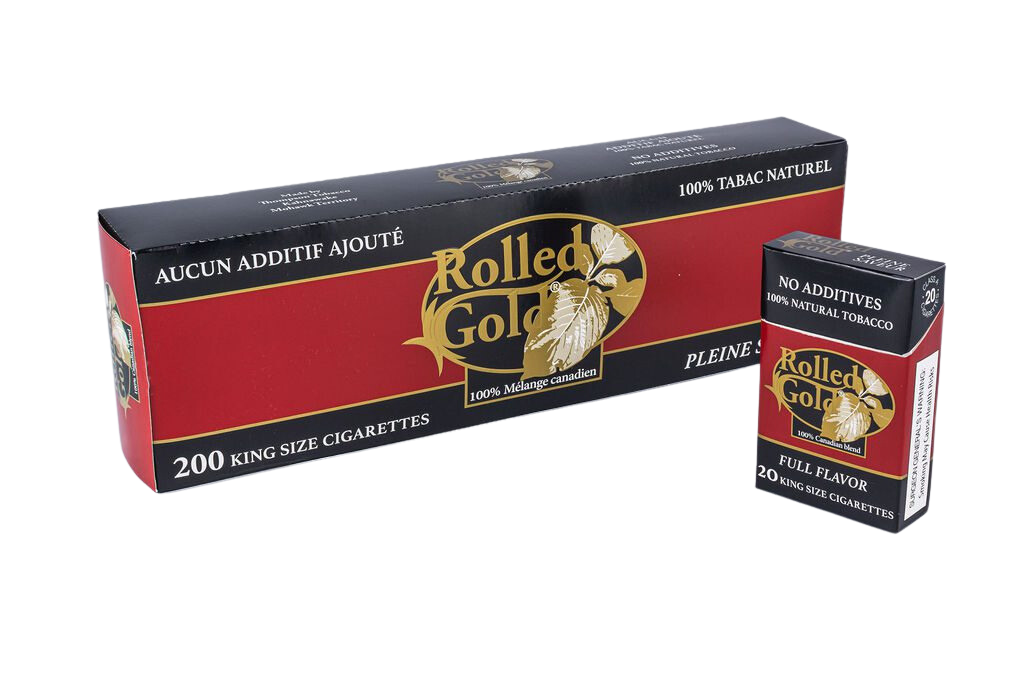
⭐ Excluded: BB light Manitoba, BB full Manitoba, Chanel Blueberry, Chanel ice. See all 29+ native brands at Cigstore.ca.
🚚 Delivery Across Canada – $29 Flat Rate
We ship to every province and territory using Canada Post, Purolator, FedEx, and UPS. Orders over $290 qualify for FREE shipping. Age verification (19+) required upon delivery.
📦 Same-day dispatch for orders before 2 PM EST. Tracking provided within 24 hours.
📚 You Might Also Enjoy These Articles
How Smoking Affects Your Skin, Hair, and Nails
The visible effects of tobacco on your body.
Smoking and Dental Health
Stains, gum disease, and implants.
Filter vs. Non-Filter Cigarettes
Historical and chemical comparison.
Why Are Some Filters Yellow?
The chemistry behind filter colours.
Smoking and Tongue Colour
What your tongue reveals about your health.