
Why Roll-Your-Own Cigarettes Are Not Safer Than Factory-Made Cigarettes
Debunking the Myth of “Natural” and “Additive-Free” Hand-Rolled Tobacco
📜🚬 Many smokers believe that roll-your-own (RYO) cigarettes — often called “rollies” — are a healthier alternative to factory-made cigarettes. The arguments sound convincing: “No additives.” “Less chemicals.” “It’s just tobacco and paper.” These beliefs are dangerous myths. Scientific research consistently shows that RYO cigarettes contain the same carcinogens, the same levels of tar and nicotine, and carry the same risks of lung cancer, COPD, and heart disease as commercial cigarettes. In some cases, RYO cigarettes may be more harmful due to higher tar yields and the absence of filter ventilation. This article examines the evidence and explains why rolling your own does not make smoking safe.
There is no safe threshold for RYO tobacco use.
A 2015 study published in the journal Nicotine & Tobacco Research analyzed the chemical composition of popular RYO tobacco brands and found no significant difference in levels of tobacco-specific nitrosamines (TSNAs), polycyclic aromatic hydrocarbons (PAHs), or other carcinogens compared to factory cigarettes. The belief that RYO tobacco is “purer” or “less chemical” is based on marketing, not science.
🧪 Myth #1: “No Additives” Means Safer
Many RYO smokers choose hand-rolled tobacco because they believe additives are the dangerous part of factory cigarettes. This is backwards. The primary danger in all tobacco products is the tobacco itself — specifically the thousands of chemicals created when tobacco burns.
- 🔥 Combustion is the problem: Whether you add “chemicals” or not, burning organic matter produces tar, carbon monoxide, formaldehyde, acrolein, benzene, and dozens of other carcinogens. These are not “additives” — they are products of combustion.
- 📊 TSNA levels: Tobacco-specific nitrosamines (TSNAs) are among the most potent carcinogens in tobacco. Studies show that RYO tobacco contains TSNA levels comparable to or higher than factory cigarettes.
- 📈 The “natural” fallacy: “Natural” does not mean “safe.” Poison ivy is natural. Hemlock is natural. Arsenic is natural. The absence of artificial additives does not make tobacco smoke harmless.
- 📋 Marketing deception: Tobacco companies have historically used “additive-free” claims to mislead consumers into thinking RYO products are safer — a tactic that regulators have criticized as deceptive marketing.
📉 Myth #2: RYO Cigarettes Have Less Tar and Nicotine
Because RYO cigarettes are often smaller and looser-packed than factory cigarettes, some smokers assume they deliver less tar and nicotine. The opposite is often true.
- 🧪 Tar yields are higher: Standardized machine testing shows that many hand-rolled cigarettes deliver 2-3 times more tar than commercial filtered cigarettes. A typical factory cigarette has a ventilated filter that dilutes smoke with air. RYO cigarettes have no filter or a simple non-ventilated filter, meaning higher tar delivery.
- 🫁 Deeper inhalation: Smokers of hand-rolled cigarettes often inhale more deeply and hold the smoke longer to compensate for the “harsher” taste — increasing lung exposure.
- 📊 Nicotine levels: RYO tobacco is not “light” or “mild.” Nicotine content varies by brand, but many popular RYO tobaccos have nicotine levels comparable to full-flavour commercial cigarettes.
- 📏 Packing density matters: Inexperienced rollers may pack tobacco too loosely, causing the cigarette to burn faster and hotter — delivering more toxins per puff. Experienced rollers may pack too tightly, making it harder to draw and increasing the temperature of combustion.
🚫 Myth #3: Smoking Without a Filter Is “More Natural”
Some RYO smokers deliberately smoke unfiltered cigarettes, believing filters trap “good” compounds or that filtering is unnatural. This is a dangerous choice. Filters are not designed to make cigarettes safe — they simply reduce tar and nicotine yields slightly. Smoking without a filter increases exposure to tar and carcinogens.
- 📊 Health data: A meta-analysis of 25 studies found that smokers of unfiltered cigarettes have a 30-40% higher risk of lung cancer than smokers of filtered cigarettes. The risk difference is even greater for oral and esophageal cancers.
- 🩺 Historical evidence: In the 1950s, before filters became standard, lung cancer rates among smokers were even higher than today. Filters modestly reduce (but do not eliminate) risk.
- 🧴 Filter ventilation myths: Some RYO smokers believe that filter ventilation holes (tiny pinpricks on the filter paper) are “chemical” or “unnatural.” In fact, these holes dilute smoke with air, reducing tar and carbon monoxide. Removing them increases toxin delivery.
💰 Myth #4: RYO Cigarettes Are a “Better Value” Than Native Cartons
Some smokers switch to RYO because they believe it is cheaper than buying cartons — even native cartons. The math is more complicated.
- 📦 Cost comparison: A 50g pouch of RYO tobacco costs $30-60 in Canada. An experienced roller can make 50-70 cigarettes from 50g (about 2.5-3.5 cartons equivalent). But if you value your time, RYO may not be cheaper than pre-made native cartons at $35 per carton.
- ⏰ Time cost: Rolling 20 cigarettes takes 15-30 minutes per day. For a minimum wage earner, that time has value. Native cigarettes eliminate rolling time.
- ⚖️ Health cost: Even if RYO were slightly cheaper, the higher tar delivery and lack of filter ventilation may increase long-term health costs — both financial and personal.
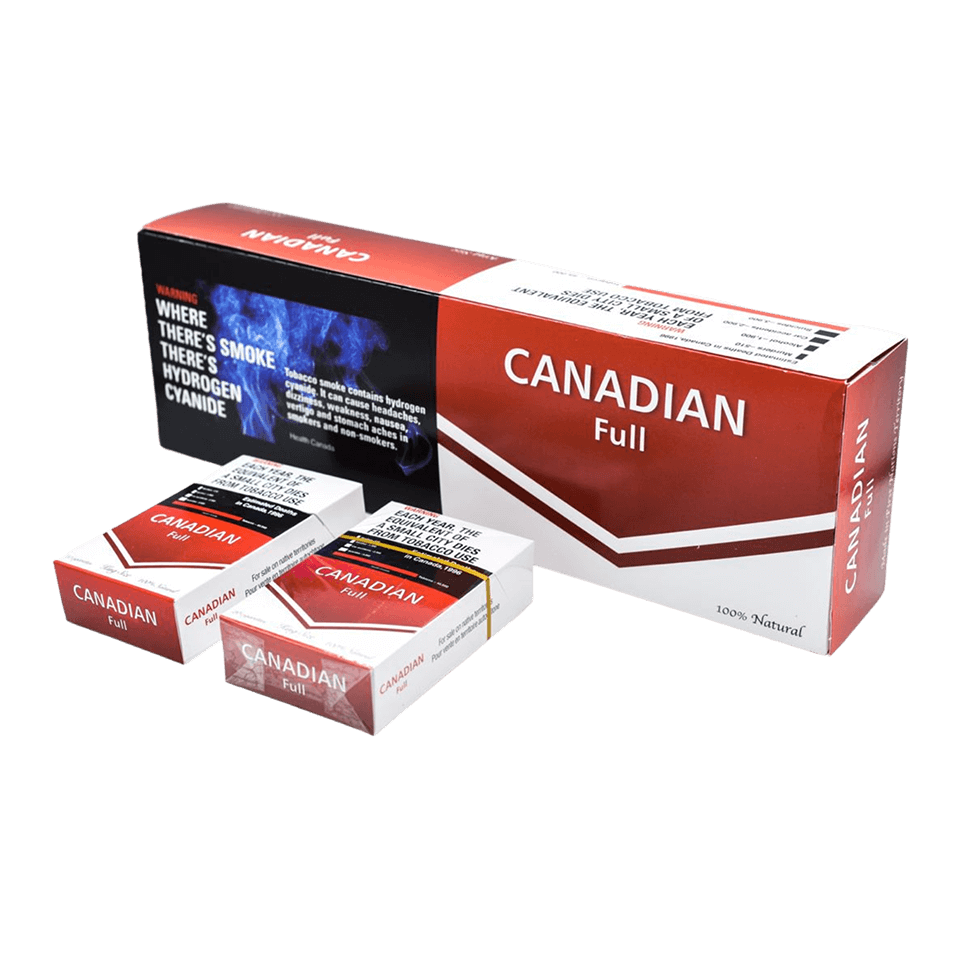
- 📉 Bottom line: Native cigarette cartons (Playfare, Canadian, DuMont) at $35 per carton are competitively priced with RYO and require no rolling time or skill.
🔬 Chemical Comparison: RYO vs. Factory Cigarettes
| Substance | RYO Cigarettes (No Filter) | Factory Cigarettes (Ventilated Filter) |
|---|---|---|
| Tar (mg/cigarette) | 15-30 mg | 8-15 mg |
| Nicotine (mg/cigarette) | 1.2-2.5 mg | 0.8-1.5 mg |
| Carbon Monoxide (mg/cigarette) | 15-25 mg | 10-15 mg |
| TSNAs (carcinogens) | Comparable or higher | Moderate levels |
| Benzene (volatile organic compound) | Present at similar levels | Present at similar levels |
| Filter ventilation | None or minimal | Yes (reduces tar) |
🧠 Why Do People Believe RYO Is Safer? The Psychology of “Natural” Fallacy
The belief that hand-rolled cigarettes are safer is a classic example of the “naturalistic fallacy” — the mistaken belief that “natural” equals “good” or “safe.” This bias is exploited by tobacco companies through marketing terms like “additive-free,” “100% natural,” and “original.”
- 📢 Marketing history: In the 1970s and 80s, tobacco companies introduced “natural” RYO blends to attract health-conscious smokers. Internal documents revealed that companies knew these claims were misleading but used them anyway.
- 📉 Perceived control: Rolling your own cigarette gives a sense of control over the product — “I know exactly what’s in it.” This perceived control reduces perceived risk, even when actual risk remains unchanged.
- 🚬 Ritual and identity: Hand-rolling is often associated with countercultural or “artisanal” identities. Smokers who identify with these groups may reject scientific evidence because it conflicts with their self-image.
- 📋 Regulatory gaps: In Canada, RYO tobacco packaging has not been subject to the same plain packaging requirements as factory cigarettes (though this is changing). Older RYO pouches may still feature “natural” imagery that misleads consumers.
🫁 Real-World Health Outcomes: What the Studies Show
Epidemiological studies directly comparing RYO smokers to factory-cigarette smokers find no significant difference in mortality or disease rates when smoking intensity is accounted for. In other words, smoking 20 hand-rolled cigarettes per day is just as deadly as smoking 20 factory cigarettes per day.
- 📊 Lung cancer: A 2015 meta-analysis (11 studies, 22,000 participants) found no difference in lung cancer risk between exclusive RYO smokers and exclusive factory-cigarette smokers.
- ❤️ Cardiovascular disease: RYO smokers have the same elevated risk of heart attack, stroke, and hypertension as other smokers.
- 🫁 COPD: Chronic bronchitis and emphysema rates are identical between RYO and factory-cigarette smokers.
- 😷 Oral cancer: RYO smokers who do not use filters have higher rates of lip and oral cavity cancers due to direct contact with burning tobacco.
⚠️ A Dangerous Trend: Smoking Pipe Tobacco as RYO
To avoid cigarette taxes, some smokers buy “pipe tobacco” (taxed at a lower rate) and roll it into cigarettes. This is particularly dangerous. Pipe tobacco is cured and processed differently than cigarette tobacco — it often contains higher levels of moisture and humectants, which produce even higher levels of carcinogens when burned in a cigarette paper.
- 📦 Tax loophole: In Canada, pipe tobacco is taxed at a lower rate than fine-cut cigarette tobacco. Some RYO smokers exploit this loophole — but they are smoking a product never intended for inhalation.
- 🔥 Higher toxicity: Studies show that “pipe tobacco” cigarettes deliver significantly more tar, nicotine, and carbon monoxide than either factory cigarettes or fine-cut RYO tobacco.
- 📋 Health Canada warning: Health Canada has specifically warned against using pipe tobacco for RYO cigarettes due to increased health risks.
📦 Native Cigarettes: A Better Alternative to RYO?
For smokers who have been rolling their own to save money, native cigarette cartons offer a comparable or better value without the time and hassle of rolling. A carton of Playfare Full, Canadian Full, or DuMont Full costs $35-50 for 200 cigarettes — similar to the cost of 3-4 pouches of RYO tobacco. And native cigarettes come with filters, consistent quality, and no rolling required.
- 💰 Price comparison: A 50g pouch of RYO tobacco makes ~60 cigarettes for $30-60. That’s $0.50-1.00 per RYO cigarette. A native carton gives you 200 cigarettes for $35-50 — $0.17-0.25 per cigarette. Native cartons are significantly cheaper.
- 🫁 Filter benefit: Native cigarettes have filters (though not ventilated like some commercial brands). Filters reduce tar and nicotine delivery compared to unfiltered RYO.
- ⏰ Time saving: No rolling means more time for work, family, or rest.
- ⚖️ Health note: Native cigarettes are not “safe” — they contain the same carcinogens as all cigarettes. But for smokers who will not quit, switching from unfiltered RYO to filtered native cigarettes may modestly reduce tar exposure.
🔥 Top 5 Popular Native Cigarettes (A Convenient Alternative to RYO)


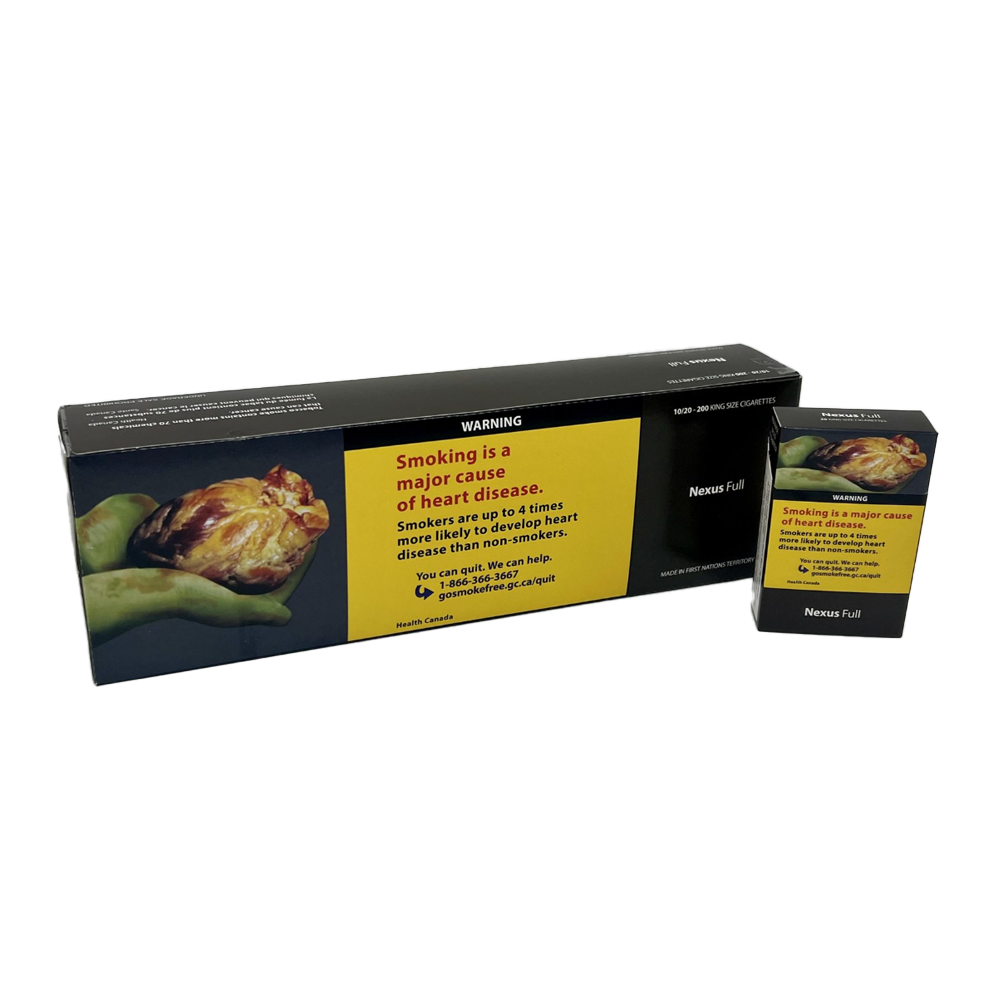
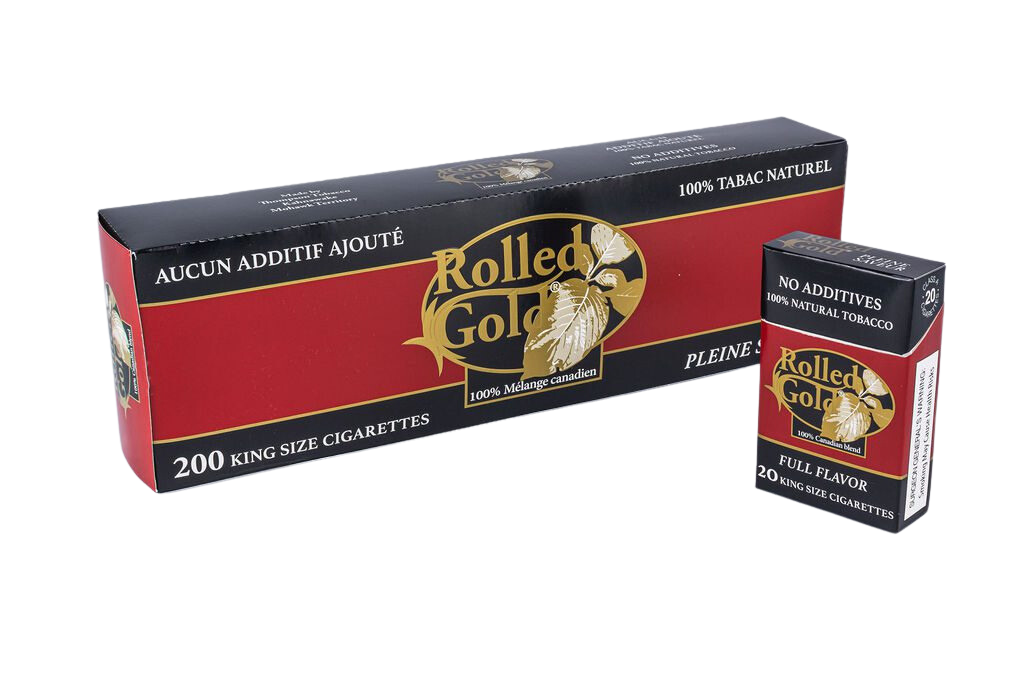
⭐ Excluded: BB light Manitoba, BB full Manitoba, Chanel Blueberry, Chanel ice. See all 29+ native brands at Cigstore.ca.
🚚 Delivery Across Canada – $29 Flat Rate
We ship to every province and territory using Canada Post, Purolator, FedEx, and UPS. Orders over $290 qualify for FREE shipping. Age verification (19+) required upon delivery.
📦 Same-day dispatch for orders before 2 PM EST. Tracking provided within 24 hours.
📚 You Might Also Enjoy These Articles
Filter vs. Non-Filter Cigarettes
Historical and chemical comparison.
Why Are Some Filters Yellow?
The chemistry behind filter colours.
How Tobacco Cut Affects Smoke
Packing density and flavour.
Chemistry of Capsule Cigarettes
How Canadian Crush releases flavour.
Why Native Cartons Have 200 Cigarettes
The history behind the count.