
Best and Worst Canadian Employers for Smokers
Where to Work, Where to Avoid, and Your Legal Rights
💼🚬 If you smoke, your job search is more complicated than you might think. Some Canadian employers have adopted nicotine-free hiring policies — meaning they won’t hire smokers at all. Others strictly ban smoking on their entire premises, including outdoor areas. And a surprising new federal law now prohibits employers from even asking if you smoke [citation:8]. This article ranks Canadian employers from smoker-friendly to smoker-hostile, explains your legal rights, and provides practical tips for navigating the workplace as a smoker.
Smokers are 18% less likely to receive a job interview than non-smokers [citation:8].
Smokers earn 7.4% less on average than non-smokers with the same qualifications [citation:8].
A new Canadian law bans employers from asking about smoking status [citation:8].
⚖️ Your Legal Rights as a Smoking Employee
Understanding your legal rights is the first step to finding a smoker-friendly workplace. The legal landscape has changed dramatically in recent years:
- 📜 The Cannabis and Tobacco Fairness Act (2024-2025): This federal law prohibits employers from asking job candidates about their smoking status. Employers cannot require applicants to declare whether they smoke. Violations carry fines of $5,000 per incident [citation:8].
- 🏢 Non-Smokers’ Health Act (federally regulated workplaces): Employers must ensure no one smokes in any work space under their control. Fines for employers: $500-$10,000. Fines for smokers: $50-$100 [citation:1][citation:3][citation:4].
- 🚫 Provincial smoke-free laws: Every province bans smoking in enclosed workplaces. Some provinces (BC, AB, NB, YK, NU) require completely smoke-free workplaces — no designated smoking rooms allowed. Others (ON, QC, NS, NT, PEI, NL, FED) permit designated smoking rooms with strict ventilation requirements [citation:5].
- 🧾 No more “smoker” labels on medical reports: Medical reports can only record “nicotine dependence assessment” — not “smoker” — preventing employers from using health data to discriminate [citation:8].
- ⚖️ Reverse onus of proof: If you prove you were asked about smoking, the employer must prove they didn’t use that information to discriminate [citation:8].
✅ Best Canadian Employers for Smokers
🏛️ Federal Public Service
Why it’s good: The federal government cannot ask about smoking status under the Cannabis and Tobacco Fairness Act. Designated smoking rooms are permitted in federal workplaces. The government also offers smoking cessation programs to employees who wish to quit [citation:6][citation:9].
Smoking policy: Smoking prohibited in all federal workplaces except designated smoking rooms. Outdoor smoking allowed in designated areas, typically at least 3-9 metres from building entrances depending on the province [citation:5][citation:6].
🏗️ Construction & Trades (Small-Medium Companies)
Why it’s good: Many smaller construction companies and trades businesses do not test for nicotine or ask about smoking during hiring. Outdoor worksites naturally allow smoking breaks away from indoor areas.
Smoking policy: Varies by company. Most prohibit smoking inside work vehicles and indoor offices but allow smoking outdoors during breaks. Some companies have designated smoking areas on worksites.
🚚 Trucking & Logistics (Owner-Operator)
Why it’s good: Owner-operators are their own bosses — they set their own smoking policies. Even company drivers in trucking often have more flexibility than office workers due to the nature of the job.
Smoking policy: Depends on the company. Some fleets have banned smoking in company vehicles, but many owner-operators smoke in their cabs. See our article on tobacco and trucker culture for more details.
Note: Even in “good” employers, indoor smoking is always prohibited. Smokers must use designated outdoor areas.
❌ Worst Canadian Employers for Smokers
🚚 U-Haul (Nicotine-Free Hiring Policy)
Why it’s bad: U-Haul has a nicotine-free hiring policy. Since February 1, 2020, the company will not hire or re-hire individuals who use nicotine products in many US states [citation:2]. While this policy applies primarily to US locations, it signals the company’s stance on nicotine use. Canadian applicants should check local policies carefully.
Legal note: The Cannabis and Tobacco Fairness Act prohibits employers from asking about smoking status in Canada [citation:8]. However, employers may still test for nicotine in some circumstances (e.g., safety-sensitive positions).
🏥 Most Hospitals & Healthcare Institutions
Why it’s bad: Most Canadian hospitals have completely smoke-free campuses — meaning no smoking anywhere on hospital property, including parking lots and outdoor walkways. Employees who smoke must leave hospital property entirely, often walking to public sidewalks.
Smoking policy: Zero tolerance on campus. Some hospitals offer smoking cessation programs but do not accommodate smokers on-site. Breaking the policy can lead to disciplinary action.
🏢 Go Auto (Alberta Car Dealership Group)
Why it’s bad: Go Auto has a comprehensive smoke-free policy covering all indoor areas, outdoor grounds, and company vehicles (including customer vehicles and demo cars). Employees may only smoke in designated areas that comply with local bylaws [citation:10].
Smoking policy: “Employees are asked to smoke only in designated smoking areas and must ensure that they are fully respecting local smoking bylaws and refrain from smoking within the bylaw specified distance from entrances and windows” [citation:10].
⚠️ Mixed/Uncertain Employers (Proceed with Caution)
🏭 Large Manufacturing & Warehousing (Amazon, Walmart, etc.)
Why it’s mixed: Policies vary by location and shift. Some warehouses allow smoking in designated outdoor areas; others have completely smoke-free campuses. Amazon, for example, generally prohibits smoking on its premises but allows employees to leave the property during breaks.
Smoking policy: Check your specific facility’s policy before applying. Many large corporations do not test for nicotine during hiring but prohibit smoking on-site.
🍽️ Restaurants & Hospitality
Why it’s mixed: Smoking indoors has been banned in Canadian restaurants and bars since the 2000s. However, policies on outdoor smoking (patios, back entrances) vary by employer and provincial law. Some provinces ban smoking on patios entirely (Ontario, 2015); others allow it under certain conditions.
Smoking policy: Never indoors. Patio smoking depends on provincial regulations and employer policies. Many employers require staff to smoke off property entirely.
📋 Provincial Workplace Smoking Rules: What Employers Must Provide
| Province/Territory | Designated Smoking Rooms Allowed? | Outdoor Halo (distance from entrances) | Work Vehicles Ban? |
|---|---|---|---|
| British Columbia | ❌ No | 6 metres | Yes (enclosed vehicles) |
| Alberta | ❌ No | 5 metres | Yes (all work vehicles) |
| Saskatchewan | ❌ No | None specified | Yes (all work vehicles) |
| Manitoba | ❌ No | None specified | Yes (2+ occupants) |
| Ontario | ✅ Yes (with ventilation) | None specified | Yes (all work vehicles) |
| Quebec | ✅ Yes (with ventilation) | None specified | Yes (2+ occupants) |
| New Brunswick | ❌ No | 9 metres | Yes (2+ occupants) |
| Nova Scotia | ✅ Yes | None specified | Yes (2+ occupants) |
| PEI | ✅ Yes | None specified | No ban specified |
| Newfoundland & Labrador | ✅ Yes | None specified | No ban specified |
| Yukon | ❌ No | 5 metres | Yes (2+ persons) |
| Northwest Territories | ✅ Yes | None specified | Yes (all work vehicles) |
| Nunavut | ❌ No | 3 metres | Yes (all work vehicles) |
| Federal (Crown corps, banks, airlines) | ✅ Yes (with ventilation) | None specified | No ban specified |
📊 Source: HR Insider analysis of provincial and federal smoke-free laws [citation:5].
🔍 How to Find a Smoker-Friendly Employer
- 📋 Check the company’s smoke-free policy: Most employers post their smoking policies on their websites (look in “Careers” or “Policies” sections). Look for terms like “smoke-free campus,” “nicotine-free hiring,” or “designated smoking areas.”
- ❓ Ask about outdoor smoking areas during the interview (carefully): You cannot be asked about your smoking status, but you can ask about workplace amenities. Phrase it as: “Does the workplace have designated outdoor smoking areas for employees?”
- 📞 Call the HR department anonymously: Before applying, call the company’s HR line and ask about their smoking policy without identifying yourself.
- 👥 Network with current employees: Use LinkedIn or industry connections to ask current employees about the smoking culture at their workplace.
- 🏢 Target small to medium businesses: Smaller companies often have more flexible policies than large corporations with formal smoke-free campus rules.
- 🚫 Avoid healthcare, education, and large retail: These sectors tend to have the strictest smoke-free policies.
🚫 What Employers Legally Cannot Do (Your Rights)
- ❌ Cannot ask “Do you smoke?” on job applications or in interviews — The Cannabis and Tobacco Fairness Act prohibits this [citation:8].
- ❌ Cannot require you to declare your smoking status — Even in onboarding paperwork [citation:8].
- ❌ Cannot fire you for smoking outside of work hours — Unless you work in a safety-sensitive position where nicotine use poses a direct threat.
- ❌ Cannot use medical reports that label you a “smoker” — Reports can only say “nicotine dependence assessment” [citation:8].
- ❌ Cannot retaliate against you for asking them to enforce smoke-free laws — Reprisal protection exists in most provinces [citation:5].
- ✅ Can require you not to smoke in the workplace — All provinces ban smoking in enclosed workplaces.
- ✅ Can require you to smoke only in designated areas — If DSRs are permitted in your province.
- ✅ Can test for nicotine in safety-sensitive positions — But results can only be used for “job fitness,” not as an automatic disqualifier [citation:8].
🔮 The Future: Trends in Workplace Smoking Policies
The trend is clear: workplaces are becoming increasingly smoke-free. However, the legal landscape is also providing more protections for smokers:
- 📉 More smoke-free campuses: Hospitals, universities, and large corporations are increasingly adopting 100% smoke-free campus policies.
- 📈 More “nicotine-free hiring” policies (legal challenges pending): Some US companies like U-Haul have adopted nicotine-free hiring. Legal challenges to these policies are ongoing [citation:2].
- ⚖️ Stronger anti-discrimination protections for smokers: The Cannabis and Tobacco Fairness Act is a major step toward protecting smokers from hiring discrimination [citation:8].
- 🏥 More employer-sponsored cessation programs: Many employers now offer free smoking cessation programs (nicotine patches, counselling) as part of wellness benefits [citation:9].
- 💨 Vaping complicates the landscape: Most provincial laws treat vaping the same as smoking. “Vape-friendly” workplaces are extremely rare.
💡 Practical Tips for Smoking Employees
- 🚬 Know your workplace’s designated smoking areas: Never smoke near building entrances, windows, or air intakes. In some provinces, you must be 3-9 metres away [citation:5].
- ⏰ Manage your break time: Factor in the time to walk to the designated smoking area. Don’t exceed your allotted break time.
- 🧥 Keep a “smoking jacket” at work: Change into a jacket before smoking to minimize smoke smell on your work clothes.
- 💼 Never lie about smoking on hiring forms: But you don’t have to volunteer the information either. Answer only what is legally required.
- 📦 Consider native cigarettes to save money: If you smoke, native cigarettes at $35-50 per carton are much more affordable than commercial brands at $140-180. But remember: you still cannot smoke at work.
- 🩺 If you want to quit, ask about cessation benefits: Many employers offer free nicotine replacement therapy through their benefits plans [citation:9].
🔥 Top 5 Native Cigarettes for Canadian Smokers
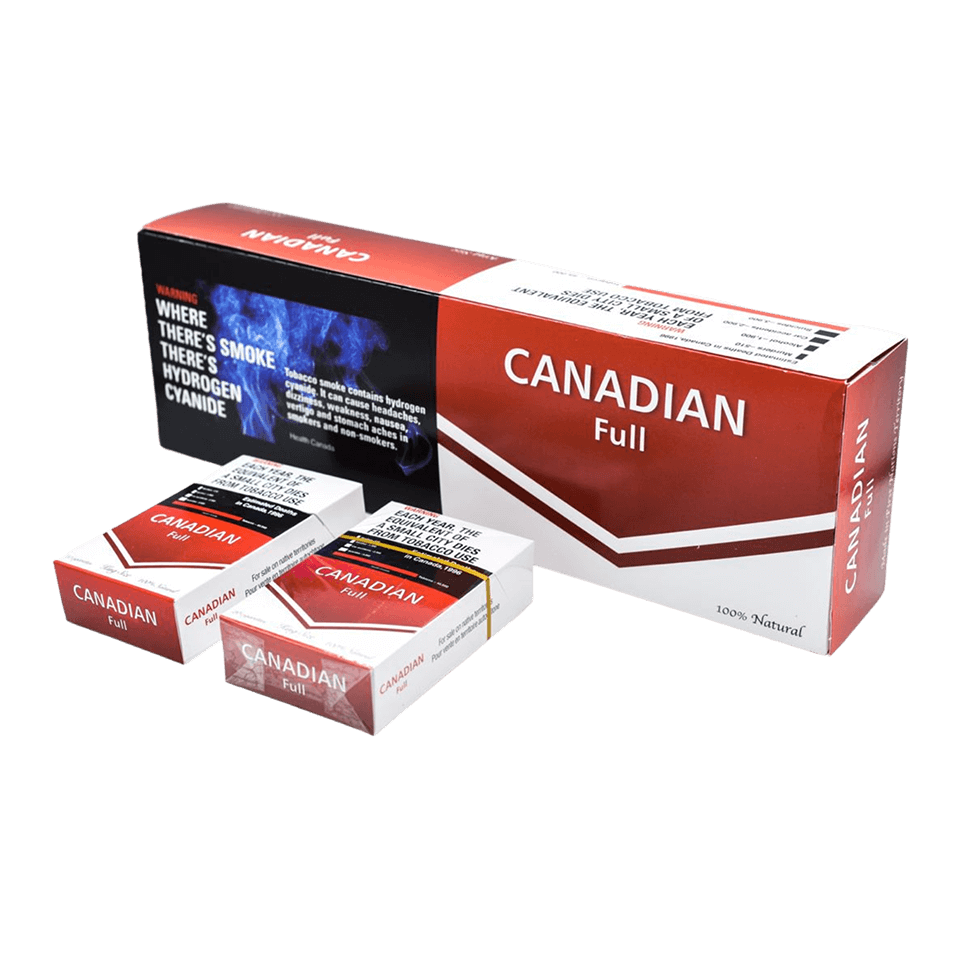

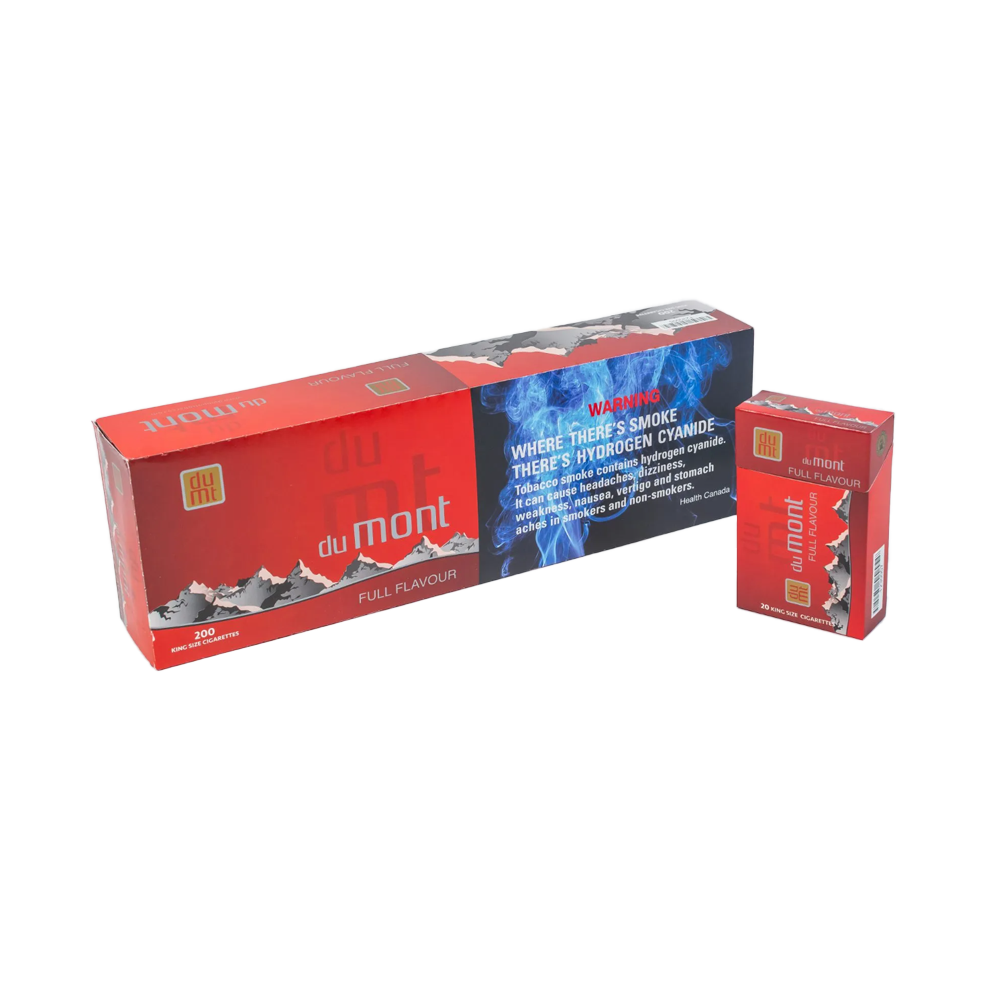
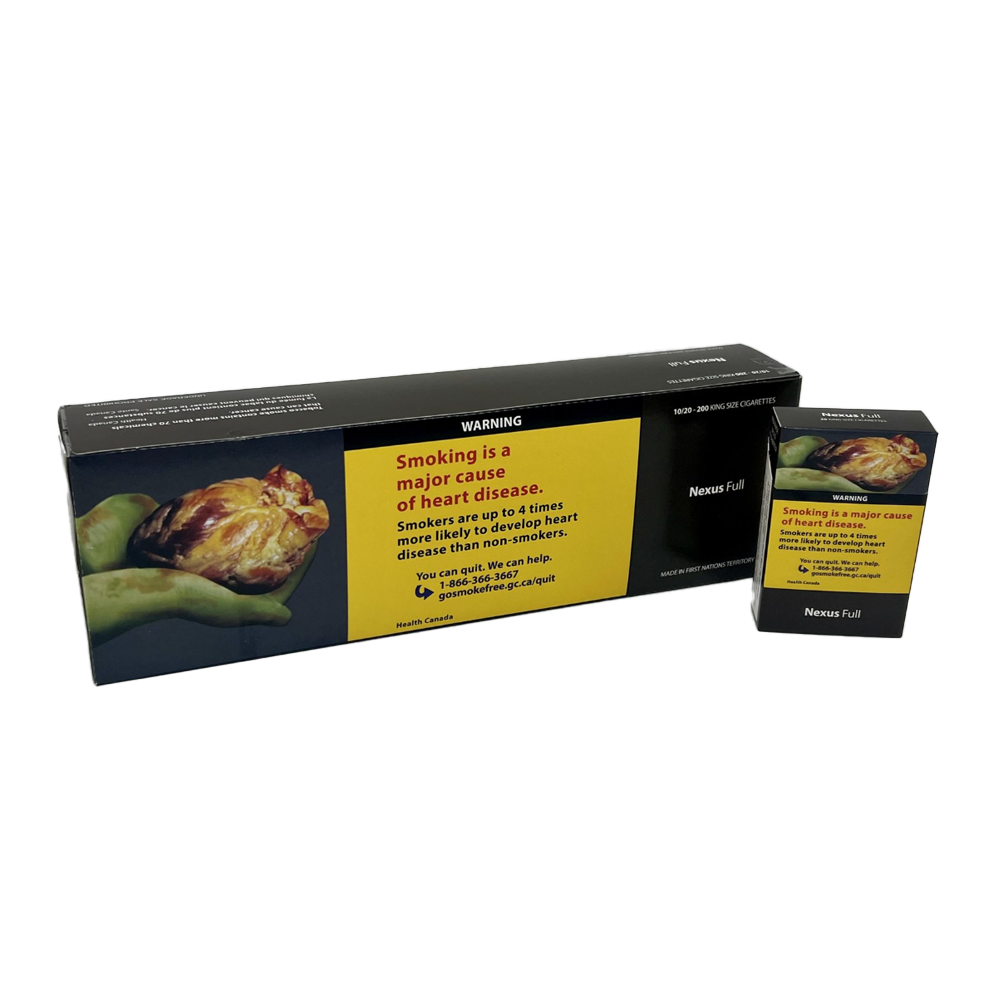
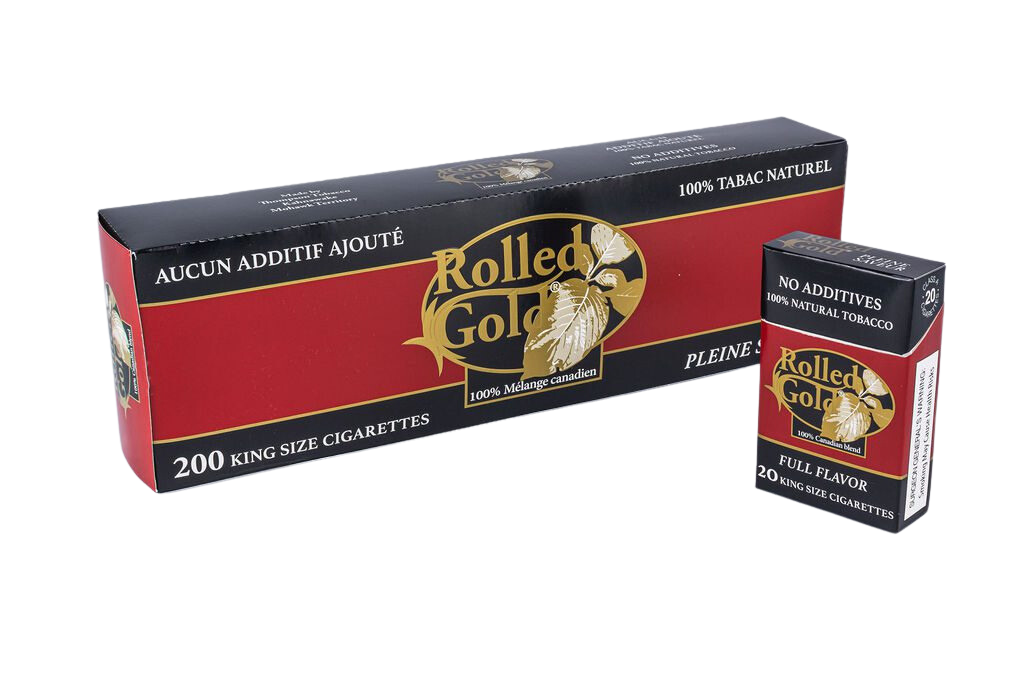
⭐ Excluded: BB light Manitoba, BB full Manitoba, Chanel Blueberry, Chanel ice. See all 29+ native brands at Cigstore.ca.
🚚 Delivery Across Canada – $29 Flat Rate
We ship to every province and territory using Canada Post, Purolator, FedEx, and UPS. Orders over $290 qualify for FREE shipping. Age verification (19+) required upon delivery.
📦 Same-day dispatch for orders before 2 PM EST. Tracking provided within 24 hours.
💼 Note for employees: Store your cigarettes securely at home. Never bring them into a smoke-free workplace.
📚 You Might Also Enjoy These Articles
Tobacco & Trucker Culture in Canada
Long-haul smokes and the open road.
Why Cigarettes Are Expensive
Complete federal & provincial tax breakdown.
Smoking in the Territories
Life in Yukon, NWT, and Nunavut.
Quebec Smoking Culture
Why it’s different from the rest of Canada.
Is It Legal to Buy Native Cigarettes Online?
Lawyer-reviewed legal guide.
⚠️ LEGAL DISCLAIMER: This article is for informational purposes only and does not constitute legal advice. Smoking laws and employment regulations vary by province and may change. Always consult a qualified legal professional for advice specific to your situation. The Cannabis and Tobacco Fairness Act provisions described apply to federally regulated workplaces; provincial laws may differ [citation:8].