
Why Do Nurses Smoke More Than Other Healthcare Professionals?
Stress, Shift Work, Moral Distress, and the Hidden Crisis on Hospital Wards
🏥🚬 Nurses know the health risks of smoking better than almost anyone. They witness the consequences daily: lung cancer, COPD, heart disease, and stroke. Yet paradoxically, smoking rates among nurses are consistently higher than among doctors — and in some countries, nurses smoke at rates approaching the general population . This article explores the complex reasons behind this hidden crisis: the intense stress of bedside care, the physiological disruption of 12-hour night shifts, the culture of self-sacrifice that prioritizes patients’ well-being over nurses’ own health, and the barriers to cessation that nurses face . Understanding why nurses smoke is the first step toward helping them quit — for their own health and for the example they set for patients.
Nurses: 34-50% (in some studies) | Doctors: 19-25% | General Population: ~12-15%
Nurses are 2-3x more likely to smoke than physicians .
A landmark study of hospital staff in Italy found that the prevalence of smoking among nurses was 49.8% compared to 33.9% among doctors — a statistically significant difference . Similar patterns have been documented in Japan (39% of male nurses vs. 19% of male doctors; 14% of female nurses vs. 3% of female doctors) and Turkey (34% of nurses vs. 19% of doctors) . The consistency of this finding across countries suggests systemic, not individual, factors are driving the disparity.
😫 Cause #1: Chronic, Unrelenting Occupational Stress
Nursing is consistently ranked among the most stressful professions. Unlike many high-stress jobs, nursing combines emotional labor, physical demands, life-and-death decision-making, and systemic understaffing — all within a 12-hour shift. Research on healthcare workers in long-term care settings found that smoking was frequently used as a coping mechanism for job stress .
- ⚰️ Moral distress: Nurses often face situations where they cannot provide the care they know is right due to staffing shortages, budget constraints, or administrative policies. This “moral distress” is a powerful driver of maladaptive coping behaviors, including smoking .
- 🔄 High patient turnover: A single nurse may care for 5-10 critically ill patients in a shift. The constant pressure to prioritize, multitask, and make split-second decisions creates sustained physiological arousal.
- 😔 Emotional exhaustion (burnout): Studies have found that nurses with high burnout scores are significantly more likely to smoke. Smoking is used as a way to “take a break” — even though nicotine actually increases physiological stress markers.
- 🩺 The “hidden” epidemic: The COVID-19 pandemic dramatically increased stress levels among nurses. Some studies have suggested that smoking rates among healthcare workers increased during the pandemic as a coping response .
📖 Nurse’s testimony: “After 12 hours on a medical-surgical floor with six patients, three call bells constantly ringing, and a patient coding, that 10-minute cigarette break is the only time I have to myself all day. I know it’s killing me. But right now, it’s keeping me sane.”
🌙 Cause #2: 12-Hour Shifts, Night Work, and Circadian Chaos
Approximately 90% of hospital-based nurses work rotating night shifts . The human body is not designed for this schedule. Shift work disrupts circadian rhythms, increases cortisol levels, impairs glucose metabolism, and is independently associated with increased nicotine cravings and cigarette consumption.
- 📉 Increased cravings at night: Nicotine withdrawal symptoms are more severe during night shifts because the body is fighting both sleep deprivation and the absence of nicotine. Nurses working nights report stronger urges to smoke.
- 💤 Sleep deprivation as a trigger: Poor sleep quality (a near-universal experience among shift-working nurses) lowers impulse control and increases stress reactivity — making it harder to resist a cigarette.
- ☕ The coffee + cigarette loop: Many nurses use caffeine to stay alert during night shifts. The combination of caffeine and nicotine is highly reinforcing — the two substances amplify each other’s effects .
- 🚬 Smoking as an “anti-fatigue” tool: Some nurses report using cigarettes to stay awake during slow periods on night shifts — a dangerous strategy given that nicotine withdrawal worsens fatigue in the long run.
📊 Key Finding: A study of critical care nurses found that shift work has an “adverse effect on the health of a nurse,” including increased stress, sleep deprivation, and cardiovascular disease — and recommended “reducing the use of cigarettes” as a specific mitigation strategy .
📚 Cause #3: Educational and Socioeconomic Differences
The gap in smoking rates between nurses and doctors may partly reflect differences in education and socioeconomic background. Nurses typically hold college diplomas or bachelor’s degrees, while physicians hold doctoral-level degrees. Higher educational attainment is strongly associated with lower smoking rates.
- 🎓 The Champlain Nurses’ Study (Ontario): This study of 406 hospital-based nurses found that smokers were significantly more likely to have a college diploma (71.9%) rather than a university bachelor’s degree (36.9%) . Education level remained a significant correlate of smoking status.
- 💰 Income differences: Although nurses earn a comfortable salary, physicians earn significantly more. Higher income is correlated with lower smoking rates, though the relationship is complex.
- 📊 International pattern: The nurse-doctor smoking gap exists across countries with vastly different healthcare systems — suggesting that educational stratification plays a role.
🩺 Cause #4: The “Nurse as Martyr” Culture
Nursing culture historically glorifies self-sacrifice. Nurses are trained to prioritize patients’ needs above their own health, safety, and well-being. This cultural script has two consequences for smoking:
- 🚫 Lack of self-care: Nurses who would never advise a patient to smoke may allow themselves to continue smoking because “I don’t have time to focus on myself.”
- 😔 Guilt and shame: Many nurses who smoke experience significant guilt and shame because they know they are setting a bad example for patients. This shame paradoxically increases stress — which increases the urge to smoke.
- 🤝 Peer normalization: In high-stress units (ICU, emergency, oncology), smoking may be normalized among nursing staff. When colleagues smoke, individual nurses are less likely to quit.
- 📋 The “smoking break” as resistance: For some nurses, taking a cigarette break is a way to reclaim agency in a work environment that demands constant giving. The break itself — not just the nicotine — is psychologically important.
📊 Nurses vs. Doctors: What the Research Shows
| Country / Study | Nurses Smoking Rate | Doctors Smoking Rate | Difference |
|---|---|---|---|
| Italy (Ficarra et al.) | 49.8% | 33.9% | +15.9% |
| Japan (Ikeda et al., male) | 39% | 19% | +20% |
| Japan (Ikeda et al., female) | 14% | 3% | +11% |
| Turkey (University hospital) | 34% | 19% | +15% |
| Ontario, Canada (Champlain Nurses’ Study) | 8% (current daily/occasional) | Not directly compared | N/A — lower than historical estimates |
📊 Sources: International studies cited in the Russian dissertation review . Canadian rates are lower but the nurse-doctor gap persists internationally.
🏥 Cause #5: Rural vs. Urban Hospitals
Where a nurse works matters. The Champlain Nurses’ Study found that nurses working in rural hospitals were significantly more likely to smoke than those in urban hospitals (34.4% vs. 17.4%, p = 0.018).
- 🌾 Rural health disparities: Rural communities have higher smoking rates overall, and workplace norms reflect this.
- 📋 Fewer cessation resources: Rural nurses have less access to smoking cessation programs, nicotine replacement therapy, and specialized counselling.
- 🩺 Higher stress, fewer staff: Rural hospitals often have even more severe staffing shortages than urban centres, increasing nurse stress.
- 🚬 Native cigarette availability: Rural nurses may have easier access to affordable native cigarettes (Playfare, Canadian, DuMont) at $35-50 per carton, making continued smoking more economically feasible.
👩⚕️ Cause #6: Gender, Immigration, and Visible Minority Status
Nursing is a predominantly female profession (approximately 90% female in Canada). Research on long-term care workers found that smoking was more prevalent among women and immigrants — both overrepresented in nursing.
- 📊 Immigrant health transition: Immigrant nurses may arrive in Canada with established smoking habits. The stress of acculturation, credentialing challenges, and social isolation can make quitting harder .
- 🔬 Gender differences in nicotine metabolism: Women metabolize nicotine differently than men and may have different reasons for smoking (stress reduction vs. stimulation). Female nurses report smoking more for emotional regulation .
- 🧾 Visible minority status: Nurses who are members of visible minority groups may face additional workplace discrimination and stress, which can increase smoking risk .
🚫 Why Nurses Struggle to Quit: Specific Barriers
Nurses face unique barriers to smoking cessation that generic programs often fail to address:
- 😔 Fear of weight gain: Many nurses (especially women) fear that quitting will lead to weight gain — a particular concern in a profession that values physical stamina.
- ⏰ No time for withdrawal symptoms: Nurses cannot afford to be irritable, anxious, or unfocused during a 12-hour shift caring for critically ill patients. The acute withdrawal period is professionally untenable for many.
- 🔥 The “shift smoke” ritual: After a traumatic patient death or a chaotic code, the cigarette break is a ritualized coping mechanism. Disrupting that ritual without providing an alternative is challenging.
- 📋 Low self-efficacy: Studies using the Barriers Specific Self-Efficacy Scale found that smoking nurses had significantly lower confidence in their ability to cope with smoking triggers than non-smoking nurses .
- 🧪 Nicotine replacement therapy (NRT) stigma: Some nurses feel that using nicotine patches or gum is “cheating” or “still being addicted” — despite NRT being an evidence-based cessation tool.
✅ Evidence-Based Cessation Strategies for Nurses
Despite the challenges, nurses can quit successfully — with tailored support. Research suggests the following approaches work for this population:
- 🏥 Workplace-based cessation programs: On-site group counselling during shift hours (paid) removes the barrier of “no time.”
- 💊 Free nicotine replacement therapy (NRT): Providing free patches, gum, or lozenges through employee health benefits doubles quit rates.
- 📞 Peer support groups for nurses: Groups specifically for healthcare professionals reduce the shame of “knowing better.”
- ⚖️ Education on withdrawal management: Nurses need practical strategies for managing irritability and cravings during shifts — including short-acting NRT (gum, lozenge) that can be used on the unit.
- 🩺 Address weight concerns: Including weight management counselling in cessation programs reduces the fear of post-cessation weight gain.
- 📋 The “smoke-free campus” as opportunity: When hospitals implement smoke-free campus policies, they should simultaneously offer enhanced cessation support — rather than simply punishing nurses who smoke.
🤔 The Knowledge-Practice Gap: Why Knowing Better Isn’t Enough
One of the most puzzling aspects of smoking among nurses is the knowledge-practice gap. Nurses know the risks. They can recite the statistics: smoking causes 17% of all deaths in Canada, claims 36,500 lives annually, and costs the healthcare system $6.5 billion per year . Yet they continue to smoke.
- 📉 Education alone is insufficient: The gap between knowing and doing is not unique to smoking — it affects diet, exercise, medication adherence, and many health behaviors.
- 🧠 Cognitive dissonance: Many nurses use rationalizations to reduce the discomfort of smoking despite knowing the risks: “I’m otherwise healthy,” “I don’t smoke that much,” or “We all die of something.”
- 🔥 The “optimism bias”: Smokers systematically underestimate their personal risk of smoking-related disease compared to the average smoker. Nurses are not immune to this bias.
- 🩺 For more on this psychological paradox, see our article: The “One More Loop”: Why It’s So Hard to Stop After the First Cigarette
📦 A Note on Native Cigarettes: An Affordable Option (But Still Harmful)
Nurses who smoke — like all smokers — face high costs. Commercial cigarettes in Canada cost $16-22 per pack, or $140-180 per carton. Native cigarettes (Playfare, Canadian, DuMont) cost $35-50 per carton, a savings of 70-80%. For nurses on shift work who may smoke a pack a day, switching to native cigarettes saves $5,000-7,000 per year.
- 💰 Financial stress relief: Lower-cost cigarettes reduce financial stress — which itself is a trigger for continued smoking.
- 🚫 Not a harm reduction strategy: Native cigarettes contain the same nicotine, tar, and carcinogens as commercial brands. The only difference is price and packaging — not safety.
- 🩺 The goal remains quitting: For nurses who cannot quit, native cigarettes are an affordable option. But cessation remains the only path to reducing health risks.
- ⚕️ Nurses as role models: Nurses who smoke native cigarettes should still be aware that they are setting an example for patients — and should never smoke in uniform or on hospital property.
🔥 Top 5 Native Cigarettes (For Nurses Who Have Not Yet Quit)
⚕️ Important note for healthcare professionals: The safest option for your health — and for the example you set for patients — is to quit smoking entirely. If you continue to smoke, native cigarettes are an affordable option. But please: never smoke in uniform, never smoke on hospital property, and never underestimate the power of your example.
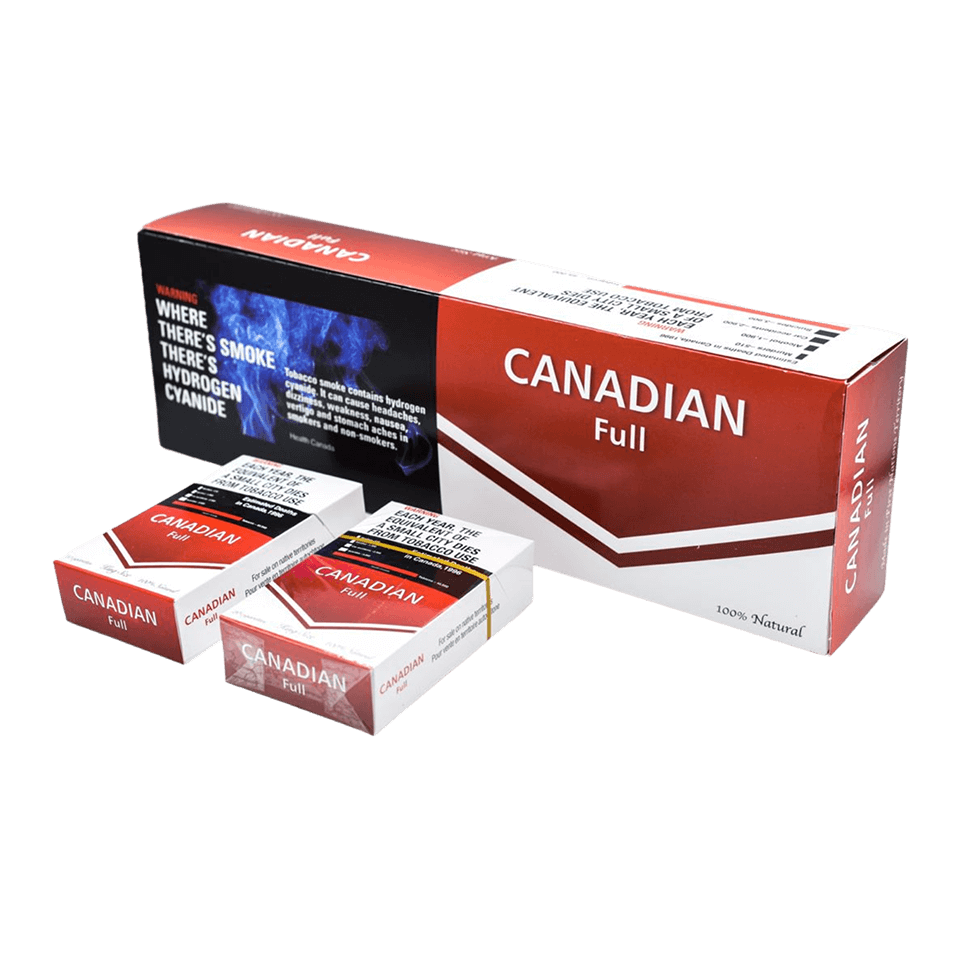


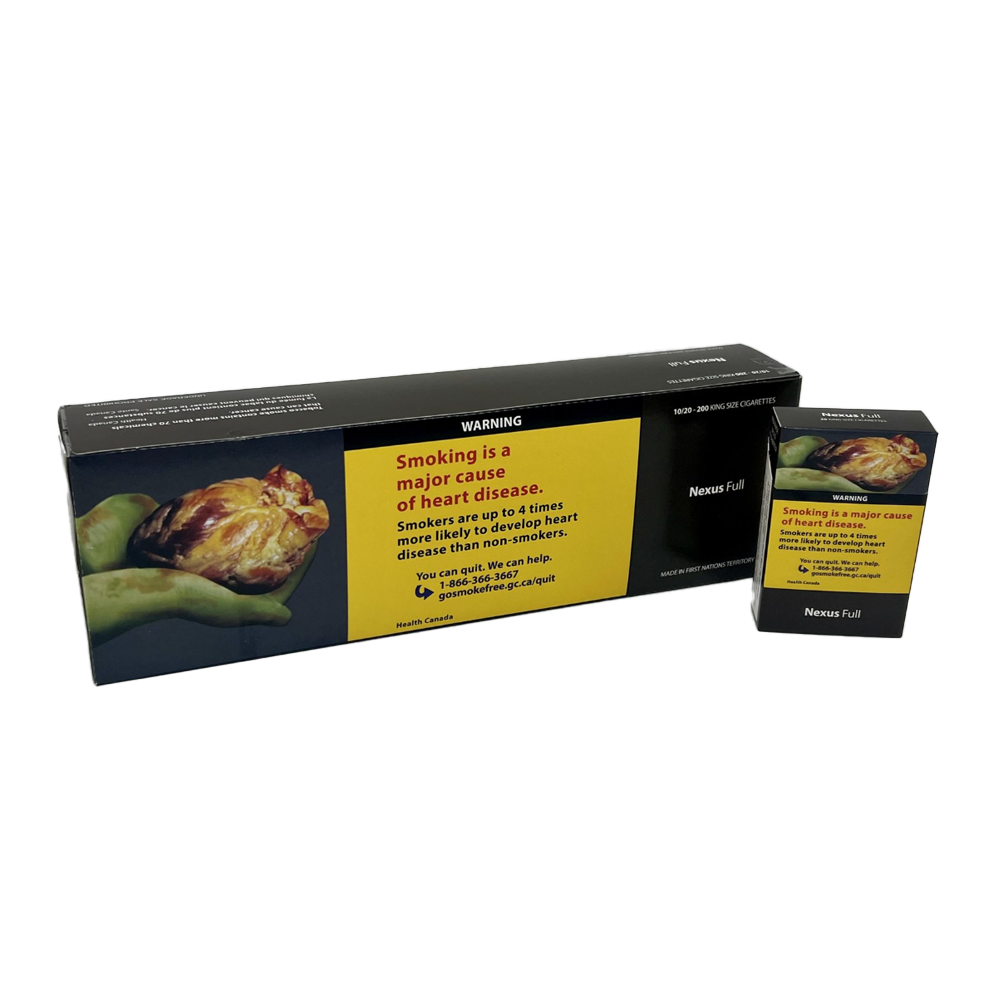
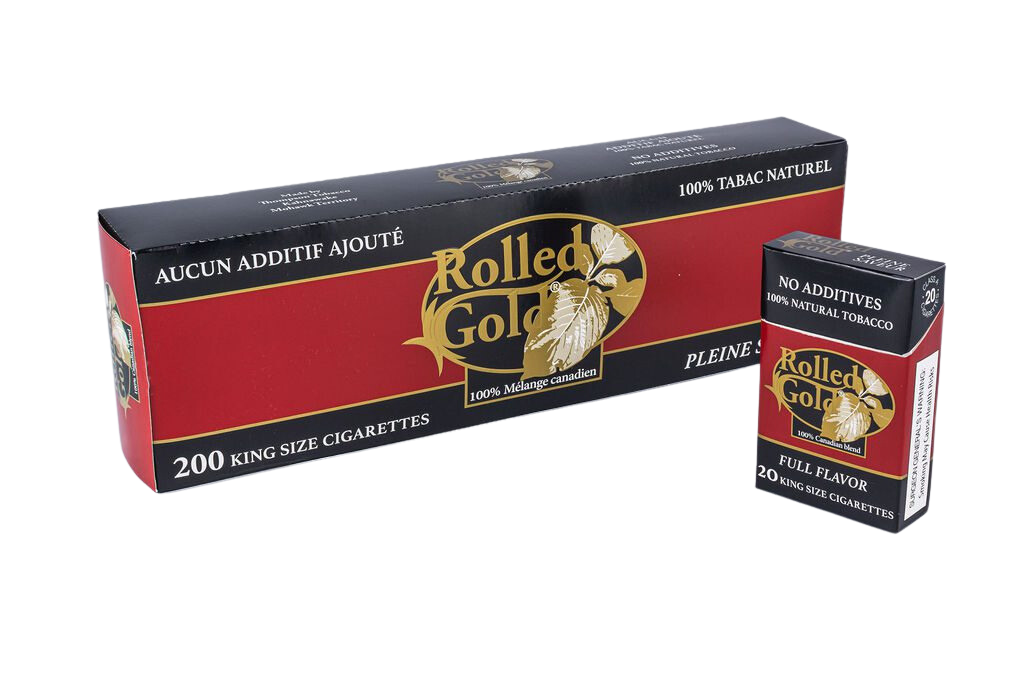
⭐ Excluded: BB light Manitoba, BB full Manitoba, Chanel Blueberry, Chanel ice. See all 29+ native brands at Cigstore.ca.
🚚 Delivery Across Canada – $29 Flat Rate
We ship to every province and territory using Canada Post, Purolator, FedEx, and UPS. Orders over $290 qualify for FREE shipping. Age verification (19+) required upon delivery. For nurses: We recommend having your order shipped to your home address, not your workplace — most hospitals prohibit receiving personal packages.
📦 Same-day dispatch for orders before 2 PM EST. Tracking provided within 24 hours.
📚 You Might Also Enjoy These Articles
Smoking and Stress: The Neuroscience
Why nicotine feels calming (and why it’s a trap).
Why Smokers Smoke More in Winter
Seasonal patterns and coping strategies.
Smoking and Testosterone
Effects on men’s health and performance.
How Smoking Affects Your Skin, Hair, and Nails
The visible effects of tobacco on your body.
The “One More Loop”
Why it’s so hard to stop after the first cigarette.