
What to Do If You Smoke and Are Having Surgery
Risks, Anesthesia, Wound Healing, and How to Prepare for Better Outcomes
🩺🚬 You have surgery scheduled. You’re nervous. And you smoke. You might be tempted to hide your smoking from your surgeon or anesthesiologist — or to keep smoking until the last possible moment. This would be a dangerous mistake. Smoking significantly increases the risks of surgery: complications from anesthesia, poor wound healing, infections, blood clots, and even death. But there is good news: quitting smoking — even temporarily — dramatically improves your surgical outcomes. This article explains exactly what happens to your body when you smoke before surgery, why you must be honest with your healthcare team, how to prepare, and what to expect during your hospital stay.
Smokers are 2-3x more likely to experience post-surgical complications.
Quitting 4-8 weeks before surgery reduces complication rates to near non-smoker levels.
Even quitting 24-48 hours before surgery helps with anesthesia and oxygen levels.
⚠️ CRITICAL WARNING: Do not hide your smoking from your surgeon or anesthesiologist. Your life depends on their having accurate information. Nicotine and carbon monoxide affect anesthesia dosing, heart rate, blood pressure, and oxygen delivery. Lying about smoking could kill you. Be honest. Your healthcare team is not there to judge you — they are there to keep you safe.
⚠️ How Smoking Affects Your Body Before, During, and After Surgery
💨 Anesthesia Risks
Nicotine and carbon monoxide affect drug metabolism. Smokers may require higher doses of anesthetic agents, but also have higher risks of adverse reactions.
🫁 Breathing Complications
Increased risk of pneumonia, atelectasis (lung collapse), and prolonged ventilator dependence after general anesthesia.
❤️ Cardiovascular Events
Smokers have higher rates of heart attack, stroke, and blood clots during and after surgery due to nicotine’s effects on blood vessels.
🩹 Wound Healing Problems
Nicotine constricts blood vessels, reducing oxygen delivery to healing tissue. Wound infections, dehiscence (opening of incision), and poor scarring are much more common.
The mechanisms behind these risks are well understood. Carbon monoxide from cigarette smoke binds to hemoglobin 200-250 times more strongly than oxygen, reducing the oxygen-carrying capacity of your blood. Nicotine constricts blood vessels, further reducing oxygen delivery to tissues. Together, they create a state of relative hypoxia (low oxygen) — the exact opposite of what your body needs to heal from surgery.
- 🩸 Delayed wound healing: Smokers’ wounds heal 30-50% slower than non-smokers’.
- 🦠 Surgical site infections: Smokers are 2-3x more likely to develop infections at incision sites.
- 📉 Skin graft failure: Smokers have significantly higher rates of skin graft and flap necrosis.
- 🫀 Cardiac complications: Smokers have 2x the risk of heart attack during or after surgery.
- 🫁 Post-operative pneumonia: Smokers are 3-4x more likely to develop pneumonia after general anesthesia.
✅ The Benefits of Quitting: Even a Little Helps
The body begins to heal almost immediately after you stop smoking. Even a short period of abstinence before surgery yields measurable benefits.
- 📅 12-24 hours after quitting: Carbon monoxide levels drop to near-normal. Blood oxygen levels improve.
- 📅 48-72 hours after quitting: Nicotine and its metabolites (cotinine) begin to clear from the body. Blood vessel constriction begins to reverse.
- 📅 2-4 weeks after quitting: Lung function improves. Coughing and sputum production decrease. Cilia in the lungs begin to recover.
- 📅 4-8 weeks after quitting: Wound healing capacity improves dramatically. Complication rates approach those of never-smokers.
📊 Key finding: Smokers who quit at least 4-6 weeks before surgery have complication rates 50% lower than those who continue smoking. Those who quit 8+ weeks before surgery have rates nearly identical to never-smokers.
🗣️ Being Honest: What to Tell Your Healthcare Team
Before your surgery, disclose:
- 📊 How many cigarettes you smoke per day. “I smoke 5 per day” vs. “I smoke 2 packs per day” makes a huge difference in anesthesia planning.
- 📅 When you last smoked. “I smoked yesterday” vs. “I quit 3 weeks ago” changes your risk profile.
- ⏳ How long you have smoked. “10 pack-years” vs. “40 pack-years” affects lung health expectations.
- 🚫 Whether you have tried to quit. Your healthcare team may be able to help with nicotine replacement therapy (NRT).
- 💨 Whether you use vapes or e-cigarettes. Vaping also affects nicotine levels and lung function.
- 💊 Whether you use nicotine gum, patches, or lozenges. These affect anesthesia and heart rate even if you aren’t smoking.
🚫 DO NOT LIE. Smokers who hide their smoking from anesthesiologists are at significantly higher risk of intraoperative complications, including inadequate pain control and adverse drug reactions. Your safety depends on accurate information.
💊 Should You Use Nicotine Replacement Therapy (NRT) Before Surgery?
If you cannot quit smoking entirely before surgery, nicotine replacement therapy (NRT) — patches, gum, lozenges — is generally safer than continued smoking. However, you must discuss this with your surgeon and anesthesiologist. Nicotine itself (not just cigarette smoke) affects blood vessel constriction and heart rate.
- ✅ NRT is safer than smoking: NRT delivers nicotine without the carbon monoxide, tar, and thousands of other toxins in cigarette smoke. The carbon monoxide component of smoking is particularly dangerous for surgery.
- ⚠️ But NRT is not risk-free: Nicotine still constricts blood vessels and can affect wound healing, though to a much lesser degree than smoking.
- 📋 Anesthesiologist consultation is essential: Your anesthesiologist needs to know about all nicotine products you are using.
- 🩹 Some surgeons recommend stopping NRT 24-48 hours before surgery: This varies by procedure and individual patient. Follow your surgeon’s specific instructions.
- 📦 Native cigarettes are NOT a substitute for NRT: Switching to native brands (Playfare, Canadian, DuMont) does not reduce surgical risks — they contain the same nicotine, tar, and carbon monoxide as commercial cigarettes.
📊 Surgical Outcomes: Smokers vs. Non-Smokers
| Complication | Non-Smokers | Smokers (continued) | Risk Increase |
|---|---|---|---|
| Surgical site infection | 2-4% | 8-12% | 2-3x higher |
| Pneumonia | 1-3% | 6-10% | 3-4x higher |
| Heart attack (perioperative) | 0.5-1% | 2-3% | 2-3x higher |
| Wound dehiscence (incision opening) | 1-2% | 5-8% | 3-4x higher |
| ICU admission post-op | 5-10% | 15-25% | 2-3x higher |
| 30-day mortality | 1-2% | 3-5% | 2-3x higher |
📊 Sources: Meta-analyses of surgical outcomes in smokers vs. non-smokers. Data from over 100,000 patients.
🏥 During Your Hospital Stay: What to Expect
Canadian hospitals are now 100% smoke-free. You cannot smoke anywhere on hospital property — not in your room, not in the hallways, not in outdoor designated areas (most have removed them). Here’s what to expect:
- 🚭 No smoking on hospital grounds: Provincial laws prohibit smoking on all hospital property, including parking lots and walkways. Fines range from $500-$5,000.
- 💊 Nicotine replacement therapy (NRT) is available: Ask your nurse for nicotine patches or gum. Most hospitals provide free NRT to patients who smoke.
- 😔 Withdrawal management: If you are a heavy smoker, you may experience irritability, anxiety, and cravings. Tell your nurse — there are medications and strategies to help.
- 📋 Be honest about cravings: Your healthcare team is not there to judge you. They need to know if you are experiencing withdrawal so they can help.
- ⚠️ Do not try to sneak a cigarette: Smoking with an oxygen cannula (even if removed briefly) is extremely dangerous. Patients have died from oxygen-fed fires.
📖 Pro tip: Before your surgery, ask your pre-admission nurse: “What nicotine replacement products are available in the hospital? Can I bring my own patches or gum?” This will help you plan.
🩹 After Surgery: Special Wound Care for Smokers
Because smokers have reduced blood flow and oxygen delivery to healing tissues, post-surgical wound care is even more critical. Follow these guidelines:
- 🩺 Inspect your incision daily: Look for redness, swelling, warmth, or drainage — signs of infection. Smokers are at higher risk, so don’t ignore early signs.
- 🚑 Report fever, chills, or increased pain immediately: These could indicate infection or dehiscence.
- 🩹 Avoid tension on the incision: Smoking weakens tissue strength. Avoid heavy lifting, straining, or any activity that pulls on your incision.
- 🍎 Nutrition matters: Smokers have lower vitamin C levels (which is essential for collagen production and wound healing). Eat vitamin C-rich foods (oranges, bell peppers, broccoli) or take a supplement after consulting your doctor.
- 💧 Stay hydrated: Proper hydration supports blood flow to healing tissues.
- 📋 Most importantly: DO NOT SMOKE POST-OP: Smoking during the healing period dramatically increases the risk of wound complications, including infection and dehiscence. If you cannot quit entirely, talk to your surgeon about nicotine replacement options.
🌟 The Silver Lining: Surgery as a “Teachable Moment”
Many smokers who undergo surgery never pick up another cigarette. Hospitalization is an effective “teachable moment” — a time when the health consequences of smoking become real and immediate. Studies show that smokers who quit around the time of surgery have higher long-term quit rates than the general population.
- 📈 30-50% of smokers who quit before surgery remain abstinent at 12 months. This is significantly higher than quit rates in community-based cessation programs.
- 🩺 The experience of surgery makes the risks tangible. For many smokers, their first heart attack or cancer diagnosis is what finally motivates them to quit. Surgery can be that wake-up call without the heart attack.
- 🩹 Use the NRT bridge: If you quit before surgery using NRT, continue using NRT after surgery as part of a structured cessation plan.
- 📞 Take advantage of hospital resources: Many hospitals offer post-discharge smoking cessation follow-up. Ask your discharge planner.
- 💰 Save money for recovery: If you quit smoking, redirect your cigarette budget ($5,000-7,000 per year) toward your recovery — better food, physical therapy, or even a vacation.
📦 A Note on Native Cigarettes: Not a Surgical “Safer” Option
Some smokers consider switching to native cigarettes (Playfare, Canadian, DuMont) before surgery, thinking they might be “less harmful.” This is a dangerous misconception. Native cigarettes contain the same nicotine, tar, and carbon monoxide as commercial cigarettes. The only difference is price — not safety.
- 🫁 Carbon monoxide is the same: Native cigarettes produce the same CO levels as commercial cigarettes. Your blood oxygen levels will be just as compromised.
- 💉 Nicotine content is comparable: Native cigarettes are not “light” or “mild.” They contain similar or higher nicotine levels than commercial brands.
- 🚫 No “harm reduction” for surgery: There is no such thing as a “safer cigarette” for surgical preparation. The only safe number is zero.
- 💰 If you cannot quit, native cigarettes are cheaper: If you are absolutely unable to quit before surgery, native cigarettes at $35-50 per carton are more affordable than commercial brands at $140-180. But this does not reduce your surgical risks — only quitting does.
📋 Your Pre-Surgery Checklist (If You Smoke)
- ☑️ Tell your surgeon and anesthesiologist you smoke. Be honest about how much and when you last smoked.
- ☑️ Quit as early as possible. 4-8 weeks before surgery is ideal. Even 24-48 hours helps.
- ☑️ Ask about nicotine replacement therapy (NRT). Patches, gum, or lozenges can help you quit before surgery and manage withdrawal in the hospital.
- ☑️ Do not switch to native cigarettes thinking they are “safer.” They are not. Only quitting reduces risk.
- ☑️ Plan for your hospital stay. Bring NRT if permitted. Know that you cannot smoke on hospital grounds.
- ☑️ Prepare for withdrawal. Talk to your nurse about managing cravings, irritability, and anxiety.
- ☑️ Use surgery as motivation to quit permanently. The post-operative period is an excellent time to commit to long-term cessation.
- ☑️ Call the Smokers’ Helpline (1-877-513-5333) for free, confidential support before and after your surgery.
🔥 Top 5 Native Cigarettes — Not for Surgical Preparation
🚫 Important medical warning: Do not smoke — any cigarettes, including native brands — before surgery. These products are listed for general informational purposes only. If you are scheduled for surgery, quitting entirely is the only safe option. Native cigarettes are not a “safer” alternative for surgical patients.
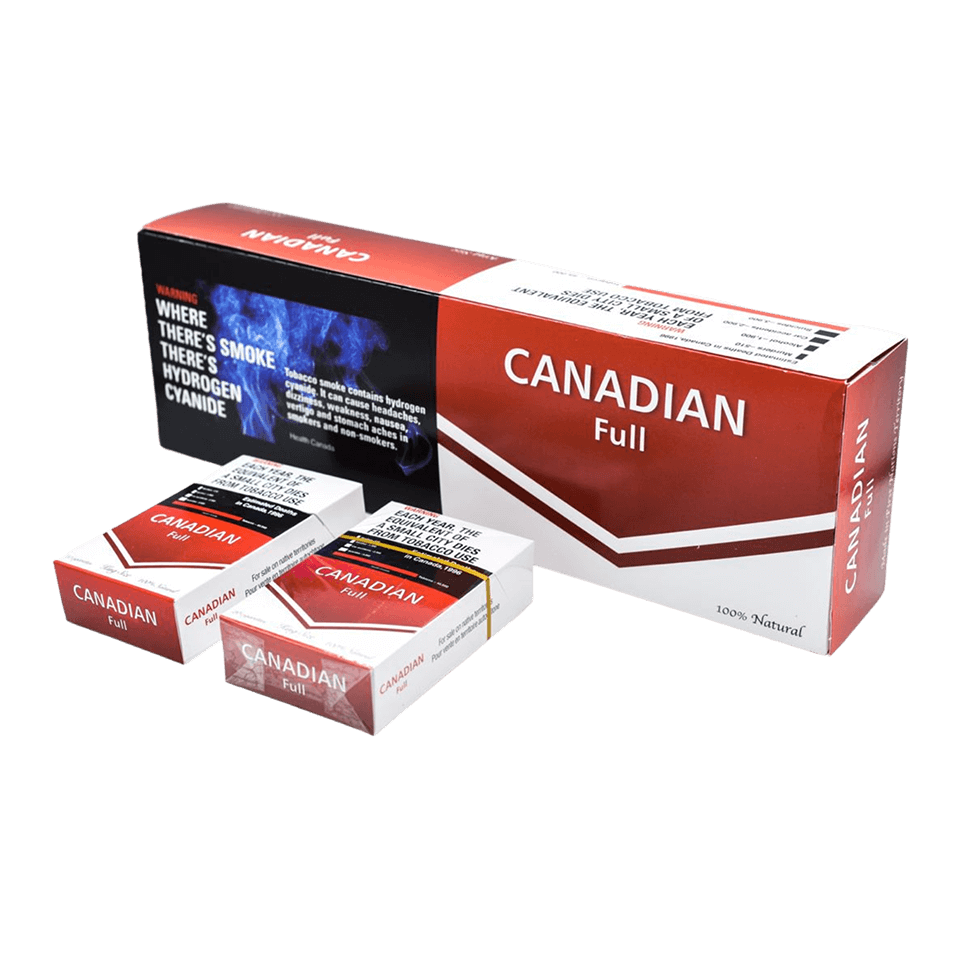
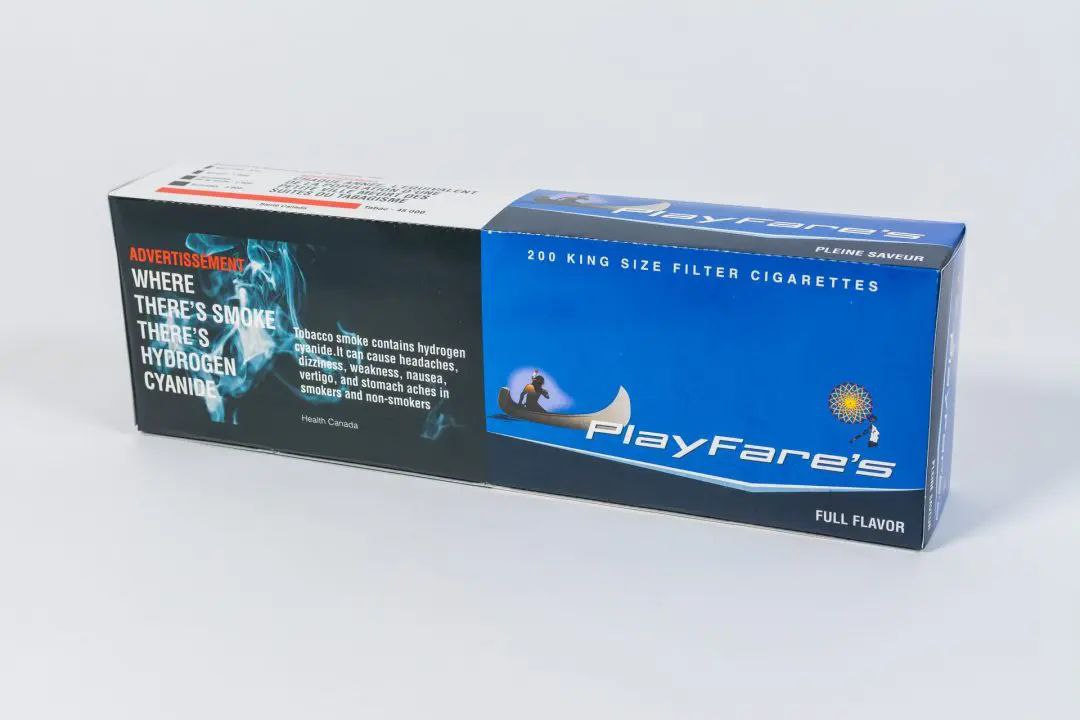
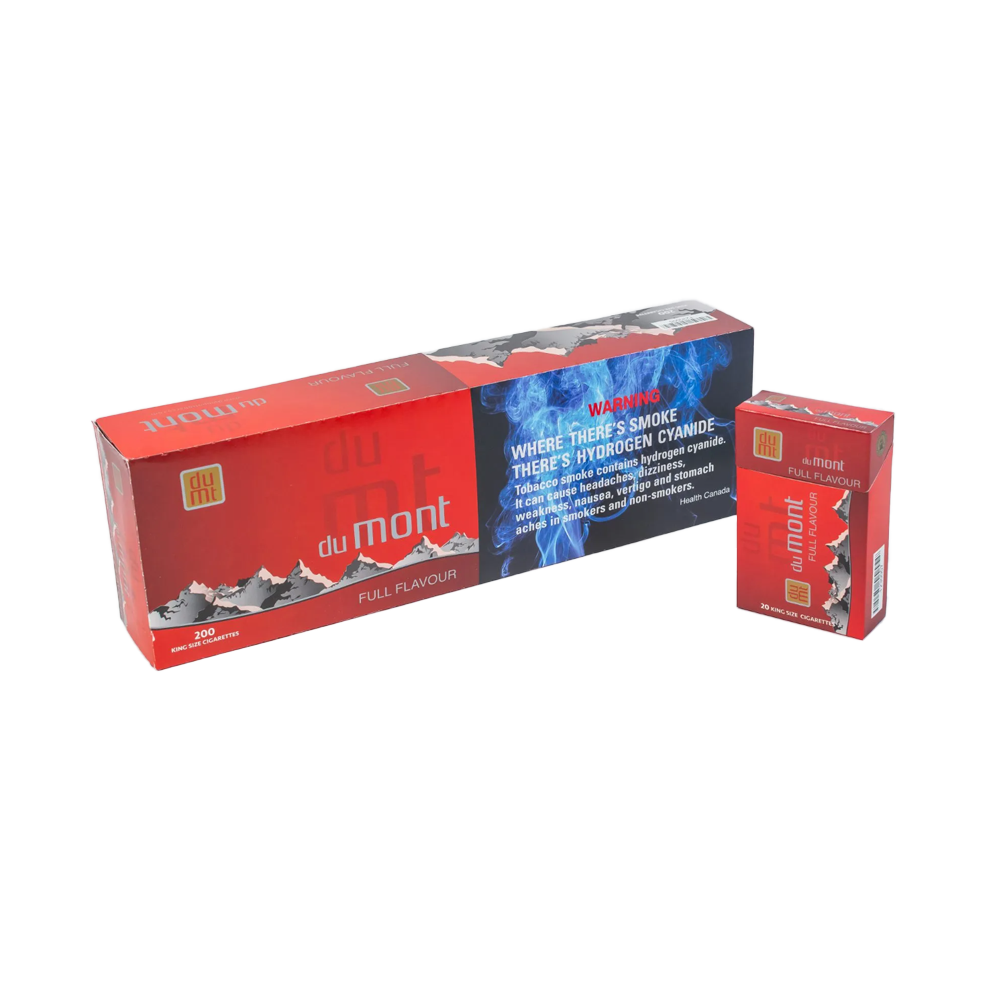
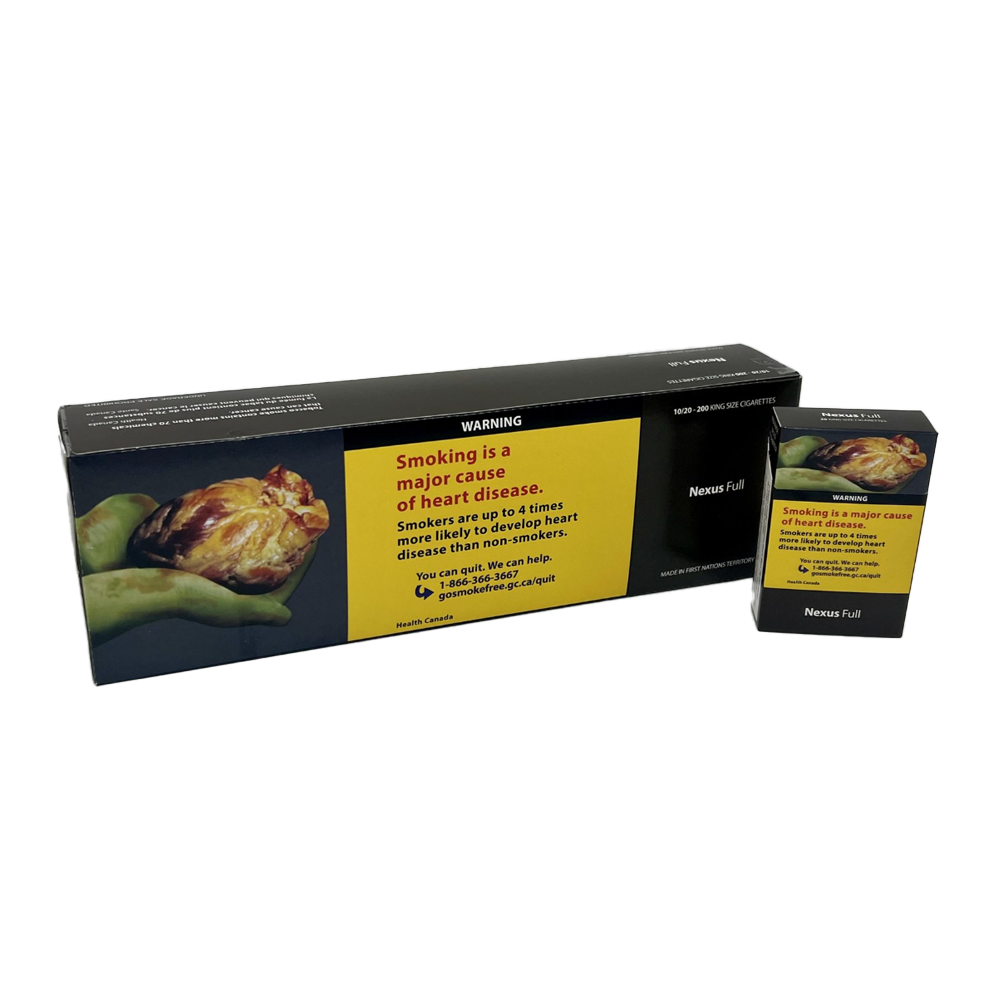
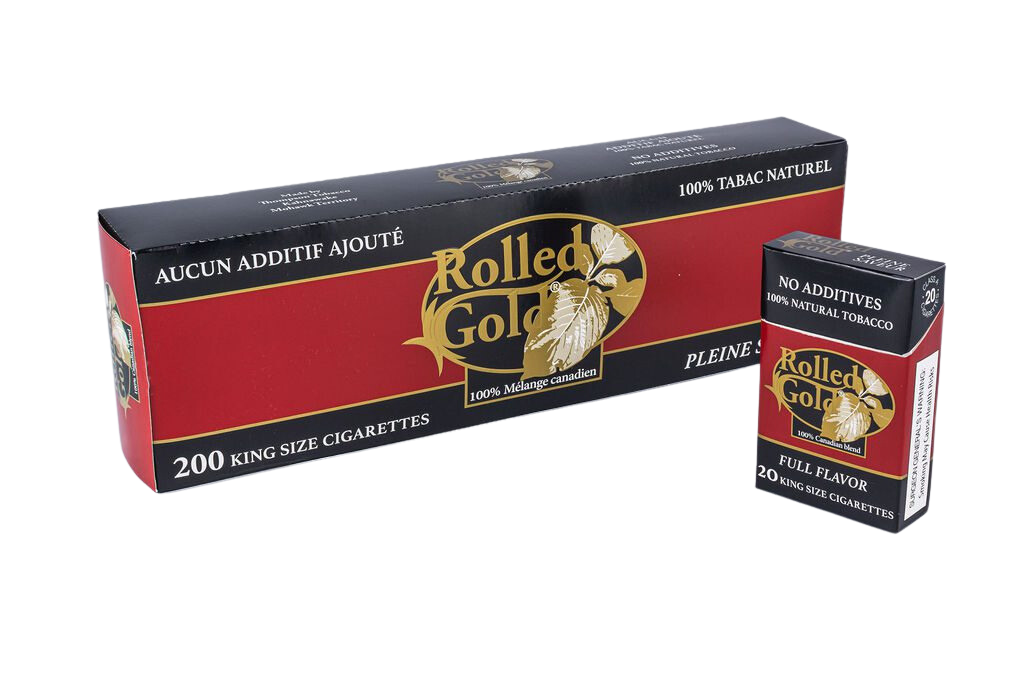
⭐ Excluded: BB light Manitoba, BB full Manitoba, Chanel Blueberry, Chanel ice. See all 29+ native brands at Cigstore.ca.
🚚 Delivery Across Canada – $29 Flat Rate
We ship to every province and territory using Canada Post, Purolator, FedEx, and UPS. Orders over $290 qualify for FREE shipping. Age verification (19+) required upon delivery.
📦 Same-day dispatch for orders before 2 PM EST. Tracking provided within 24 hours.
🏥 Medical reminder: If you are scheduled for surgery, do not order cigarettes to your hospital or to your home expecting to smoke during recovery. Quitting before surgery is the single most important thing you can do to ensure a successful outcome.
📚 You Might Also Find These Articles Helpful
How Smoking Affects Your Skin, Hair, and Nails
The visible effects of tobacco on your body.
Smoking and Testosterone
Effects on men’s health and performance.
Smoking and Stress: The Neuroscience
Why nicotine feels calming (and why it’s a trap).
Smoking and Dental Health
Stains, gum disease, and implants.
How to Quit Smoking Gradually
A 12-week plan for reduction.