
The Most Famous Smoking Characters in Film and TV History
From Casablanca to Mad Men — The Iconic Smokers Who Defined Eras
🎬🚬 Some movie and TV characters are inseparable from their cigarettes. The smoke curling from Humphrey Bogart’s lips in Casablanca. The ever-present Lucky Strike dangling from Don Draper’s mouth in Mad Men. The chaotic energy of Tyler Durden lighting up in Fight Club. For decades, a cigarette was not just a prop — it was a storytelling device, a symbol of sophistication, rebellion, power, or despair. This article celebrates the most famous smoking characters in cinema and television history, exploring how their cigarette habits defined their personalities and reflected the eras in which they were created.
🎞️ The Golden Era: When Smoking Was Glamorous (1930s-1960s)
Rick Blaine
The ultimate cinematic smoker. Bogart’s Rick Blaine lights a cigarette in almost every scene, often while delivering lines like “Here’s looking at you, kid.” The cigarette became synonymous with world-weary sophistication.
Holly Golightly
The iconic long cigarette holder became Holly’s signature accessory. Hepburn’s character made smoking look elegant, sophisticated, and effortlessly chic — a lasting image of 1960s glamour.
James Bond
Bond smoked custom-blended Morland cigarettes in the novels. On screen, Connery’s Bond made smoking look as essential as the martini — shaken, not stirred. Later Bonds smoked less, reflecting cultural shifts.
🔥 The Rebellion Era: Smoking as Defiance (1960s-1970s)
Jim Stark
James Dean’s iconic pose — leather jacket, cigarette dangling, brooding expression — defined teenage rebellion for a generation. The cigarette was a symbol of alienation and cool indifference.
Morticia Addams
The matriarch of the Addams Family was rarely seen without her long, slender cigarette holder. It added to her gothic, mysterious, and utterly unflappable persona.
Johnny Strabler
Brando’s motorcycle gang leader made smoking look dangerous and sexy. When asked, “What are you rebelling against?” he famously replied, “Whaddya got?” — cigarette in hand.
🕶️ The 1980s: Action Heroes and Film Noir Revivals
John McClane
The everyman action hero. McClane’s cigarette (briefly seen) was part of his tired, stressed, working-class persona — a contrast to the slick, sophisticated smokers of earlier decades.
Alex Forrest
The obsessive, unstable femme fatale. Alex’s smoking was a visual shorthand for her dangerous, untamed nature — a modern twist on the classic film noir smoker.
Gordon Gekko
“Greed is good.” Gekko’s cigar (and occasional cigarette) was a symbol of corporate excess and masculine dominance. Smoking was part of his power uniform.
🎸 The 1990s: Grunge, Tarantino, and the Last Hurrah
Tyler Durden
The ultimate anti-consumerist, Tyler Durden chain-smokes throughout the film. His cigarette is a symbol of his rejection of societal norms and his dangerous, magnetic charisma.
Vincent Vega & Jules Winnfield
Tarantino’s hitmen smoke constantly — before killing, after killing, while philosophizing about foot massages. The film was a love letter to cool, cigarette-smoking cinema.
Clarice Starling
FBI trainee Clarice Starling smokes during a tense scene with Hannibal Lecter. It’s a rare moment of vulnerability — a nervous habit that humanizes her.
📺 Small Screen Icons: TV Characters Defined by Cigarettes
Don Draper
The advertising executive who sold cigarettes while chain-smoking them. Don Draper’s Lucky Strikes were as essential to his character as his suits, whiskey, and secrets.
Tony Soprano
The anxiety-ridden mob boss smoked constantly — to calm his nerves, to punctuate threats, to fill the silence. His cigarillos were his security blanket.
Al Swearengen
The foul-mouthed saloon owner was rarely without a pipe or cigarette. His smoking signaled his dangerous, unpredictable nature and the lawlessness of the Old West.
📊 How Smoking on Screen Has Changed (By Decade)
| Decade | % of Top Films with Smoking | Character Type | Symbolism |
|---|---|---|---|
| 1940s-1950s | >80% | Heroes, detectives, femme fatales | Sophistication, glamour, masculinity |
| 1960s-1970s | ~70% | Rebels, anti-heroes, outsiders | Rebellion, alienation, counterculture |
| 1980s | ~60% | Yuppies, action heroes, yuppies | Power, excess, stress |
| 1990s | ~50% | Indie characters, Tarantino archetypes | Cool, irony, self-destruction |
| 2000s | ~35% | Villains, period pieces (Mad Men) | Flawed, dangerous, historical |
| 2010s-2020s | <20% | Rarely protagonists (mostly villains or period) | Explicitly negative or historically contextual |
📜 Memorable Smoking Lines in Cinema
“Here’s looking at you, kid.” — Rick Blaine lights a cigarette in Casablanca (1942)
“I’m gonna make him an offer he can’t refuse.” — Don Corleone, cigarette in hand, The Godfather (1972)
“I don’t have a drinking problem — I have a thinking problem.” — Tyler Durden, cigarette smoke curling, Fight Club (1999)
“Smoking is one of the few things I do that’s not good for me.” — Don Draper, Mad Men (Season 1)
📉 The Decline: Why New Characters Rarely Smoke
As we detailed in our article “Why Modern Movie Characters Rarely Smoke,” the decline of smoking on screen is due to several factors:
- 📊 MPAA rating pressure (2007): Smoking can earn a film an R rating, cutting off the lucrative PG-13 youth market.
- 📢 Anti-smoking advocacy: Groups like Smoke Free Movies successfully pressured studios to reduce smoking in youth-rated films.
- ⚖️ Legal settlements: The 1998 Master Settlement Agreement prohibited product placement by tobacco companies.
- 📉 Cultural change: Smoking is no longer viewed as cool or sophisticated by mainstream audiences, especially younger viewers.
- 🎬 Studio policies: Disney, Netflix, and other major content creators now have explicit anti-smoking policies.
📖 The result: Future generations will not have iconic smoking characters like Bogart or Don Draper. The era of the cinematic smoker is ending — a public health victory, but the end of a fascinating cultural era.
🎭 The Actors: Real Smokers vs. Prop Cigarettes
Many of the actors who played iconic smoking characters were themselves heavy smokers — sometimes with tragic consequences.
- Humphrey Bogart: Smoked heavily on and off screen. Died of esophageal cancer in 1957 at age 57.
- James Dean: Chain-smoked Camel cigarettes. Died in a car crash at age 24, but autopsies showed early-stage lung damage.
- Audrey Hepburn: A heavy smoker in real life, despite her elegant image. Died of appendix cancer at 63 (smoking linked).
- Jon Hamm (Don Draper): Uses herbal cigarettes on set — real nicotine would be too addictive. Hamm said, “They’re disgusting, but they look real.”
🔥 Top 5 Native Cigarettes for Canadian Smokers




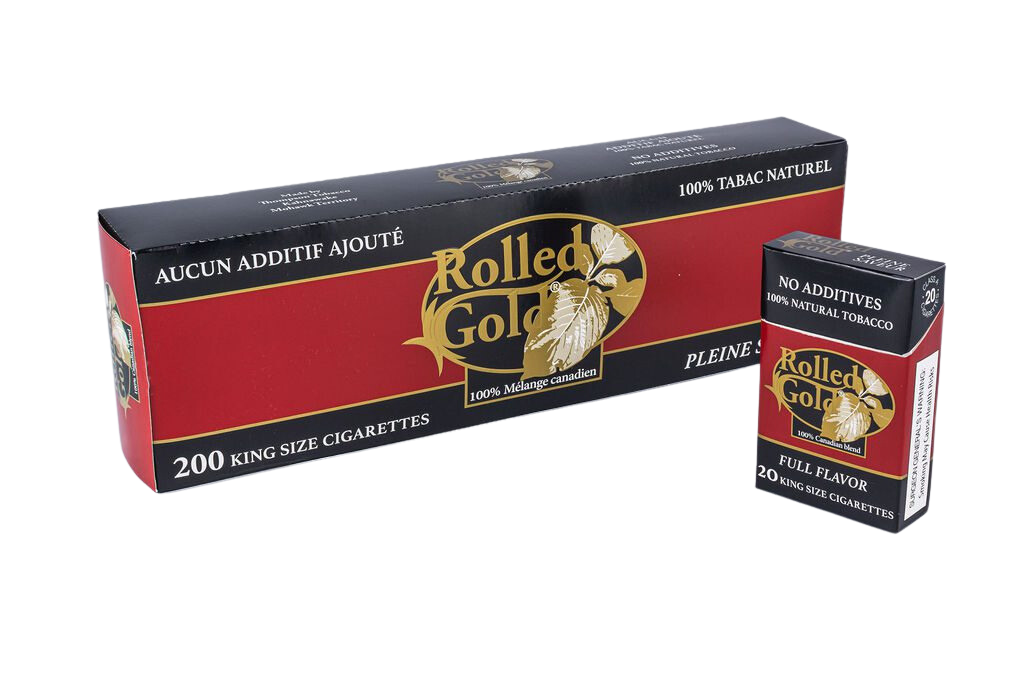
⭐ Excluded: BB light Manitoba, BB full Manitoba, Chanel Blueberry, Chanel ice. See all 29+ native brands at Cigstore.ca.
🚚 Delivery Across Canada – $29 Flat Rate
We ship to every province and territory using Canada Post, Purolator, FedEx, and UPS. Orders over $290 qualify for FREE shipping. Age verification (19+) required upon delivery.
📦 Same-day dispatch for orders before 2 PM EST. Tracking provided within 24 hours.
📚 You Might Also Enjoy These Articles
Smoking in Canadian Movies
From cool to condemned — the on-screen journey of tobacco.
Why Modern Movie Characters Rarely Smoke
The MPAA rating shift that changed Hollywood.
Most Famous Canadian Cigarette Slogans
From “More doctors smoke Camels” to plain packaging.
Most Controversial Cigarette Advertising Campaigns
Joe Camel, light cigarettes, and more.
History of Smoking in Canada
From 1950s magazine ads to plain packaging today.