
Why the Morning Coffee and Cigarette Became a Cult Ritual for Millions
Neuroscience, Culture, and the Perfect Pairing
☕🚬 The alarm goes off. You stumble to the kitchen. The coffee maker gurgles. You pour a steaming cup, step outside (or to the window), and light your first cigarette of the day. For millions of smokers, this is not just a habit — it is a sacred ritual. The pairing of morning coffee and a cigarette is so ubiquitous that it has become a cultural cliché, immortalized in films, literature, and everyday conversation. But why? Why do these two substances — caffeine and nicotine — seem made for each other? This article explores the neuroscience, psychology, and cultural history behind the iconic morning coffee and cigarette ritual.
🧠 The Neuroscience: How Caffeine and Nicotine Synergize
The morning coffee and cigarette combination is not merely psychological — it is neurochemical synergy. Caffeine and nicotine affect the brain through different but complementary mechanisms.
- ⚡ Nicotine acts fast: When you inhale cigarette smoke, nicotine reaches your brain in 7-10 seconds — faster than intravenous injection. It binds to nicotinic acetylcholine receptors, triggering the release of dopamine (pleasure), norepinephrine (arousal), and glutamate (learning and memory).
- ☕ Caffeine blocks adenosine: Caffeine works by blocking adenosine receptors. Adenosine is a neurotransmitter that promotes sleep and relaxation. By blocking it, caffeine increases alertness and reduces the perception of fatigue.
- 🔄 Mutual reinforcement: Caffeine and nicotine have been shown to enhance each other’s rewarding effects. A 2005 study found that caffeine primes the brain to be more responsive to nicotine, and vice versa. Smokers who consume caffeine report stronger cravings for cigarettes, and smokers who smoke report stronger cravings for caffeine.
- 📉 Withdrawal synergy: When you wake up, your body has gone 6-8 hours without nicotine. Your dopamine levels are low. You are in a state of withdrawal — which includes irritability, difficulty concentrating, and low mood. Caffeine temporarily relieves some of these symptoms, but it also amplifies nicotine craving.
📖 From the neuroscience literature: “Caffeine and nicotine are a classic example of drug synergy. Smokers consume more caffeine than non-smokers, and caffeine consumption predicts smoking relapse. The two substances reinforce each other’s addictive potential.”
🚬 The “Coffee, Cigarette, Bathroom” Trinity
Step 1: Make coffee. Step 2: Light cigarette. Step 3: Head to the bathroom.
This morning sequence is so common it has become a running joke in popular culture.
The morning ritual is not just about the sensory experience — it is also physiologically functional. Both coffee and cigarettes are mild laxatives and diuretics. The combination reliably stimulates bowel movements, which is why so many smokers report that they cannot “go” without their morning coffee and cigarette.
- Nicotine stimulates the colon: Nicotine activates nicotinic receptors in the enteric nervous system (the “second brain” in your gut), increasing colonic motility.
- Caffeine also stimulates the colon: Caffeine increases gastric acid secretion and colonic activity. The combination produces a predictable, reliable effect.
- The “morning constitutional”: For many smokers, the coffee-cigarette-bathroom sequence is as essential to starting the day as brushing their teeth.
- 📖 Smoker’s confession: “I can’t have a bowel movement without my morning coffee and cigarette. If I travel and can’t smoke inside, my whole digestive system gets thrown off.”
📜 Cultural History: How the Pairing Became Iconic
🎬 Film Noir
Detectives in smoky offices, drinking coffee from a paper cup while chain-smoking. The pairing symbolized world-weariness, urban alienation, and gritty masculinity.
☕ Beat Generation
Jack Kerouac and Allen Ginsberg immortalized the coffee-and-cigarette-fueled all-night writing session. The ritual was intellectual rebellion.
📺 TV Tropes
From Mad Men‘s Don Draper to The X-Files‘ Cigarette Smoking Man, the coffee-and-smoke pairing signals power, vice, and existential angst.
The pairing of coffee and cigarettes has been culturally reinforced for over a century. In the 1950s and 1960s, advertising campaigns explicitly linked the two. “Coffee and a cigarette — the perfect start to the day” was a common trope in print ads. Cigarette companies understood that if they could associate their brand with coffee, they would secure a place in the smoker’s daily ritual.
- 📰 Vintage ads: “What do you do before your first cup of coffee? You light a Lucky.” — Lucky Strike ad from the 1950s.
- ☕ The “coffee break” as a smoke break: The institution of the “coffee break” in North American workplaces naturally became a smoke break for smokers. The two rituals fused.
- 🎬 Cinema: No film pairing is more iconic than a detective in a trench coat, coffee in one hand, cigarette in the other. From Double Indemnity to Blade Runner, the image is shorthand for world-weary grit.
⏰ Why the First Morning Cigarette Is the Best (And Worst)
Ask any smoker: the first cigarette of the day is the most satisfying. There is a neurochemical reason for this.
- 💊 Overnight nicotine depletion: While you sleep, your body metabolizes nicotine. By morning, your nicotinic receptors are “empty” and highly sensitive. The first cigarette delivers a much stronger dopamine hit than subsequent cigarettes.
- 📉 Withdrawal reversal: The overnight withdrawal — irritability, craving, difficulty concentrating — is immediately reversed by nicotine. The relief is palpable.
- ☕ Caffeine amplifies the effect: Caffeine reduces the breakdown of dopamine, extending the pleasurable effect of nicotine. Together, they produce a more sustained mood boost than either alone.
- ⏳ The ritual itself is rewarding: The sensory experience — the warmth of the coffee mug, the first bitter sip, the smell of smoke, the deep inhale — becomes a conditioned cue. Over time, the act of performing the ritual triggers dopamine release even before the nicotine hits.
📖 Paradoxically: The first cigarette is also the most addictive. The powerful dopamine surge reinforces the behavior strongly. Smokers who try to quit report that the first cigarette of the day is the hardest to give up.
👥 The Social Ritual: Coffee and Cigarettes with Others
The coffee-and-cigarette ritual is not only solitary; it is deeply social. “Let’s grab a coffee” is often code for “let’s smoke together.”
- 📋 The coffee shop as a smoking lounge: Before indoor smoking bans, coffee shops were filled with smoke. The combination of caffeine and nicotine fueled conversation, creativity, and romance.
- 🎬 Coffee and Cigarettes (2003): Jim Jarmusch’s film of the same name is a series of vignettes in which characters do nothing but drink coffee and smoke cigarettes while talking. The film captures the ritual’s social function: creating a space for unstructured, intimate conversation.
- 😔 The end of an era: With indoor smoking bans, the coffee shop smoking ritual has largely moved outdoors to patios — but the pairing remains.
- 🤝 Bonding over a smoke and coffee: For many smokers, sharing a cigarette and coffee with a friend is a form of bonding. The act of stepping outside together, away from others, creates intimacy.
⚠️ The Dark Side: Why Quitting One Without the Other Is Hard
The powerful pairing of coffee and cigarettes creates a problem for those who want to quit smoking. Smokers who quit often report that coffee no longer tastes the same, and they drink less of it.
- 📉 Conditioned cues: The taste, smell, and ritual of coffee become powerful triggers for nicotine craving. A former smoker who drinks coffee may experience intense urges to smoke.
- 💡 Quitting strategies: Many smoking cessation programs recommend temporarily reducing coffee consumption or switching to tea during the first weeks of quitting. Some former smokers switch to a different brand of coffee or a different mug to disrupt the conditioned association.
- 📊 Caffeine metabolism changes after quitting: Smokers metabolize caffeine faster than non-smokers. When they quit, caffeine stays in their system longer — which can cause anxiety, insomnia, and jitteriness if they maintain their previous coffee intake.
- 🩺 The double-whammy withdrawal: Quitting smoking is hard. Quitting caffeine simultaneously is even harder. Smokers who try to quit both at once are less likely to succeed. Most experts recommend focusing on quitting smoking first, then reducing caffeine later.
⚡ The Paradox: Why Two Stimulants Feel “Calming”
“If caffeine and nicotine are both stimulants, why do they feel calming to smokers?”
This is the paradox at the heart of the ritual. For a non-smoker, nicotine can cause dizziness, nausea, and increased heart rate. For a regular smoker, nicotine relieves the anxiety of withdrawal — which feels subjectively calming. The same is true for caffeine: a non-coffee-drinker might feel jittery after a cup, while a regular drinker feels “normal.”
- 🔥 The smoker’s baseline is withdrawal: When a regular smoker wakes up, they are in a state of nicotine withdrawal — which includes irritability, anxiety, and difficulty concentrating. The first cigarette returns them to baseline, not above it. The relief from withdrawal is what feels “calming.”
- ☕ The same for caffeine: By mid-morning, a regular coffee drinker is experiencing mild caffeine withdrawal (headache, fatigue). The first cup relieves these symptoms.
- ⚖️ The combination: Together, the two substances cancel out two different withdrawal states, producing a feeling of alert calm — the “Goldilocks” zone of arousal: not too drowsy, not too jittery.
📦 Does the Ritual Work with Native Cigarettes?
Yes — nicotine is nicotine. Whether you smoke a commercial Du Maurier or a native Playfare, the nicotine molecule is identical. The morning coffee ritual works just as well with native cigarettes as with any other brand.
- 💰 Cost savings: A pack-a-day smoker who switches to native cigarettes saves $5,000-7,000 per year — enough to buy a very nice espresso machine.
- 🚬 Nicotine content: Native cigarettes are not “light” or “mild.” Brands like Canadian Full, Playfare Full, and DuMont Full have nicotine levels comparable to commercial brands. The ritual remains satisfying.
- ☕ The ritual persists: The cultural and neurochemical pairing of coffee and cigarettes does not depend on brand. Smokers who switch to native cigarettes report no difference in the morning ritual experience.
- 📦 For price-conscious smokers, native cigarettes allow them to maintain the ritual without breaking the bank.
🔮 Will the Morning Coffee and Cigarette Ritual Survive?
As smoking rates decline and indoor smoking bans spread, the ritual is evolving. But it is far from extinct.
- 🏠 The home ritual: Most smokers now have their morning coffee and cigarette at home, before leaving for work. The ritual has become more private.
- ☕ Patio culture: In warmer months, coffee shop patios have become the new smoking lounges. The ritual continues, just outdoors.
- 💨 Vaping as a substitute: Some former smokers have replaced the morning cigarette with a morning vape. The ritual persists, even if the delivery mechanism changes.
- 📉 Decline in youth uptake: Fewer young people smoke, so the ritual is less common among younger generations. But for millions of existing smokers, the morning coffee and cigarette is not going anywhere.
🔥 Top 5 Native Cigarettes for Your Morning Coffee Ritual
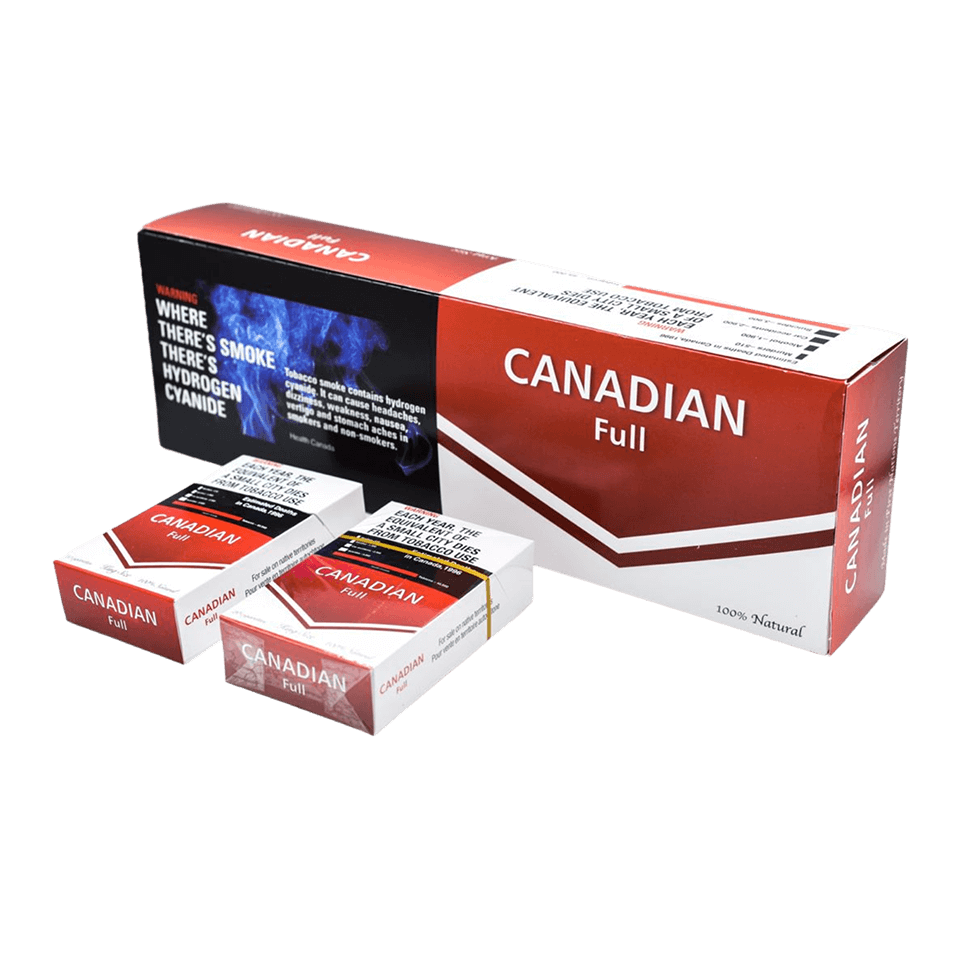



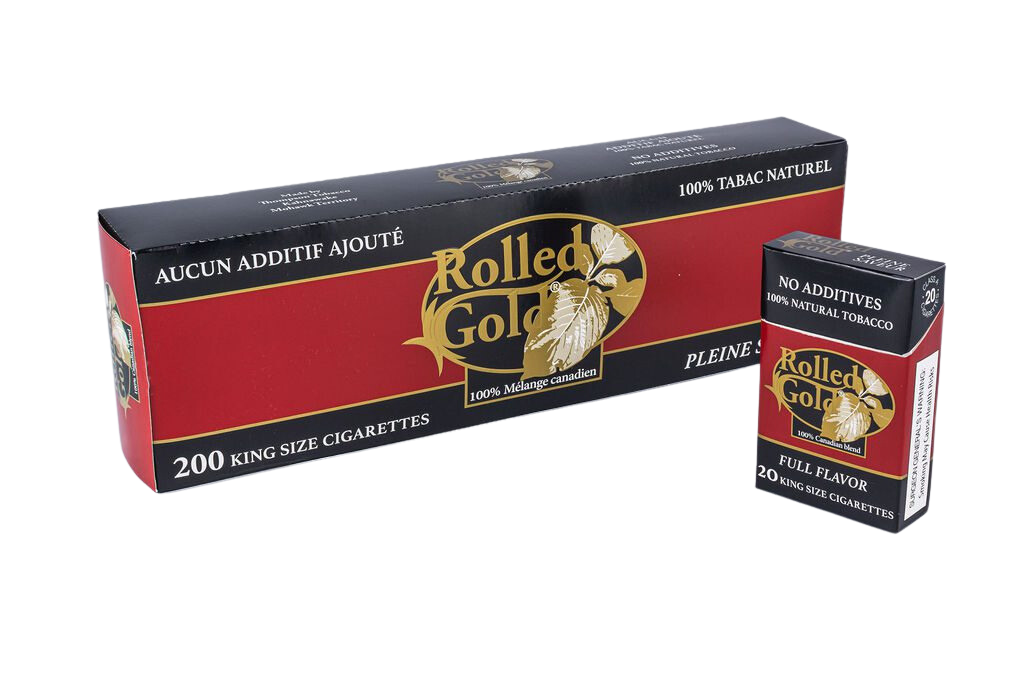
⭐ Excluded: BB light Manitoba, BB full Manitoba, Chanel Blueberry, Chanel ice. See all 29+ native brands at Cigstore.ca.
🚚 Delivery Across Canada – $29 Flat Rate
We ship to every province and territory using Canada Post, Purolator, FedEx, and UPS. Orders over $290 qualify for FREE shipping. Age verification (19+) required upon delivery.
📦 Same-day dispatch for orders before 2 PM EST. Tracking provided within 24 hours.
📚 You Might Also Enjoy These Articles
The Morning Coffee & Cigarette Ritual
Why they go together.
Why We Smoke When We Drink Coffee or Alcohol
The neuroscience of pairing.
Smoking and Stress: The Neuroscience
Why nicotine feels calming (and why it’s a trap).
The “One More Loop”
Why it’s so hard to stop after the first cigarette.
The Psychology of the Last Cigarette
Why it tastes different.