
Why Truckers Have Been Associated with Cigarettes for Decades
From CB Radio to the Open Road: The Deep-Rooted Bond Between Trucking and Tobacco
🚛🚬 The image is burned into pop culture: a long-haul trucker, one hand on the wheel, the other holding a cigarette, coffee in the cup holder, the CB radio crackling with chatter about “Smokies” ahead. For decades, truckers and cigarettes have been inseparable in the public imagination. But this association is not just a stereotype — it is rooted in the real demands of the job. The stress of long hours, the isolation of the cab, the need to stay alert through the night, and the social culture of truck stops all contributed to making tobacco an essential part of trucking life. This article explores why truckers have historically smoked at rates far above the general population, how CB radio culture amplified the connection, and why many drivers still rely on cigarettes — and increasingly, affordable native brands — to get through their shifts.
⚙️ Reason #1: The Job Demands — Stress, Hours, and Alertness
Long-haul trucking is one of the most physically and mentally demanding jobs in North America. Drivers spend weeks away from home, drive through the night, and face constant deadlines. Research has shown that profession demands are a major reason for initiating tobacco use, with over 40% of workers citing job-related stress as a factor [citation:1].
- ⏰ Irregular schedules: Truckers often drive 12-14 hour shifts, disrupting natural circadian rhythms. Nicotine is a stimulant that helps drivers stay alert during the “graveyard” hours when the body wants to sleep.
- 😫 Chronic stress: The pressure of tight delivery windows, traffic congestion, weather delays, and regulatory compliance creates constant stress. Many drivers turn to cigarettes as a coping mechanism.
- 🛣️ The “loneliest job”: Weeks of isolation in the cab can take a psychological toll. For many, the cigarette is a companion — a small ritual that breaks the monotony.
- 📊 The data: Smoking rates among truck drivers have historically been 2-3 times higher than the national average. In some studies, over 60% of long-haul drivers reported being regular smokers.
📻 Reason #2: The CB Radio Revolution — Technology and Camaraderie
Licensed CB users grew from less than 1 million to over 12 million in just four years.
Truckers were the pioneers — and smoking was part of the culture [citation:5].
The 1973 oil crisis changed everything. When President Nixon imposed a national 55 mph speed limit to conserve fuel, truckers — paid by the mile — faced a devastating income cut [citation:3]. They turned to Citizens Band (CB) radio to organize, share information about fuel availability, and warn each other about police speed traps [citation:3][citation:5][citation:7].
- 🎙️ The “Rubber Duck” and “Pig Pen”: Truckers adopted colorful handles (nicknames) and developed a rich slang. “Smokey” (or “Smokey Bear”) referred to police officers [citation:3][citation:6].
- 🔥 Cigarettes and the CB: The classic trucker image — cigarette dangling from the lips while keying the microphone — became iconic. The combination of nicotine and CB chatter was the soundtrack of the interstate.
- 🚛 The 1973-74 Truckers’ Strike: A single driver named J.W. Edwards (“River Rat”) used his CB to organize a shutdown of I-80 in Pennsylvania. The protest spread nationwide, paralyzing highways and turning truckers into folk heroes [citation:3].
- 🎬 Pop culture explosion: The CB craze spawned hit songs like “Convoy” (C.W. McCall) and movies like Smokey and the Bandit (1977), cementing the trucker-cigarette-CB connection in the public imagination [citation:2][citation:8].
📖 From Owner Operator magazine (1973): “The Citizens Band radio is the greatest boon to truckers since the invention of the wheel and black coffee.” [citation:5] — One could easily add “cigarettes” to that list.
🏪 Reason #3: Truck Stop Culture — The Home of the Road
In the days before smartphones and GPS, truck stops were more than places to refuel — they were the social hubs of the highway [citation:4]. And they were filled with smoke.
- ☕ “Motion Lotion” and Coffee: Diesel fuel was “motion lotion” — but the real fuel for drivers was coffee and cigarettes [citation:3][citation:6]. Every truck stop diner had ashtrays on every table.
- 💬 The smoke break as social bonding: Drivers would gather in designated smoking areas or at the counter, sharing stories, tips about road conditions, and cigarettes. Offering a smoke was a gesture of camaraderie.
- 📦 Cigarette vending machines: Truck stops were one of the last places where cigarette vending machines remained common into the 1990s — a testament to how central tobacco was to trucking culture.
- 🍩 The legacy: Even today, many truck stops have designated outdoor smoking areas where drivers gather. The ritual persists, even if the indoor ashtrays are gone.
🤠 Reason #4: The Cowboy of the Highway — Independence and Rebellion
The trucker as a folk hero — independent, self-reliant, defiant of authority — emerged during the 1970s strikes [citation:3][citation:8]. The cigarette became a symbol of this rebellious spirit.
- 🚬 The “antihero” image: Unlike office workers who had to step outside for a smoke, truckers smoked in their cabs — their mobile domain. Lighting up was an act of autonomy.
- 🎭 Smokey and the Bandit (1977): Burt Reynolds’ Bandit, often seen with a cigarette, epitomized the trucker as a charming outlaw, evading the “Smokey” police. The film cemented the association between trucking, rebellion, and tobacco [citation:8].
- 📉 Fighting the system: During the 1970s strikes, truckers used their CBs to organize blockades and defy speed limits. The cigarette was the fuel for these protests — both literal (nicotine for alertness) and symbolic (rebellion against authority).
- 💪 The independent owner-operator: About 70% of freight was hauled by independent owner-operators — small businessmen who owned their rigs [citation:3]. They answered to no dispatcher, no boss. They smoked when and where they wanted.
⚡ Reason #5: The Pharmacology — Why Nicotine Works for Long-Haul Driving
Beyond culture and symbolism, there is a practical pharmacological reason truckers smoke: nicotine is a stimulant that enhances alertness and concentration.
- 🧠 Cognitive boost: Nicotine improves reaction time, attention, and memory in the short term. For a driver facing a midnight shift after 10 hours on the road, a cigarette provides a measurable performance boost.
- 😴 Fighting fatigue: Driving a truck requires constant vigilance. Fatigue is the enemy. Nicotine helps stave off the dangerous drowsiness that leads to accidents.
- ☕ The perfect pairing: Caffeine and nicotine are synergistic — they enhance each other’s stimulant effects [citation:1]. The classic trucker ritual: coffee and a cigarette.
- 📉 The irony: While nicotine helps in the short term, the withdrawal symptoms between cigarettes (irritability, difficulty concentrating) can impair performance. The driver smokes to relieve withdrawal, not to get “high” — a classic addiction trap.
💰 The Economics: Why Truckers Love Native Cigarettes
For owner-operators and company drivers alike, every dollar counts. With fuel costs eating into profits, truckers are famously price-conscious. That’s why native cigarettes have become the choice of savvy drivers.
- 📦 Commercial carton: $140-180 | Native carton: $29-50 — The savings are dramatic. A driver who smokes a pack a day saves $5,000-7,000 per year by switching to native brands.
- 🚛 Bulk ordering to depots: Many trucking companies allow drivers to receive personal packages at their depots. Groups of drivers pool orders to reach free shipping thresholds ($290+).
- 📦 Delivery to the road: Cigstore.ca ships to truck stops and depots across Canada, making it easy for drivers to stock up without detouring to a reserve store.
- 👥 Word-of-mouth on the CB: Truckers share tips about the best native brands — Playfare Full, Canadian Full, and DuMont Full are popular for their strong taste and consistent quality.
- 💰 “Motion Lotion” for the body: Just as truckers share information about cheap diesel (motion lotion), they share information about cheap smokes. The CB radio is a price comparison tool.
📖 From a 2024 trucker forum: “I’ve been smoking Playfare for four years. Same taste as the Player’s I used to buy. My wife says I’m less grumpy now that we’re saving $500 a month.”
📉 The Decline: Smoking Bans, Fleet Policies, and Changing Times
The romanticized image of the trucker smoking in his cab is fading. Many fleet owners now prohibit smoking in company trucks entirely, and owner-operators who smoke find that some customers refuse to load smoke-smelling trailers [citation:10]. The CB radio culture has also declined with the rise of smartphones, GPS, and social media [citation:10].
- 📱 The digital shift: Today’s truckers use apps like TruckerPath and group chats on WhatsApp or Facebook. The CB is still used, but not as universally as in the 1970s.
- 🚫 Smoke-free cabs: Many new trucks come with smoke detectors. Drivers who smoke face fines or termination.
- 🔄 The alternative: Some drivers have switched to vaping, which leaves less odor and is harder to detect. But many still prefer cigarettes — especially affordable native brands.
📻 A Taste of CB Slang: The Language of the Road
Understanding CB slang is key to understanding trucker culture — and the image of the trucker with a cigarette, keying the mic, is inseparable from this vocabulary [citation:6]. Here are some classic terms:
- 10-4: Acknowledged, understood, “OK”
- Breaker 1-9: Opening call on Channel 19 (the main trucker channel)
- Smokey (or Smokey Bear): Police officer (from the campaign hat resembling Smokey the Bear’s hat)
- Bear in the air: Police helicopter
- Kojak with a Kodak: Police officer using a radar gun [citation:6][citation:7]
- What’s your 20? What’s your location?
- Motion lotion: Diesel fuel [citation:3][citation:6]
- Cash register: Toll booth [citation:6]
- Chicken coop: Weigh station [citation:6]
- Rubber Duck: The lead truck in a convoy (made famous by the song “Convoy”)
- Hammer down: Go as fast as possible, accelerate
📦 Native Cigarettes: Keeping the Tradition Affordable
While the romanticized image of the smoking trucker may be fading, the reality is that many drivers still smoke. Native cigarettes (Playfare, Canadian, DuMont, Nexus, Rolled Gold) have become the go-to choice for price-conscious truckers. A carton costs $29-50, compared to $140-180 for commercial brands — a savings of 70-80%.
- 💰 Cost savings: A pack-a-day smoker saves $5,000-7,000 per year by switching to native cigarettes — real money for an owner-operator facing thin margins.
- 🚚 Delivery to depots: Cigstore.ca ships to any Canadian address, including trucking company depots and terminals. Drivers can order before a run and pick up at their home terminal.
- 👥 Group orders: Many drivers pool orders to reach the $290 free shipping threshold. A group of five drivers ordering 10 cartons each gets free shipping and the lowest per-carton price.
- 📦 No truck stop markup: Buying online cuts out the convenience store markup. Native cigarettes delivered directly to the depot are the cheapest option available.
- ⭐ Popular brands among truckers: Playfare Full (strong taste, consistent quality), Canadian Full (budget option), DuMont Full (smooth, reliable), Nexus Full (full-bodied flavor).
🔥 Top 5 Native Cigarettes for Truckers
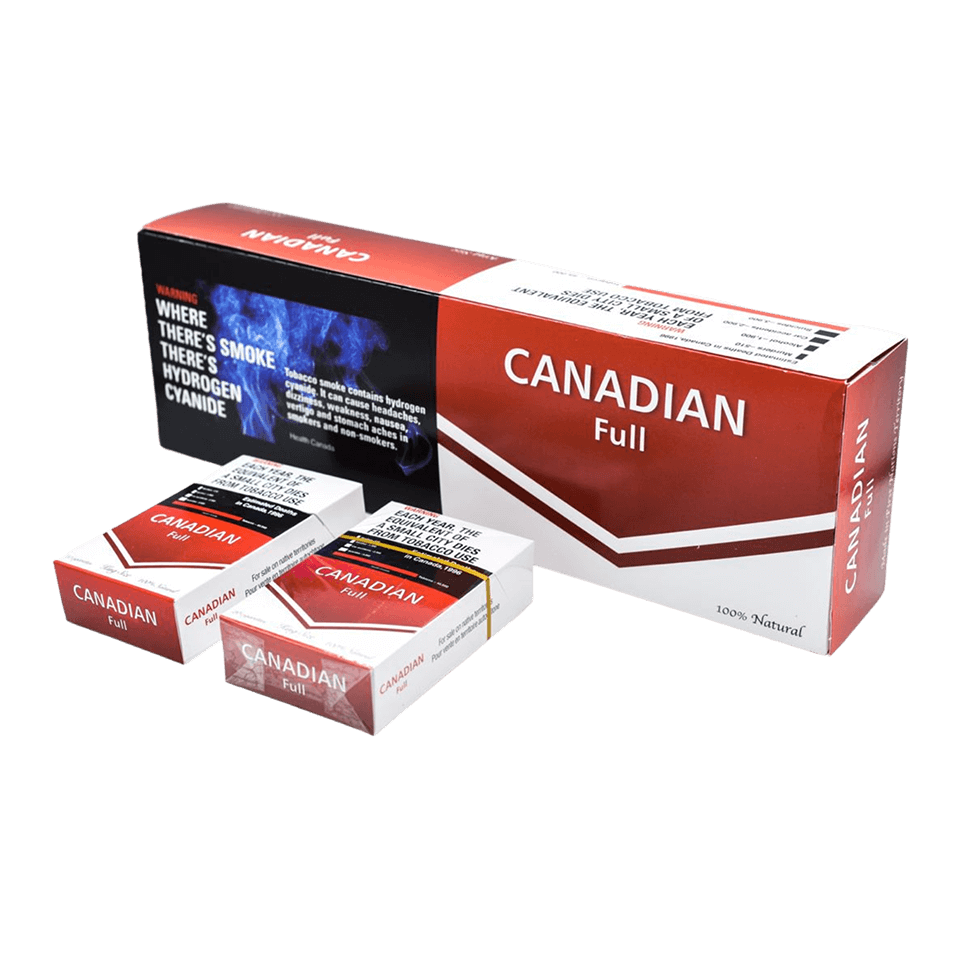



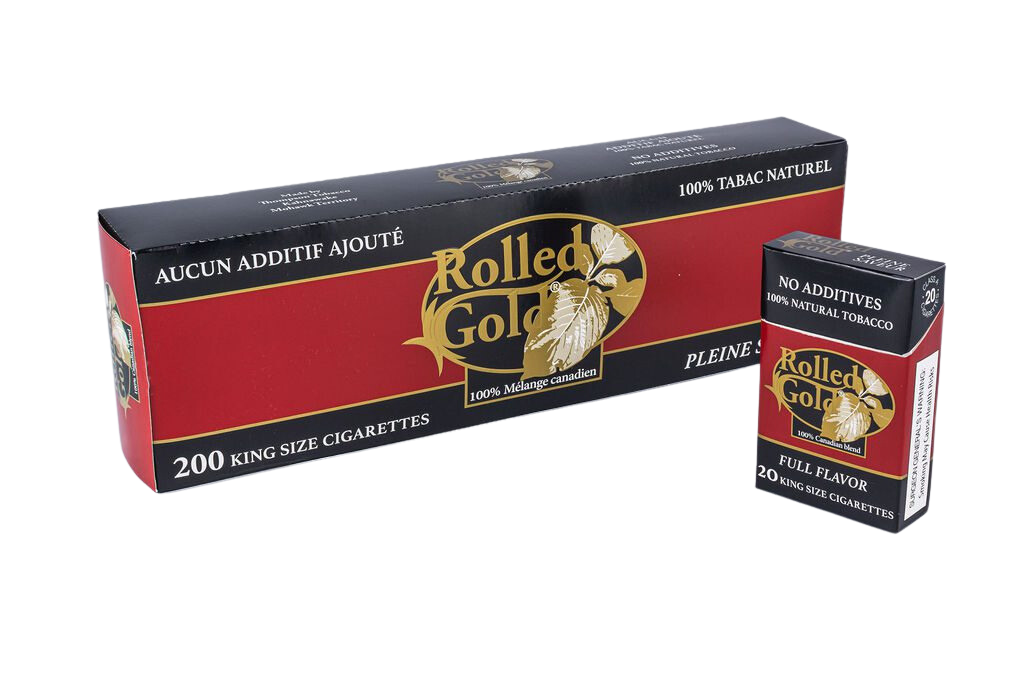
⭐ Excluded: BB light Manitoba, BB full Manitoba, Chanel Blueberry, Chanel ice. See all 29+ native brands at Cigstore.ca.
🚚 Delivery to Truckers – $29 Flat Rate
We ship to every province and territory using Canada Post, Purolator, FedEx, and UPS. Orders over $290 qualify for FREE shipping — that’s just 8-10 cartons. Many truckers order to their home terminal, depot, or a convenient truck stop. Age verification (19+) required upon delivery.
📦 Same-day dispatch for orders before 2 PM EST. Tracking provided within 24 hours.
📚 You Might Also Enjoy These Articles
Tobacco & Trucker Culture in Canada
Long-haul smokes and the open road.
Why Cigarettes Are Expensive
Complete federal & provincial tax breakdown.
1994 Tax Cut Story
How native cigarettes became affordable.
Most Famous Smoking Characters in Film & TV
From Bogart to Don Draper.
History of Smoking in Canada
From 1950s magazine ads to plain packaging today.