
What Smoking in Canadian Restaurants Looked Like Before the Ban
Ashtrays on Every Table, the ‘Smoking or Non-Smoking?’ Question, and the Death of a Ritual
🍽️🚬 Imagine walking into a restaurant in 1985. The hostess greets you with a question that seems absurd today: “Smoking or non-smoking?” You scan the room. The “non-smoking” section is a few tables near the kitchen, separated from the rest by a low partition and a thin haze of blue-grey smoke that drifts over from the “smoking” section. Ashtrays are everywhere — on every table, at the bar, even in the washrooms. The air smells of cigarettes, coffee, and frying bacon. This was the reality of dining out in Canada for most of the 20th century. Before the provincial smoking bans of the 1990s and 2000s, smoking in restaurants was not just permitted — it was expected. This article explores what that experience looked like, from the golden age of unrestricted smoking to the slow, contested decline.
📜 The Golden Era: Before 1960 — Smoke Everywhere, No Questions Asked
Before the 1960s, the concept of a “non-smoking section” in a restaurant did not exist. Smoking was permitted throughout the entire establishment, without restriction. As a 2021 Radio-Canada article notes, “De tout temps, fumée de cigarette et bars ont toujours été intimement liés” [Of all time, cigarette smoke and bars have always been intimately linked] — and the same was true for restaurants [citation:5].
- 📊 Smoking rates were enormous: In 1965, nearly half of all Canadian adults smoked (49.5%) [citation:7]. In Quebec, the peak was even higher — 50% of Quebecers smoked in 1965 [citation:5].
- 🏛️ The restaurant as a second home: Legendary establishments like Ben’s Delicatessen in Montreal, which operated for 98 years, were famous for their smoke-filled rooms. A Globe and Mail article describes Ben’s in its heyday: “The air was thick with cologne and cigarette smoke” [citation:9].
- 🎭 Celebrity-filled smoke haze: At Ben’s, waiters served the likes of Ed Sullivan, Liberace, and Jack Benny — who “blow cigar smoke through the vast dining room” [citation:9].
- 🚬 Cigarettes as an expected part of dining: No one complained about smoke because almost everyone was smoking. Non-smokers were the rare exception, not the rule.
📖 From The Globe and Mail (2006): “Ben’s hit its stride through the 1940s and 50s when Montreal was the Sin City of Canada. Showgirls in ostrich feathers poured in after cabaret closing hours along with musicians, magicians and the odd ventriloquist. The air was thick with cologne and cigarette smoke” [citation:9].
🚬 The Essential Table Setting: Ashtrays Everywhere
In the pre-ban era, an ashtray was as essential to a restaurant table as a salt shaker or a napkin holder. Restaurants without ashtrays would have been considered incomplete. Smokers expected to be accommodated, and restaurateurs complied.
- 🍽️ Every table, every surface: Ashtrays were placed on every table, at the bar, and on countertops. In some establishments, ashtrays were even mounted on walls near washrooms.
- 🏪 Fast food ashtrays: Even fast-food restaurants like Arby’s and Hardee’s placed small ashtrays on tables — a reminder of how ubiquitous smoking was [citation:8].
- 🔥 The 1992 Lancaster Tavern fire: The Lancaster Smokehouse building in Kitchener, Ontario — originally a 1840s railroad hotel — suffered four fires between 1992 and 1994. The first fire in February 1992 was “caused by a cigarette” [citation:4]. This tragedy illustrates the constant fire hazard that accompanied unrestricted restaurant smoking.
- 📦 The legacy: Today, those ashtrays have been replaced by hand sanitizer dispensers — a symbol of how much has changed.
⏳ The First Cracks: The 1970s and 1980s — Non-Smoking Sections Arrive
As evidence of the health hazards of smoking piled up, pressure began to build for restrictions. The 1970s saw the first timid steps toward smoke-free dining.
- 📅 1971: Air Canada introduced non-smoking sections on airplanes [citation:2].
- 📅 1974: The Non-Smokers Rights Association (NSRA) was founded in Toronto, beginning a campaign to convince cities to enact bylaws restricting smoking in public places [citation:2].
- 📅 1977: Toronto mayor David Crombie called the NSRA “the most impressive and intelligent lobby I have ever known” [citation:2].
- 📊 The impact: By 1977, the proportion of male smokers had dropped from 62% (1961) to 45%, but female rates remained unchanged at 35% [citation:2].
- 🚫 The beginning of segregation: Some restaurants began creating “non-smoking sections” — often small areas near the kitchen or washrooms, poorly ventilated, and separated by nothing more than a waist-high partition.
📖 The ’70s experience: A former restaurant-goer recalls: “I can however recall restaurants allowing people to smoke cigarettes inside, and the waiter or waitress would ask if you needed smoking or non smoking. Not that it mattered much as the smoke smell traveled” [citation:8].
🏛️ The 1990s: Toronto’s Pioneering Bylaw and the Patchwork of Rules
The 1990s saw significant municipal action, with Toronto leading the way. By the end of the decade, a patchwork of local bylaws created a confusing landscape for restaurateurs and diners alike.
- 📅 July 1996: Toronto passed a municipal bylaw restricting smoking in restaurants. The original law was “compromised through the political mischief” and had to be revisited twice before modified regulations emerged in April 1997 [citation:6].
- 📋 The 1997 Toronto rules:
- Restaurants under 100 m²: max 10 m² or 25% smoking area (un-enclosed)
- Restaurants over 100 m²: up to 10 m² of un-enclosed smoking space
- Enclosed, ventilated smoking areas: up to 50% of usable seating
- Deadline for full smoke-free: 2000 [citation:6]
- 🏙️ A confusing patchwork: Different municipalities had different rules. Barrie, Hamilton, Kingston, London, Ottawa, and Toronto all had varying restrictions on smoking in restaurants, bars, and bingo halls [citation:3].
- ⚠️ The Calgary approach: As late as 2006, Alberta’s Smoke-Free Places Act only banned smoking in public places accessible to minors — bars and casinos could still allow smoking [citation:3].
📖 From CMAJ (1998): “Much of the opposition to such bylaws comes from the hospitality industry, which fears a decline in sales. Such views rest on the assumption that smokers will stay away from smoke-free facilities. They completely ignore the facts that nonsmokers are in the overwhelming majority, that they outspend smokers in restaurants by a factor of 2.5 and that they welcome the opportunity to dine in an environment where the air is clean and fresh” [citation:6].
🇨🇦 The Landmark: May 31, 2006 — The Day Everything Changed
Ontario and Quebec both banned smoking in restaurants and bars on the same day.
It was “the end of an era” [citation:5].
On May 31, 2006 — World No Tobacco Day — two of Canada’s largest provinces simultaneously enacted comprehensive smoking bans. The era of smoking in restaurants was over.
- ⚖️ The Quebec law: The Tobacco Act (Loi sur le tabac) banned smoking in all enclosed workplaces and public places, including restaurants, bars, brasseries, taverns, bowling alleys, and bingo halls [citation:5].
- ⚖️ The Ontario law: The Smoke-Free Ontario Act banned smoking in all enclosed public spaces and workplaces [citation:1].
- 📊 The context: At the time, Quebec had the highest smoking rate in Canada — 24% of the population smoked [citation:5]. In Quebec bars, three out of four customers smoked while having a beer [citation:5].
- 😡 The backlash: “If they stop us from smoking, what are we going to do? Where are we going to relax?” — one smoker told Radio-Canada [citation:5]. Bar owners protested, with one union president claiming revenue drops of 20-60% [citation:5].
- 📉 The transition: Smokers quickly adapted — they moved to patios. “In the middle of summer, few dared defy the law” [citation:5].
- ⚖️ The legal challenge: In November 2006, the Union des tenanciers de bars du Québec filed for an injunction, arguing the law had “catastrophic financial impact.” The request was denied [citation:5].
📖 From Radio-Canada (2006): “The reality is going to change once and for all with the entry into force, tonight at midnight in Quebec as well as in Ontario, of laws prohibiting smoking in public places” — Bernard Derome, Téléjournal [citation:5].
📅 Provincial Smoking Bans in Restaurants: A Timeline
| Province | Full Ban Date | Notes |
|---|---|---|
| Prince Edward Island | December 18, 2002 | Smoke-free Places Act [citation:3] |
| New Brunswick | October 1, 2004 | Smoke-Free Places Act [citation:3] |
| Manitoba | October 1, 2004 | Non-Smokers Health Protection Act [citation:1] |
| Saskatchewan | January 1, 2005 | Tobacco Control Act [citation:3] |
| Newfoundland & Labrador | July 1, 2005 | Smoke-free Environment Act (expanded from 1994 partial ban) [citation:1] |
| Nova Scotia | December 1, 2006 | Smoke-free Places Act [citation:3] |
| Ontario | May 31, 2006 | Smoke-Free Ontario Act [citation:1] |
| Quebec | May 31, 2006 | Tobacco Act [citation:5] |
| Alberta | January 1, 2008 | Smoke-Free Places Act [citation:1] |
| British Columbia | March 2008 | Tobacco Control Act [citation:10] |
🍺 The Patio Era: Where Smokers Went After the Ban
When indoor smoking was banned, smokers didn’t disappear — they moved outdoors. Restaurant patios became the new smoking lounges. But this loophole was eventually closed as well.
- 📅 2015 — Ontario: The Smoke-Free Ontario Act was extended to ban smoking on all bar and restaurant patios [citation:1].
- 📅 2016 — Quebec: The Tobacco Act was amended to ban smoking on restaurant and bar patios, as well as within 9 metres of doors, windows, and air intakes [citation:1].
- 🌿 2018: The legalization of recreational cannabis brought new regulations for public consumption, generally aligning with tobacco rules [citation:1].
- 🚭 Today: In most provinces, smokers must leave restaurant property entirely to light up — no more patios, no more designated outdoor areas within restaurant grounds.
📖 From a 2006 Radio-Canada report: “Smokers have mostly adopted terraces en masse” — Davide Gentile, journalist [citation:5].
🎞️ What It Felt Like: First-Hand Accounts from Diners and Staff
For those who lived through the era, the memory of smoke-filled restaurants is visceral. Online forums and oral histories capture what it felt like.
- 👕 The smell on clothes: “You’d come home from a restaurant and your clothes would reek of smoke for days. Even your hair smelled.”
- 👁️ The burning eyes: Non-smokers often left restaurants with red, irritated eyes from the smoke.
- 👩🍳 The staff perspective: Waitstaff and kitchen workers bore the brunt of secondhand smoke exposure, with no protection.
- 📞 The “non-smoking section” illusion: As one diner recalled, “Not that it mattered much as the smoke smell traveled” [citation:8]. The partition between smoking and non-smoking sections was purely theatrical.
- 🏨 Hotel rooms: “I also remember you had to specify you wanted a non smoking room when booking a hotel or sometimes they would give you a smoking room instead. Now it seems most hotels are fully non smoking” [citation:8].
📖 From a lighting forum discussion: “Yeah, in Canada as well it’s pretty taboo now to smoke indoors. I think most forms of indoor smoking were banned here early on in the mid 90s as I could only remember it being commonplace to smoke in places like bars, restaurants, casinos, hotels, etc in the 2000s” [citation:8].
📦 Native Cigarettes: Affordable Smoking for Today’s Smokers
While you can no longer smoke inside restaurants, many Canadians still smoke. Native cigarettes (Playfare, Canadian, DuMont, Nexus, Rolled Gold) have become the affordable choice for price-conscious adult smokers. A carton costs $29-50, compared to $140-180 for commercial brands — a savings of 70-80%.
- 💰 Cost savings: A pack-a-day smoker saves $5,000-7,000 per year by switching to native cigarettes.
- 🚫 Not “healthier”: Native cigarettes contain the same nicotine, tar, and carcinogens as commercial brands. The only difference is price and packaging.
- 📦 Online delivery: Cigstore.ca ships to every province and territory with $29 flat shipping (free over $290).
- 🍽️ Dining note: You still can’t smoke in restaurants — but you can order affordable native cigarettes for home or outdoor use.
🔥 Top 5 Native Cigarettes for Canadian Smokers


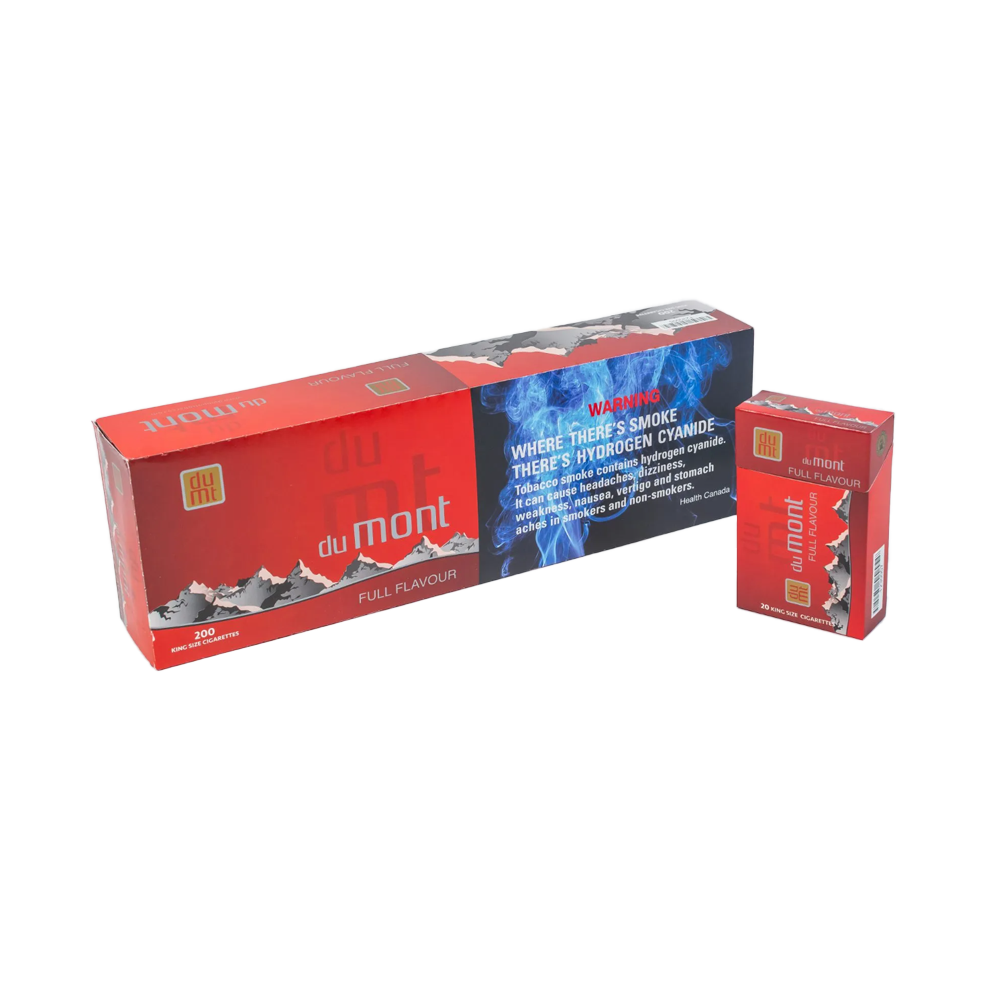
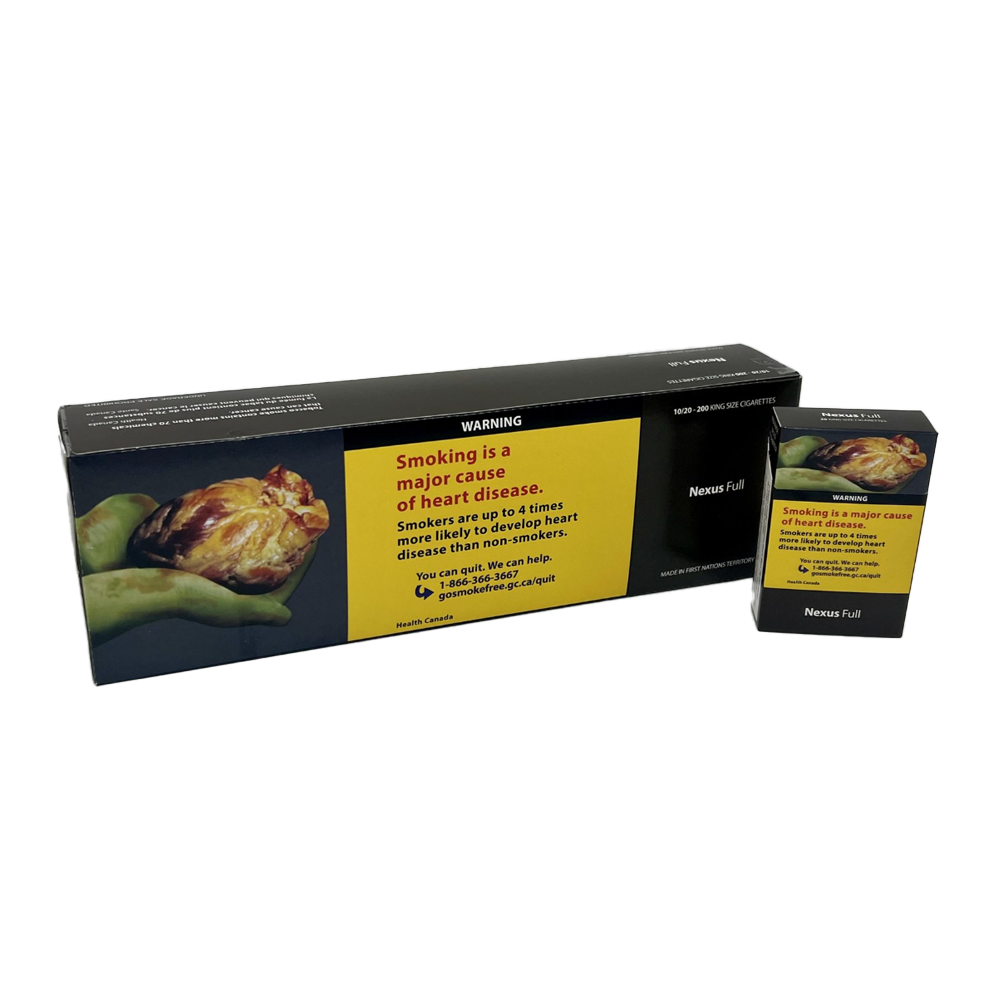
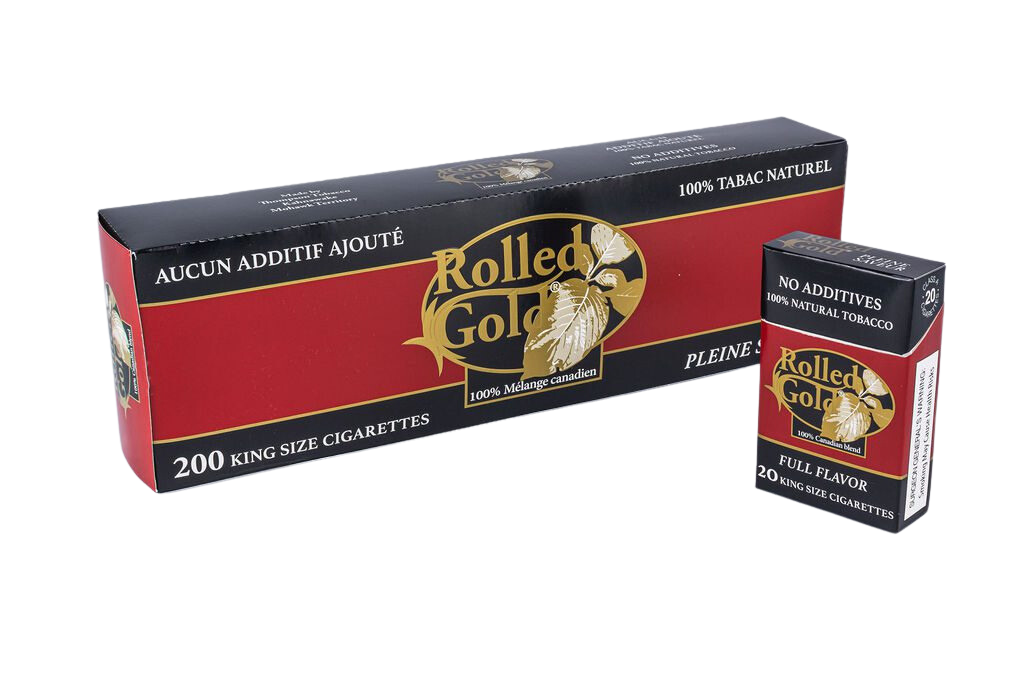
⭐ Excluded: BB light Manitoba, BB full Manitoba, Chanel Blueberry, Chanel ice. See all 29+ native brands at Cigstore.ca.
🚚 Delivery Across Canada – $29 Flat Rate
We ship to every province and territory using Canada Post, Purolator, FedEx, and UPS. Orders over $290 qualify for FREE shipping. Age verification (19+) required upon delivery.
📦 Same-day dispatch for orders before 2 PM EST. Tracking provided within 24 hours.
📚 You Might Also Enjoy These Articles
History of Smoking in Canadian Restaurants
From elegant ashtrays to full bans.
History of Smoking in Canadian Bars & Pubs
From smoke-filled taverns to clean air.
What the 1960s Cigarette Break Looked Like
Ashtrays everywhere, no limits.
Why Every Bar in the Last Century Had Ashtrays
The essential bar accessory that defined an era.
History of Smoking in Canada
From 1950s magazine ads to plain packaging today.