
Why Construction Workers of the Past Rarely Worked Without a Smoke Break
The Hard Hat, the Hammer, and the Cigarette: A Cultural History
🏗️🚬 For most of the 20th century, the image of a construction worker was inseparable from the image of a cigarette. Scaffolding, hard hats, and smoke — they seemed to go together. Why were cigarettes so central to the culture of building trades? From the “coffee and a dart” ritual to the physical demands of labour, from the social bonding of the smoke break to the relentless marketing of tobacco companies, this article explores the deep-rooted connection between construction and cigarettes — and why that bond is finally breaking.
⚡ Reason #1: The Physical Demands of the Job
Historically, construction workers smoked at rates 2-3x higher than the national average.
In some studies, over 60% of tradesmen reported being regular smokers.
Construction is one of the most physically demanding occupations. Long hours, heavy lifting, extreme weather, and tight deadlines create chronic stress. For generations, cigarettes were seen as a tool to manage that stress — a quick break, a moment to breathe, a stimulant to keep going.
- ⚡ Nicotine as a stimulant: Nicotine increases alertness and concentration. For a worker on a high-rise scaffold or operating heavy machinery, that boost could be critical .
- 😔 Stress relief (the illusion): While nicotine actually increases physiological stress markers, the ritual of the smoke break provides a psychological reset .
- 🔄 Routine and habit: The construction day is structured around breaks. “Coffee and a dart” (a cigarette) was the standard morning ritual .
- 📈 High injury rates: The stress and physical toll of the job contribute to higher smoking rates — a coping mechanism for a dangerous occupation.
🤝 Reason #2: The Smoke Break as Social Bonding
On a construction site, the smoke break is not just about nicotine — it is about camaraderie. The designated smoking area — often a makeshift bench near the job site trailer — is where workers swap stories, complain about the foreman, and build the informal bonds that keep a crew functioning .
- 🗣️ Sharing a smoke = sharing a conversation: Offering a cigarette to a coworker is a gesture of goodwill, a way to break the ice with a new crew member, or a means of building trust .
- 👥 The “smoking gang”: On many job sites, smokers form a distinct social subgroup. Non-smokers are often excluded from the informal networking that happens around the smoke pit .
- 📈 Crew cohesion: The smoke break fosters crew cohesion. The foreman who takes a smoke break with the crew is seen as “one of us” .
- 🎭 “Coffee and a dart”: The quintessential construction morning ritual — a coffee in one hand, a cigarette in the other, surveying the day’s work.
📖 From a 1985 construction worker interview: “You learn more at the smoke pit than you do in any safety meeting. That’s where the real talk happens.”
☕ The Rituals: “Coffee and a Dart”
The phrase “coffee and a dart” (or “coffee and a smoke”) is embedded in construction culture. The morning ritual — arriving at the site, pouring a thermos of coffee, lighting a cigarette — sets the tone for the day .
- 📅 The 10 AM smoke: By late morning, the body is craving nicotine. The 10 AM break is a sacred ritual .
- 🍽️ The lunch smoke: After eating, a cigarette “aids digestion” — or so smokers believe. The post-lunch smoke is a daily ritual .
- 🚬 The quitting-time smoke: The last cigarette of the day, shared with coworkers as tools are packed away, signals the transition from work to home .
- 🎯 The “just one more” trap: The day’s rituals are structured around cigarettes. Each break is anticipated, each smoke a small reward .
📉 The Decline: Why Construction Workers Smoke Less Today
The construction site of 2026 looks very different from the construction site of 1986. Several factors have contributed to the decline of smoking in the trades.
- 🚭 Provincial smoking bans: Many provinces now ban smoking inside construction site trailers and in designated outdoor areas near building entrances .
- ⚖️ Employer restrictions: Major construction firms have adopted smoke-free workplace policies, fearing liability and lost productivity .
- 📉 Cultural shift: As smoking rates have fallen in the general population, they have fallen among tradesmen too — though more slowly .
- 💨 Vaping as a replacement: Many younger tradesmen have switched to vaping, which is less restricted and perceived as less harmful .
- 📊 The remaining smokers: Despite the decline, construction workers still smoke at rates above the national average. The “coffee and a dart” ritual persists, even if the ashtrays have moved outdoors.
🎤 A Famous Smoker: Rusty Shuttleworth, The Singing Construction Worker
One Canadian construction worker achieved unexpected fame for his smoking habit. Rusty Shuttleworth, an ironworker by trade, became a performer who sang about the working life — including a song titled “I Left My Hammer in the Smoke Shack” .
- 🎸 The song’s meaning: The lyrics describe the life of a worker on a high construction site, moving from shack to crane, with cigarettes as part of the daily routine.
- 🎭 Cultural artifact: Shuttleworth’s song is a time capsule of an era when “smoke shack” was a standard feature on every job site .
- 📜 The legacy: Today, many job sites still have designated smoking areas — but they are called “smoking shelters” or “designated smoking areas,” not “smoke shacks.” The language is changing.
📖 From Rusty Shuttleworth’s song: “I left my hammer in the smoke shack / My lunch pail’s on the floor / My foreman’s gonna have a heart attack / And I’m not working anymore.”
🏗️ The Cultural Icon: Why We Associate Construction with Cigarettes
The image of the smoking construction worker has been reinforced by popular culture for decades. From Rosie the Riveter (who was often depicted with a cigarette) to The Simpsons‘ Homer Simpson (who works at a nuclear plant but embodies the blue-collar smoker archetype), the connection is ingrained .
- 🎬 Film and television: Movies about construction — from The Deer Hunter‘s steel mill scenes to documentaries about the building of the CN Tower — often show workers smoking .
- 📺 Advertising: Cigarette brands like Marlboro and Camel targeted working-class men, including construction workers, with images of rugged masculinity .
- 📊 Product placement: In the 1950s and 60s, tobacco companies paid to have their brands visible on job sites — through branded hard hats, jackets, and break room signage .
- 🔄 Self-reinforcing: The more construction workers were shown smoking, the more smoking became part of the construction identity — and vice versa.
💰 The Financial Toll: Cigarettes and the Working-Class Budget
For construction workers, cigarettes are a significant budget item. A pack-a-day smoker spends $5,000-7,000 per year on cigarettes. That’s a week’s pay — or more.
- 📊 Commercial vs. native: A commercial carton costs $140-180. A native carton costs $29-50. The savings are dramatic .
- 👥 Group orders: Construction workers often pool orders to reach free shipping thresholds. A crew of five ordering 10 cartons each gets free shipping .
- 📦 Delivery to job sites: Many contractors allow workers to receive personal packages at their site trailers. Native cigarette delivery to the job site is convenient and discreet .
- 💰 “Every dollar counts”: For workers facing seasonal layoffs, the savings from native cigarettes can make a real difference.
📦 Native Cigarettes: The Construction Worker’s Choice
For price-conscious construction workers, native cigarettes (Playfare, Canadian, DuMont, Nexus, Rolled Gold) have become the affordable choice. A carton costs $29-50 — compared to $140-180 for commercial brands — a savings of 70-80%.
- 💰 Cost savings: A pack-a-day smoker saves $5,000-7,000 per year by switching to native cigarettes — real money for workers facing rising costs .
- 🚫 Not “healthier”: Native cigarettes contain the same nicotine, tar, and carcinogens as commercial brands. The only difference is price and packaging.
- 📦 Online delivery: Cigstore.ca ships to every province and territory with $29 flat shipping (free over $290).
- 🏗️ Job site delivery: We ship to construction site trailers and home addresses. Many workers order to their home terminal or depot.
- 👥 Group orders: Many crews pool orders to reach the $290 free shipping threshold. A group of five workers ordering 10 cartons each gets free shipping and the lowest per-carton price .
🔥 Top 5 Native Cigarettes for Construction Workers




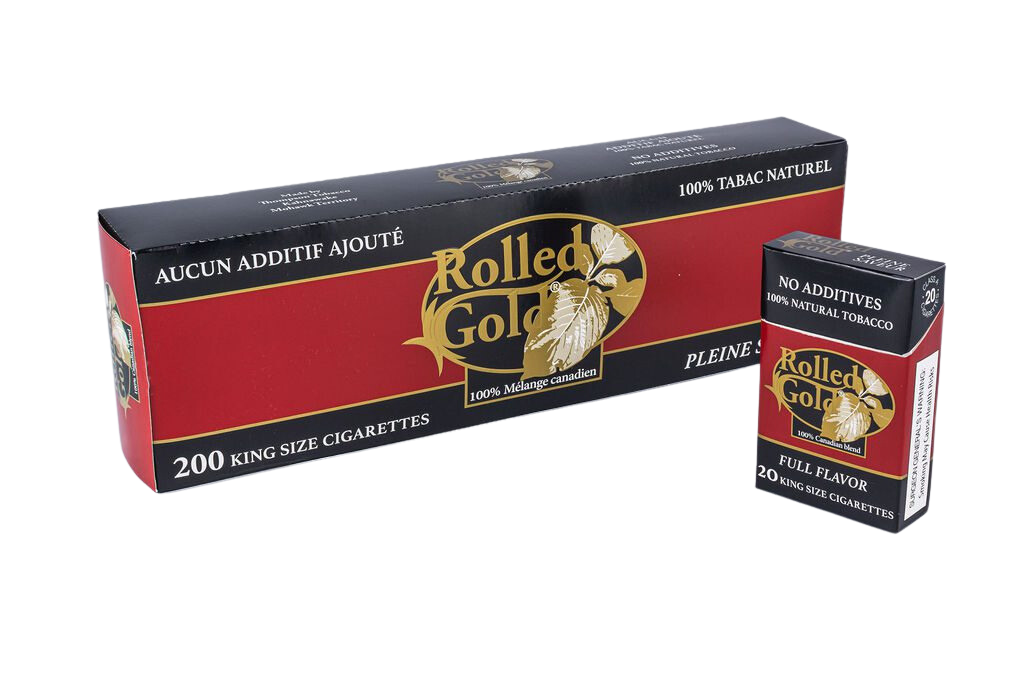
⭐ Excluded: BB light Manitoba, BB full Manitoba, Chanel Blueberry, Chanel ice. See all 29+ native brands at Cigstore.ca.
🚚 Delivery to Construction Sites – $29 Flat Rate
We ship to every province and territory using Canada Post, Purolator, FedEx, and UPS. Orders over $290 qualify for FREE shipping. Age verification (19+) required upon delivery.
📦 Same-day dispatch for orders before 2 PM EST. Tracking provided within 24 hours.
🏗️ Construction note: Many contractors allow workers to receive personal packages at their site trailers. Check with your foreman before ordering to a job site.
📚 You Might Also Enjoy These Articles
Tobacco & Trucker Culture in Canada
Long-haul smokes and the open road.
Why Cigarettes Are Expensive
Complete federal & provincial tax breakdown.
1994 Tax Cut Story
How native cigarettes became affordable.
Why So Many Rock Stars Never Gave Up Cigarettes
The myth, the addiction, and the legacy.
History of Smoking in Canada
From 1950s magazine ads to plain packaging today.