
Smoking in Canadian Student Culture: 1970s-1990s
From Smoke-Filled Dorms and Campus Pubs to the End of an Era
🎓🚬 For three decades — from the 1970s through the 1990s — smoking was an integral part of Canadian student life. University and college campuses were filled with smoke: in dorms, in campus pubs, in student lounges, and even in some classrooms. Smoking was not just permitted — it was expected, a rite of passage, a social lubricant, and a stress reliever for students facing exams, papers, and the transition to adulthood. This article explores the culture of student smoking in Canada from the 1970s to the 1990s: the rise of campus smoking lounges, the role of tobacco advertising in student newspapers, the social dynamics of the “smoking pit,” and the gradual decline as health awareness and smoking bans took hold.
📊 The Numbers: Peak Smoking Among Students
1965: ~50% of young adults smoked | 1985: ~35% | 1995: ~28% | 2022: ~8%
Smoking was the norm, not the exception, for decades.
Throughout the 1970s and 1980s, smoking rates among Canadian young adults (ages 18-24) were among the highest of any demographic. In 1965, nearly half of all young adults smoked. Even as the health risks became widely known, rates declined slowly — from 50% in the 1960s to 35% in the 1980s to 28% in the 1990s .
- 📈 The industry’s target: Tobacco companies actively targeted young adults, knowing that most smokers start before age 25. Campus advertising, free samples, and branded merchandise were common .
- 🎓 University vs. college: Smoking rates were often higher at community colleges than universities, reflecting socioeconomic differences .
- 👩🎓 Gender gap narrows: In the 1960s, male students smoked at much higher rates than female students. By the 1980s, the gap had nearly closed .
🚬 The Campus Smoking Lounge: A Second Home
Every Canadian university had its smoking lounges — windowless rooms in student union buildings where the air was thick with blue-grey smoke. These lounges were social hubs, where students from different faculties gathered to smoke, study, and socialize.
- 📚 “The Pit” at UBC: A famous outdoor smoking area outside the Student Union Building (SUB) — a social hub that persisted for decades .
- 🏛️ U of T’s Sid Smith basement lounge: A notorious smoking lounge where philosophy and English students debated Kierkegaard through a haze of smoke .
- 📖 McGill’s McConnell Hall dungeon: A subterranean smoking lounge that was always packed between classes .
- 🎓 “The Rat” at Queen’s: The Queen’s University pub (The Queen’s Pub, nicknamed “The Rat”) was a smoke-filled gathering place for students and faculty alike .
- ⚖️ The social function: As one alumnus recalled, “The smoking lounge was where you went to find out what was really happening on campus. You’d meet people you’d never talk to in class.”
📖 From a 1980s UBC student newspaper: “The Pit is the heart of the SUB. It’s where you go between classes to smoke, complain about your profs, and figure out where the party is that night.”
🍺 Campus Pubs: Smoke, Beer, and Rock Music
Campus pubs were the epicenters of student social life in the 1970s and 1980s. And they were filled with smoke. Ashtrays were on every table, and the air was thick with cigarette smoke mixed with the smell of beer.
- 🍽️ The Grad Club (Queen’s): A graduate student pub where faculty and grad students mingled — and smoked .
- 🍺 The Rat (Queen’s again): As one alumnus recalled, “the cigarette smoke was so thick you could barely see the stage.”
- 🎸 Live music and smoke: Campus pubs hosted rock bands, and cigarettes were part of the aesthetic. Smoking while watching a band was the norm .
- 🚫 The end of an era: Campus pubs were forced to go smoke-free in the 1990s and 2000s as provincial laws changed. Many students mourned the loss.
📖 From a 1985 Queen’s University student: “The Grad Club was where you went after a hard day of studying. You’d grab a beer, light a cigarette, and debate with your prof about Marx or Foucault. The smoke was part of the atmosphere.”
🏠 Dorm Life: Ashtrays in Every Room
University dormitories in the 1970s and 1980s were not smoke-free. Ashtrays were standard equipment in residence rooms, and the hallways often smelled of stale smoke.
- 📦 Shared rooms, shared smoke: Roommates negotiated whose turn it was to buy the next carton. Non-smokers were often assigned to smoking rooms — and had to adapt .
- 🚭 The “quiet” smokers: Students who didn’t want their parents to know they smoked would hide their ashtrays during visits — a classic trope of 1980s dorm life .
- 🔥 Fire hazards: Dormitory fires caused by unattended cigarettes were a recurring problem. Many universities banned smoking in dorms in the 1990s precisely for this reason .
- 📉 The shift: By the mid-1990s, most Canadian universities had banned smoking in dormitories, forcing students to smoke outside in designated areas.
📰 Tobacco Advertising in Student Newspapers
Cigarette ads were common in student newspapers throughout the 1970s and 1980s.
Brands like Player’s, Export ‘A’, and Du Maurier targeted students directly.
Tobacco companies were not passive observers of student culture — they actively shaped it. Student newspapers ran full-page cigarette ads, and tobacco companies sponsored campus events and student clubs.
- 📰 The Queen’s Journal archive: Issues from the 1970s and 1980s contain full-page ads for Player’s, Export ‘A’, and Du Maurier .
- 📦 Free samples at Frosh Week: Tobacco companies provided free cigarette samples to first-year students during orientation — a practice that continued into the 1990s .
- 🏷️ Branded merchandise: Cigarette companies gave away branded T-shirts, hats, lighters, and ashtrays to student clubs — a form of subtle advertising .
- ⚠️ The backlash: By the 1990s, student newspapers began rejecting cigarette ads, and universities banned tobacco sponsorship of campus events .
📖 From a 1982 Queen’s Journal ad: “Player’s — Challenge everything.” — A slogan that appealed directly to the rebellious spirit of university students .
🤝 Smoking as a Social Tool: The Smoke Break as Networking
In the era before smartphones, the smoke break was a primary form of socialization. Students met friends, networked with professors, and even found dates over a shared cigarette.
- 📖 “Got a light?”: Asking for a light was a classic pickup line. A shared cigarette could lead to a conversation, a date, or a relationship .
- 👨🏫 Professors who smoked: Many faculty members smoked in their offices, and students would drop by for a smoke and a chat — a form of informal mentorship that has largely disappeared .
- 🎓 The grad student lounge: In many departments, the graduate student lounge was a de facto smoking lounge — and the site of intense intellectual exchange .
- 📉 The loss: As smoking has been banned, some observers note that the informal networking that happened around smoke breaks has been lost.
📉 The 1990s: The Beginning of the End
The 1990s were a turning point for student smoking. Decades of anti-smoking advocacy began to pay off, and universities started to restrict — and then ban — smoking on campus.
- 📅 1990: Canada bans smoking on domestic flights — a sign of changing times .
- 📅 1991: The Non-Smokers’ Health Act bans smoking in federally regulated workplaces .
- 📅 1994: The University of Toronto bans smoking in all indoor public spaces, including student lounges and pubs .
- 📅 1995: McGill University bans smoking in all indoor spaces .
- 📅 1998: The Tobacco Act restricts tobacco advertising and sponsorship — ending cigarette ads in student newspapers .
- 🚬 The last holdouts: Some students continued to smoke in secret, and outdoor “smoking pits” remained popular. But the era of indoor student smoking was ending .
📦 Native Cigarettes: Today’s Affordable Choice for Students
Today, students who smoke face high prices for commercial cigarettes ($16-22 per pack). Native cigarettes (Playfare, Canadian, DuMont, Nexus, Rolled Gold) offer an affordable alternative: a carton costs $29-50 — compared to $140-180 for commercial brands — a savings of 70-80%.
- 💰 Cost savings: A student who smokes a pack a day saves $5,000-7,000 per year by switching to native cigarettes — real money for a student budget.
- 🚫 Not “healthier”: Native cigarettes contain the same nicotine, tar, and carcinogens as commercial brands. The only difference is price and packaging.
- 📦 Online delivery: Cigstore.ca ships to every province and territory with $29 flat shipping (free over $290). Students can order to their dorm or off-campus housing.
- 🚭 Campus reminder: You cannot smoke inside university buildings or dorms. But you can still order affordable native cigarettes for outdoor use.
🔥 Top 5 Native Cigarettes for Students




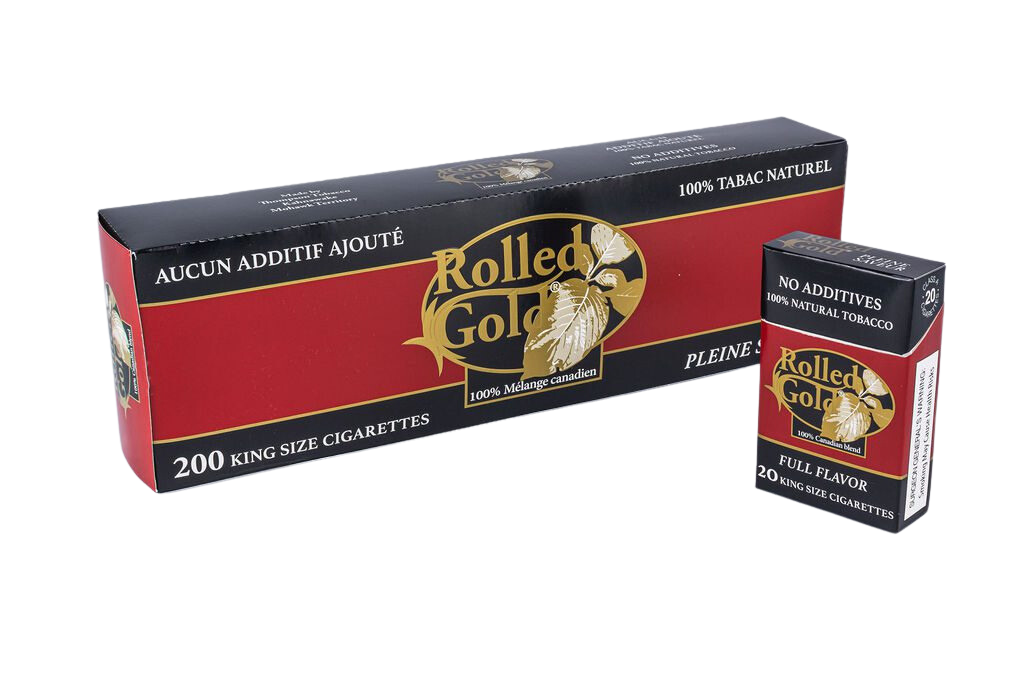
⭐ Excluded: BB light Manitoba, BB full Manitoba, Chanel Blueberry, Chanel ice. See all 29+ native brands at Cigstore.ca.
🚚 Delivery Across Canada – $29 Flat Rate
We ship to every province and territory using Canada Post, Purolator, FedEx, and UPS. Orders over $290 qualify for FREE shipping. Age verification (19+) required upon delivery.
📦 Same-day dispatch for orders before 2 PM EST. Tracking provided within 24 hours.
🎓 Student note: Many students order native cigarettes to their off-campus housing or home addresses. Check your university’s policy on deliveries to dorms before ordering.
📚 You Might Also Enjoy These Articles
Smoking in Canadian Universities in the 20th Century
From ashtrays in lecture halls to smoke-free campuses.
Tobacco & Student Culture in Canada
From smoke-filled dorms to vaping.
Why Sitcoms in the ’90s Rarely Showed Smoking
Cultural shifts on television.
History of Smoking in Canada
From 1950s magazine ads to plain packaging today.
Why Do Fewer People Smoke in Vancouver Than in Montreal?
Regional differences in smoking rates.