
How Cigarettes Became a Symbol of an Entire Era
The 20th Century’s Most Iconic Accessory
📜🚬 The 20th century was, in many ways, the century of the cigarette. From the trenches of World War I to the boardrooms of the 1980s, from Hollywood’s golden age to the coffee shops of the Beat Generation, the cigarette was not just a product — it was a symbol, a status marker, a social lubricant, and a cultural touchstone. How did a simple roll of tobacco in paper come to represent sophistication, rebellion, glamour, and masculinity? This article explores the journey of the cigarette from a niche product to a global icon, tracing its rise and eventual decline as the century’s most emblematic accessory.
💂 The Great Wars: Cigarettes as Comfort and Camaraderie
Cigarettes were included in soldiers’ rations — a “comfort” item to boost morale.
“Cigarettes for soldiers” became a patriotic home-front cause.
The modern cigarette’s rise to prominence was accelerated by the world wars. For soldiers in the trenches, cigarettes provided a moment of respite, a familiar comfort in an unfamiliar hell. Governments and tobacco companies worked together to ensure that cigarettes were included in soldiers’ rations.
- 🎖️ “I’m fighting for freedom — and I’m fighting for a smoke”: Cigarettes were seen as a morale booster, a small pleasure that reminded soldiers of home.
- 🇨🇦 Canadian contributions: The Canadian government actively promoted cigarettes for troops, and tobacco companies sent millions of free cigarettes overseas.
- 📈 The post-war boom: Returning soldiers brought their smoking habit back home, fueling a dramatic increase in civilian consumption.
- 📊 By the end of WWII, smoking had become a mass habit, no longer confined to a niche demographic.
📖 A WWII veteran’s reflection: “The first thing you did when you came off the line was light a cigarette. It was the only thing that made you feel human again.”
🎬 Hollywood’s Golden Age: Glamour and the Silver Screen
No single force did more to glamorize smoking than Hollywood. In the 1930s, 40s, and 50s, movie stars smoked on screen — and the cigarette became a symbol of sophistication, danger, and allure. Humphrey Bogart, Lauren Bacall, Audrey Hepburn, James Dean — all made smoking look cool.
- 🚬 “Here’s looking at you, kid”: Rick Blaine’s cigarette in Casablanca is as famous as the line itself.
- 👗 The long cigarette holder: Audrey Hepburn’s Holly Golightly in Breakfast at Tiffany’s made the cigarette holder an emblem of elegance.
- 🧥 James Dean’s rebellious smoke: In Rebel Without a Cause, the cigarette became a symbol of teenage defiance.
- 💰 Product placement: Tobacco companies paid studios handsomely to have their brands featured prominently.
📖 From a 1950s movie review: “When Bogart lights a cigarette, you know he’s about to say something important. The cigarette is part of his vocabulary.”
💼 The Mad Men Era: Cigarettes and Corporate Masculinity
In the 1950s and 60s, the cigarette was the essential accessory of the corporate man. Boardrooms were filled with smoke, and ashtrays were standard equipment on conference tables. To smoke was to project power, confidence, and worldliness.
- 🥃 The three-martini lunch with a cigarette: The advertising executive Don Draper of Mad Men is the perfect embodiment of this era.
- 📄 “Your throat protection — Player’s”: Slogans like this reinforced the idea that smoking was not just acceptable but beneficial.
- 💰 Cigarettes as office supplies: Secretaries were expected to keep their bosses’ desks stocked with cigarettes, ordered alongside pens and paper.
- 📊 By 1965, over 50% of Canadian adults smoked — including the vast majority of white-collar professionals.
🧥 The Rebel: Cigarettes as Defiance
For the Beats, cigarettes were fuel for all-night writing sessions.
For the punks, smoking was a middle finger to health-obsessed society.
Not everyone smoked to fit in — some smoked to stand out. From the Beat Generation of the 1950s to the punks of the 1970s, the cigarette became a symbol of rebellion against conformity and authority.
- 📖 Jack Kerouac and Allen Ginsberg: The Beat poets were rarely photographed without a cigarette. For them, smoking was part of the creative process.
- 🎸 Rock and roll: From Elvis to the Rolling Stones, rock stars made cigarettes look dangerous and sexy.
- 🤘 The punks: In the 1970s, punks smoked with aggressive defiance — a rejection of the “health food” culture of the hippies.
- 🚬 The rebel without a cause: James Dean’s iconic pose — cigarette dangling, leather jacket zipped — became the template for teenage rebellion for generations.
👩 Virginia Slims and the “Liberated” Woman
The 1960s and 70s saw a new marketing strategy: co-opting feminism to sell cigarettes. “You’ve come a long way, baby” — the Virginia Slims slogan — suggested that smoking was a symbol of female empowerment.
- 💄 The slim cigarette: Brands like Virginia Slims and Capri were designed to be “feminine” — slimmer, with pastel packaging and elegant fonts.
- 📢 Advertising as liberation: Ads showed fashionable women smoking, often in contrast to “old-fashioned” women who didn’t.
- 📉 The dark irony: Smoking is not empowering — it’s addictive and deadly. But the marketing worked, and smoking rates among women soared.
- 📊 By 1975, 45% of Canadian women under 35 smoked — up from 18% in 1945.
📖 From a 1970 Virginia Slims ad: “You’ve come a long way, baby. Now you can smoke like a lady — without staining your lips.”
📉 The Fall: How the Cigarette Lost Its Symbolic Power
By the 1990s, the cigarette’s symbolic power had begun to erode. The causes were multiple:
- 🩺 The health evidence became undeniable: The 1964 Surgeon General’s report was just the beginning. Decades of research confirmed that smoking kills.
- 📢 Anti-smoking advocacy: Groups like the Non-Smokers’ Rights Association (founded 1974) fought for smoking bans and advertising restrictions.
- ⚖️ Legal settlements: The 1998 Master Settlement Agreement and subsequent litigation forced tobacco companies to pay billions and restricted their marketing.
- 🚭 Smoking bans: Provincial bans eliminated smoking in restaurants, bars, offices, and public spaces.
- 📉 The result: Today, smoking is no longer cool, sophisticated, or rebellious. It is stigmatized, expensive, and increasingly rare.
🗿 The Legacy: What the Cigarette Symbolized
So what did the cigarette symbolize, exactly? Across the 20th century, it meant different things to different people:
- ✨ Sophistication: (Hollywood, Mad Men, the long cigarette holder)
- 🔥 Rebellion: (James Dean, punks, the Beat Generation)
- 💪 Masculinity: (Marlboro Man, construction workers, soldiers)
- 💃 Liberation: (Virginia Slims, women’s rights marketing)
- 🤝 Social bonding: (The smoke break, the shared lighter)
- 😔 Existential despair: (Film noir detectives, French intellectuals)
📖 A single object, a thousand meanings. The cigarette was a blank slate onto which society projected its values, fears, and aspirations.
📦 Native Cigarettes: Affordable Smoking for a New Era
Today, the cigarette has lost its glamour — but it has not disappeared. Millions of Canadians still smoke, and many have switched to affordable native cigarettes. Native cigarettes (Playfare, Canadian, DuMont, Nexus, Rolled Gold) cost $29-50 per carton — compared to $140-180 for commercial brands — a savings of 70-80%.
- 💰 Cost savings: A pack-a-day smoker saves $5,000-7,000 per year by switching to native cigarettes.
- 🚫 Not “healthier”: Native cigarettes contain the same nicotine, tar, and carcinogens as commercial brands. The only difference is price and packaging.
- 📦 Online delivery: Cigstore.ca ships to every province and territory with $29 flat shipping (free over $290).
- 📜 No glamour, just value: Unlike the advertising-fueled glory days of Marlboro and Camel, native cigarettes are sold with no glamour, no celebrity endorsements — just an affordable product for adult smokers.
🔥 Top 5 Native Cigarettes for Canadian Smokers




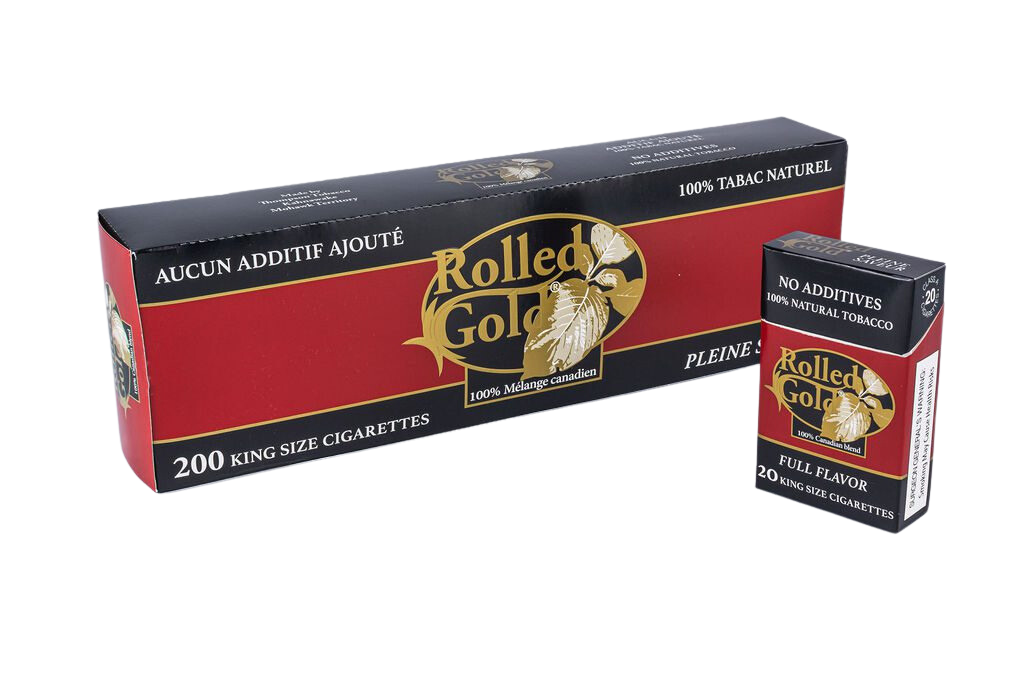
⭐ Excluded: BB light Manitoba, BB full Manitoba, Chanel Blueberry, Chanel ice. See all 29+ native brands at Cigstore.ca.
🚚 Delivery Across Canada – $29 Flat Rate
We ship to every province and territory using Canada Post, Purolator, FedEx, and UPS. Orders over $290 qualify for FREE shipping. Age verification (19+) required upon delivery.
📦 Same-day dispatch for orders before 2 PM EST. Tracking provided within 24 hours.
📚 You Might Also Enjoy These Articles
History of Smoking in Canada
From 1950s magazine ads to plain packaging today.
Cigarettes in Hollywood’s Golden Age
Glamour, rebellion, and the silver screen.
Why So Many Rock Stars Never Gave Up Cigarettes
The myth, the addiction, and the legacy.
How Cigarettes Became Part of the Movie Detective’s Look
From Sam Spade to Philip Marlowe.
Why Cowboys Smoked More Than Anyone Else
The real history and the Marlboro myth.