
Smoking and Peyronie’s Disease
The Link Between Cigarettes and Penile Curvature
⚠️ CRITICAL MEDICAL DISCLAIMER: This article is for educational purposes only and is not a substitute for professional medical advice. Peyronie’s disease requires diagnosis and treatment by a qualified urologist. If you experience penile curvature, pain during erection, or palpable plaques, consult a healthcare provider immediately. This information is based on peer-reviewed research but should not replace personalized medical guidance.
🚬🩺 Peyronie’s disease (PD) is a chronic condition characterized by the formation of fibrous scar tissue (plaques) in the tunica albuginea of the penis, leading to painful erections, penile curvature, and erectile dysfunction [citation:1]. While the exact etiology remains multifactorial, cigarette smoking has emerged as one of the most significant modifiable risk factors for developing this condition. This article explores the scientific evidence linking smoking to Peyronie’s disease, the mechanisms of tissue damage, and what men can do to reduce their risk.
🩺 What Is Peyronie’s Disease?
Peyronie’s disease is a connective tissue disorder affecting the tunica albuginea—the thick, fibrous sheath surrounding the corpora cavernosa. During an erection, this sheath must stretch evenly. When fibrotic plaques form, they prevent normal expansion, causing the penis to bend or curve during erection [citation:3].
- 📊 Prevalence: Estimated to affect 3.2% to 13% of men, though actual rates may be higher due to underreporting [citation:3].
- 🎂 Typical age of onset: Most commonly affects men around 50 years of age, though cases have been reported in men as young as 28 [citation:2].
- ⚙️ Two phases of the disease:
- Acute phase (first 12-18 months): Characterized by penile pain, progressive curvature, and palpable nodules [citation:9]
- Stable phase: Curvature stabilizes, pain typically subsides, and plaques become calcified [citation:9]
📊 The Epidemiological Evidence: Smoking as a Risk Factor
• 26.5% of PD patients are smokers [citation:2]
• 41.5% of PD patients in a large US study reported smoking [citation:10]
• Smokers have median 20 pack-years of exposure [citation:2]
Multiple studies have established a statistically significant association between cigarette smoking and Peyronie’s disease.
🔬 2024 Iranian Study
A cross-sectional study of 68 PD patients found that smoking was the second most prevalent risk factor, affecting 26.5% of patients (only diabetes mellitus was more common at 29.4%). The median cumulative smoking exposure among these patients was 20 pack-years (interquartile range: 10-30) [citation:2].
🇮🇹 2015 Sicilian Study
An Italian study of 279 patients (97 with PD) found a statistically significant correlation between cigarette smoking and Peyronie’s disease (p = 0.0242). The association was particularly pronounced in men aged 50-69 [citation:5].
🇺🇸 2025 US Nationwide Study
A large-scale analysis of 176,969 PD patients in the United States (2010-2022) found that smoking was prevalent in 41.5% of patients with Peyronie’s disease [citation:10].
⚙️ The Mechanism: How Smoking Damages Penile Tissue
Research has identified several mechanisms by which cigarette smoke contributes to the pathogenesis of Peyronie’s disease.
🔥 Oxidative Stress
Cigarette smoke contains thousands of chemicals that generate reactive oxygen species (ROS), leading to oxidative stress. This oxidative damage is a key driver of the chronic inflammation seen in PD. Studies have demonstrated that oxidative stress is an “integral part of this disease, influencing its progression” [citation:1][citation:3].
🩸 Microvascular Damage
Smoking causes microvascular injury, including penile microvascular damage. This impairs blood flow and contributes to the inflammatory cascade that leads to plaque formation [citation:6].
💥 Free Radical-Mediated Fibrosis
In the early stages of PD, inflammatory cells produce high quantities of free radicals and proinflammatory cytokines (TGF-ß1, TNF-α, PDGF). These substances activate transcription factor NF-κB and promote fibrosis. Smoking exacerbates this process by increasing systemic inflammation and oxidative stress [citation:3].
🧬 Impaired Healing
Smoking impairs normal wound healing and tissue repair, which may contribute to the persistence and progression of fibrotic plaques following micro-trauma to the tunica albuginea.
📈 The Dose-Response Relationship: More Smoking, Higher Risk
Research indicates a dose-response relationship between smoking and Peyronie’s disease. The 2024 Iranian study found that affected smokers had a median cumulative exposure of 20 pack-years (calculated as number of packs smoked per day × years of smoking) [citation:2]. Higher pack-year totals were associated with greater disease severity and earlier onset.
⚠️ For context: A 20 pack-year history could mean:
- 1 pack/day for 20 years, OR
- 2 packs/day for 10 years, OR
- 0.5 packs/day for 40 years
🩺 Other Risk Factors Associated with Peyronie’s Disease
While smoking is a significant modifiable risk factor, Peyronie’s disease is associated with several other conditions. A large US study (n=176,969) found the following comorbidities among PD patients [citation:10]:
- 💉 Hypertension: 72.9% of PD patients
- 🍬 Diabetes mellitus: 40.4% of PD patients
- ⚖️ Obesity: 31.1% of PD patients
- 🫀 Erectile dysfunction: 28.2% of PD patients
- 😔 Depression: 19% of PD patients
- ✋ Dupuytren’s contracture: 3.1% of PD patients (notable as a related fibrotic condition)
📖 Note on diabetes: While some studies have found a strong association between diabetes and PD, others (including the 2015 Sicilian study) did not find a statistically significant association (p = 0.358) [citation:5]. However, the large US study found diabetes in 40.4% of PD patients, suggesting it remains an important comorbidity [citation:10].
🫀 The Connection Between PD, ED, and Smoking
Erectile dysfunction affects 31.5% of Peyronie’s disease patients [citation:3]
There is a well-established bidirectional relationship between Peyronie’s disease and erectile dysfunction (ED). Both conditions share common pathophysiological mechanisms: chronic inflammation, oxidative stress, and microvascular damage [citation:1].
- 🚬 Smoking is an independent risk factor for both PD and ED [citation:6].
- Both conditions are characterized by “chronic inflammation, oxidative stress, and significant changes in intracavernous hydrodynamics” [citation:1].
- ED may precede, accompany, or follow the diagnosis of Peyronie’s disease. The 2025 US study found that 28.2% of PD patients had documented ED [citation:10].
💊 Treatment Implications: Why Smoking Cessation Matters
Current treatments for Peyronie’s disease include [citation:10]:
- 💉 Intraplaque injections: The most common therapy (7.2% of patients), with an increasing utilization trend
- 🔪 Surgical interventions: Used in 8.1% of patients (plications: 35.1%, grafting: 13%, prosthesis implantation: 36.2%)
- 💊 Oral therapies: Vitamin E, Potaba, tamoxifen, colchicine (though efficacy evidence remains limited) [citation:3]
- 🧬 Emerging treatments: Antioxidant therapies show promise in preclinical studies [citation:1][citation:3]
⚠️ Smoking cessation is critical for treatment success. Continued smoking impairs wound healing, promotes oxidative stress, and may reduce the effectiveness of both medical and surgical interventions. Patients who smoke have poorer outcomes following PD treatments.
✅ Prevention: What Men Can Do
- 🚭 Quit smoking — The single most important modifiable risk factor. The dose-response relationship suggests that any reduction in smoking is beneficial, and complete cessation is optimal.
- 💊 Manage underlying conditions — Control hypertension, diabetes, and obesity through lifestyle modification and medication as prescribed.
- 🩺 Seek early evaluation — If you notice penile curvature, pain during erection, or palpable lumps, consult a urologist promptly. Early diagnosis during the acute phase may improve treatment outcomes.
- 💬 Discuss risk factors with your doctor — Be honest about smoking history, including pack-years, to receive appropriate counseling.
- ❤️ Address ED promptly — Erectile dysfunction often precedes PD and may share common pathophysiological mechanisms.
📦 Native Cigarettes: No Difference in PD Risk
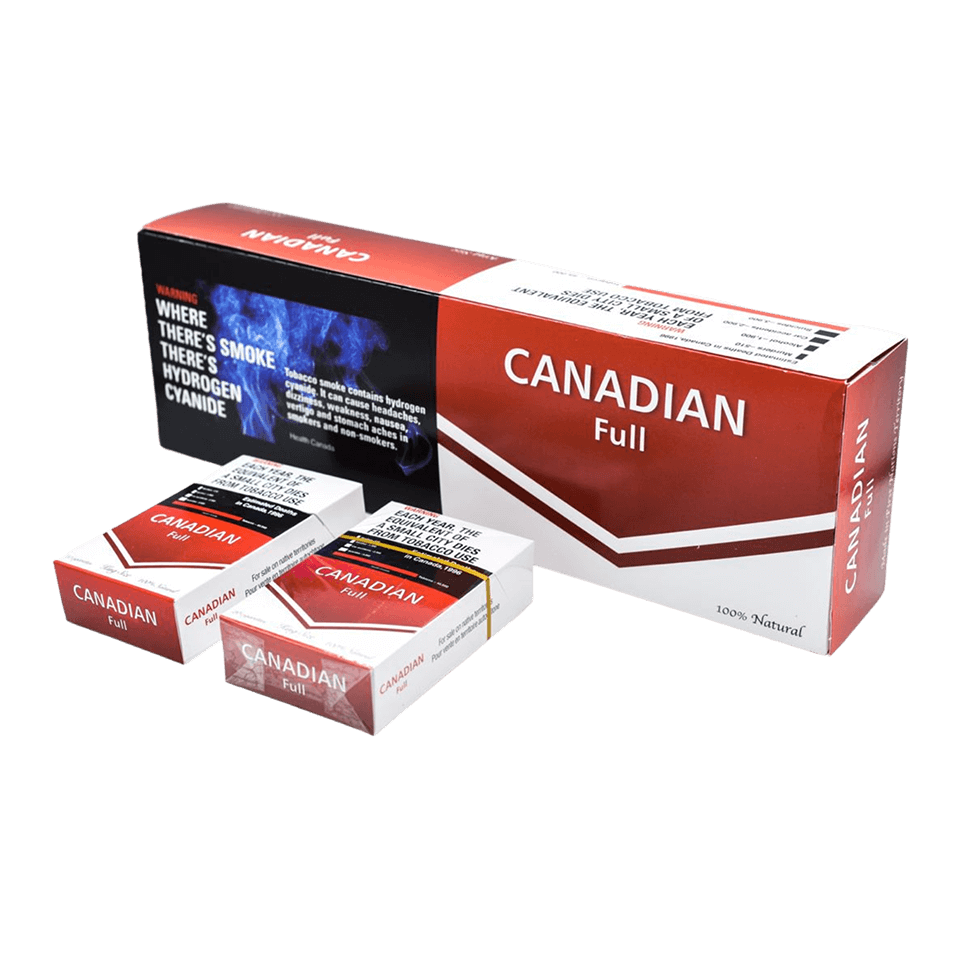
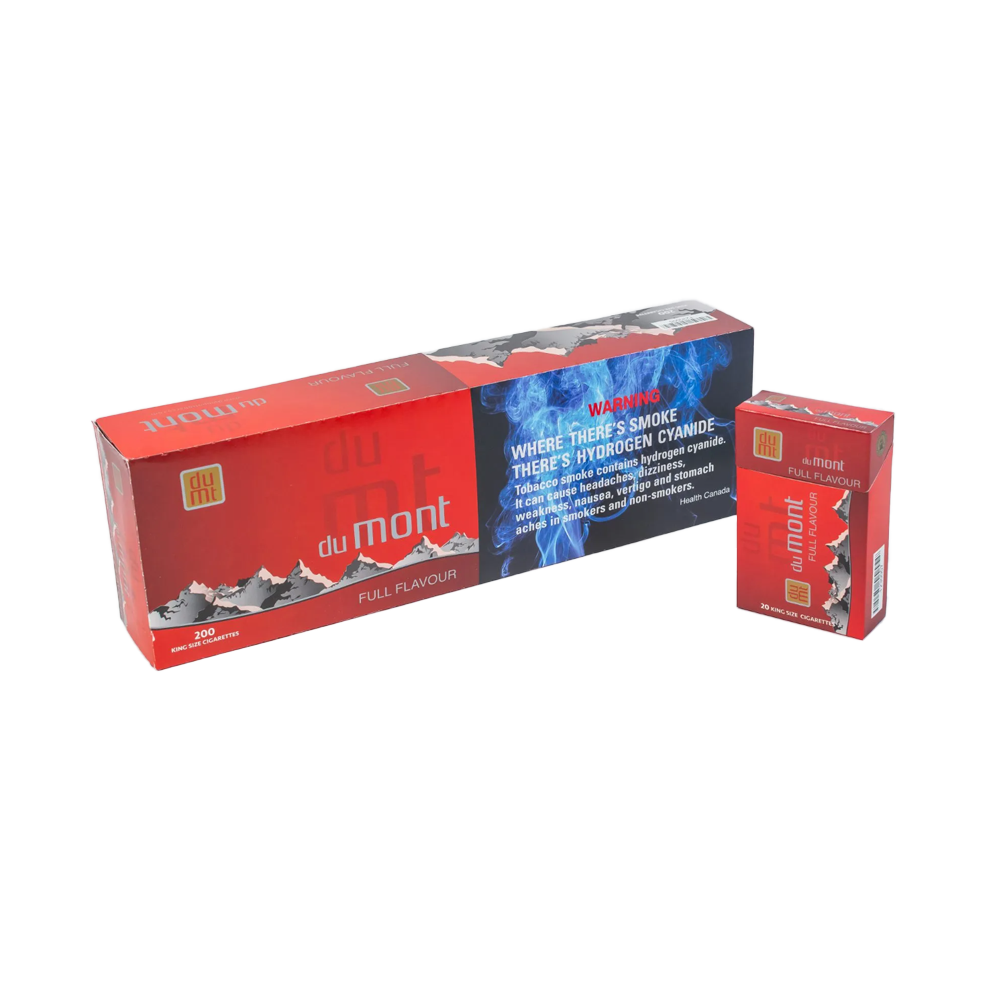
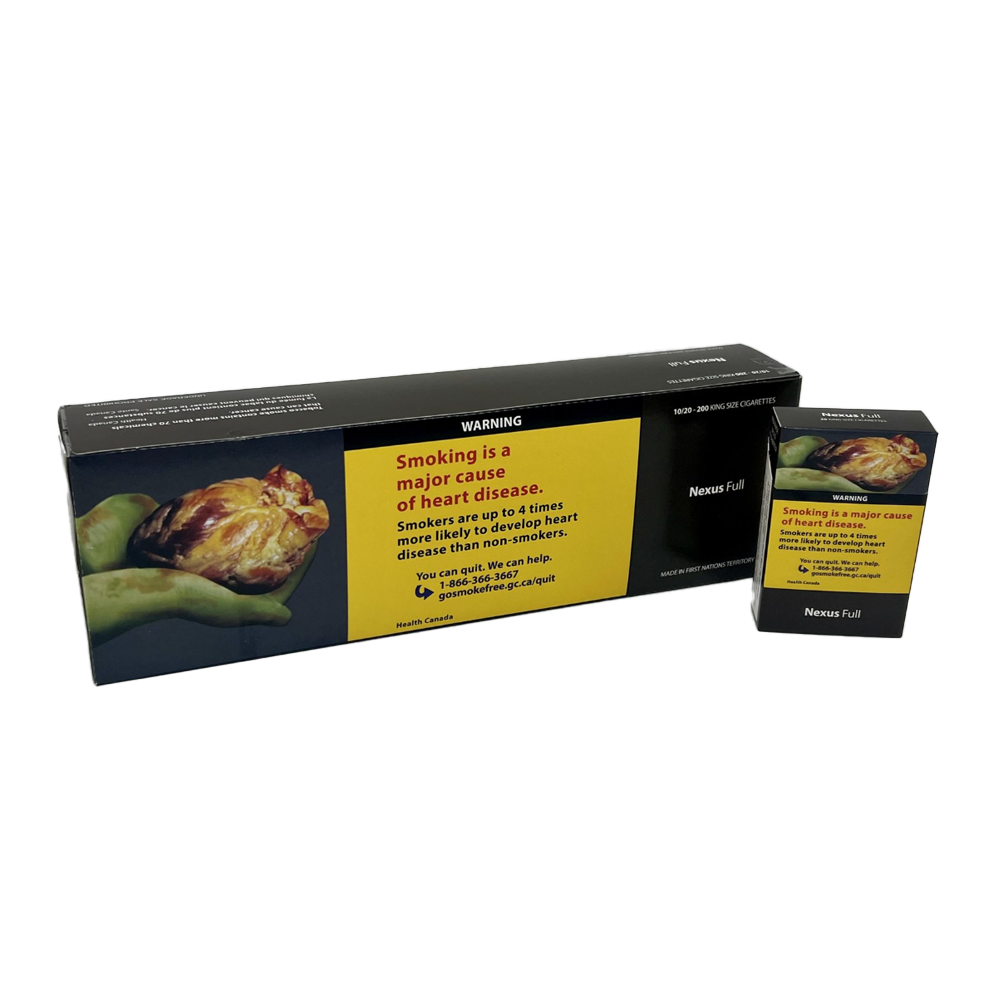
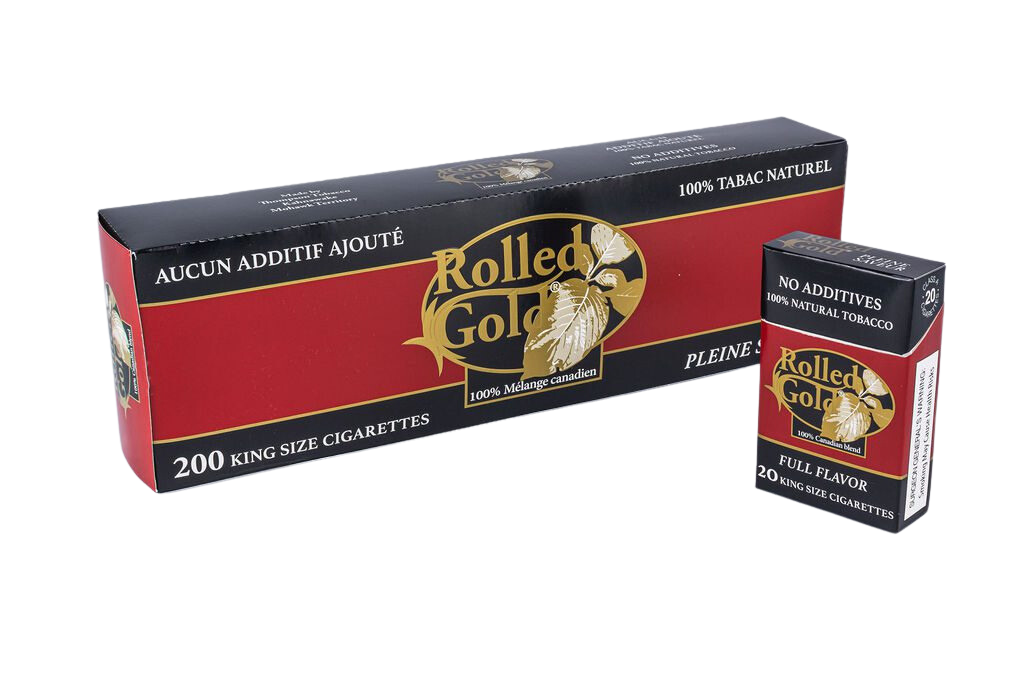
It is critical to understand that all tobacco smoke contains the same harmful chemicals that contribute to Peyronie’s disease — regardless of brand or source. Native cigarettes (Playfare, Canadian, DuMont, Nexus, Rolled Gold) contain the same oxidative stressors, free radicals, and microvascular toxins as commercial brands [citation:3].
- 💰 Cost savings: Native cigarettes cost $29-50 per carton — compared to $140-180 for commercial brands — a savings of 70-80%.
- 🚫 Not “healthier” for sexual health: Native cigarettes contain the same chemicals that cause oxidative stress, endothelial dysfunction, and fibrotic damage.
- 📦 Online delivery: Cigstore.ca ships to every province and territory with $29 flat shipping (free over $290).
- 🩺 Medical note: If you are concerned about Peyronie’s disease or erectile dysfunction, no form of smoking is safe — regardless of brand or price.
🔥 Top 5 Native Cigarettes (Not Safe for Sexual Health)

⭐ Excluded: BB light Manitoba, BB full Manitoba, Chanel Blueberry, Chanel ice. See all 29+ native brands at Cigstore.ca.
🚚 Delivery Across Canada – $29 Flat Rate
We ship to every province and territory using Canada Post, Purolator, FedEx, and UPS. Orders over $290 qualify for FREE shipping. Age verification (19+) required upon delivery.
📦 Same-day dispatch for orders before 2 PM EST. Tracking provided within 24 hours.
📚 You Might Also Enjoy These Articles
Smoking and Testosterone
Effects on men’s health and performance.
How Smoking Affects Your Skin, Hair, and Nails
The visible effects of tobacco on your body.
Smoking and Dental Health
Stains, gum disease, and implants.
Smoking and Stress: The Neuroscience
Why nicotine feels calming (and why it’s a trap).
Smoking and Contraception
Hormonal interactions and risks.