
Smoking and Divorce: Statistics and Research
The Two-Way Relationship Between Marital Dissolution and Tobacco Use
⚠️ IMPORTANT DISCLAIMER: This article is for educational purposes only. The statistics and research findings presented are from peer-reviewed studies but represent population-level associations. Individual experiences may vary.
💔🚬 The relationship between smoking and divorce is bidirectional and complex. Not only does marital dissolution increase smoking rates as a coping mechanism for stress, but smoking itself is a risk factor for relationship instability. Research has consistently shown that separated, divorced, or widowed individuals have higher smoking rates and are more likely to attempt smoking cessation than married individuals [citation:1]. This article reviews the key statistics and research findings on the two-way link between smoking and divorce, including data on cessation attempts, gender differences, and long-term health behavior changes.
📊 Marital Status and Smoking Rates
• Separated, divorced, or widowed individuals: 15.97% of Canadian smokers
• Married or common-law individuals: 53.90% of Canadian smokers
— Statistics Canada data (cited in NIH research)[citation:1]
Analysis of Statistics Canada data reveals clear differences in smoking prevalence by marital status. Among Canadian smokers [citation:1]:
- 📊 Married or common-law: 53.90% of smokers
- 📊 Widowed, separated, or divorced: 15.97% of smokers
- 📊 Single: Remaining percentage of smokers
The data also shows that among smokers who are separated, divorced, or widowed, the average age of initiating daily smoking is 17.43 years, with an average of 22.96 years of smoking history and an average of 16.86 cigarettes smoked daily[citation:1].
📖 Interpretation: While married individuals make up the largest proportion of smokers numerically, separated/divorced/widowed individuals have significantly higher smoking rates when adjusted for population size. The stress of marital dissolution is a known trigger for smoking initiation, relapse, and increased consumption.
📉 Marital Dissolution as a Trigger for Increased Smoking
Smoking increases leading up to and in the year of separation, with variability by gender, education, and parenthood status[citation:2].
A large 2025 longitudinal study published in PubMed analyzed 1,376 marital separations (744 women, 632 men) from the Household, Income, and Labour Dynamics in Australia (HILDA) survey between 2002 and 2020[citation:2].
- 📈 Key finding: Drinking and smoking increase leading up to and in the year of separation[citation:2].
- 👩⚕️ Gender differences: Cessation was most likely for the highly educated and/or women[citation:2].
- 👨 Men and those with lower education: Face the greatest challenges in quitting after separation[citation:2].
- 👨👩👧👦 Parenthood impact: Those with children have particular difficulty with smoking cessation following marital dissolution[citation:2].
📖 Quote from the study: “Unhealthy coping mechanisms throughout marital dissolution suggests a need for targeted support to those separating, especially for men and those with children and lower education”[citation:2].
🇨🇦 Canadian Evidence: Divorced Individuals Are 2.4x More Likely to Attempt Quitting
Separated, divorced, or widowed individuals: aOR = 2.43 [1.09, 5.38]
— More than twice as likely to attempt smoking cessation than single individuals[citation:5][citation:4]
A 2023 study of 1,326 Nunavimmiut (Inuit people of Nunavik, northern Québec) published in the Canadian Journal of Public Health examined determinants of smoking cessation attempts[citation:5].
- 📊 Smoking rate in Nunavik: 80% of adults smoke — among the highest in Canada[citation:5].
- 🔬 Key finding: Separated, widowed, or divorced individuals had 2.43 times higher odds of reporting a cessation attempt compared to single individuals (95% CI: 1.09-5.38)[citation:5][citation:4].
- 📈 Other factors linked to quit attempts: Living on the Ungava coast (aOR 1.87), occasional smoking status (aOR 2.77)[citation:5].
- 📉 Factors linked to lower quit attempts: Older age (aOR 0.84), smoking 20+ cigarettes/day (aOR 0.94)[citation:5].
- 📊 Overall quit rate: 39.3% attempted to quit, but only 6.1% of those who tried were successful[citation:5].
📖 Explanation: “A change in the family structure, and thus spousal influence, may explain the increased odds of smoking cessation among separated, divorced, or widowed participants”[citation:4]. The absence of a smoking partner removes a significant environmental trigger for continued smoking.
📊 Childhood Predictors: Parental Divorce and Adult Smoking
Parental divorce during childhood shows a statistical trend toward increased adult cigarette consumption
— 38,290 smokers analyzed[citation:8]
A large 2025 meta-analysis published in Nature Communications Medicine examined childhood predictors of adult daily cigarette consumption among 38,290 smokers[citation:8].
- 📈 Key finding: Parental divorce showed a statistically significant global association with increased cigarette consumption (global p-value = 0.008)[citation:8].
- 📉 Effect size: While the confidence interval for the divorced category crossed zero (−0.91, 0.29), the overall model was significant, suggesting that parental divorce during childhood is a risk factor for higher adult smoking levels[citation:8].
- 🔬 Comparison with other factors: Parental divorce had a stronger statistical association than poor relationship with father (p=0.166)[citation:8].
📖 Interpretation: This meta-analysis suggests that childhood exposure to parental divorce may have lasting effects on smoking behavior into adulthood. The stress and disruption of family dissolution during formative years can lead to long-term coping strategies that include increased tobacco use.
🩺 Cessation Support: Most Divorced Smokers Quit Without Professional Help
Among smokers attempting to quit[citation:5]:
- 📊 No specific method: 58.4%
- 👨👩👧👦 Family, self-help, or support programs: 28.2%
- 💊 Medication: 25.8%
- 🙏 Spirituality or traditional methods: 12.9%
- 💨 Electronic cigarette: 7.1%
The majority of smokers attempting to quit — particularly those experiencing marital dissolution — rely on willpower and informal support rather than medical interventions[citation:5]. For separated individuals, the loss of a spouse’s smoking presence may serve as both a trigger for quitting (removal of a smoking partner) and a stressor that undermines cessation success[citation:4].
📖 Note on marriage as a protective factor: Partners who smoke may have a harmful influence on each other’s health, but the absence of a partner (through separation or widowhood) can also have negative health effects. The relationship is complex and bidirectional[citation:4].
🧠 The Stress Connection: Why Divorce Triggers Smoking
Divorce is consistently ranked among the most stressful life events. Nicotine is often used as a coping mechanism for stress, even though research shows that the relationship between smoking and stress is contradictory — nicotine both eases and instigates stress[citation:6].
- 😔 Acute stress increases nicotine cravings: The stress of marital dissolution leads to increased smoking.
- 🔄 Withdrawal stress: The stress of nicotine withdrawal adds to the stress of divorce, creating a vicious cycle.
- ⚠️ Bidirectional effect: The negative health effects of smoking can also contribute to relationship strain and divorce risk.
📊 Summary of Key Research Findings
📦 Native Cigarettes: Affordable Option for Smokers
For those who continue to smoke during or after marital dissolution, native cigarettes offer an affordable alternative. Native cigarettes (Playfare, Canadian, DuMont, Nexus, Rolled Gold) cost $29-50 per carton — compared to $140-180 for commercial brands — a savings of 70-80%.
- 💰 Cost savings: A pack-a-day smoker saves $5,000-7,000 per year by switching to native cigarettes.
- 🚫 Not “healthier”: Native cigarettes contain the same nicotine, tar, and carcinogens as commercial brands. Quitting is the only way to reduce health risks.
- 📦 Online delivery: Cigstore.ca ships to every province and territory with $29 flat shipping (free over $290).
- 🩺 Health note: Given the stress of divorce, many smokers find it difficult to quit. Native cigarettes at least reduce the financial burden, but smoking cessation remains the optimal health goal.
🔥 Top 5 Native Cigarettes for Canadian Smokers


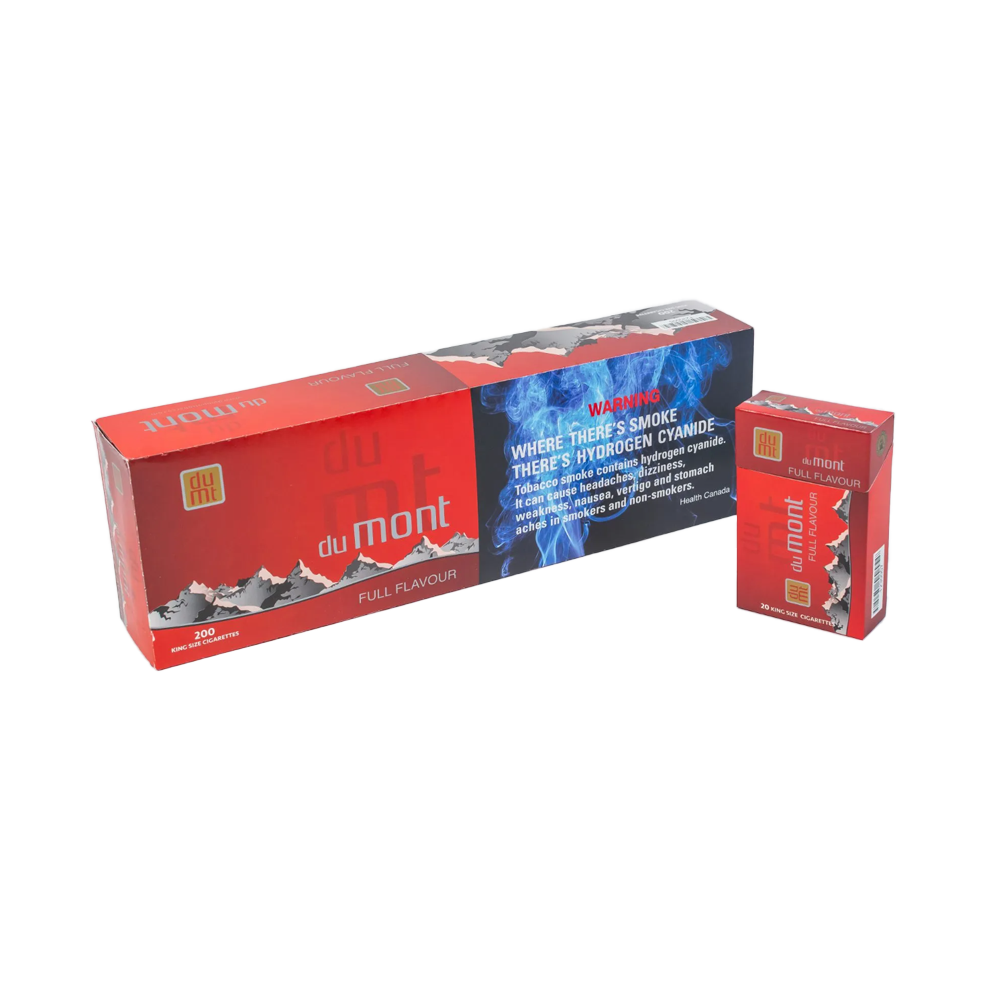

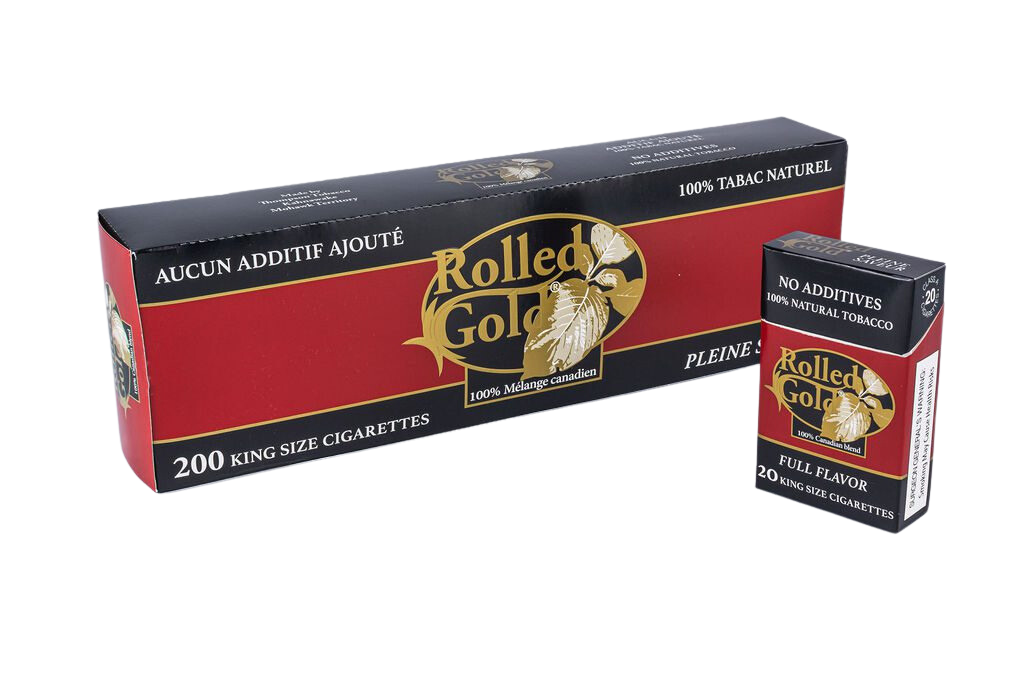
⭐ Excluded: BB light Manitoba, BB full Manitoba, Chanel Blueberry, Chanel ice. See all 29+ native brands at Cigstore.ca.
🚚 Delivery Across Canada – $29 Flat Rate
We ship to every province and territory using Canada Post, Purolator, FedEx, and UPS. Orders over $290 qualify for FREE shipping. Age verification (19+) required upon delivery.
📦 Same-day dispatch for orders before 2 PM EST. Tracking provided within 24 hours.
📚 You Might Also Enjoy These Articles
Smoking and Stress: The Neuroscience
Why nicotine feels calming (and why it’s a trap).
Why Smokers Smoke More in Winter
Seasonal patterns and coping strategies.
How Smoking Affects Your Skin, Hair, and Nails
The visible effects of tobacco on your body.
How Smoking Affects Lonely Seniors
Social isolation and tobacco.
Why People with Bipolar Disorder Smoke More Often
The science of mental health and tobacco.