
The Psychology of the Smoker
Why We Smoke a Cigarette Down to the Filter
🧠🚬 Ask any smoker: the last few puffs of a cigarette are often the least satisfying. The smoke is hotter, the taste is harsher, and the nicotine delivery has diminished. Yet most smokers consistently smoke their cigarettes down to the filter — or very close to it. Why? The answer lies at the intersection of addiction psychology, behavioral economics, and the neuroscience of reward. This article explores the psychological mechanisms that drive smokers to finish every cigarette, from the 1980 “One More Puff” study to the modern understanding of the Zeigarnik Effect and nicotine’s dual action.
📖 The 1980 Breakthrough: “A Little Puff Is Better Than Nothing”
Smokers who were allowed to take even 2 puffs from a cigarette waited significantly longer to light their next cigarette than smokers who took no puffs at all.
In one of the most revealing studies on smoking behavior, researchers gave smokers access to cigarettes but limited the number of puffs they could take:
- 🔬 The experiment: One group of smokers was allowed to take 2 puffs from a cigarette. Another group was allowed to take 6 puffs. A control group took no puffs.
- ⏰ The result: Smokers who took 2 puffs waited significantly longer to light their next cigarette than smokers who took none. The group that took 6 puffs waited even longer.
- 📈 The explanation: Even a minimal amount of smoke exposure produced physiological effects that temporarily satisfied the nicotine craving. “A little puff is better than nothing” became a key insight into smoking compulsion.
- 🔄 The implication: Smokers finish their cigarettes because each additional puff provides incremental — albeit diminishing — relief from withdrawal symptoms.
📖 The incremental reward model: The 1980 study demonstrated that smoking is not an “all-or-nothing” behavior. Each puff delivers measurable nicotine, and each puff extends the time before the next cigarette is needed.
🧩 The Zeigarnik Effect: Why Unfinished Tasks Haunt Us
People remember unfinished tasks better than completed ones, and feel psychological tension until the task is complete.
Soviet psychologist Bluma Zeigarnik (1901-1988) discovered that waiters could remember complex orders as long as they were still in progress — but forgot them immediately after serving. This phenomenon, now called the Zeigarnik Effect, explains why unfinished tasks create cognitive tension .
- 🧠 How it applies to smoking: A partially smoked cigarette is an “unfinished task.” The smoker experiences psychological tension — a mild but persistent discomfort — until the cigarette is finished.
- 🔥 The “almost done” trap: As the cigarette burns down, the smoker feels an increasing urge to finish it, even if the subjective satisfaction has diminished.
- 💡 Cessation relevance: This same cognitive tension explains why quitting “cold turkey” is so difficult — the brain registers smoking cessation as a permanent unfinished task.
- 📖 Connection to memory: The Zeigarnik Effect also explains why the first cigarette of the day feels so different from the last — novelty engages memory differently than routine .
📖 As applied to cigarettes: “A partially smoked cigarette might create the same kind of cognitive tension — driving the smoker to finish it.”
🔄 The “One More Loop”: Why It’s So Hard to Stop After the First Cigarette
Smokers learn that each cigarette temporarily alleviates withdrawal symptoms — reinforcing the behavior cycle.
The compulsion to finish a cigarette is part of a larger cycle: the “one more loop.” Research shows that once a smoker lights a cigarette, the probability of lighting another increases dramatically.
- 📊 The withdrawal-avoidance cycle: Smokers smoke to avoid the discomfort of withdrawal, not (primarily) to achieve pleasure. Each cigarette resets the withdrawal clock.
- ⏰ The 45-minute rule: For most smokers, withdrawal symptoms begin to re-emerge approximately 45 minutes after the last cigarette. Finishing a cigarette to the filter maximizes the time before the next craving.
- 📉 Diminishing returns: Despite finishing every cigarette, smokers report that the “first cigarette in the morning” is the most satisfying, with subsequent cigarettes delivering less and less pleasure — yet they continue to finish each one.
🚬 The Psychology of the Last Puff
Why do smokers not put out a cigarette when satisfaction declines? The answer involves sunk cost, optimism bias, and the search for relief.
- 💰 The sunk cost fallacy: “I’ve already paid for this cigarette — I might as well get my money’s worth.”
- 🔮 Optimism bias: “The next puff might be better than the last one.” (It rarely is.)
- 🩺 The “just enough” myth: Smokers may believe that finishing the cigarette delivers the “full dose” of relief — an illusion, since nicotine absorption is largely complete within the first two-thirds of the cigarette.
- 🧪 The filter effect: As the cigarette burns down, the temperature of the smoke increases, and the filter becomes less effective — yet smokers continue.
⚡ Nicotine’s Dual Action: Stimulant and Anxiolytic
Nicotine is unique among psychoactive substances because it has both stimulant and anxiolytic (anxiety-reducing) effects, depending on dose and context. This dual action contributes to the compulsion to finish the cigarette.
- ⚡ Low-dose stimulation: At low doses (early in the cigarette), nicotine enhances alertness and concentration.
- 😔 High-dose sedation: At higher cumulative doses (later in the cigarette), nicotine can produce mild sedative effects.
- 🔄 The inverted-U curve: The subjective “sweet spot” for satisfaction lies in the middle of the cigarette — but smokers cannot accurately perceive where that point is.
- 📊 By the time satisfaction declines, the cigarette is nearly finished anyway.
💸 The Hidden Cost: Why Smoking to the Filter Is Harmful
⚠️ Health note: The final puffs of a cigarette contain higher concentrations of tar, carbon monoxide, and carcinogens. The filter becomes less effective as it fills with tar, and the increased temperature releases more toxins.
- 🔥 Higher temperature: As the cigarette shortens, the distance between the burning tip and the smoker’s mouth decreases, resulting in hotter smoke.
- 🧪 Concentrated toxins: Tar and nicotine accumulate in the filter, reducing its efficiency. The last few puffs deliver higher concentrations of harmful chemicals.
- 📉 The irony: The least satisfying puffs are often the most dangerous.
✅ Breaking the Cycle: Strategies to Smoke Less
- 🚭 Put it out earlier: Consciously extinguish cigarettes after 5-6 puffs rather than smoking to the filter.
- 📏 Shorter cigarettes: Switching to shorter cigarettes (e.g., “slims” or “shorts”) naturally limits consumption.
- 💊 Nicotine replacement therapy (NRT): Patches, gum, or lozenges provide steady nicotine without the “cigarette completion” compulsion.
- 🧠 Awareness training: Pay attention to when satisfaction peaks — then put the cigarette out immediately.
- 🔄 Delay techniques: Before lighting a cigarette, wait 5 minutes. Often the craving will pass.
- 📦 Switch to native cigarettes: Native cigarettes (Playfare, Canadian, DuMont, Nexus, Rolled Gold) are more affordable, but smoking to the filter carries the same health risks.
📦 Native Cigarettes: The Same Psychology, Better Value
The psychological compulsion to finish a cigarette applies to all cigarettes, regardless of brand. Native cigarettes (Playfare, Canadian, DuMont, Nexus, Rolled Gold) produce the same nicotine delivery, the same withdrawal relief, and the same “finish the cigarette” compulsion as commercial brands .
- 💰 Cost savings: Native cigarettes cost $29-50 per carton — compared to $140-180 for commercial brands — a savings of 70-80%.
- 🚫 Not “healthier”: Native cigarettes contain the same nicotine, tar, and carcinogens. Smoking to the filter is equally harmful.
- 📦 Online delivery: Cigstore.ca ships to every province and territory with $29 flat shipping (free over $290).
- 🧠 Same psychology: The Zeigarnik Effect and the “one more loop” apply regardless of price.
🔥 Top 5 Native Cigarettes for Canadian Smokers
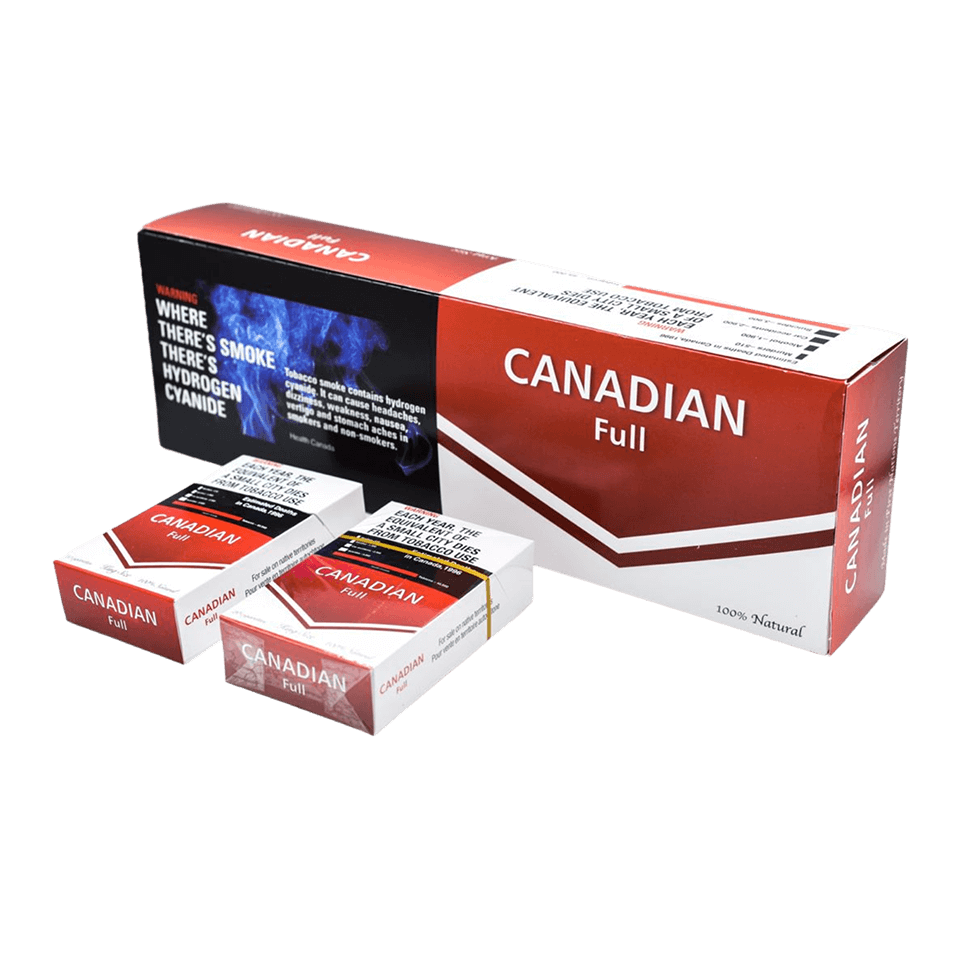
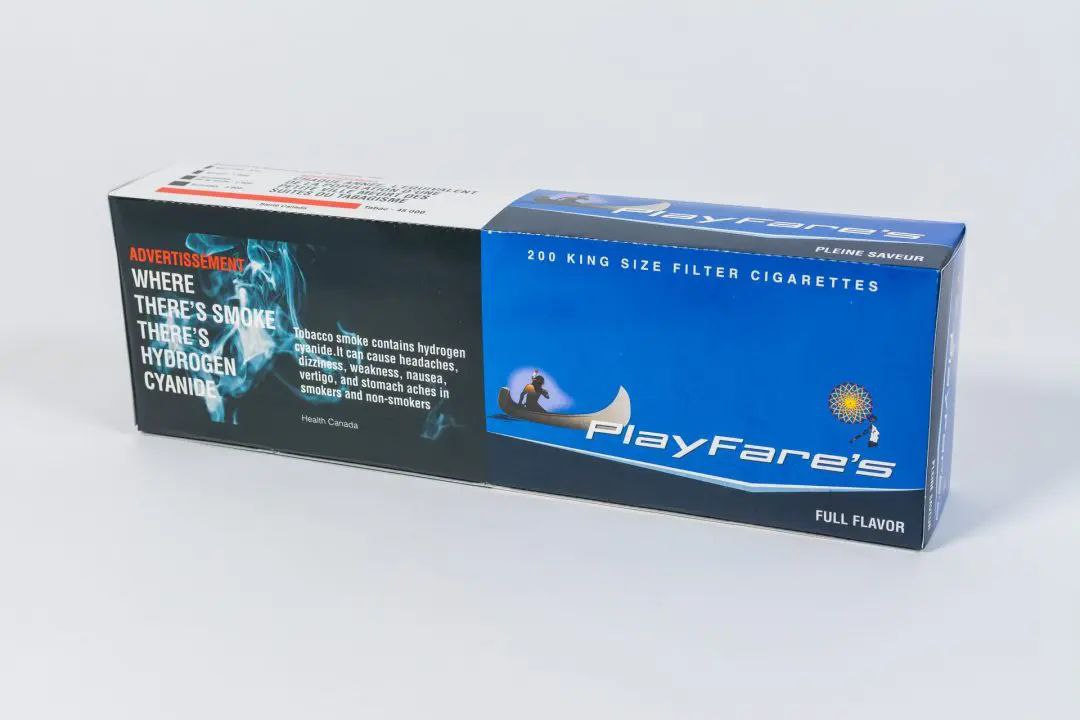


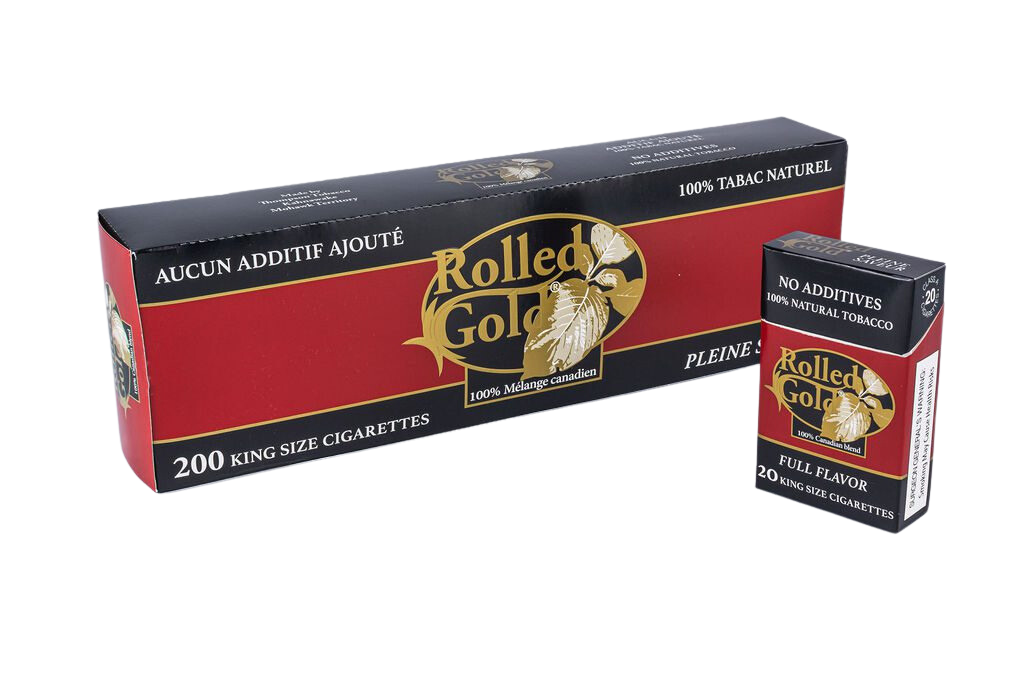
⭐ Excluded: BB light Manitoba, BB full Manitoba, Chanel Blueberry, Chanel ice. See all 29+ native brands at Cigstore.ca.
🚚 Delivery Across Canada – $29 Flat Rate
We ship to every province and territory using Canada Post, Purolator, FedEx, and UPS. Orders over $290 qualify for FREE shipping. Age verification (19+) required upon delivery.
📦 Same-day dispatch for orders before 2 PM EST. Tracking provided within 24 hours.
📚 You Might Also Enjoy These Articles
The “One More Loop”: Why It’s So Hard to Stop After the First Cigarette
The neuroscience of the first cigarette.
The Psychology of the Last Cigarette in the Pack: Why It Tastes Different
Scarcity, value, and the final smoke.
Smoking and Stress: The Neuroscience
Why nicotine feels calming (and why it’s a trap).
How the Discovery of Nicotine Addiction Changed Science in the 1980s
The paradigm shift that changed everything.
The “Illusion of Control” in Smokers
Why we think we can quit anytime (but can’t).