
How Brand Loyalty to Cigarettes Forms
The Psychology of Habit: Why Smokers Stick to Their Brand
🚬💼 Most smokers can tell you their brand instantly. Marlboro. Camel. Du Maurier. Export ‘A’. When asked why, they often say something vague: “I like the taste,” “It’s what I’ve always smoked,” or “It’s just… mine.” This is not a coincidence. Cigarette brand loyalty is one of the strongest and most enduring in consumer psychology — stronger than loyalty to coffee, cars, or even banks. This article explores the neuroscience, social psychology, and marketing science behind why smokers remain fiercely loyal to their chosen brand, even when cheaper alternatives (like native cigarettes) are available.
🧠 The Neuroscience: Dopamine and the Brand Association
Nicotine’s dopamine release creates a powerful reinforcement loop. Any stimulus consistently paired with that dopamine release — including a brand logo — becomes a conditioned cue for craving.
The primary driver of brand loyalty is not the cigarette itself but the brain’s reward system. Nicotine triggers dopamine release in the nucleus accumbens — the same region activated by food, sex, and other addictive drugs.
- ⚡ The Pavlovian link: When a smoker repeatedly sees a brand logo or pack design just before receiving nicotine, the brand becomes a conditioned stimulus.
- 📈 Cue-induced craving: The sight of the brand alone can trigger dopamine release and craving, even without nicotine.
- 🔄 The withdrawal-avoidance cycle: Smokers smoke to relieve withdrawal. The brand associated with that relief becomes “preferred” — even if a different brand delivers identical nicotine.
- 🧪 The Marlboro example: Marlboro’s red roof and cowboy imagery became so deeply associated with nicotine delivery that smokers reported feeling “different” when smoking a Marlboro versus another brand — despite blind tests showing no difference.
📖 The neuroscience of branding: “When you crave a cigarette, you’re not just craving nicotine — you’re craving the entire sensory experience: the pack, the smell, the feel of the cigarette, the first inhale. The brand becomes part of the addiction.”
👃 Sensory-Specific Satiety: Why Switching Brands Feels “Wrong”
Humans experience sensory-specific satiety — the phenomenon where satisfaction from a food or drink decreases as we consume it, but novelty increases consumption. This applies to cigarettes as well.
- 🔥 The “Marlboro taste”: Long-term smokers become habituated to the specific sensory profile of their chosen brand — the blend, the filter, the draw resistance, the smoke temperature.
- ⚠️ A different brand feels “wrong”: When a loyal Marlboro smoker tries a Camel, the different sensory profile is perceived as unpleasant — not because it’s objectively worse, but because it’s unfamiliar.
- 📊 The blind test paradox: Studies have shown that in blind taste tests, smokers cannot reliably distinguish their preferred brand from others. Yet when the brand is visible, they express strong preferences.
- 📉 The implication: Brand loyalty is largely about perception, not objective product differences — a finding that tobacco companies exploited for decades.
🧩 Cognitive Dissonance: “If I Smoke It, It Must Be Good”
When people hold conflicting beliefs, they experience psychological discomfort and adjust their beliefs to resolve the conflict.
Every smoker knows cigarettes are unhealthy. To resolve the conflict between knowing smoking is harmful and choosing to smoke, smokers engage in rationalization.
- 📈 Brand as justification: “I only smoke Marlboro — it’s higher quality than other brands.” This belief reduces the discomfort of smoking.
- 💰 The sunk cost fallacy: Having spent years buying a particular brand, smokers are reluctant to switch because it would imply that past choices were suboptimal.
- 🔄 The smoking identity: “I’m a Marlboro smoker” becomes part of the smoker’s self-concept. Changing brands would threaten that identity.
🎯 Brand Image: Marlboro Country vs. Virginia Slims
Tobacco companies did not sell cigarettes — they sold identities. The brand’s image became the smoker’s imagined self.
- 🐴 Marlboro: Masculinity and independence. The Marlboro Man was not selling filters — he was selling the idea of the rugged, self-reliant cowboy. Men who identified with that image chose Marlboro.
- 💄 Virginia Slims: Female liberation. “You’ve come a long way, baby” co-opted the women’s movement. Women who saw themselves as modern and empowered chose Virginia Slims.
- 🎩 Du Maurier: Sophistication and class. Associated with the arts, elegance, and fine living — attractive to professionals.
- 📊 The result: “I don’t smoke Marlboro — I smoke Camel” was never just about the cigarette. It was about the cowboy vs. the exotic traveler vs. the sophisticate.
📖 The marketing insight: “Logic does not play a major role in marketing cigarettes. Image does.” — Industry consultant Martineau, 1957.
👥 Social Identity and Peer Influence
Brand loyalty is often shared within social groups. Smokers tend to adopt the brand of their friends, family, or admired figures.
- 🎸 Celebrities and icons: James Dean (Marlboro), John Wayne (Camel), and other cultural icons reinforced brand associations.
- 🏠 Family transmission: Children often smoke the same brand as their parents — not because of genetic predisposition, but because that’s the brand they were exposed to during their first cigarettes.
- 🤝 In-group signaling: Pulling out a pack of Export ‘A’ in a group of Export ‘A’ smokers signals belonging.
- 📉 The rebel’s brand: In the 1990s, Camel’s Joe Camel campaign specifically targeted youth, creating brand loyalty among teenagers who saw smoking Camel as rebellious.
📦 The Plain Packaging Paradox: Did Loyalty Survive?
Canada required plain packaging (drab brown, no logos, standardized fonts).
Would brand loyalty survive without brand imagery?
When Canada implemented plain packaging in 2019, tobacco companies feared the end of brand loyalty. The results were surprising:
- 📊 Loyalty persisted: Most smokers continued buying the same brand, even without the visual cues.
- 📈 Why? Decades of conditioning had created powerful non-visual associations — the feel of the pack, the draw resistance, the taste of the smoke.
- 🔄 Some switching occurred: Price-sensitive smokers, unable to distinguish brands by appearance, began switching to cheaper native alternatives.
- 📉 The lesson: Brand loyalty to cigarettes is remarkably durable — but price can eventually overcome it.
📖 The native cigarette disruption: Native cigarettes (Playfare, Canadian, DuMont) have captured significant market share from commercial brands by offering the same product at 70-80% less cost. For price-sensitive smokers, value is beginning to override brand loyalty.
💰 Breaking Brand Loyalty: The Role of Price
While brand loyalty is powerful, it has limits. The primary factor that breaks brand loyalty is price.
- 📊 The 1994 Canadian tax cut: When Canada slashed cigarette taxes in 1994, many smokers switched from premium to discount brands — proving that price can overcome loyalty.
- 📈 The native cigarette boom: With a commercial carton costing $140-180 and a native carton costing $29-50, many smokers have switched to native brands despite years of loyalty to Du Maurier, Export ‘A’, or Player’s.
- 📉 The loyalty threshold: Research suggests there is a price differential threshold (approximately 30-40%) above which smokers will switch brands regardless of loyalty.
- 🔄 The Marlboro smoker who switched to Playfare: “I smoked Marlboro for 20 years. But at $35 per carton vs. $160, I couldn’t justify it anymore. The taste is different, but my wallet is happier.”
📦 Native Cigarettes: Building New Loyalty Through Value
Native cigarettes (Playfare, Canadian, DuMont, Nexus, Rolled Gold) are building their own brand loyalty — not through advertising (which is banned), but through price and word-of-mouth.
- 💰 Cost savings: Native cigarettes cost $29-50 per carton — compared to $140-180 for commercial brands — a savings of 70-80%.
- 📦 The value proposition: “Why pay $16 for a pack of Du Maurier when Playfare tastes the same and costs $3.50?”
- 👥 Word-of-mouth loyalty: With no advertising allowed, native brands rely on satisfied customers telling their friends — a slow but durable form of loyalty.
- 🔄 Switching inertia: The biggest barrier to switching to native cigarettes is habit — but once smokers try them, many never go back.
- 📦 Online delivery: Cigstore.ca ships to every province and territory with $29 flat shipping (free over $290).
🔥 Top 5 Native Cigarettes (Building New Loyalty)
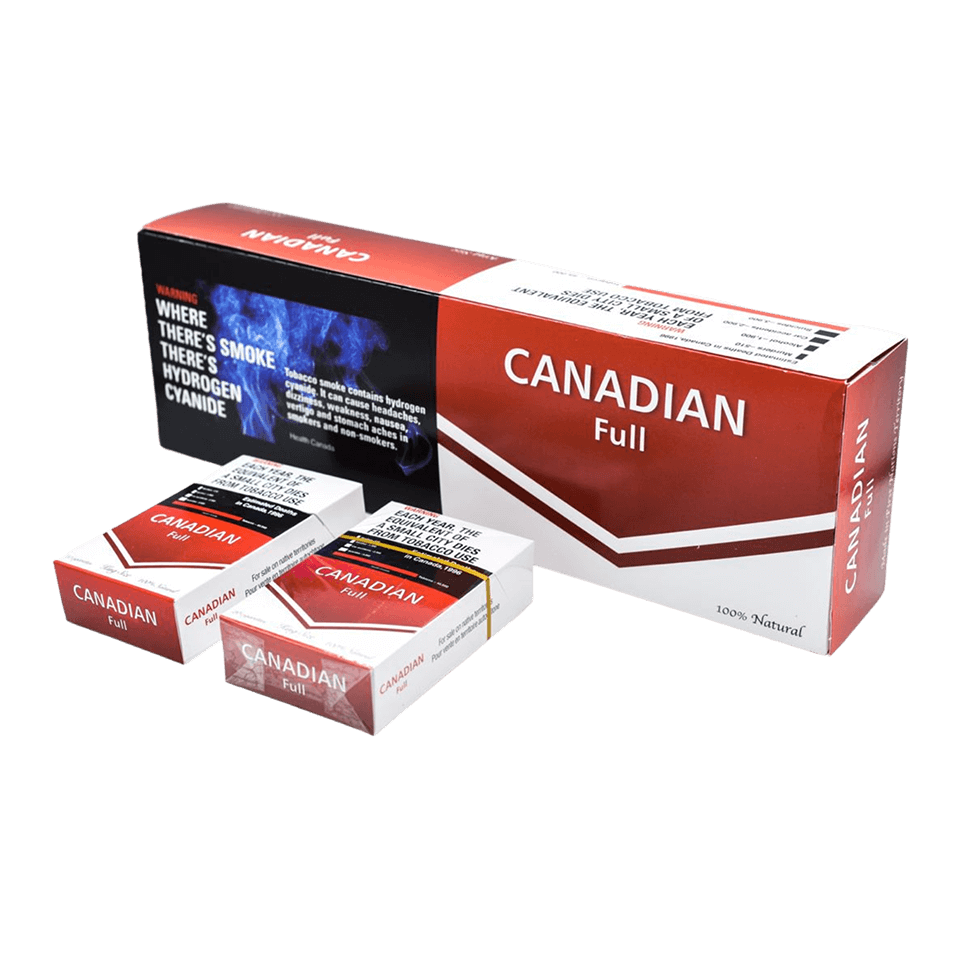
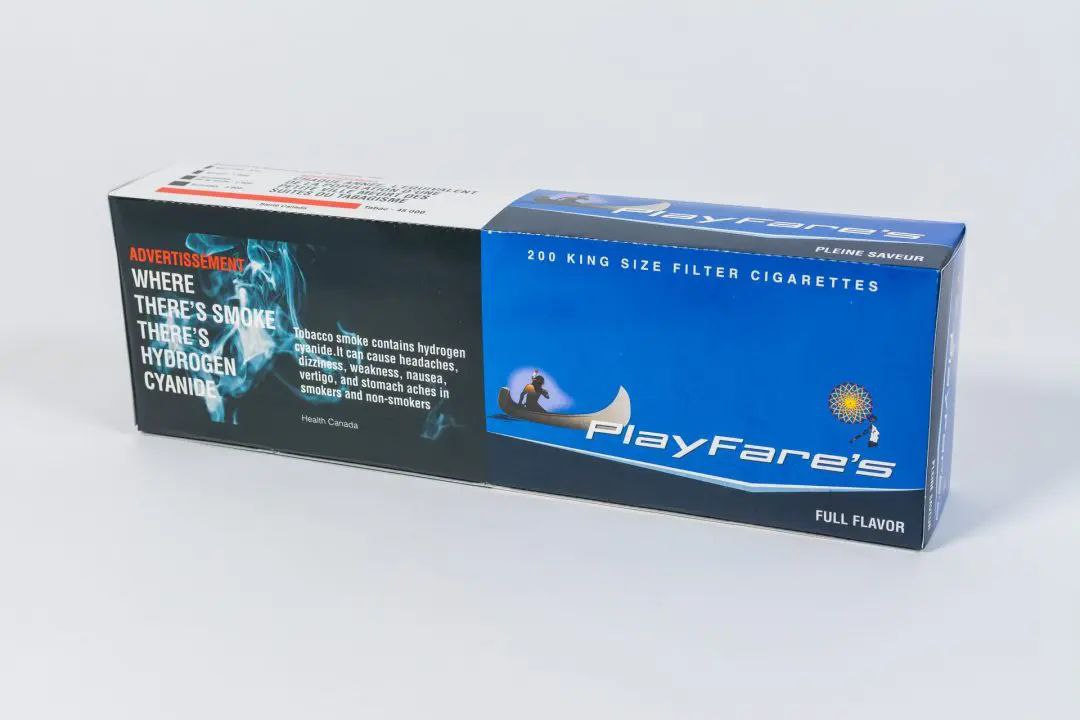
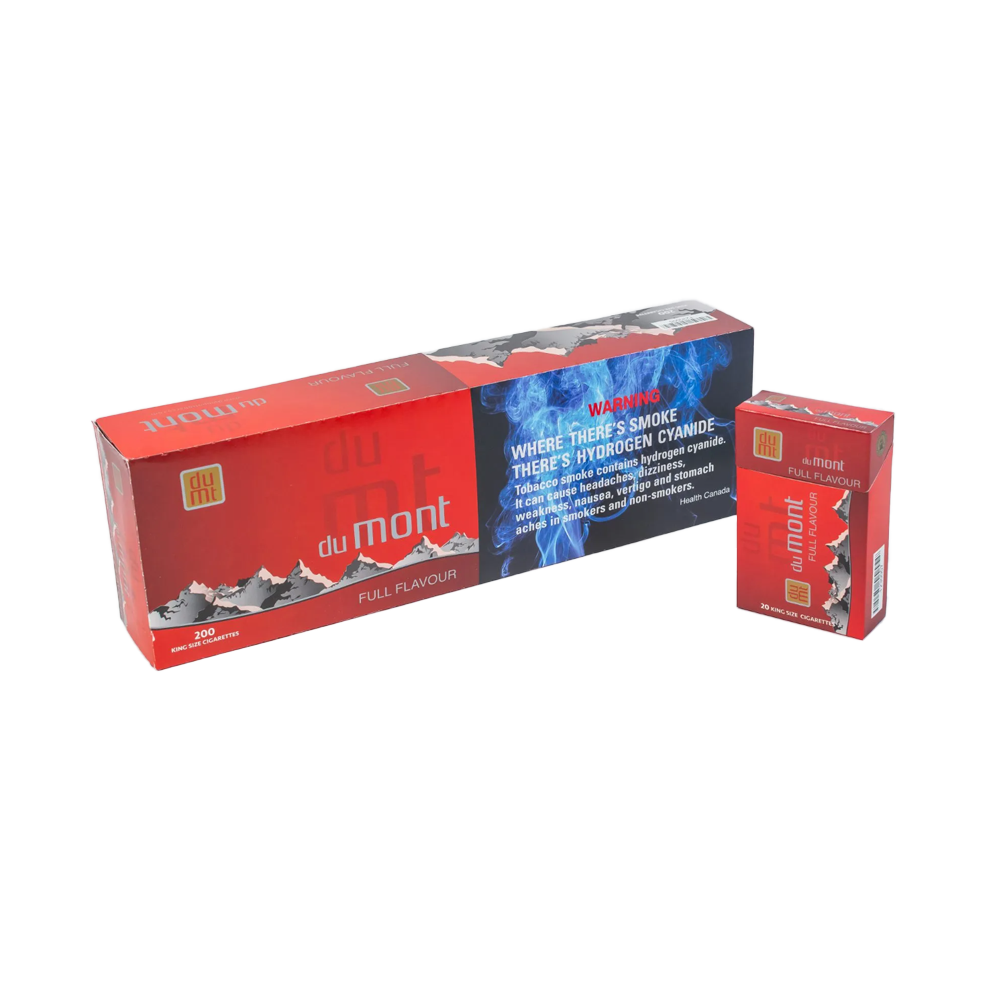
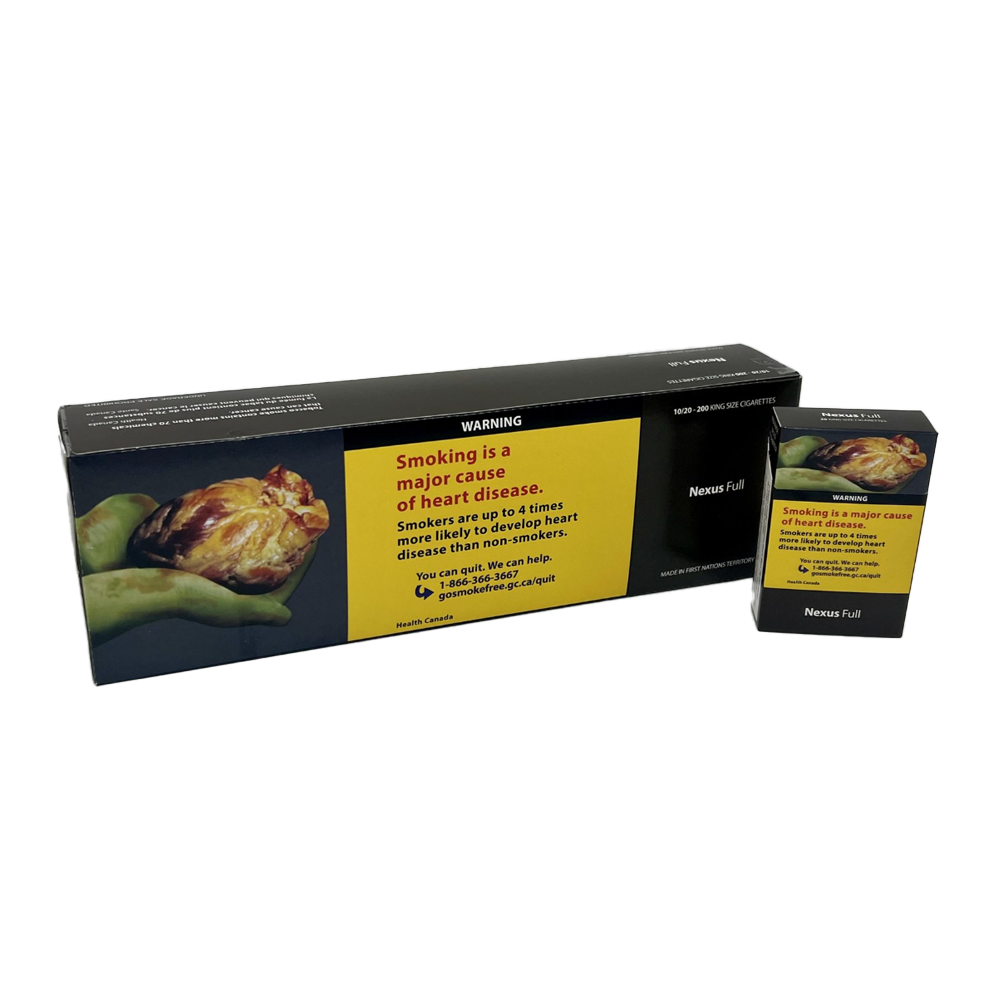
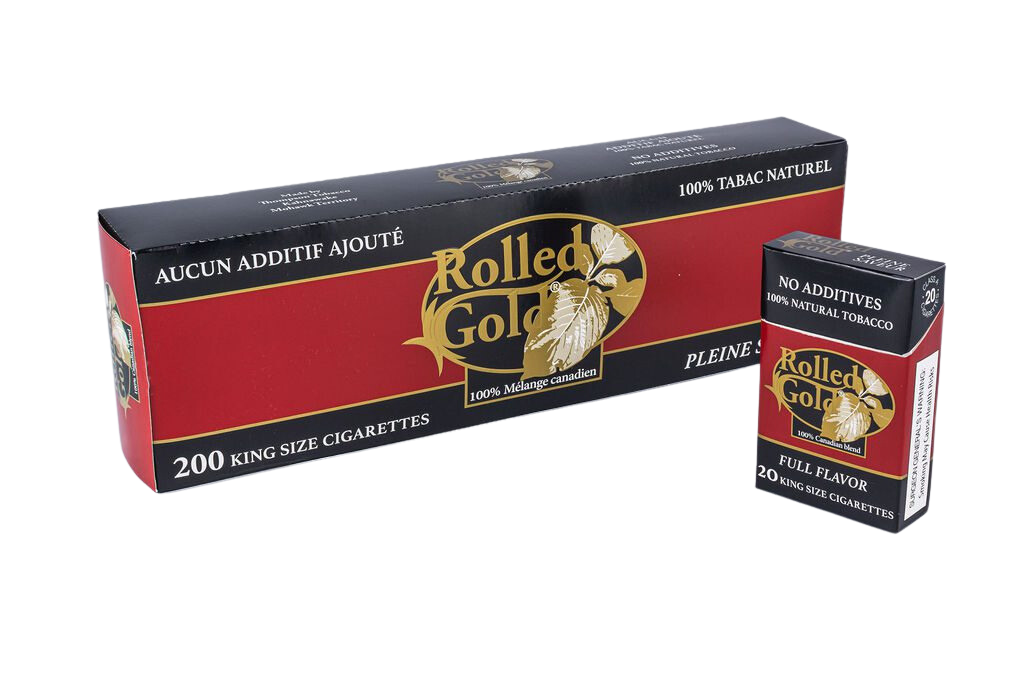
⭐ Excluded: BB light Manitoba, BB full Manitoba, Chanel Blueberry, Chanel ice. See all 29+ native brands at Cigstore.ca.
🚚 Delivery Across Canada – $29 Flat Rate
We ship to every province and territory using Canada Post, Purolator, FedEx, and UPS. Orders over $290 qualify for FREE shipping. Age verification (19+) required upon delivery.
📦 Same-day dispatch for orders before 2 PM EST. Tracking provided within 24 hours.
📚 You Might Also Enjoy These Articles
The Psychology of the Last Cigarette in the Pack
Scarcity, value, and the final smoke.
The “One More Loop”
Why it’s so hard to stop after the first cigarette.
Smoking and Stress: The Neuroscience
Why nicotine feels calming (and why it’s a trap).
How the Discovery of Nicotine Addiction Changed Science in the 1980s
The paradigm shift that changed everything.
The Mandela Effect: Cigarette Brands That Everyone Remembers Wrong
From Nelson Mandela cigarettes to the Marlboro baby.