
How to Remove Smoke Smell from Books, Documents & Paper Collections
A Preservation Guide for Smokers and Collectors
📚🚬 Cigarette smoke is one of the most damaging and persistent pollutants for paper-based collections. The yellow-brown stains, the acrid odor, and the chemical degradation caused by thirdhand smoke can permanently ruin books, documents, photographs, and family heirlooms. Unlike hard surfaces, paper absorbs smoke particles deep into its fibers. This article provides archival-safe methods for removing smoke odor from books and paper, explains what NOT to do (which can cause permanent damage), and offers practical steps for both collectors and smokers who want to preserve their libraries.
⚠️ The Threat: How Smoke Damages Paper
Cigarette smoke contains over 4,000 chemicals, including nitric acid, formaldehyde, and hydrogen cyanide.
These chemicals accelerate paper degradation, causing yellowing, embrittlement, and acid migration.
Unlike other pollutants, cigarette smoke is both a surface contaminant and a chemical reactant. When smoke particles settle on paper, they don’t just sit on the surface — they penetrate the fibers and initiate chemical reactions.
- 🟤 Yellow-brown discoloration: The same tar that stains fingers and walls settles permanently into paper fibers.
- 📉 Acidification: Nitric acid and other acidic compounds in smoke lower the pH of paper, accelerating its natural breakdown.
- 🧬 Embrittlement: Over time, smoke-exposed paper becomes brittle and cracks — a process irreversible even after odor removal.
- 📸 Damage to photographs: Smoke reacts with photographic emulsions, causing fading, silver mirroring, and surface crazing.
📖 The library perspective: According to preservation experts, “Smoking causes yellow-brown stains and a persistent, unpleasant odor that is damaging and difficult to remove.”
❌ What NOT to Do: Common Mistakes That Ruin Books
⚠️ WARNING: Many common “home remedies” cause permanent damage to paper and bindings. Do NOT use the following methods:
- 🧴 Do NOT use scented sprays, Febreze, or air fresheners. These mask odors with chemicals that can stain paper and cause further degradation.
- 💧 Do NOT use liquid cleaners, alcohol, or water on paper. Wet cleaning paper can cause ink bleeding, page warping, mold growth, and binding damage.
- ☀️ Do NOT put books in direct sunlight. UV radiation accelerates yellowing and embrittlement.
- 💨 Do NOT use ozone generators on valuable books. Ozone is highly reactive and degrades paper fibers, causing embrittlement.
- ❄️ Do NOT freeze books to “kill the smell.” Freezing can cause condensation damage and does not remove odor.
- 🧹 Do NOT scrub or rub pages. Abrasive cleaning damages paper surfaces and can remove ink.
✅ Archival-Safe Methods for Smoke Odor Removal
📦 Zeolite (Molecular Sieve)
The gold standard for odor removal in archival settings. Zeolite is a microporous mineral that traps odor molecules at the molecular level without chemicals.
How to use: Place books and zeolite in an airtight container for 2-4 weeks. Zeolite can be reactivated by baking at 300°F (150°C) for 1 hour.
🧂 Baking Soda (Sodium Bicarbonate)
Safe for paper when used in a closed container — not directly on books. Baking soda absorbs acidic odor molecules.
How to use: Place an open box of baking soda in a sealed container with books. Change weekly. Do not sprinkle on pages.
🪵 Activated Charcoal
Highly porous carbon that adsorbs volatile organic compounds (VOCs), including those in cigarette smoke.
How to use: Place activated charcoal in mesh bags inside a sealed container with books. Replace charcoal monthly.
📦 Zeolite: The Archival Gold Standard
Zeolite (clinoptilolite) is the preferred material for museum and library smoke odor removal. Unlike baking soda or charcoal (which only adsorb larger molecules), zeolite traps ammonia, amines, and other volatile compounds found in cigarette smoke at the molecular level.
- 🔬 How it works: Zeolite’s crystalline structure creates molecular-sized “cages” that trap odor molecules without chemical reaction.
- 🔄 Reusable: Zeolite can be reactivated indefinitely by heating at 300°F (150°C) for 1 hour.
- 📦 Where to buy: Available from archival supply companies, aquarium supply stores (as ammonia remover), or online.
- ⏰ Time frame: Books require 2-6 weeks in a sealed container with zeolite, depending on smoke exposure severity.
📖 Professional practice: “Zeolite is used in museum conservation for the removal of volatile organic compounds (VOCs) from smoke-damaged artifacts.”
📋 Step-by-Step Guide: Smoke Odor Removal for Books
- 🕯️ First, eliminate the source. Stop smoking in the room where books are stored. Smoke odor will continue to accumulate if the source isn’t removed.
- 📦 Purchase supplies: Zeolite (or baking soda/activated charcoal), airtight plastic bins with gasketed lids, microfiber cloths.
- 🧹 Gentle dry cleaning: Use a soft brush or microfiber cloth to gently remove surface soot from book covers and page edges. Do not brush interior pages.
- 📖 Stand books upright (not stacked) in the container so air can circulate between pages.
- 🌬️ Place zeolite in open containers or mesh bags around the books. Do not let zeolite touch the books directly.
- 🔒 Seal the container and wait. For mild odor: 2 weeks. For moderate odor: 4 weeks. For heavy smoke damage: 6-8 weeks.
- 🔄 Rotate books weekly — move books from the bottom to the top for even exposure.
- 📖 After treatment: Let books air out for 24-48 hours before returning to shelves.
📄 Special Considerations for Loose Documents and Photographs
Loose papers, photographs, and documents require even more careful handling than bound books.
- 📸 Photographs: Smoke reacts with photographic emulsions. Place photos individually in polyester sleeves before placing in zeolite containers.
- 📃 Newspaper clippings: Newsprint is highly acidic. Smoke accelerates its deterioration. Treat quickly.
- 🖋️ Ink stability: Some historic inks (iron gall, certain fountain pen inks) may bleed or fade. Test on a low-value document first.
- 📁 Store documents flat, not folded, during treatment.
- 📦 Use interleaving paper (acid-free) between documents to allow air circulation.
🏛️ When to Call a Professional Conservator
Some smoke-damaged materials require professional intervention. Consider a conservator if:
- The book is rare, antique, or of significant monetary or sentimental value.
- The paper is already brittle, flaking, or shows signs of acid degradation.
- The item has been water-damaged in addition to smoke damage.
- The book has leather bindings (which react differently to smoke than cloth or paper).
- You need written documentation of treatment for insurance purposes.
In Canada, the Canadian Association for Conservation (CAC) and the Canadian Conservation Institute (CCI) maintain directories of professional conservators.
🛡️ Prevention: How to Protect Books from Smoke Damage
- 🚭 Create a smoke-free library. Designate at least one room in your home where smoking is prohibited — and keep that room’s door closed.
- 📚 Use closed bookcases with glass doors. Glass doors reduce smoke infiltration by 70-80% compared to open shelves.
- 💨 Use HEPA air purifiers in rooms with books. High-efficiency particulate air (HEPA) filters capture smoke particles before they settle on paper.
- 📦 Store valuable books in archival boxes. Clamshell boxes and slipcases provide physical barriers against smoke.
- 🚬 If you must smoke, smoke outside. The only way to prevent smoke damage entirely is to keep smoke away from paper.
📦 Native Cigarettes: The Same Smoke Damage
All cigarette smoke damages paper — regardless of brand or source. Native cigarettes (Playfare, Canadian, DuMont, Nexus, Rolled Gold) produce the same acidic, staining, and odor-causing chemicals as commercial brands .
- 💰 Cost savings: Native cigarettes cost $29-50 per carton — compared to $140-180 for commercial brands — a savings of 70-80%.
- 🚫 Not “paper-safe”: Native cigarettes cause the same yellow-brown staining, acidification, and embrittlement as any other cigarette.
- 📦 Online delivery: Cigstore.ca ships to every province and territory with $29 flat shipping (free over $290).
- 📚 Preservation note: If you smoke native cigarettes and collect books, follow the same prevention protocols — smoke outside, use air purifiers, and keep books in closed cases.
🔥 Top 5 Native Cigarettes for Canadian Smokers
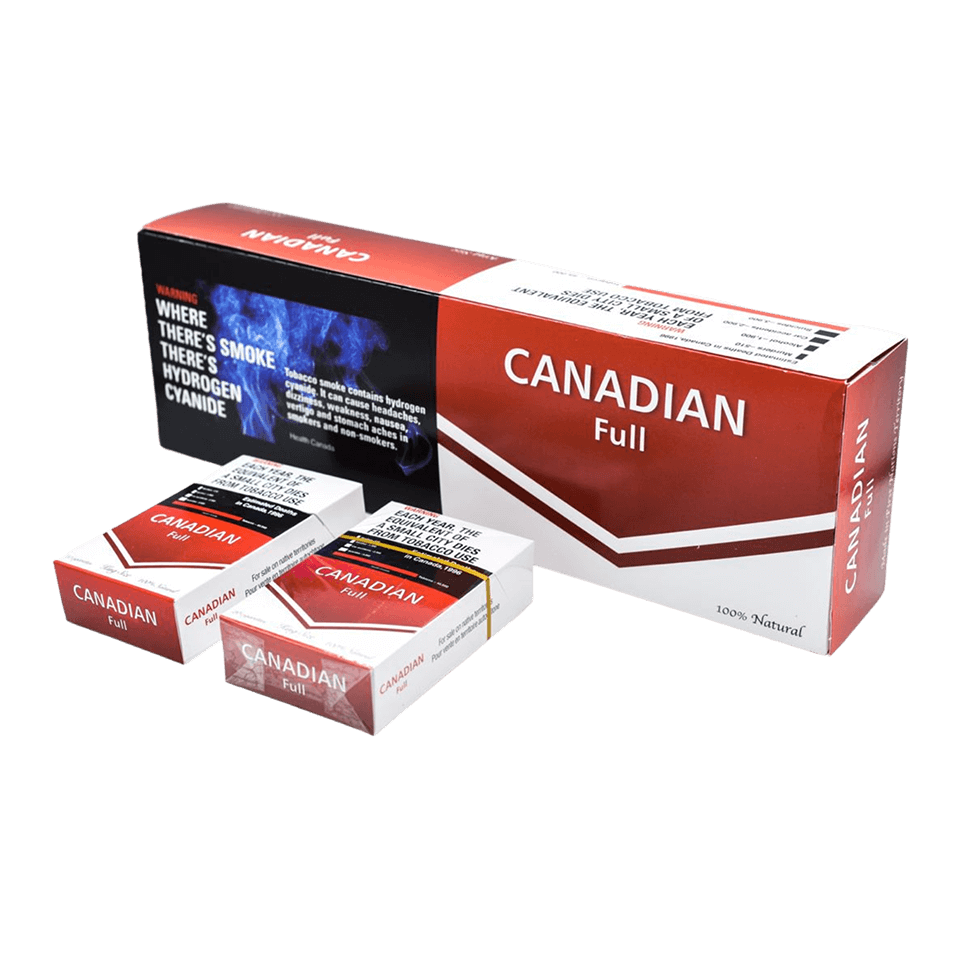
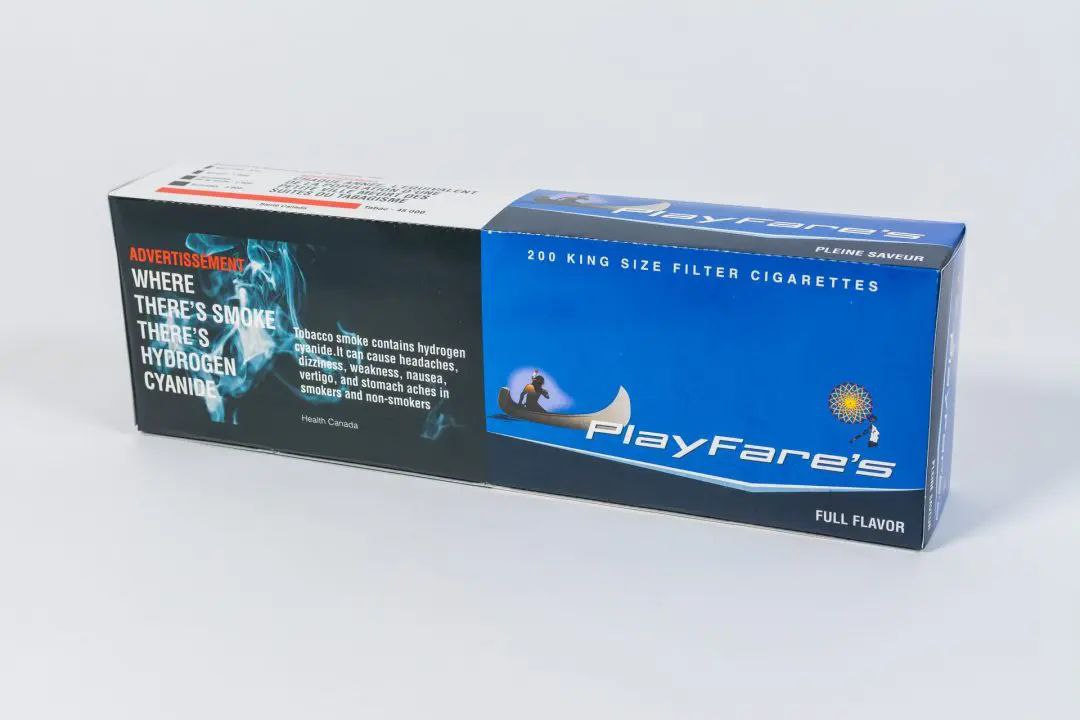
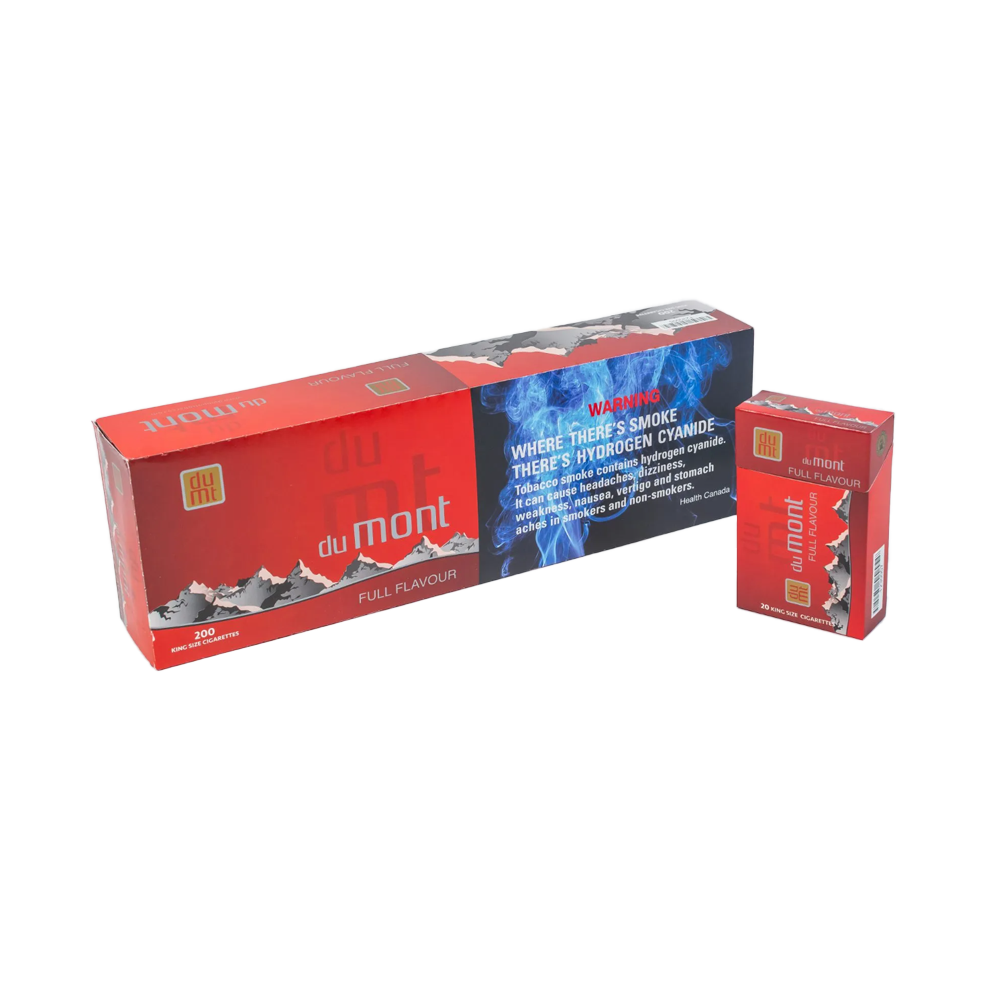
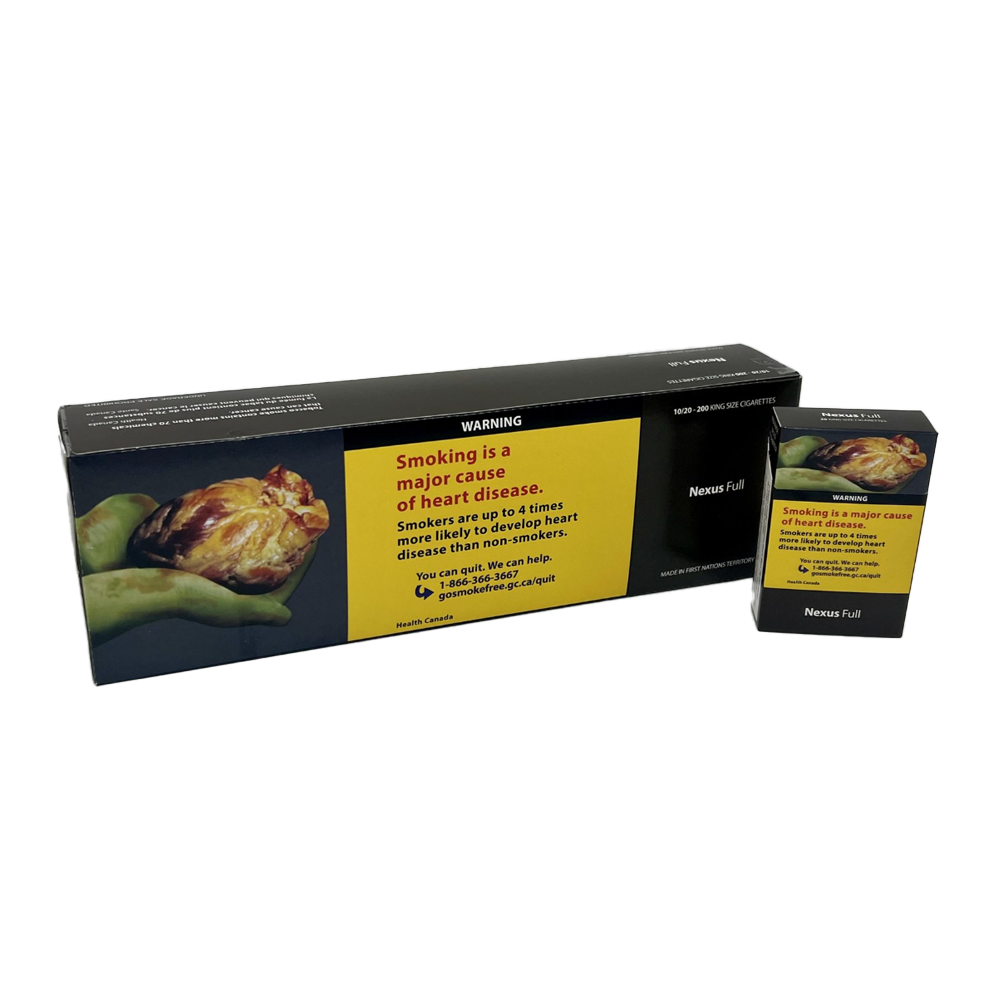
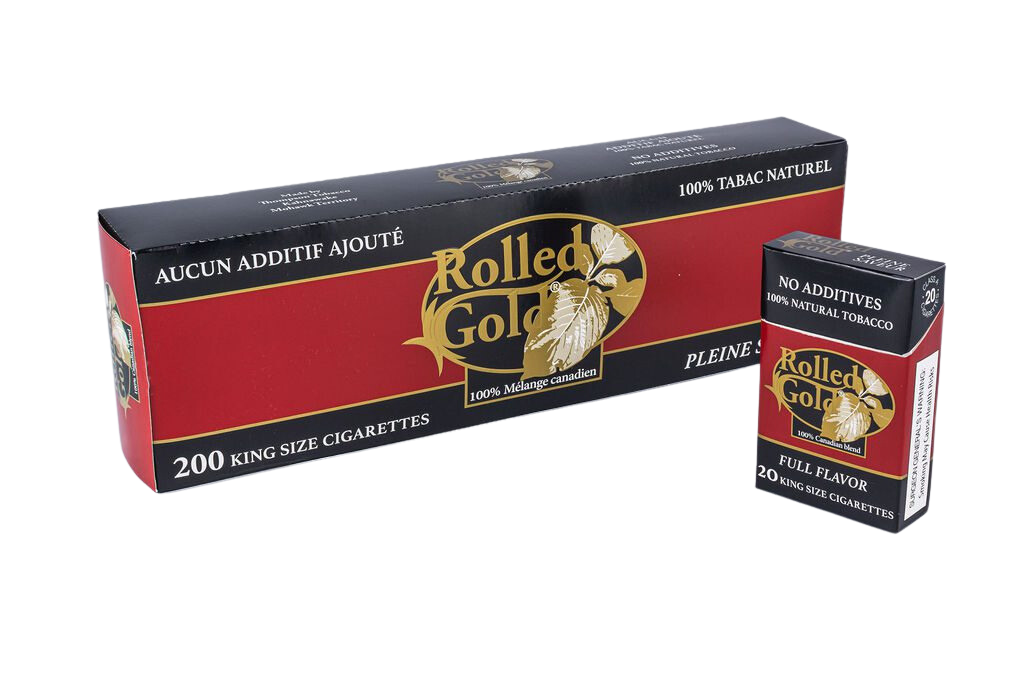
⭐ Excluded: BB light Manitoba, BB full Manitoba, Chanel Blueberry, Chanel ice. See all 29+ native brands at Cigstore.ca.
🚚 Delivery Across Canada – $29 Flat Rate
We ship to every province and territory using Canada Post, Purolator, FedEx, and UPS. Orders over $290 qualify for FREE shipping. Age verification (19+) required upon delivery.
📦 Same-day dispatch for orders before 2 PM EST. Tracking provided within 24 hours.
📚 You Might Also Enjoy These Articles
How to Remove Cigarette Smell from Your Car Interior
Fast fixes for a fresher ride.
How to Remove Cigarette Smell from a Room in 5 Minutes
Quick solutions for fresh air.
How to Remove Yellow Nicotine Stains from Fingers
Removal methods that work.
The Thirdhand Smoke Nightmare
How nicotine residue lingers in carpets and curtains.
How Smoking Affects Your Skin, Hair, and Nails
The visible effects of tobacco on your body.