
How Cigarette Smoke Affects Home Electronics
Computers, Air Conditioners, and Your Most Valuable Devices
💻🚬 The yellow-brown residue you wipe off your walls isn’t just unsightly — it’s also destroying your electronics. Cigarette smoke contains over 4,000 chemicals, including tar, nicotine, formaldehyde, and heavy metals. When drawn through computers, gaming consoles, air conditioners, and other devices, this sticky residue accumulates on internal components, causing overheating, fan failure, corrosion, and eventual device death. This article explains the mechanisms of smoke damage to home electronics, the specific risks for each device type, and how to protect your expensive equipment.
⚙️ The Mechanism: How Smoke Damages Electronics
Cigarette tar is sticky, conductive, and corrosive. When drawn into electronics, it coats components, traps heat, and creates electrical bridges that cause short circuits.
As a Reddit user who works in computer repair explained, the damage process has three distinct mechanisms:
- 📦 Physical obstruction (tar buildup): “Cigarette smoke residue is basically nicotine and tar that settles on everything. It forms a sticky film that traps dust. That dust-trapping sticky film creates fuzzy insulators that plug up the air passages inside the computer case, coolers and power supplies” .
- 🔥 Thermal insulation: The tar-dust mixture acts as an insulator, preventing heat from dissipating properly. Components run hotter, fans run faster and longer, and lifespan decreases .
- ⚡ Corrosion and conductivity: The residue is also acidic and corrosive. Over time, it “eats away at the electrical connections”. In severe cases, it can become conductive and create electrical bridges between contacts, causing shorts and catastrophic failure .
📖 One computer repair technician’s observation: “Over years of buildup, it becomes this greasy, stinky film that’s really hard to get off. The fans get seized up easily because the stickiness of the tar combined with dust causes friction and eventual failure” .
💻 Computers and Laptops: The Most Vulnerable
🖥️ Desktop Computers
Damage symptoms: Overheating, loud fans, random shutdowns, component failure.
Desktop computers are typically on the floor where smoke settles. Their fans actively pull smoke-laden air through the case.
💻 Laptops
Damage symptoms: Keyboard keys sticking, trackpad failure, overheating, battery swelling.
Laptops are even more vulnerable because their compact design concentrates heat and they are often used in close proximity to smokers.
🎮 Gaming Consoles
Damage symptoms: Loud fan noise, game crashes, disc read errors, thermal shutdowns.
Consoles have high-performance components and limited airflow, making them especially sensitive to tar buildup.
A computer repair technician who has worked on hundreds of smoke-damaged computers described the severity:
- ⚠️ Fan seizure: “The fans get seized up easily because the stickiness of the tar combined with dust causes friction and eventual failure” .
- 🛑 Hard drive failure: “I’ve had to scrap several hard drives because the sticky dust fouled the actuator or bearings” .
- 💰 The cost of neglect: “Professional cleaning of a smoke-damaged computer typically costs $100-200 CAD, often more than the computer is worth” .
⚠️ The worst offenders: “Computers located in homes where people smoke ‘only in one room’ still suffer damage because HVAC systems distribute smoke throughout the house.”
❄️ Air Conditioners and HVAC Systems
Air conditioners and HVAC systems are both victims and vectors of smoke damage. They pull smoke-laden air through their coils and filters, accumulating residue, and then redistribute that smoke throughout the home.
- 📉 Reduced efficiency: Tar buildup on AC coils acts as an insulator, reducing heat transfer efficiency by 15-30% .
- 🚫 Clogged filters: Standard furnace filters become clogged with tar-laden dust within 1-2 months in smoking households (vs. 6-12 months in non-smoking homes).
- 🦠 Mold growth: The sticky tar film on AC coils traps moisture, creating an ideal environment for mold and bacteria growth .
- 💰 Higher energy bills: Reduced efficiency means higher electricity consumption — often adding $200-500 per year to cooling costs .
- 🔧 Premature failure: Compressor failure due to overheating is common in smoke-exposed AC units.
🔌 Small Appliances and Kitchen Electronics
🍞 Toasters, Microwaves
Tar buildup on heating elements creates burning smells and smoke when appliances are used.
🎮 Televisions
Tar residue on screens reduces picture quality. Internal components (power supplies, capacitors) fail prematurely.
🔊 Speakers/Receivers
Tar buildup on speaker cones stiffens them, reducing audio quality. Potentiometers (volume knobs) become scratchy.
- 🍞 Toasters: “Smoke smell in toaster ovens [is] from the residue on the heating elements. When the toaster oven is preheated, the smell comes back” .
- 🎵 Audio equipment: “Smoke residue settles on speaker cones, affecting their flexibility and responsiveness over time.”
- 📺 Television vents: TVs with ventilation fans (large-screen LED/LCD, plasma) pull smoke through internal components, causing premature capacitor failure .
🏠 The Tenant’s Nightmare: Security Deposits and Smoke Damage
Landlords regularly deduct $1,000-$5,000 from security deposits for smoke damage to electronics, appliances, and HVAC systems.
When tenants smoke inside rental units, the damage goes far beyond paint and carpets. Landlords have successfully claimed damages for:
- 💻 Replacement of smoke-damaged built-in electronics (intercoms, security systems)
- ❄️ Cleaning or replacement of HVAC systems and AC units
- 📺 Damage to appliances (oven, microwave, refrigerator) where tar accumulated on internal components
- 🔌 Stove hood fans clogged with tar residue
📖 Legal note: In a 2019 Ontario Landlord and Tenant Board case, a tenant was ordered to pay $2,800 for smoke damage to appliances and electronics — including replacement of a range hood and cleaning of the furnace and AC system.
🧼 How to Clean Smoke-Damaged Electronics
⚠️ SAFETY WARNING: Opening electronics exposes you to electrical hazards and voids warranties. Capacitors can hold lethal charges even when unplugged. If you are not experienced, hire a professional.
✅ What Works
- 99% isopropyl alcohol: The standard solvent for removing tar residue from circuit boards and components. Evaporates without leaving residue .
- Canned air/compressed air: For loose soot and dust removal before wet cleaning.
- Soft anti-static brushes: For gently loosening tar from surfaces.
- Cotton swabs (Q-tips): For reaching tight spaces around components.
❌ What DOESN’T Work (or Damages)
- ❌ Water or household cleaners: Water causes corrosion. Household cleaners leave conductive residues.
- ❌ WD-40: Leaves oily residue that attracts dust.
- ❌ Bleach or ammonia: Highly corrosive to electronics.
- ❌ Vacuum cleaners: Static electricity from vacuums can destroy sensitive components.
🛡️ Prevention: How to Protect Your Electronics
- 🚭 The only complete solution: Smoke outside. If no smoke enters your home, no residue can accumulate on electronics.
- 💨 Use HEPA air purifiers in rooms with electronics. HEPA filters capture smoke particles before they settle on components.
- 🔧 Improve ventilation. Exhaust fans, open windows, and positive pressure systems reduce indoor smoke concentration.
- 🧹 Clean electronics regularly. Even in smoking households, regular compressed air cleaning can extend device lifespan.
- 💻 Elevate computers off the floor. Smoke settles near the ground. Desktops on the floor are in the highest concentration zone.
- 🎮 Increase fan cleaning frequency. Smoking households should clean computer fans every 3-6 months (vs. annually in non-smoking homes).
- 💡 Native cigarettes cause the same damage: Switching to native brands does not reduce tar residue or protect electronics.
📦 Native Cigarettes: The Same Electronic Damage
All cigarette smoke damages electronics — regardless of brand or source. Native cigarettes (Playfare, Canadian, DuMont, Nexus, Rolled Gold) produce the same tar, nicotine, and corrosive chemicals as commercial brands .
- 💰 Cost savings: Native cigarettes cost $29-50 per carton — compared to $140-180 for commercial brands — a savings of 70-80%.
- 🚫 Not “electronics-safe”: Native cigarettes cause the same tar buildup, fan seizure, and corrosion as any other cigarette.
- 📦 Online delivery: Cigstore.ca ships to every province and territory with $29 flat shipping (free over $290).
- 💻 Tech note: If you smoke native cigarettes and value your electronics, follow the same prevention protocols — smoke outside, use air purifiers, and clean devices regularly.
🔥 Top 5 Native Cigarettes for Canadian Smokers
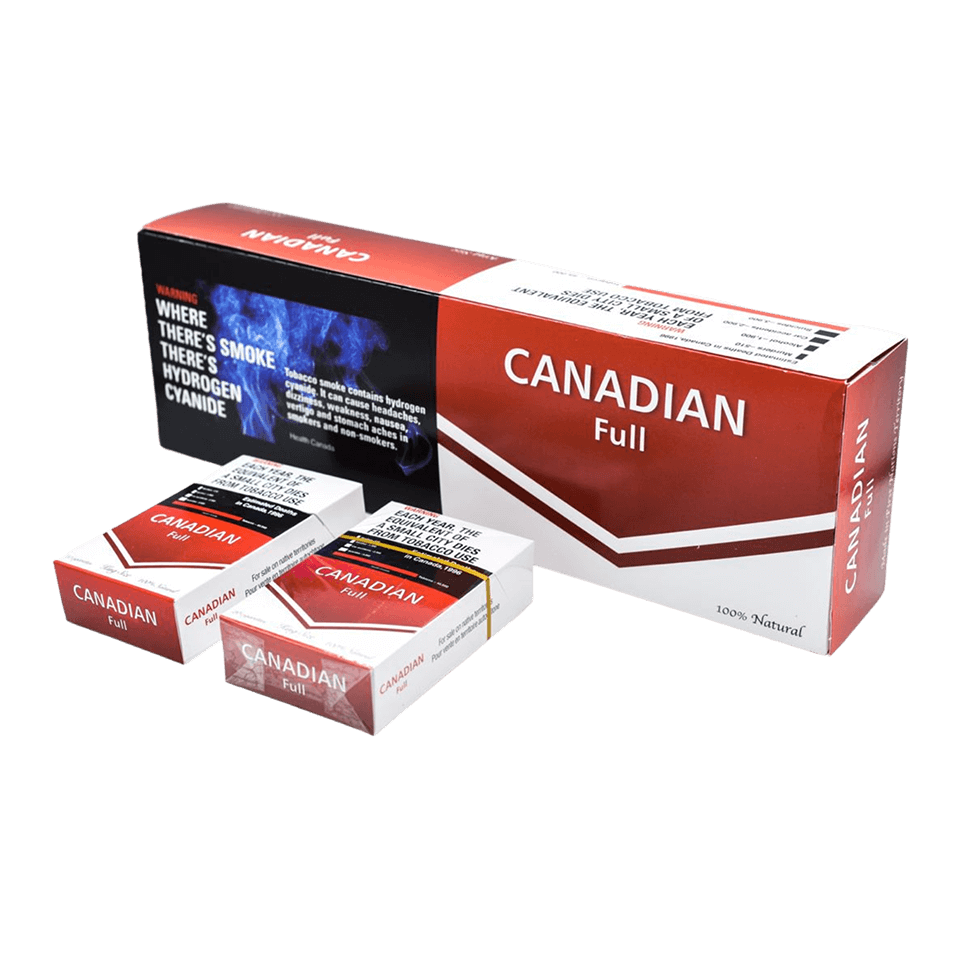
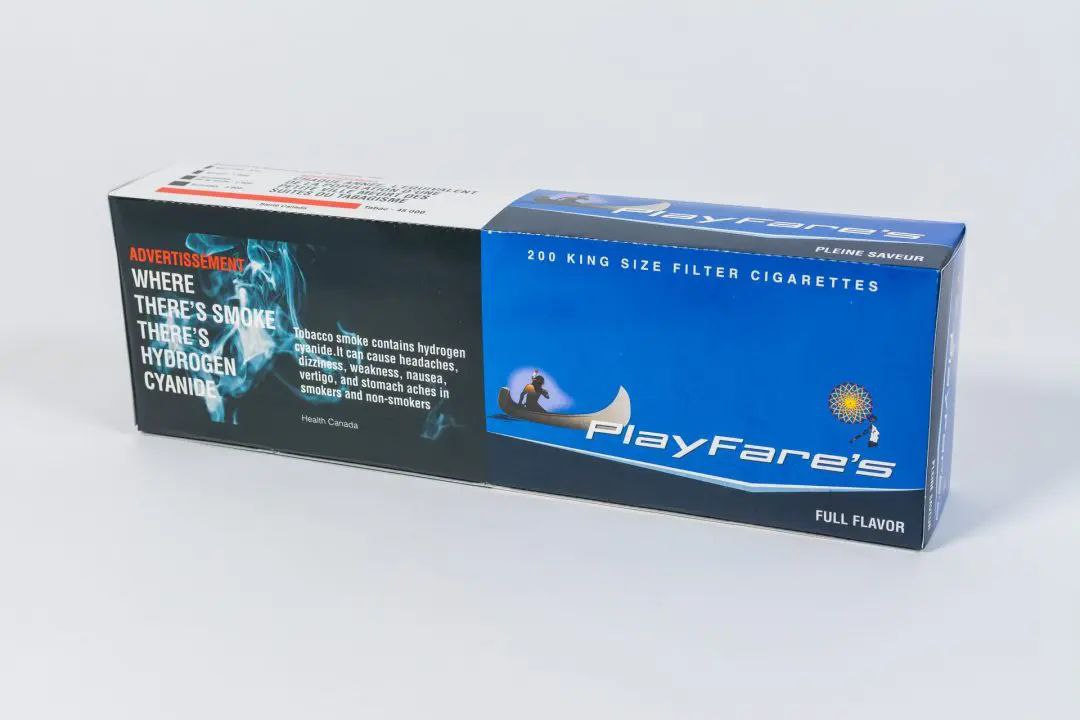
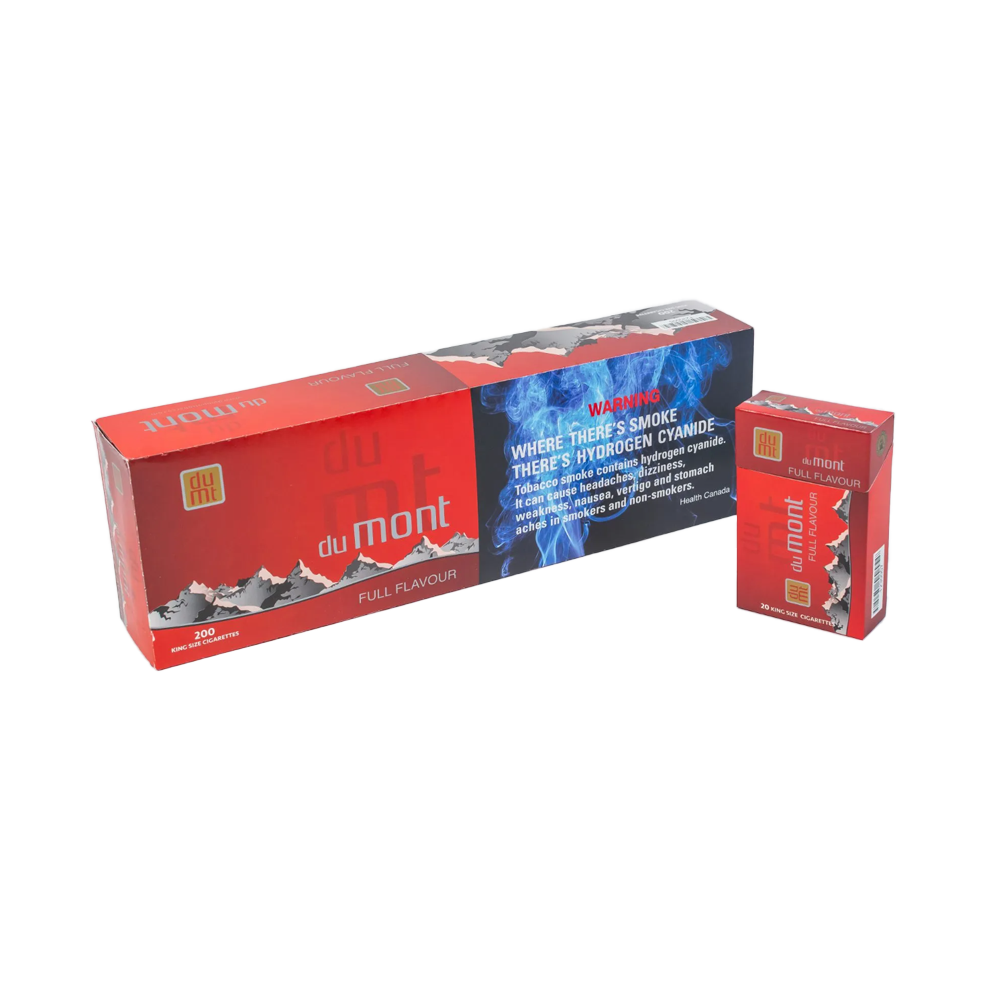
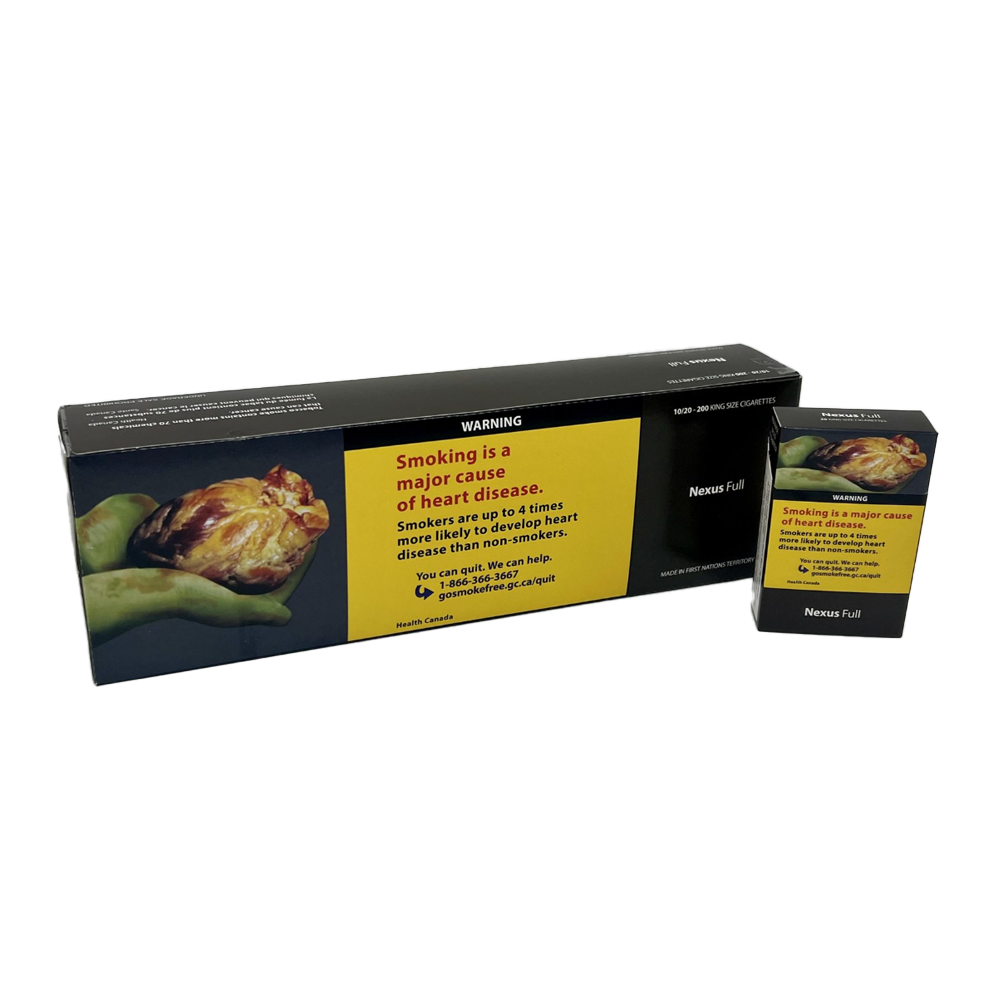
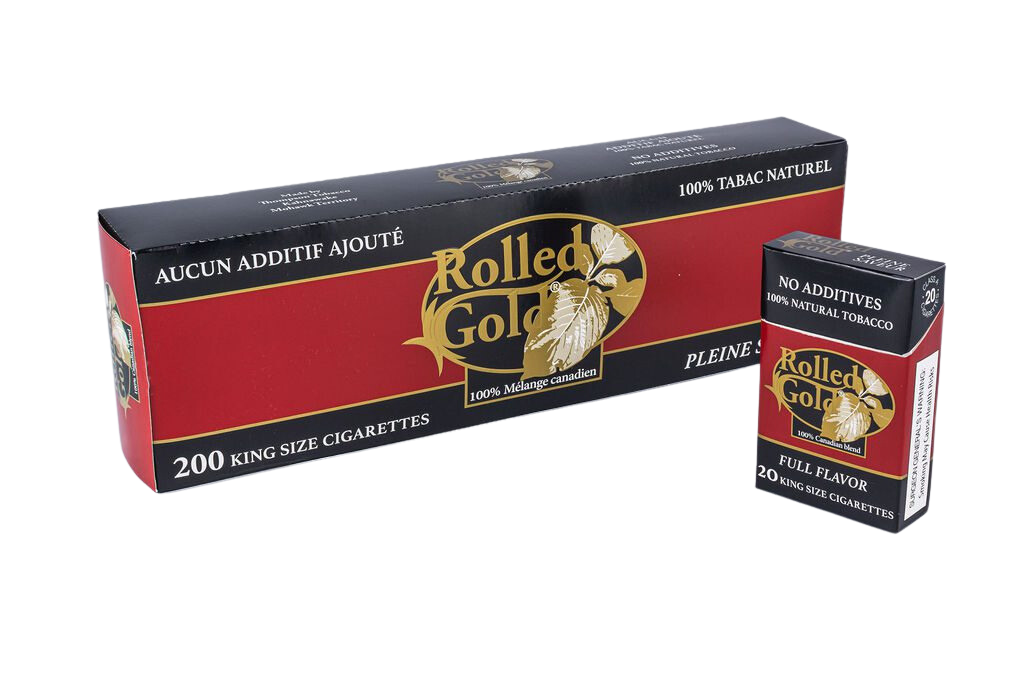
⭐ Excluded: BB light Manitoba, BB full Manitoba, Chanel Blueberry, Chanel ice. See all 29+ native brands at Cigstore.ca.
🚚 Delivery Across Canada – $29 Flat Rate
We ship to every province and territory using Canada Post, Purolator, FedEx, and UPS. Orders over $290 qualify for FREE shipping. Age verification (19+) required upon delivery.
📦 Same-day dispatch for orders before 2 PM EST. Tracking provided within 24 hours.
📚 You Might Also Enjoy These Articles
The Thirdhand Smoke Nightmare
How nicotine residue lingers in carpets and curtains.
How Smoking Affects the Fur and Skin of Cats and Dogs
Thirdhand smoke and pet health.
How to Remove Cigarette Smell from Your Car Interior
Fast fixes for a fresher ride.
How to Remove Cigarette Smell from a Room in 5 Minutes
Quick solutions for fresh air.
How to Remove Yellow Nicotine Stains from Fingers
Removal methods that work.