
Smoking and Type 2 Diabetes
How Nicotine Affects Blood Sugar and Insulin (Essential Reading for Diabetics)
🩺🚬 If you have type 2 diabetes and you smoke, you are playing a dangerous game with your health. Smoking doesn’t just increase your risk of developing type 2 diabetes — it actively worsens blood sugar control, accelerates diabetic complications, and makes managing the disease significantly harder. This article explores the science behind how nicotine affects insulin sensitivity, blood glucose levels, and the progression of diabetes. For diabetic smokers, quitting is not just a good idea — it’s a medical necessity.
Smokers are 30-40% more likely to develop type 2 diabetes than non-smokers.
Diabetics who smoke have 3x higher risk of cardiovascular death.
Smoking increases HbA1c levels by an average of 0.5-1.0%.
🧬 How Nicotine Causes Insulin Resistance
Insulin resistance is the hallmark of type 2 diabetes — your body’s cells stop responding properly to insulin, causing blood sugar to rise. Nicotine is a direct contributor to insulin resistance.
- ⚡ Nicotine activates stress hormones: When you smoke, nicotine triggers the release of catecholamines (epinephrine/adrenaline and norepinephrine). These hormones raise blood sugar by telling your liver to release stored glucose.
- 📈 Chronic inflammation: Smoking causes low-grade, systemic inflammation. Inflammatory molecules (TNF-alpha, IL-6) interfere with insulin signaling, making cells less responsive to insulin.
- 🔬 Pancreatic stress: The pancreas must produce more insulin to overcome resistance. Over time, this can exhaust the insulin-producing beta cells, accelerating the progression from pre-diabetes to full type 2 diabetes.
- 📊 The dose-response relationship: The more you smoke, the higher your risk. Heavy smokers (2+ packs/day) have the highest rates of diabetes.
📖 Key finding: A meta-analysis of 25 studies found that smoking increases the risk of type 2 diabetes by 44% in men and 54% in women, with a clear dose-response relationship.
📈 Smoking Triggers Immediate Blood Sugar Spikes
⚠️ Important for Diabetics Who Smoke: A single cigarette can raise your blood sugar by 10-20 mg/dL (0.6-1.1 mmol/L) within 30 minutes. Over a full day of smoking, these spikes add up, making glucose management significantly more difficult.
- ⏱️ Acute effect: Within minutes of smoking, nicotine causes a rapid release of glucose from the liver. This effect lasts 1-2 hours.
- 📉 Chronic effect: Regular smoking leads to persistently higher baseline blood sugar levels. The cumulative effect is an increase in HbA1c (a measure of average blood sugar over 2-3 months).
- 🔄 The vicious cycle: High blood sugar damages blood vessels, which contributes to diabetic complications (neuropathy, retinopathy, nephropathy). Smoking accelerates this damage. The combination is synergistic — worse than the sum of the parts.
- ⛔ The “hidden” sugars: Even cigarettes marketed as “light” or “mild” cause the same blood sugar spikes. Nicotine is nicotine.
💔 Diabetic Complications That Smoking Accelerates
🩸 Cardiovascular Disease
Diabetics already have 2-4x higher heart disease risk. Smoking doubles that risk again. Heart attack and stroke are the leading causes of death in diabetics.
🦶 Diabetic Neuropathy (Nerve Damage)
Smoking constricts blood vessels, reducing blood flow to nerves. Diabetics who smoke develop neuropathy earlier and more severely, leading to pain, numbness, and foot ulcers.
🦵 Peripheral Artery Disease (PAD)
Smoking is the #1 risk factor for PAD in diabetics. Advanced PAD can lead to amputation.
👁️ Diabetic Retinopathy
Smoking increases the risk of vision loss and blindness by damaging the tiny blood vessels in the retina.
🩺 Diabetic Kidney Disease (Nephropathy)
Smoking accelerates kidney damage, increasing the risk of dialysis and kidney failure.
🔬 The Biological Mechanism: How Nicotine Breaks Your Metabolism
The relationship between smoking and diabetes is complex, but research has identified several key mechanisms:
- ⚡ Stress hormone activation: Nicotine stimulates the sympathetic nervous system, increasing cortisol and epinephrine levels. These hormones directly raise blood glucose.
- 🛡️ Adiponectin suppression: Smoking lowers levels of adiponectin, a hormone that increases insulin sensitivity. Lower adiponectin = higher insulin resistance.
- 🔥 Chronic inflammation: Cigarette smoke contains thousands of inflammatory compounds that promote systemic inflammation, a key driver of insulin resistance.
- 🧬 Beta cell dysfunction: Smoking may directly damage the insulin-producing beta cells in the pancreas, reducing the body’s ability to produce insulin when needed.
- 🍞 Central obesity: Smoking promotes abdominal (visceral) fat accumulation, which is strongly linked to insulin resistance.
📉 Real-World Impact: HbA1c and Blood Sugar Control
Smokers with diabetes have HbA1c levels that are, on average, 0.5-1.0% higher than non-smoking diabetics.
A 1% increase in HbA1c raises the risk of microvascular complications (eyes, kidneys, nerves) by 40%.
Consider this: A diabetic smoker with an HbA1c of 8.5% might have an HbA1c of 7.5% if they quit smoking — a difference that could mean the difference between slow, manageable progression and rapid, severe complications. Every percentage point matters.
- 📊 The UKPDS study: The United Kingdom Prospective Diabetes Study found that each 1% reduction in HbA1c was associated with a 21% reduction in diabetes-related deaths, a 14% reduction in heart attacks, and a 37% reduction in microvascular complications.
- 💊 Medication effectiveness: Smokers often require higher doses of diabetes medications (metformin, insulin) to achieve the same blood sugar control as non-smokers.
- 💰 Cost implications: Poorer blood sugar control means more medications, more doctor visits, and higher risk of hospitalizations — all of which are expensive.
✅ The Good News: Quitting Improves Diabetes Control
The damage from smoking is not irreversible — at least not entirely. Diabetic smokers who quit see measurable improvements in blood sugar control within months.
- 📅 Within 1-2 weeks: Insulin sensitivity begins to improve. Blood sugar spikes after smoking decrease.
- 📅 Within 3-6 months: HbA1c levels typically drop by 0.5-1.0%. This is equivalent to adding another diabetes medication.
- 📅 Within 1 year: Cardiovascular risk begins to decline. The risk of heart attack and stroke starts to approach that of non-smokers with diabetes.
- ⚠️ Short-term weight gain: Some diabetics who quit gain weight (5-10 lbs on average). However, the health benefits of quitting far outweigh the risks of modest weight gain. Work with your doctor to manage weight during cessation.
📖 Evidence: A 2015 study in Diabetes Care found that diabetic smokers who quit had significantly lower HbA1c levels at 1-year follow-up compared to those who continued smoking — even accounting for weight gain.
🩺 Special Considerations for Diabetic Smokers
- 💊 Medication adjustments: If you quit smoking, your blood sugar levels will drop. Your diabetes medications (especially insulin) may need to be adjusted downward to prevent hypoglycemia (low blood sugar). Work closely with your doctor.
- 🍬 Monitor for hypoglycemia: In the first few weeks after quitting, check your blood sugar more frequently, especially before driving or operating machinery.
- 💪 Nicotine Replacement Therapy (NRT): NRT is safe for diabetics and doubles quit rates. Patches, gum, and lozenges are all options. NRT does not cause the blood sugar spikes that cigarettes do.
- 📋 Don’t switch to “light” cigarettes: Switching to a “light” or “mild” brand does not reduce diabetes risk. Nicotine is still nicotine.
- 🚭 Native cigarettes are not a solution: Native cigarettes contain the same nicotine and cause the same blood sugar spikes. The only safe number is zero.
📦 Native Cigarettes: Still Dangerous for Diabetics
Native cigarettes (Playfare, Canadian, DuMont, Nexus, Rolled Gold) cost $29-50 per carton — compared to $140-180 for commercial brands — a savings of 70-80%. However, they contain the same nicotine and cause the same blood sugar spikes as commercial cigarettes. For diabetics, switching to native cigarettes does NOT reduce your health risks — only quitting does.
- 💰 Cost savings: A pack-a-day smoker saves $5,000-7,000 per year by switching to native cigarettes.
- ⚠️ No diabetes benefit: Native cigarettes will still raise your blood sugar, worsen insulin resistance, and accelerate diabetic complications.
- 📦 Online delivery: Cigstore.ca ships to every province and territory with $29 flat shipping (free over $290).
- 🩺 The bottom line for diabetics: If you have diabetes, the only safe option is to quit entirely. Native cigarettes are not a “safer” alternative.
🇨🇦 Resources for Diabetic Smokers Who Want to Quit
- 📞 Smokers’ Helpline (1-877-513-5333): Free, confidential telephone coaching. Ask for the “diabetes track” — counsellors can help you manage blood sugar during cessation.
- 🩺 Your diabetes educator: Diabetes educators can help you adjust your medications before and after quitting.
- 📱 QuitNow (quitnow.ca): Free app with tracking and community support.
- 💊 Nicotine replacement therapy (NRT): Many provincial health plans cover NRT for diabetic smokers. Ask your doctor or pharmacist.
🔥 Top 5 Native Cigarettes (For Information Only — Diabetics Should Quit)


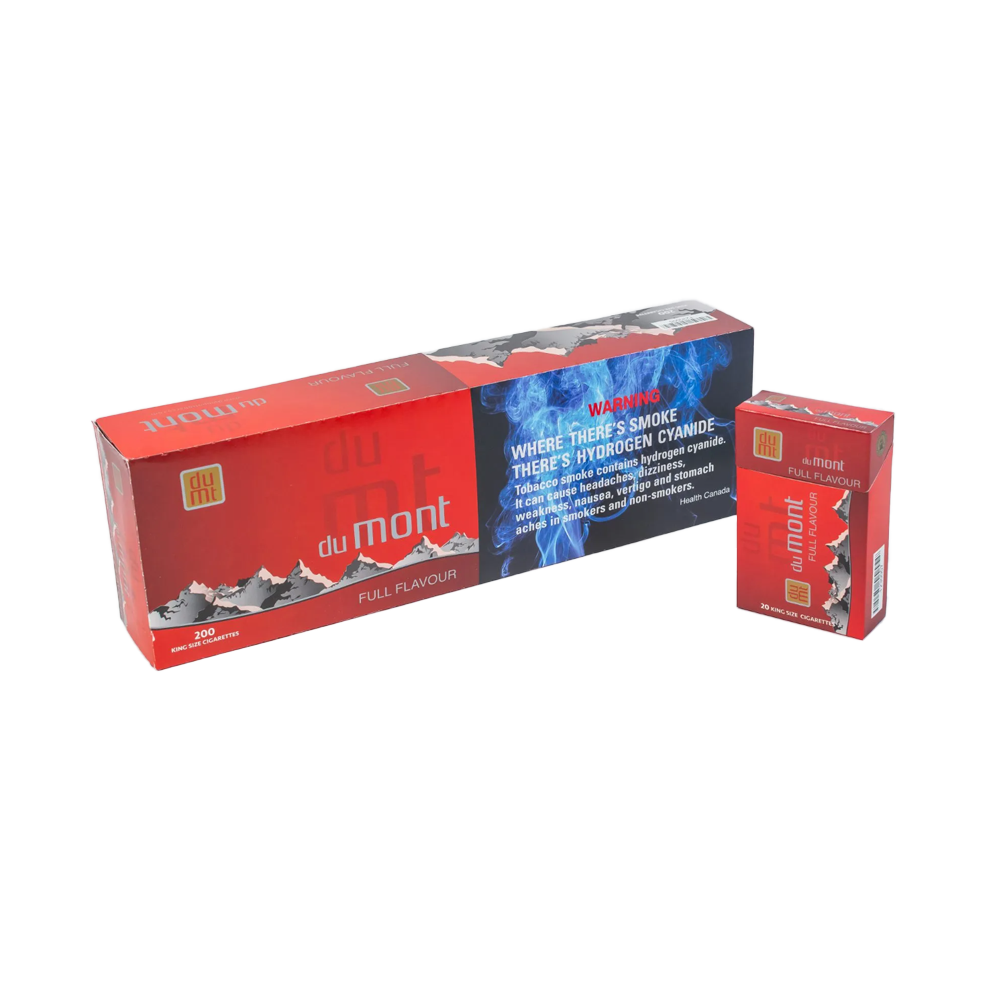

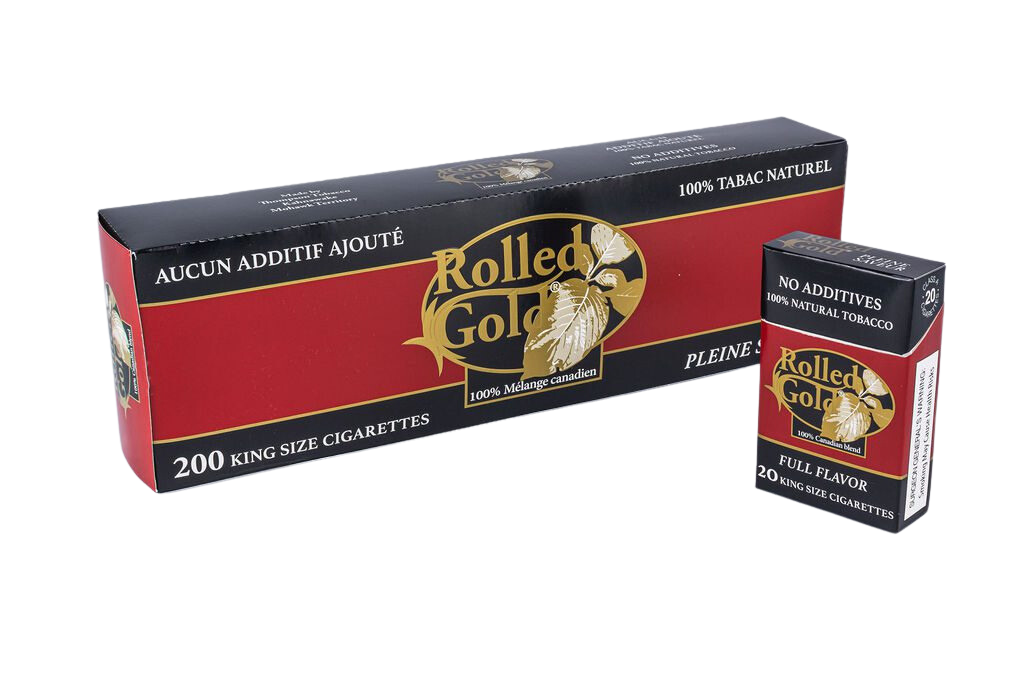
⭐ Excluded: BB light Manitoba, BB full Manitoba, Chanel Blueberry, Chanel ice. See all 29+ native brands at Cigstore.ca.
🚚 Delivery Across Canada – $29 Flat Rate
We ship to every province and territory using Canada Post, Purolator, FedEx, and UPS. Orders over $290 qualify for FREE shipping. Age verification (19+) required upon delivery.
📦 Same-day dispatch for orders before 2 PM EST. Tracking provided within 24 hours.
📚 You Might Also Find These Articles Helpful
Smoking and Testosterone
Effects on men’s health and performance.
How Smoking Affects Female Hormones & The Menstrual Cycle
Hormonal impacts of nicotine.
Smoking and Appetite
Why you don’t feel hungry after a cigarette.
The Rebound Effect
Why some people gain weight when they quit smoking.
Smoking and Male Fertility
The numbers, research, and honest truth.