
The Cigarette in the Grave
Tobacco Rituals of the Indigenous Peoples of Northern Canada — From Sacred Pipes to Spirit Offerings
🪶🚬 In the forests of northern Canada, a Cree hunter pauses before a carved wooden figure. He places a cigarette in the statue’s mouth cavity, adds a pinch of tobacco to the fire, and speaks to the spirit of an ancestor. Thousands of kilometres away, a Tlingit family gathers for a commemorative ceremony. They smoke tobacco from a carved pipe in the shape of a hungry baby bird — a metaphor for the insatiable craving for tobacco [citation:1][citation:4]. For the Indigenous peoples of northern Canada, tobacco has never been merely a recreational substance. It is a sacred gift, a messenger to the spirits, and an essential offering to the dead. This article explores the profound ritual use of tobacco in death ceremonies, burial practices, and spirit communication among the First Nations of the North.
🌿 The Sacred Distinction: Traditional vs. Non-Traditional Use
For many First Nations, tobacco has been used ceremonially for thousands of years.
Recreational smoking of commercial cigarettes is considered a non-traditional, harmful misuse of a sacred substance.
For many First Nations people, tobacco has been used traditionally in ceremonies, rituals, and prayer for thousands of years. It is used for a variety of medicinal purposes and its ceremonial use has powerful spiritual meaning — establishing a direct communication link between the person giving and the spiritual world receiving [citation:2].
- 🪶 Traditional tobacco: Used for prayer, giving thanks to the Creator and Mother Earth, communicating with the spirits, and purifying the mind and healing the body [citation:2].
- ⚠️ Non-traditional use: Smoking cigarettes, chewing tobacco, snuff, or smoking non-traditional tobacco in non-sacred pipes is considered disrespectful of the spiritual, medicinal, and traditional use of tobacco [citation:2].
- 🧊 Inuit distinction: Unlike many First Nations, Inuit do not practise the traditional or ceremonial use of tobacco. Their relationship with tobacco began with European contact [citation:2].
- 📜 The core message: “There is an important distinction between the traditional and non-traditional use of tobacco as one is respectful of First Nations customs, the other being dangerous and harmful” [citation:2].
📖 From Health Canada (2005): “In the traditional sense, the most powerful way of communicating with the spirits is to smoke tobacco in a sacred pipe.” [citation:2]
🪶 The Sacred Pipe: A Messenger Between Worlds
The Sacred Pipe — also called the Calumet or “Peace Pipe” — is the central religious symbol of many Plains and Subarctic Indigenous cultures. It is not merely a smoking device; it is a prayer instrument, a mediator between the physical and spiritual worlds.
The Sacred Pipe is said to have been given to the people by the spirits. According to tradition, the spirits are extremely fond of tobacco, and the only way they could receive it was from humans — either through the smoke of a pipe or by offerings of dry tobacco [citation:3].
- 🌍 Earthmaker’s gift: Among the Winnebago (Ho-Chunk), their god Earthmaker gave tobacco to man. When the French explorers discovered the Winnebago, “the Indians put tobacco in their hands” — but the French did not know what it was [citation:7].
- ⛓️ The Pipe as Mediator: In contemporary Indigenous Christian practice, the Sacred Pipe has been understood as “a wonderful symbol of Christ because it is the instrument of the mediator in the Sioux Religion.” One prayer adaptation declares: “I am the Living and Eternal Pipe, the Resurrection and the Life” [citation:9].
- 💔 Disassembling the Pipe at Death: In funeral rituals, the pipe bowl and stem are taken apart and laid on the coffin. The leader says: “Remember man that the Pipe of your earthly life will some day be broken” [citation:9].
- 🕯️ The Four Directions: During the funeral ceremony, the pipe is pointed to the sky, to the four cardinal directions, and then the bowl touches the earth — connecting the deceased to all of creation [citation:9].
🌲 The Tlingit “Smoking Feast”: Tobacco After Cremation
Among the Tlingit people of the northern coast (modern-day Alaska and Yukon), the introduction of European trade tobacco in the late 1700s transformed ceremonial life. According to the Museum of Anthropology at UBC, “with trade tobacco newly available to the Tlingit, the pipe came into existence, and the smoking feast became an important ceremony after cremation, and at other commemorative ceremonies for the dead” [citation:1][citation:4][citation:8].
- 🔥 Before European contact: The Haida and Tlingit cultivated a now-extinct, tobacco-like plant which they dried, ground up, mixed with lime from burnt clam or abalone shells, and formed into pellets with spruce gum for chewing or holding in the mouth [citation:1].
- 🚬 The arrival of the pipe: With the maritime fur trade came actual pipes and commercial tobacco. The pipe bowl was often carved in elaborate shapes — including one remarkable artifact: a pipe carved to resemble a baby bird with its mouth open wide, rimmed with copper. The shape is interpreted as a metaphor for “the smoker’s insatiable craving for tobacco” [citation:1][citation:4][citation:8].
- 🪦 Commemorative ceremonies for the dead: The “smoking feast” became an integral part of funeral and memorial rituals. Family members smoked together, sharing tobacco as a way of honouring the deceased and communing with their spirits.
- 📅 Artifact details: A Tlingit pipe bowl from c. 1840-1860 (now at the Museum of Anthropology) measures 15 cm x 9 cm x 13 cm and is made of walnut wood with copper edging [citation:1][citation:4][citation:8].
📖 From the Museum of Anthropology: “The pipe came into existence, and the smoking feast became an important ceremony after cremation, and at other commemorative ceremonies for the dead.” [citation:1]
🌾 The Cree Offering: Cigarettes for the Spirit Statues (Manitohkan)
Among the Cree, offerings to the spirits include unopened cans of stew, tea, coloured cloth, knives, whiskey — and cigarettes.
The area in front of manitohkan (spirit statues) is often strewn with cigarettes.
Among the Cree of northern Manitoba and Saskatchewan, offerings to spirits and ancestors often include tobacco — in the form of both loose tobacco and manufactured cigarettes. A remarkable account from the 1990s describes the practice surrounding manitohkan (spirit statues):
- 🪵 Manitohkan statues: These are wooden statues carved to represent pawakan (spirit helpers). One image observed was ornamented with “the ubiquitous billed cap of older Cree men, a neck handkerchief, a pipe affixed to the mouth cavity, and (without irony) sunglasses” [citation:5].
- 🚬 Offerings at the statues: “The area in front of the images was strewn with cigarettes, unopened canned goods, dishes and utensils, and, in one case, a knife” [citation:5].
- 🔥 Burning tobacco in the fire: Before meals of special significance, small amounts of food are burned with tobacco either in the stove or in an outside fire. These offerings are intended for the souls of the animals being eaten, as well as for deceased ancestors [citation:5].
- 🌊 Offerings on the water: Tobacco is also placed into cracks in cliffs or thrown into the water to ask for good hunting. As one Cree elder explained: “If you go along the river, there are steep cliffs up over the water. People when they travel by there, they put tobacco deep into those cracks. You’re asking for luck that way” [citation:5].
🌅 The Winnebago Burial Rite: Tobacco for the Journey to Earthmaker
The Winnebago (Ho-Chunk) developed what has been called a “tobacco cult.” Tobacco enters into all their feasts and rites. At the four-night wakes held over their dead, tobacco is given to the spirit of the deceased to aid the journey to Earthmaker.
The Winnebago of the Great Lakes region were among the first Indigenous peoples in North America to create a tobacco cult [citation:7]. A mourning warrior addressing the spirit of the deceased recites a prayer while offering tobacco and a pipe:
📖 Winnebago Funeral Prayer (1925): “I suppose you are not far away, that indeed you are right behind me. Here is the tobacco and here is the pipe which you must keep in front of you as you go along. Here also is the fire and the food which your relatives have prepared for your journey.”
The spirit of the departed is expected to offer tobacco to other spirits whom he meets on his road, and finally, “when you reach Earthmaker offer him your pipe” [citation:7]. This prayer reveals the profound belief that tobacco is not merely for human use — it is a currency for the afterlife, an offering that the spirit must carry to present to the Creator.
- 🕯️ Four-night wakes: The Winnebago hold four-night wakes over their dead. Tobacco and food offerings accompany each night [citation:7].
- 🌿 Tobacco as spiritual currency: The pipe and tobacco are not just offerings — they are tools that the spirit needs for the journey. Without them, the spirit cannot properly present itself to Earthmaker.
🙏 Contemporary Adaptations: The Pipe in Indigenous Christian Funerals
In many Indigenous communities, traditional tobacco rituals have been adapted and integrated into Christian funeral practices. The Sacred Pipe is sometimes understood through a Christian lens, creating a unique syncretic tradition [citation:9].
- ✝️ The Pipe as Christ: “The Sacred Pipe is a wonderful symbol of Christ because it is the instrument of the mediator in the Sioux Religion just as the Sacred Humanity is the instrument of Christ the Mediator in our Christian Religion” [citation:9].
- 🪦 The funeral pipe rite: Before prayers, participants are told: “Remember man that the Pipe of your earthly life will some day be broken.” The pipe bowl and stem are taken apart and laid on the coffin [citation:9].
- 🌍 The four directions: After prayers, the leader points the pipe to the sky and says: “I am the Living and Eternal Pipe, the Resurrection and the Life; he who believes in Me, even if he die shall live: and whoever lives and believes in me shall never die.” This is repeated in each of the four directions [citation:9].
- 🤝 Sharing the smoke: After the prayers, the pipe is lit by the leader, smoked, and passed clockwise. Women may kiss the pipe instead of smoking it. Each person then says, “For the sake of our relatives” — referring to both human relatives and animals [citation:9].
📖 The Pipe as Sacramental: “The Pipe must be purified, even exorcised if necessary like Holy Water and ‘baptized.’ When this is done, it is no longer the same Pipe which the early missionaries condemned” [citation:9].
📜 Pre-Contact Tobacco: Before the Cigarette
Before European contact, the Indigenous peoples of northern Canada did not have manufactured cigarettes. They had their own tobacco-like plants and distinct methods of consumption [citation:1].
- 🌿 A now-extinct plant: The Haida and Tlingit cultivated a now-extinct, tobacco-like plant which they dried, ground up, mixed with lime from burnt clam or abalone shells, and formed into pellets with spruce gum [citation:1].
- 👅 Sucking, not smoking: Before pipes arrived, tobacco was consumed by chewing or holding in the mouth — not by smoking. The practice of smoking came with European trade pipes [citation:1].
- 🪶 The sacred pipe’s arrival: With the maritime fur trade of the late 1700s, pipes and commercial tobacco were introduced. Smoking soon took the place of sucking tobacco as part of ceremonial activities [citation:4].
- 📖 A Health Canada publication (1996) notes: “Tobacco has traditionally occupied a legitimate historical place in many First Nations ceremonies, rituals, spirituality and trading patterns” [citation:6][citation:10].
⚠️ The Contemporary Crisis: Sacred Tradition vs. Commercial Addiction
Smoking rates among First Nations and Inuit are more than double the rate for the rest of Canada.
The recreational use of commercial cigarettes is considered a “misuse” of a sacred substance.
Today, there is a painful tension between the sacred use of tobacco and the devastating health impacts of commercial cigarette addiction in Indigenous communities. First Nations Elders maintain that “the recreational use of tobacco with its high content of nicotine, is addictive and harmful” and that this type of use “is disrespectful of the spiritual, medicinal, and traditional use of tobacco” [citation:2].
- 🩺 Health disparities: Tobacco-related illnesses and diseases are urgent issues in First Nations and Inuit communities, where smoking rates are more than double the rate for the rest of Canada [citation:2].
- ⚠️ Misuse of a sacred substance: “The recreational use (or misuse) of tobacco is any use of tobacco in a non-traditional way. For example, smoking cigarettes, chewing tobacco or snuff, smoking non-traditional tobacco in non-sacred pipes or smoking cigars” [citation:2].
- 🧊 Inuit distinction: Inuit do not have a tradition of ceremonial tobacco use, making the public health challenge particularly acute in northern communities [citation:2].
- 🪶 The way forward: Indigenous-led, culturally appropriate tobacco reduction programs are essential — respecting the sacred role of tobacco while addressing the epidemic of commercial cigarette addiction [citation:2].
📦 Native Cigarettes: A Note on Commercial Products
Native cigarettes (Playfare, Canadian, DuMont, Nexus, Rolled Gold) are commercial tobacco products sold on First Nations reserves and online. They cost $29-50 per carton — compared to $140-180 for commercial brands — a savings of 70-80%. It is important to understand that these are commercial products, not ceremonial tobacco. Traditional tobacco use involves sacred pipes, loose tobacco offerings, and specific rituals that commercial cigarettes are not intended to replace.
- 💰 Cost savings: A pack-a-day smoker saves $5,000-7,000 per year by switching to native cigarettes.
- 🚫 Not ceremonial: Commercial cigarettes are not a substitute for traditional tobacco offerings. Elders maintain a clear distinction between sacred and recreational use.
- 📦 Online delivery: Cigstore.ca ships to every province and territory with $29 flat shipping (free over $290).
- 🪶 Respect the distinction: If you are looking for tobacco for ceremonial purposes, consult with Indigenous knowledge keepers. Commercial cigarettes are not an appropriate substitute.
🔥 Top 5 Native Cigarettes for Canadian Smokers

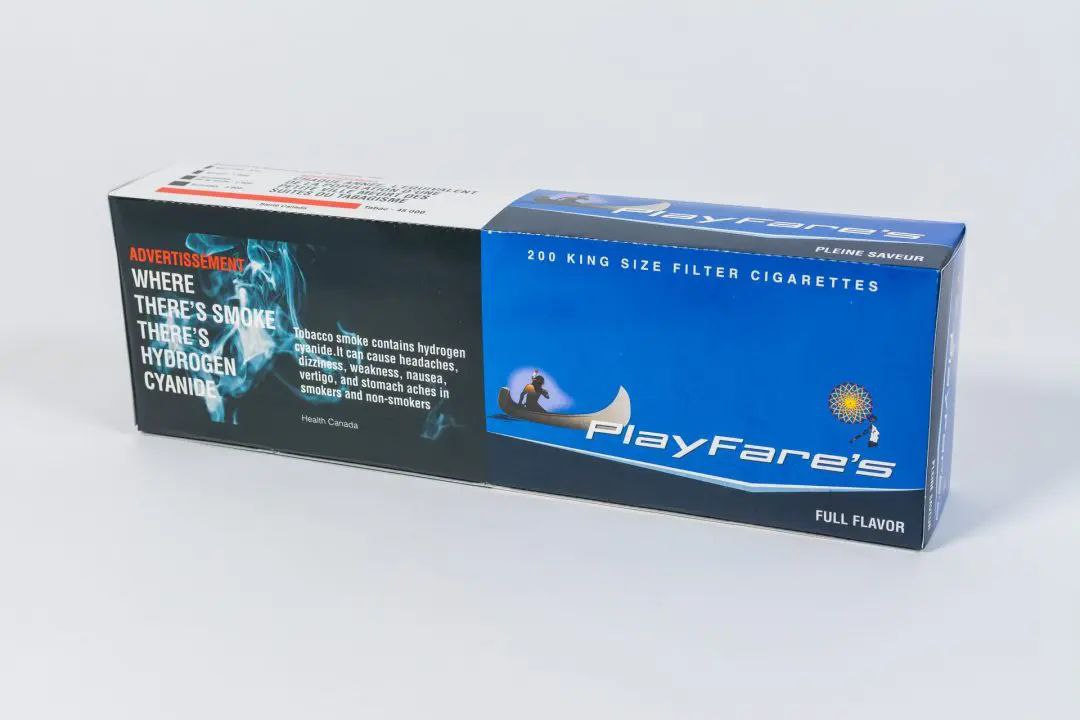

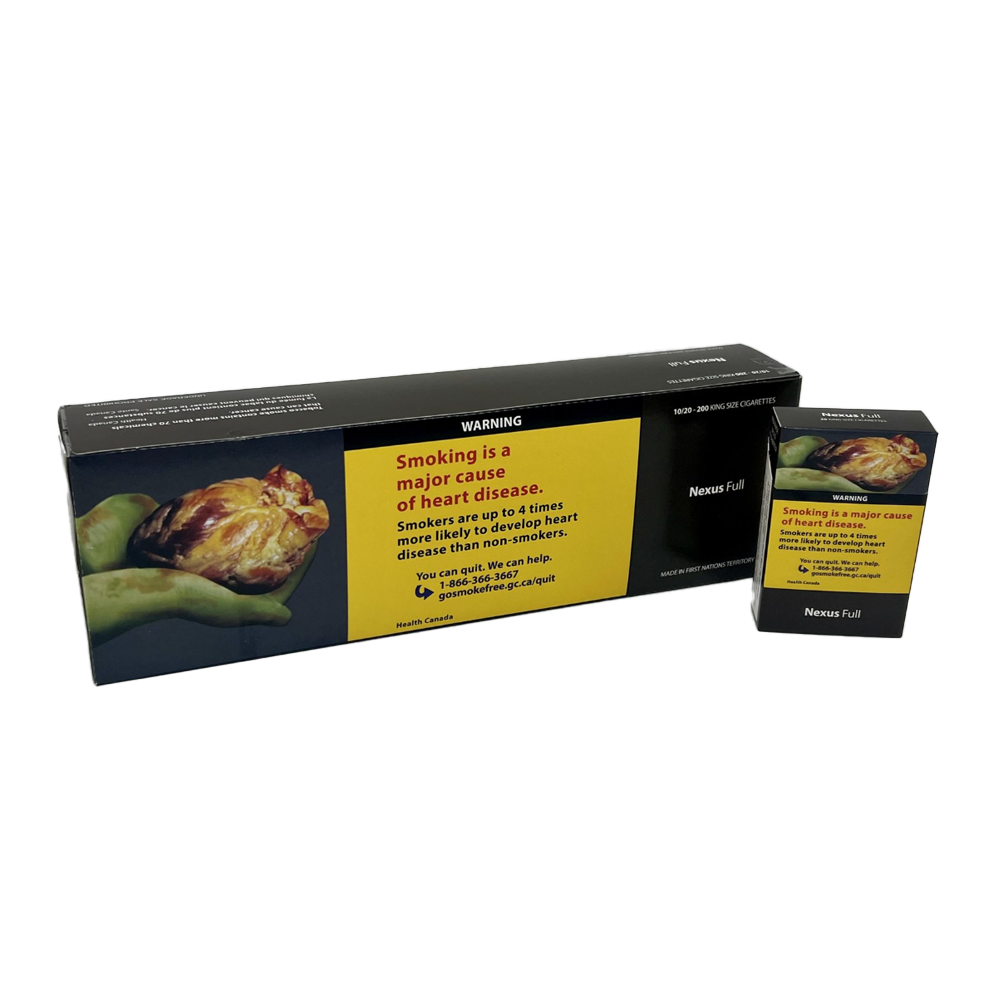
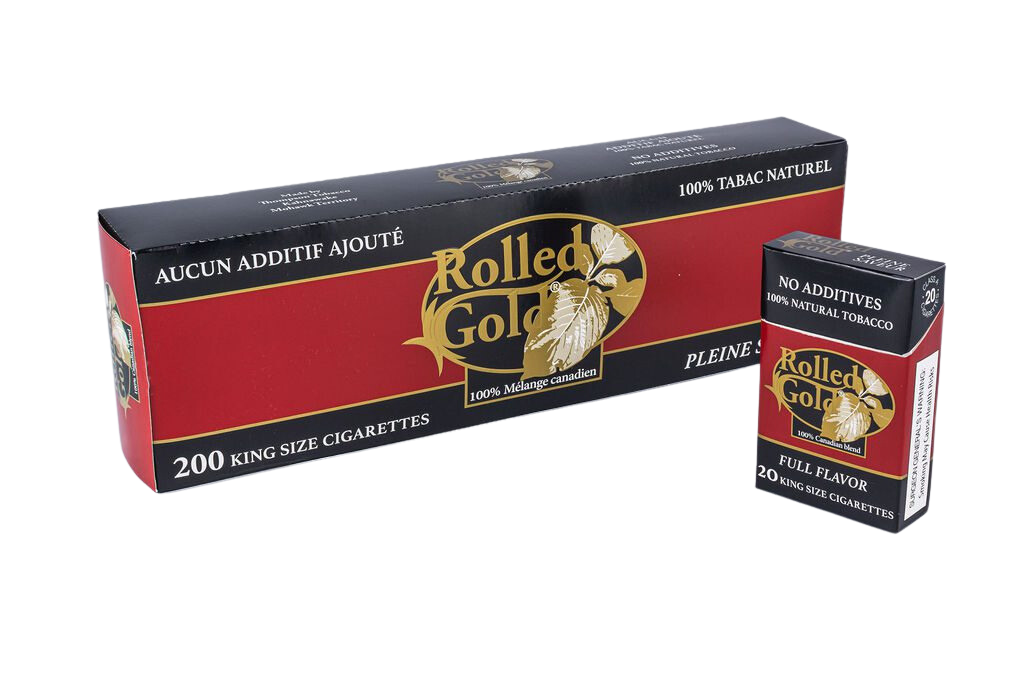
⭐ Excluded: BB light Manitoba, BB full Manitoba, Chanel Blueberry, Chanel ice. See all 29+ native brands at Cigstore.ca.
🚚 Delivery Across Canada – $29 Flat Rate
We ship to every province and territory using Canada Post, Purolator, FedEx, and UPS. Orders over $290 qualify for FREE shipping. Age verification (19+) required upon delivery.
📦 Same-day dispatch for orders before 2 PM EST. Tracking provided within 24 hours.
📚 You Might Also Enjoy These Articles
How Indigenous Tobacco Traditions Predate Confederation
Pre-contact tobacco use in Canada.
How Canadian Indigenous Artists Depict Tobacco
Tobacco in contemporary Indigenous art.
How Tobacco Figures in North American Indigenous Myths
Creation stories and spiritual beliefs.
Smoking in the Territories
Life in Yukon, NWT, and Nunavut.
1994 Tax Cut Story
How native cigarettes became affordable.