
Why Smoking in an Elevator Is Considered the Most Dangerous Place
The Physics of Gases, Enclosed Spaces, and Lethal Concentrations
🛗🚬 You step into an elevator. The doors close. You’re trapped in a small metal box with someone who just lit a cigarette. Within seconds, the air becomes thick with smoke. Why does an elevator feel so much worse than a room or a car? The answer lies in the physics of gases, the chemistry of cigarette smoke, and the unique properties of an elevator as an almost perfectly sealed environment. This article explains why smoking in an elevator is considered one of the most dangerous places to smoke — not just for the smoker, but for everyone else trapped inside.
📐 The Physics of an Elevator: A Perfectly Sealed Environment
Volume: 4-8 cubic metres (140-280 cubic feet)
Air exchange rate: 1-3 air changes per hour (very low)
A single cigarette produces ~400-700 mg of respirable particles
An elevator is not just a small space — it is a low-ventilation, high-density environment. Most elevators have minimal air exchange with the outside; they rely on tiny ventilation fans that move air at a snail’s pace. When the doors close, you are essentially sealed in a metal box with whatever is in the air.
⚡ Key Physical Principles:
- 💨 Diffusion: Gases spread from areas of high concentration to low concentration. In a small, sealed space, diffusion happens rapidly — the smoke will reach every corner of the elevator within seconds.
- 📉 Dilution Rate: A typical elevator exchanges only 1-3 air changes per hour. That means it takes 20-60 minutes for the air to be completely replaced. A single elevator ride lasts 30-60 seconds — no meaningful dilution occurs.
- 📊 Concentration Effect: Because the volume is so small, the concentration of cigarette toxins rises extremely quickly. Within 30 seconds of lighting a cigarette, the concentration of fine particles (PM2.5) can exceed safe levels by 10-20 times.
☠️ The Toxic Load: What’s in That Elevator Air?
⚠️ One cigarette produces approximately:
• 400-700 mg of respirable suspended particles (tar)
• 10-15 mg of carbon monoxide (CO)
• 20-40 µg of formaldehyde
• 80-120 µg of acrolein
• 200-400 µg of nicotine
• Dozens of other toxic and carcinogenic compounds
In a typical 5 cubic metre elevator (the size of a small commercial lift), the concentration of toxins rises to alarming levels within seconds. Let’s calculate the concentration of carbon monoxide (CO) as an example:
- 📈 CO from one cigarette: A single cigarette produces about 10-15 mg of carbon monoxide.
- 📉 Space volume: 5 m³ = 5,000 litres.
- 📊 Concentration: 15 mg in 5,000 L = 3 mg/m³ = approximately 2.5 ppm (parts per million).
- ⚠️ Safe exposure limit (Health Canada): 5 ppm for 8-hour exposure for non-smokers. But in an elevator, you’re exposed to peak concentrations that are much higher before mixing.
While 2.5 ppm CO is not immediately dangerous, remember that CO is just one of over 4,000 chemicals in cigarette smoke. The combined effect — the “toxic soup” — is what makes elevator smoking so dangerous.
🌫️ Particulate Matter: The Invisible Killer
A single cigarette can raise PM2.5 levels to 500-1,000 µg/m³ within 60 seconds.
Health Canada’s guideline for 24-hour exposure: 25 µg/m³
That’s 20-40 times higher than the safe limit — in under a minute.
Particulate matter (PM2.5) — microscopic particles small enough to penetrate deep into the lungs and enter the bloodstream — is perhaps the most dangerous component of secondhand smoke. In an elevator, PM2.5 concentrations spike dramatically:
- 📊 Before a cigarette: Background PM2.5 is typically 5-15 µg/m³ in a clean indoor environment.
- 📈 During a cigarette: Within 60 seconds, PM2.5 can exceed 500 µg/m³ near the smoker.
- ⚠️ After the cigarette: Particles remain suspended in the air for minutes to hours, depending on ventilation. In a low-ventilation elevator, they linger.
- 🫁 The health impact: PM2.5 exposure is linked to cardiovascular disease, respiratory illness, lung cancer, and premature death. Even short-term exposure (minutes to hours) can trigger heart attacks in susceptible individuals.
📖 Real-world measurement: A 2019 study measured PM2.5 in a 6 m³ elevator during a single cigarette. Levels peaked at 870 µg/m³ — 35 times the WHO’s 24-hour guideline of 25 µg/m³.
🚗 Why an Elevator Is Worse Than a Car
Many people assume that smoking in a car is similar to smoking in an elevator. This is incorrect. Cars have several advantages over elevators:
- 🌬️ Ventilation: Cars have powerful ventilation fans (even with windows closed). A car’s HVAC system exchanges air much faster than an elevator’s tiny fan.
- 🪟 Windows: In a car, you can open windows to create rapid air exchange. Elevators have no windows.
- ⏱️ Exposure time: Car rides are typically longer (15-60 minutes), but you have control over ventilation. Elevator rides are short (30-60 seconds) but with zero ventilation control.
- ⚠️ The elevator trap: The doors close, you press a button, and you’re stuck. You cannot leave until the doors open. In a car, you can pull over and exit.
⚡ The Decay Rate Difference:
In a car with windows cracked: PM2.5 decays by 50% in 2-3 minutes.
In an elevator with standard ventilation: PM2.5 decays by 50% in 15-20 minutes.
Because elevator rides are short, passengers are exposed to near-peak concentrations for the entire duration.
👥 Secondhand Smoke: The Elevator as a “Thirdhand Smoke Incubator”
⚠️ Elevators are also dangerous long after the cigarette is extinguished. The smoke residue (thirdhand smoke) settles on walls, buttons, and handrails. Later passengers touch these surfaces and absorb nicotine and other toxins through their skin.
Secondhand smoke is bad enough. But elevators create an additional hazard: thirdhand smoke accumulation. Because elevators are cleaned infrequently and have fabric-like surfaces (carpeted floors, padded walls), they absorb and hold nicotine residue.
- 🧽 Residue accumulation: Each cigarette smoked in an elevator deposits tar and nicotine on surfaces. These surfaces are rarely deep-cleaned.
- 🤚 Dermal absorption: A 2010 study found that nicotine can be absorbed through the skin. Touching an elevator button contaminated with nicotine residue exposes you to the addictive chemical.
- 🧪 Chemical reactions: Nicotine on surfaces can react with indoor pollutants (e.g., nitrous acid from cleaning products) to form tobacco-specific nitrosamines (TSNAs) — potent carcinogens.
- 👶 Vulnerable populations: Children who ride elevators where smoking has occurred are at particular risk. They touch surfaces and put their hands in their mouths.
🔥 The Fire Hazard: Why Elevators and Cigarettes Are a Deadly Combination
Elevator shafts act as chimneys.
A fire started in an elevator can spread rapidly through the building.
Many high-rise buildings have had elevator fires caused by discarded cigarettes.
Beyond the immediate health hazards, smoking in an elevator presents a serious fire risk. Elevator cars and shafts are constructed with materials that can burn, and discarded cigarette butts can ignite trash, carpeting, or hydraulic fluid.
- 🚬 Discarded butts: A smoker in an elevator has nowhere convenient to extinguish a cigarette. Many drop butts on the floor or crush them against walls, creating fire hazards.
- 🏢 The chimney effect: Elevator shafts are vertical passages that can draw fire upward through a building. A small fire in an elevator car can quickly spread to multiple floors.
- 📜 Real incidents: Fire departments across Canada have responded to elevator fires caused by discarded cigarettes. In one 2019 incident in Toronto, an elevator fire forced the evacuation of a 20-story apartment building.
- ⚖️ Legal consequences: In addition to bylaw fines for smoking in an elevator, a smoker who causes a fire can face criminal charges and civil liability.
⚖️ The Legal and Health Consequences
Smoking in an elevator is not just dangerous — it is illegal. Most Canadian provinces and municipalities explicitly ban smoking in elevators under smoke-free workplace and public space legislation.
- 📜 Ontario’s Smoke-Free Ontario Act: Bans smoking in all enclosed public spaces, including elevators. Fines start at $305.
- 📜 Quebec’s Tobacco Act: Prohibits smoking in common areas of residential buildings, including elevators. Fines up to $1,500.
- 📜 British Columbia’s Tobacco Control Act: Bans smoking in all public places, including elevators in apartment buildings.
- 🩺 Health impact on vulnerable populations: Elevators are used by elderly residents, pregnant women, children, and people with respiratory conditions. For these individuals, even brief exposure to secondhand smoke can trigger asthma attacks, heart palpitations, or allergic reactions.
📖 Common question: “What about residential building elevators? They’re not ‘public places’.” Under most provincial laws, elevators in residential buildings are considered common areas and are subject to smoking bans. You cannot smoke in your apartment building’s elevator, even if you own your unit.
🆘 What to Do If Someone Smokes in Your Elevator
- 🚫 Exit if possible: If the doors haven’t closed yet, step out. Wait for the next elevator.
- 📞 Report to building management: Most condos and apartment buildings have rules against smoking in common areas. Report the incident with the date, time, and description of the smoker.
- 📸 Document it: Take a photo (discreetly) of the person smoking. Note the time and elevator number.
- 👮 Call bylaw enforcement: If your building management does nothing, contact your municipal bylaw enforcement office. Many cities have dedicated smoking complaint lines.
- 🩺 Protect your health: If you have a respiratory condition (asthma, COPD), carry a mask. Better yet, avoid the elevator entirely — take the stairs if you can.
📦 Native Cigarettes: Same Elevator Danger
Native cigarettes (Playfare, Canadian, DuMont, Nexus, Rolled Gold) cost $29-50 per carton — compared to $140-180 for commercial brands — a savings of 70-80%. However, they produce the same smoke, the same toxins, and the same elevator danger as commercial cigarettes.
- 💰 Cost savings: A pack-a-day smoker saves $5,000-7,000 per year by switching to native cigarettes.
- 🚫 No difference in smoke: Native cigarettes contain the same nicotine, tar, carbon monoxide, and particulate matter.
- 📦 Online delivery: Cigstore.ca ships to every province and territory with $29 flat shipping (free over $290).
- 🛗 Elevator rule: No matter what brand you smoke, never smoke in an elevator. Step outside the building first.
🇨🇦 Resources for Secondhand Smoke Exposure
- 📞 Smokers’ Helpline (1-877-513-5333): Free, confidential support for smokers who want to quit.
- 🏢 Condo/Strata owners: Check your building’s bylaws regarding smoking in common areas. Many buildings have explicit rules against elevator smoking.
- 👮 Municipal bylaw enforcement: Search “[Your City] smoking complaint” to file a report.
- 🩺 Your doctor: If you experience symptoms after exposure to secondhand smoke (coughing, wheezing, chest pain), seek medical attention.
🔥 Top 5 Native Cigarettes for Canadian Smokers
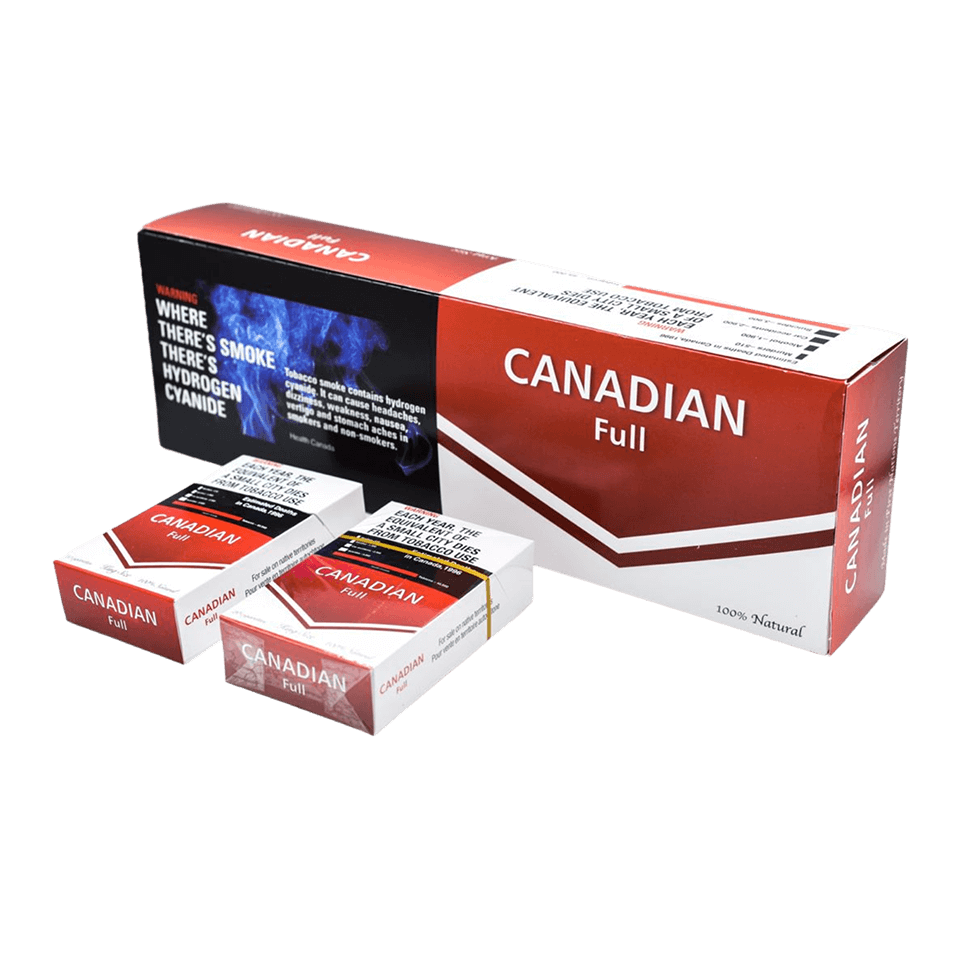

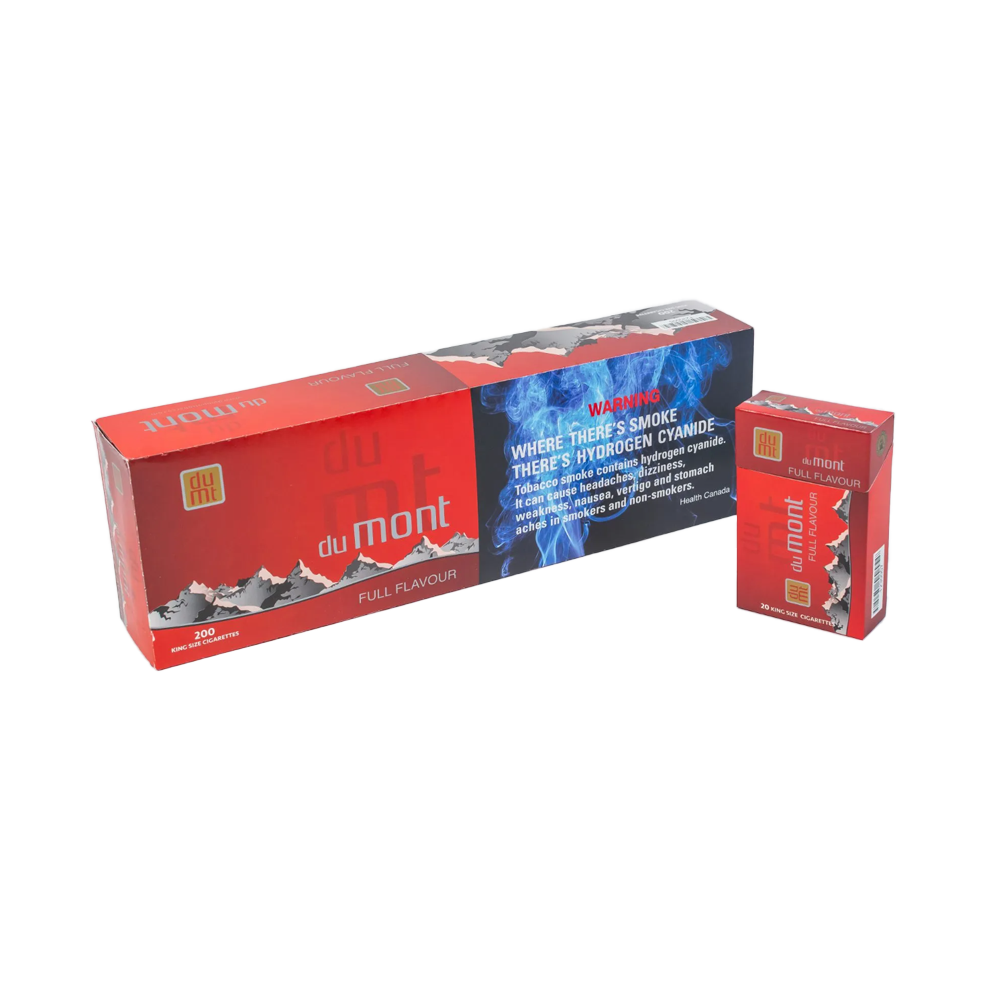
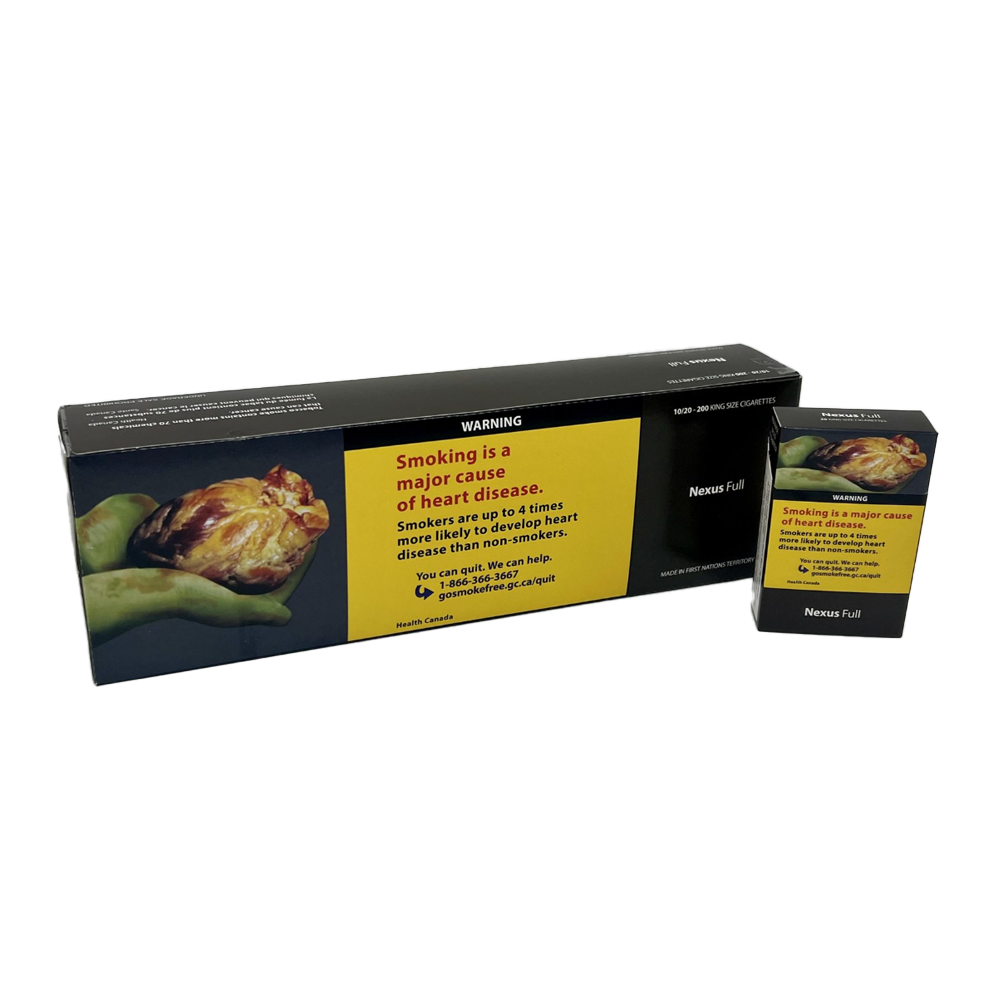
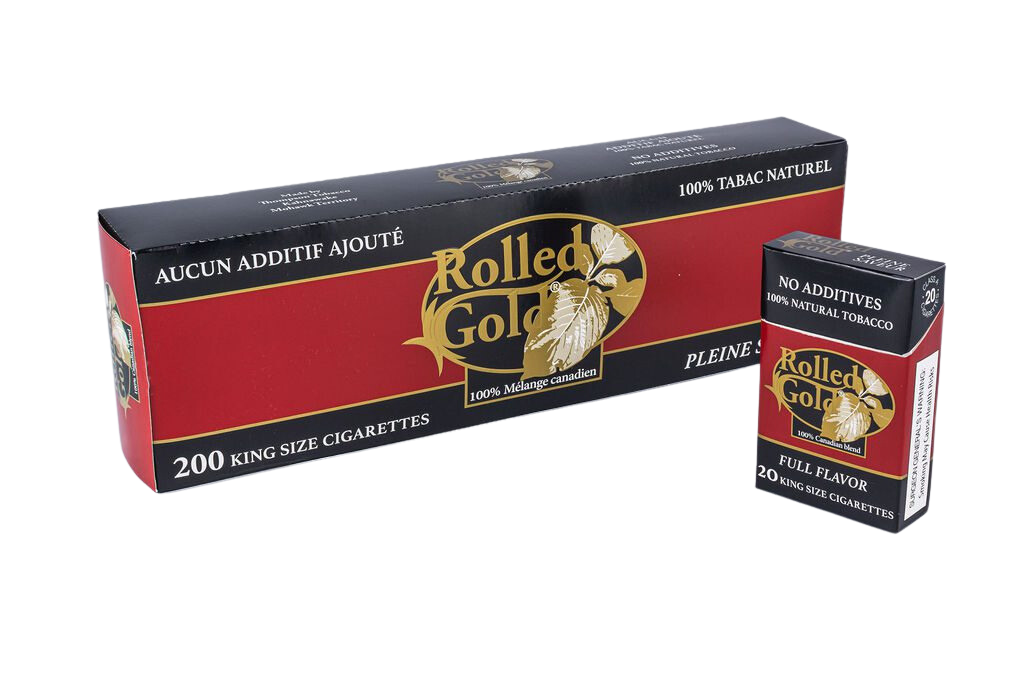
⭐ Excluded: BB light Manitoba, BB full Manitoba, Chanel Blueberry, Chanel ice. See all 29+ native brands at Cigstore.ca.
🚚 Delivery Across Canada – $29 Flat Rate
We ship to every province and territory using Canada Post, Purolator, FedEx, and UPS. Orders over $290 qualify for FREE shipping. Age verification (19+) required upon delivery.
📦 Same-day dispatch for orders before 2 PM EST. Tracking provided within 24 hours.
📚 You Might Also Enjoy These Articles
How Long Does Secondhand Smoke Linger in a Room?
Residence time and ventilation effects.
The Thirdhand Smoke Nightmare
How nicotine residue lingers in carpets and curtains.
Why Can You Smell Cigarette Smoke in an Empty Room Hours Later?
The chemistry of lingering odors.
How to Remove Cigarette Smell from a Room in 5 Minutes
Quick solutions for odor elimination.
Smoking Laws in the USA vs. Canada
5 surprising differences you’ll see.