
The ‘Zombie Smoking’ Phenomenon
When a Person Smokes Automatically, Unaware of It — The Neuroscience of Autopilot Addiction
🧟♂️🚬 You’ve seen it happen. Someone reaches for a cigarette, lights it, takes a few puffs, and extinguishes it — all while carrying on a conversation, barely seeming to notice what they’re doing. When asked, they might say: “I don’t even remember lighting this one.” This is “zombie smoking” — the phenomenon of automatic, unconscious cigarette consumption. It’s not a sign of weakness or lack of willpower. It’s the predictable result of years of habit formation, where the brain has offloaded the behaviour to automatic pilot. This article explores the neuroscience of zombie smoking, why it happens, and how to break the autopilot loop.
🧠 What Is ‘Zombie Smoking’? Defining the Phenomenon
• Smoking without conscious awareness
• No memory of lighting the cigarette
• Automatic response to environmental triggers
• Often discovered by finding an unexpected number of butts
• Common among long-term, heavy smokers
“Zombie smoking” (also called “automatic smoking” or “mindless smoking”) occurs when the act of smoking becomes so deeply habitual that it bypasses conscious awareness. The smoker’s brain executes the entire sequence — reaching for the pack, removing a cigarette, lighting it, puffing — without engaging the prefrontal cortex (the conscious decision-making part of the brain).
- 🎯 Not a memory problem: It’s not that the smoker has forgotten; it’s that the behaviour was never encoded into conscious memory. The brain treated it like breathing — automatic and unremarkable.
- 📊 Prevalence: In surveys of long-term smokers (10+ years), over 60% report having experienced “zombie smoking” episodes, where they lit a cigarette without remembering doing so.
- ⚠️ The danger: Zombie smoking dramatically increases cigarette consumption. Unconscious cigarettes are “extra” cigarettes that the smoker never intended to smoke.
📖 Smoker’s testimony: “I once found three cigarette butts in my ashtray and thought my husband had been smoking in my office. Then I realized I had smoked all three — I just didn’t remember lighting the second or third.”
🔄 The Neuroscience: How Habits Become Automatic
⚡ The Habit Loop (Charles Duhigg, The Power of Habit)
Cue → Routine → Reward
With repetition, the brain chunks the entire sequence into a single automatic routine, bypassing conscious deliberation.
The brain is designed to automate frequently repeated behaviours. This is efficient — it frees up conscious processing for novel tasks. But with smoking, this automation is deadly.
- 🧠 Basal ganglia involvement: The basal ganglia, a brain region responsible for habit formation and automatic behaviour, takes over smoking after years of repetition. The prefrontal cortex (responsible for conscious decision-making) is largely uninvolved.
- 🚬 The “chunking” process: After hundreds or thousands of repetitions, the brain “chunks” the entire smoking sequence into a single neural program. The cue triggers the entire program without conscious intervention.
- 📈 Why zombie smoking is more common in long-term smokers: The more years you’ve smoked, the more deeply ingrained the habit — and the more likely your brain has automated the behaviour.
🎯 Common Triggers for Zombie Smoking
Zombie smoking doesn’t happen randomly. It occurs in response to specific, well-established cues that have been paired with smoking thousands of times.
- ☕ Finishing a cup of coffee: For many smokers, the end of a coffee is an automatic cue to light a cigarette. This can happen without conscious awareness.
- 🍽️ After a meal: The post-meal cigarette is so deeply ingrained that many smokers light up immediately after eating, sometimes not realizing they’ve done so.
- 📱 Phone ringing: Answering the phone can trigger an automatic reach for a cigarette — a remnant of the era when people smoked while talking on the phone.
- 🚗 Getting into the car: For many, starting the car triggers an automatic cigarette light. Some smokers have driven for miles before realizing they’re smoking.
- 🍻 Holding a drink: The hand that holds a drink has a companion cigarette. Many smokers light up automatically when they pick up a beer or cocktail.
- 🗣️ Starting a conversation: Social interaction itself can be a cue, especially for smokers who habitually smoke in social settings.
📖 The key insight: The more predictable your environment, the more likely zombie smoking becomes. Smokers who have rigid daily routines (e.g., coffee at 8 AM, cigarette; lunch at noon, cigarette) are most susceptible.
🧪 The Zombie Smoking Test: Are You Smoking on Autopilot?
1. Do you ever finish a cigarette and not remember lighting it?
2. Do you sometimes find more butts in your ashtray than you recall smoking?
3. Do you automatically reach for a cigarette in certain situations (e.g., after eating) without thinking?
4. Do you smoke more on days when you’re distracted or busy?
5. Has anyone ever said to you, “You just lit another cigarette — didn’t you just finish one?”
If you answered “yes” to 2 or more, you’re experiencing zombie smoking.
Many smokers are shocked to discover how often they smoke on autopilot. One simple experiment: keep a tally counter or use a smoking cessation app. Every time you light a cigarette, consciously note the time and your reason for smoking. After a few days, review the log. You’ll likely find that a significant percentage of your cigarettes were smoked without conscious intent — triggered by automatic cues rather than genuine craving.
⚠️ Why Zombie Smoking Matters for Your Health and Wallet
Zombie smoking isn’t just an interesting psychological phenomenon — it has real consequences.
- 📈 Increased consumption: Unconscious cigarettes are “extra” cigarettes — you never intended to smoke them, but you did. A smoker who consciously intends to smoke 15 cigarettes per day might actually smoke 20-25 due to zombie episodes.
- 💰 Financial waste: A pack-a-day smoker spends $5,000-7,000 per year on cigarettes. If 20% of those are zombie cigarettes, that’s $1,000-1,400 literally going up in smoke.
- 🩺 Health impact: Every cigarette, conscious or not, damages your lungs, heart, and blood vessels. Zombie cigarettes are just as harmful as intentional ones.
- 😔 Quitting difficulty: Because zombie cigarettes bypass conscious control, they undermine quit attempts. You can’t “decide” to stop smoking if your brain keeps lighting up on autopilot.
🛠️ How to Break the Zombie Smoking Loop: Practical Strategies
- 📱 Track every cigarette: Use a notebook or a smoking cessation app. Write down the time and your reason for each cigarette. Conscious logging disrupts the automatic loop.
- 🔄 Change the sequence: If you automatically smoke after coffee, switch to tea for a week. If you automatically smoke after meals, immediately brush your teeth or go for a 5-minute walk.
- 👐 Keep cigarettes out of reach: Store your cigarettes in a drawer or another room. Making the behaviour less convenient forces conscious engagement.
- 🧘 Mindfulness practice: Before lighting a cigarette, take three conscious breaths. Ask yourself: “Do I actually want this cigarette, or is my brain on autopilot?”
- 🚫 Use “if-then” planning: “If I reach for a cigarette after coffee, then I will drink a glass of water first.” This creates a conscious interruption.
- 💊 Nicotine replacement therapy (NRT): Using a nicotine patch or gum can reduce the underlying craving that drives automatic behaviour, making it easier to interrupt the loop.
🔥 The Disruption Method
Try this: For one week, switch the hand you use to light your cigarette. If you’re right-handed, light with your left. This small change forces conscious awareness, breaking the automatic sequence. Many smokers are shocked at how difficult this simple change is — which reveals just how deeply automated the behaviour has become.
🚭 Quitting Smoking: What Happens to the Autopilot?
When you quit smoking, the zombie smoking loops don’t disappear immediately — they become “phantom loops.” You may find yourself reaching for a cigarette that isn’t there, patting your pocket for a pack you no longer carry, or feeling a phantom urge to light up after meals.
- 🔄 Extinction of conditioned cues: Over time (typically 3-6 months), the automatic loops weaken. Your brain learns that the cue (e.g., finishing coffee) no longer leads to the routine (smoking).
- ⚠️ The danger period: The first 2-4 weeks after quitting are when zombie urges are strongest. Your brain hasn’t yet learned that the reward is gone.
- 📅 Long-term recovery: Even years after quitting, some former smokers experience occasional zombie urges — a sudden, automatic impulse to light up when seeing a cigarette or smelling smoke. These fade over time.
📖 Quitting resource: Smokers’ Helpline (1-877-513-5333) — free, confidential support to help you break the zombie loop.
📦 Native Cigarettes: Same Zombie Loop, Same Autopilot
Native cigarettes (Playfare, Canadian, DuMont, Nexus, Rolled Gold) cost $29-50 per carton — compared to $140-180 for commercial brands — a savings of 70-80%. However, the zombie smoking phenomenon is driven by habit, not brand. Switching to native cigarettes will not break the autopilot loop.
- 💰 Cost savings: A pack-a-day smoker saves $5,000-7,000 per year by switching to native cigarettes.
- 🚫 Same habit loop: Native cigarettes trigger the same automatic behaviours as commercial brands. The brand on the pack doesn’t matter — the habit is the habit.
- 📦 Online delivery: Cigstore.ca ships to every province and territory with $29 flat shipping (free over $290).
- 🧠 To break the zombie loop, you need behavioural change — not just a cheaper brand.
🇨🇦 Resources to Help You Quit and Break the Zombie Loop
- 📞 Smokers’ Helpline (1-877-513-5333): Free, confidential telephone coaching. Ask about “habit disruption” strategies.
- 📱 QuitNow (quitnow.ca): Free app with tracking and community support — excellent for breaking automatic smoking.
- 💊 Nicotine replacement therapy (NRT): Patches, gum, lozenges — available at pharmacies. Some provincial health plans cover NRT.
- 🩺 Your doctor: Medications like varenicline (Champix/Chantix) can reduce cravings and help break the automatic loop.
- 📚 Recommended reading: “The Power of Habit” by Charles Duhigg — the definitive book on how habits work and how to change them.
🔥 Top 5 Native Cigarettes for Canadian Smokers
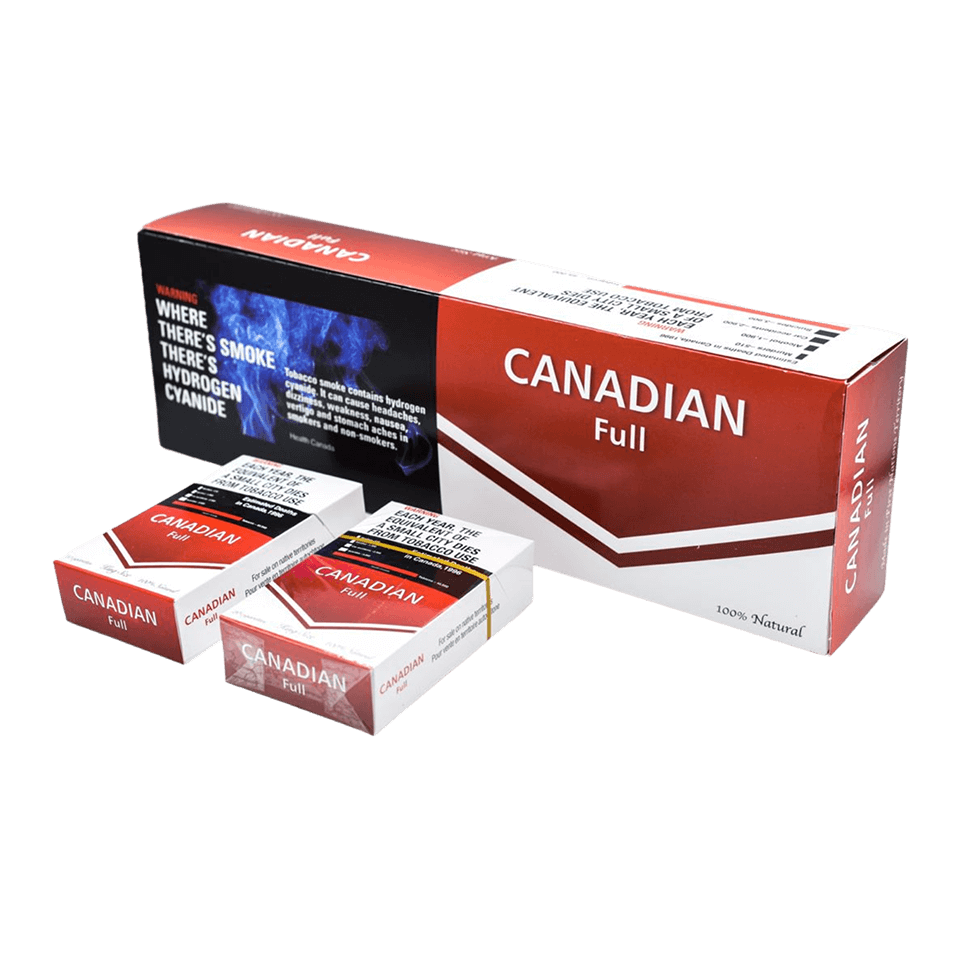
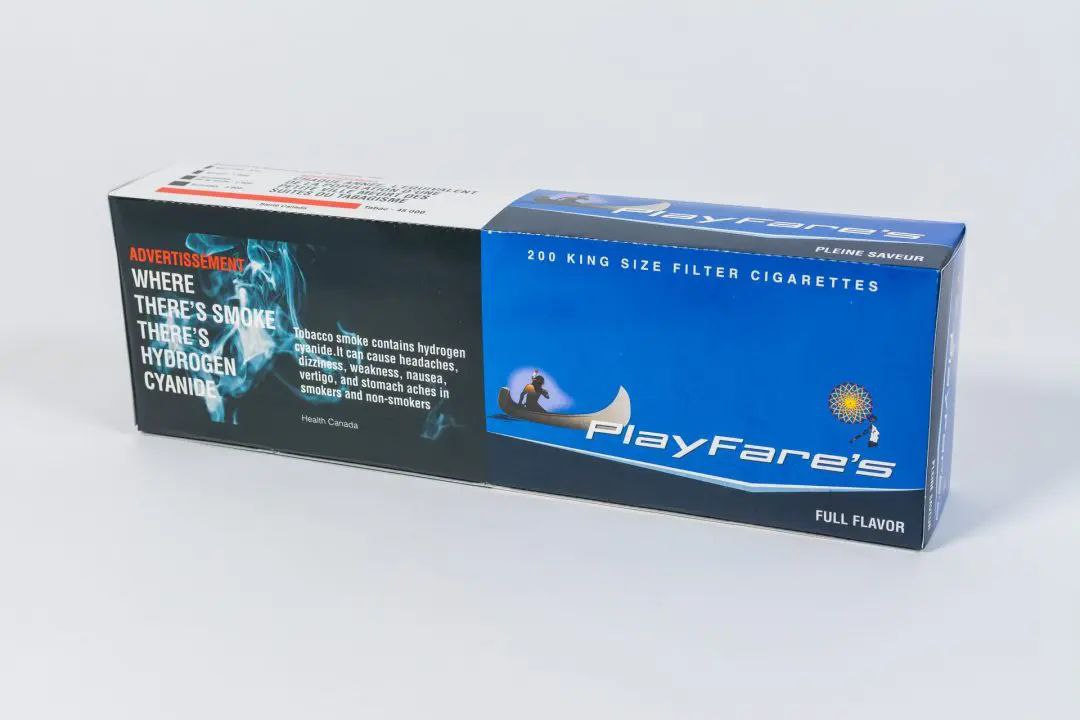
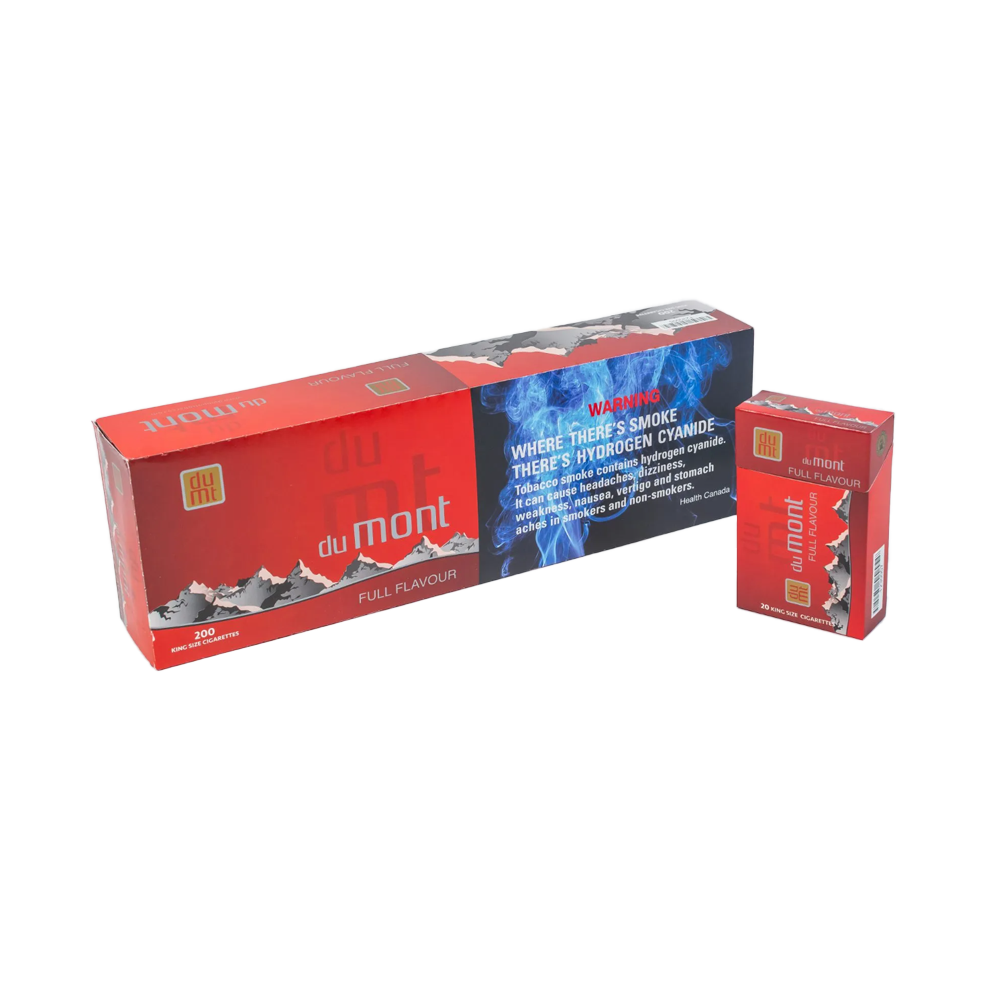
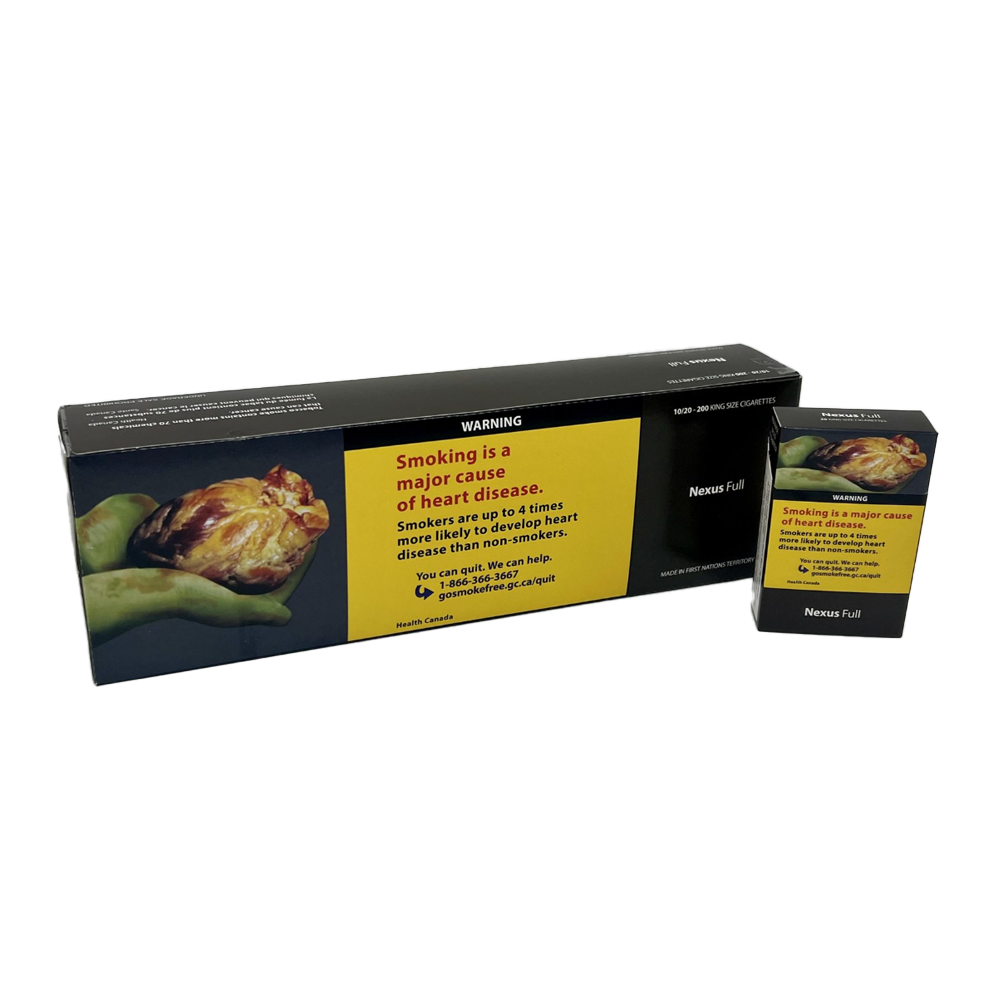
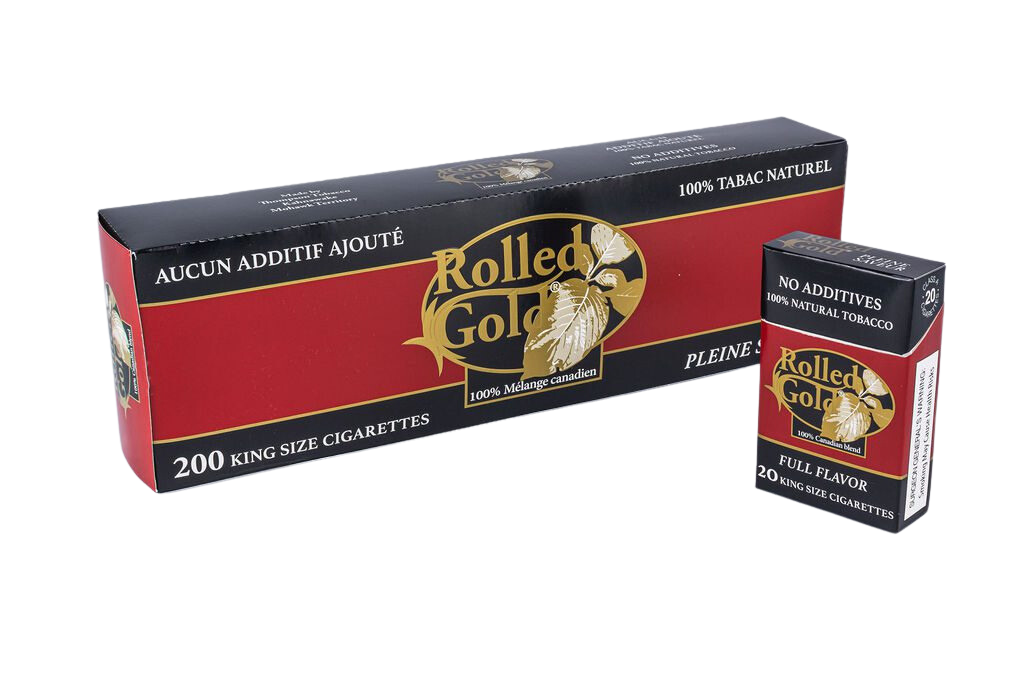
⭐ Excluded: BB light Manitoba, BB full Manitoba, Chanel Blueberry, Chanel ice. See all 29+ native brands at Cigstore.ca.
🚚 Delivery Across Canada – $29 Flat Rate
We ship to every province and territory using Canada Post, Purolator, FedEx, and UPS. Orders over $290 qualify for FREE shipping. Age verification (19+) required upon delivery.
📦 Same-day dispatch for orders before 2 PM EST. Tracking provided within 24 hours.
📚 You Might Also Enjoy These Articles
The “One More Loop”
Why it’s so hard to stop after the first cigarette.
Why Smokers Often Interrupt Their Conversation Partner
How nicotine affects impulsivity.
The Psychology of the Last Cigarette
Why it tastes different.
Why We Smoke When We Drink Coffee or Alcohol
The neuroscience of pairing.
Smoking and Stress: The Neuroscience
Why nicotine feels calming (and why it’s a trap).