
Will There Ever Be a Cigarette with Zero Tar and Zero Nicotine?
Exploring the Science, Technology, and Future of Harm Reduction
🔬🚬 For decades, smokers have dreamed of a “safe cigarette” — one that delivers the ritual, the taste, and the satisfaction without the deadly consequences. The tobacco industry has promised such products repeatedly: “light” cigarettes in the 1970s, “low tar” brands in the 1980s, and now “heat-not-burn” devices in the 2020s. But has science finally caught up with the promise? Will we ever have a cigarette with zero tar and zero nicotine? The answer is complex, surprising, and lies at the intersection of plant genetics, aerosol chemistry, and regulatory politics.
📜 The Historical Context: Why We Should Be Skeptical
In the 1970s and 80s, the industry marketed “low tar” and “light” cigarettes as safer.
Internal documents revealed they knew these products were just as dangerous.
“The use of descriptors like ‘lights’ is perhaps the most disgraceful consumer confidence trick of all time.” — Action on Smoking and Health [citation:1].
Before asking whether a zero-tar, zero-nicotine cigarette is possible, we must understand the industry’s history of deception. In the 1970s, as evidence linking smoking to cancer mounted, tobacco companies created “light” and “low tar” brands to reassure worried smokers [citation:1].
- 📊 Philip Morris spent $45 million launching Merit (1976): The “low tar” brand was a massive marketing success, but internal documents show the company knew the health claims were misleading [citation:1].
- 🔬 The machine-measured deception: “Low tar” cigarettes were tested on machines that smoked them in a standardized way — but humans don’t smoke like machines. Smokers compensated by inhaling deeper, smoking more, or blocking ventilation holes [citation:1].
- 📄 An industry document candidly admitted: “This generation of products, or the next, could easily … deliver no tar or nicotine when smoked by the FTC method, and yet when smoked by humans essentially be unfiltered cigarettes” [citation:1].
- 📉 Light cigarettes were not safer: The WHO and FDA have concluded that “light” cigarettes are no less harmful than regular cigarettes. Smokers who switch to “lights” are 46% less likely to quit, as they believe their health risk has been reduced [citation:10].
📖 Key lesson: Any claim of a “safer” cigarette must be viewed with skepticism. The industry has promised safety before — and delivered only more addiction.
🔥 Can Tar Be Eliminated? The Chemistry of Combustion
⚠️ The Fundamental Problem: Tar is a Product of Combustion
Tar is not an additive — it is created when organic material (tobacco) burns. Any burning cigarette will produce tar. The only way to eliminate tar is to eliminate combustion entirely.
Tar is a complex mixture of thousands of chemicals produced when tobacco burns at temperatures of 600-900°C. It is black, viscous, and contains numerous carcinogens, including polycyclic aromatic hydrocarbons (PAHs) and tobacco-specific nitrosamines (TSNAs) [citation:10].
- 🔥 Combustion is the enemy: As long as tobacco is burned, tar will be produced. There is no such thing as a “zero-tar” combustible cigarette — the physics of combustion makes it impossible.
- 🔬 “Low tar” means nothing: Machine-measured tar levels do not reflect human exposure. Smokers of “low tar” cigarettes compensate by smoking more aggressively, extracting the same amount of tar as regular smokers [citation:10].
- 📉 Heat-not-burn reduces tar: Devices like IQOS heat tobacco to ~350°C instead of burning it, which significantly reduces (but does not eliminate) harmful chemicals. Philip Morris International claims 95% reduction in harmful chemicals, though independent verification is ongoing [citation:6][citation:7].
📖 Conclusion: A zero-tar combustible cigarette is physically impossible. The only way to reduce tar is to avoid combustion entirely — through heat-not-burn devices or e-cigarettes.
🧬 Can Nicotine Be Eliminated? The Genetic Solution
Scientists developed a nicotine-free, nontransgenic tobacco plant.
This enables the production of non-addictive cured tobacco [citation:2].
While tar elimination is a combustion problem, nicotine elimination is a genetics problem. Nicotine is a natural alkaloid produced by the tobacco plant — it’s there whether you want it or not. However, science has found a way to remove it.
- 🧬 The 2019 breakthrough: Researchers developed the first nicotine-free, nontransgenic tobacco plant. This means they can produce cured tobacco with zero nicotine content without genetic modification (transgenic methods) [citation:2].
- 📊 What the technology does: “First technology that eliminates the nicotine content while all other metabolites are not affected” — meaning the tobacco looks, smells, and tastes similar to regular tobacco, but contains no nicotine [citation:2].
- 🔄 Why it matters: Nicotine-free tobacco products could help people overcome nicotine addiction while preserving the ritual of smoking. However, they would still produce tar and other carcinogens when burned.
- ⚠️ The catch: A nicotine-free cigarette that is still burned produces tar and carcinogens — it would address addiction but not cancer risk. For a truly “safe” product, you need both zero tar (no combustion) and zero nicotine (genetic engineering).
💡 Theoretically Possible:
A combustible cigarette made from nicotine-free tobacco: Would eliminate nicotine addiction but still produce tar and carcinogens. This product would be non-addictive but still deadly — a hard sell to both consumers and regulators.
🧪 The Synthetic Nicotine Loophole: Tobacco-Free but Still Addictive
In the last five years, the tobacco industry has increased its reliance on laboratory-synthesized nicotine and its chemical analogues. These substances have become as cost-efficient as nicotine derived from tobacco leaves [citation:4].
- 🔬 What is synthetic nicotine? Nicotine created in a laboratory, not extracted from tobacco plants. It is chemically identical to natural nicotine — it targets the same brain receptors and is equally addictive.
- 🚫 The “tobacco-free” marketing trick: Some companies market products as “tobacco-free” because they use synthetic nicotine, implying they are somehow cleaner or less harmful. This is misleading — synthetic nicotine is still addictive and, when aerosolized, still produces harmful byproducts.
- ⚠️ WHO warning (2026): The World Health Organization warns that the industry is moving towards “a new generation of products that may contain little or no tobacco-derived nicotine, while still targeting the same brain receptors responsible for nicotine dependence” [citation:4].
- 📊 Nicotine analogues: Even more concerning are nicotine analogues — chemical compounds that mimic nicotine’s effects but are not technically nicotine. These are being marketed as “zero nicotine” even though they have strong dependence potential [citation:4].
📖 WHO’s warning: “Children and adolescents are particularly vulnerable to nicotine addiction. Since the brain continues to develop until the mid-20s, nicotine exposure during this period can alter neural pathways linked to attention, learning and impulse control” [citation:4].
🔥 The Heat-Not-Burn Alternative: IQOS and Similar Devices
Heats tobacco to ~350°C instead of burning it (combustion = 600-900°C).
Produces on average 98% less carbon monoxide and 95% fewer harmful chemicals [citation:6].
Does NOT produce tar because there is no combustion [citation:6].
Heated tobacco products (HTPs) like IQOS represent a genuine technological advance. Instead of burning tobacco, they heat it to a temperature that releases nicotine and flavor without combustion [citation:6].
- 🔬 How it works: IQOS uses a heating blade inserted into a tobacco stick (e.g., TEREA). The tobacco is heated, not burned, producing a vapor rather than smoke [citation:6].
- 📉 Reduced harmful chemicals: Independent studies confirm that heated tobacco products produce significantly lower levels of harmful chemicals than combustible cigarettes. However, they are not risk-free — they still deliver nicotine and contain other harmful compounds [citation:6][citation:7].
- ⚠️ The IQOS disclaimer: “IQOS is not risk free, and provides nicotine which is addictive.” Even heat-not-burn products carry health risks [citation:6].
- 🌍 Regulatory status: Some countries regulate HTPs as tobacco products; others have banned them entirely. The evidence on their effectiveness for smoking cessation is still emerging [citation:7].
💡 The closest we have to a “zero-tar” product:
Heat-not-burn devices produce no tar because there is no combustion. They still contain nicotine and other potentially harmful chemicals, but at significantly lower levels than combustible cigarettes. They are not “safe” — but they are less harmful.
💊 Oral Nicotine Pouches: No Combustion, No Tobacco Leaf
Oral nicotine pouches (ONP) like Zyn, Velo, and Nordic Spirit represent an even more radical departure from traditional cigarettes. They contain no tobacco leaf — only nicotine, plant fibers, flavorings, and sweeteners [citation:3][citation:8].
- 📊 How they work: The pouch is placed between the gum and lip. Nicotine is absorbed through the oral mucosa — no inhalation, no combustion, no tar.
- 📉 Reduced exposure: A 2025 Cochrane review found that people using ONP had lower levels of NNAL (a tobacco-specific carcinogen) and carboxyhemoglobin compared to those who continued smoking [citation:8].
- ⚠️ Not risk-free: Limited short-term data did not identify serious health harms, but the evidence is very uncertain due to small study sizes and short follow-up periods [citation:8].
- 🔄 Effectiveness for quitting: The evidence is very uncertain. One small study found that people using ONP may be slightly less likely to quit smoking than those using e-cigarettes [citation:8].
📖 Cochrane conclusion (2025): “There is limited evidence on the use of ONP for cessation or reduction of cigarette use… Limited, short-term data did not identify any serious health harms from ONP” [citation:8].
⚠️ The New Frontier: Nicotine as a “Wellness” Product
Nicotine products are increasingly being marketed as tools for focus, productivity, and wellbeing — not as alternatives to smoking [citation:9].
There is a troubling new trend in nicotine marketing: positioning nicotine as a cognitive enhancer or “wellness” product. This narrative is particularly dangerous for young people who never smoked [citation:9].
- 🧠 Nicotine as a nootropic: Some companies market nicotine pouches and lozenges as “focus aids” or “productivity tools” — completely detached from smoking cessation [citation:9].
- 🎯 Youth targeting: Bright packaging, fruit flavours, influencer promotion, and discreet product designs are “mechanisms designed to normalize nicotine use and accelerate addiction among younger generations” [citation:4].
- 📊 Dual use concerns: In low- and middle-income countries, nicotine pouches are not replacing cigarettes — they are adding to existing patterns of nicotine use [citation:9].
- ⚖️ Regulatory gaps: Many countries’ tobacco laws were not designed to address synthetic nicotine, nicotine analogues, or hybrid products that blur the boundaries between pharmaceutical, recreational, and tobacco categories [citation:4].
🔮 The Future: What a “Zero Tar, Zero Nicotine” Product Would Actually Look Like
Based on current science and technology, a truly “zero tar, zero nicotine” product would likely be:
- 1. A heat-not-burn device (no combustion = no tar). Combustible cigarettes will never be zero-tar — combustion creates tar as a physical necessity.
- 2. Using nicotine-free tobacco (genetically engineered or nicotine-extracted). The 2019 breakthrough allows for tobacco with no nicotine content [citation:2].
- 3. An oral nicotine pouch (no tobacco leaf, no combustion). Products like Zyn contain no tobacco leaf but still deliver nicotine — they could use synthetic or no nicotine [citation:8].
- 4. An electronic cigarette with nicotine-free e-liquid. E-cigarettes produce aerosol, not smoke — no tar. Zero-nicotine e-liquids exist today.
✅ What exists today:
- Zero-nicotine e-liquids: Available now. They contain propylene glycol, vegetable glycerin, and flavourings — no nicotine, no tar. However, the long-term health effects of inhaling these chemicals are still unknown.
- Zero-nicotine oral pouches: Available now. Some brands offer nicotine-free versions. They provide the oral fixation ritual without addiction.
- Heat-not-burn devices with nicotine-free tobacco: Technically possible but not commercially available. The combination of nicotine-free tobacco + heat-not-burn would be the closest to a “safe cigarette” science can offer.
📦 Native Cigarettes: The Affordable Option (Not a Safer One)
While scientists work on zero-tar technologies, native cigarettes (Playfare, Canadian, DuMont, Nexus, Rolled Gold) offer an affordable alternative to overpriced commercial brands. A carton costs $29-50 — compared to $140-180 for commercial brands — a savings of 70-80%.
- 💰 Cost savings: A pack-a-day smoker saves $5,000-7,000 per year by switching to native cigarettes.
- ⚠️ Not “healthier”: Native cigarettes are still combustible cigarettes. They produce tar, carbon monoxide, and carcinogens — just like commercial brands.
- 📦 Online delivery: Cigstore.ca ships to every province and territory with $29 flat shipping (free over $290).
- 📜 The bottom line: If you want to reduce harm, consider heat-not-burn devices, e-cigarettes, or nicotine pouches. But if you continue to smoke, native cigarettes are the most affordable option.
🔥 Top 5 Native Cigarettes for Canadian Smokers
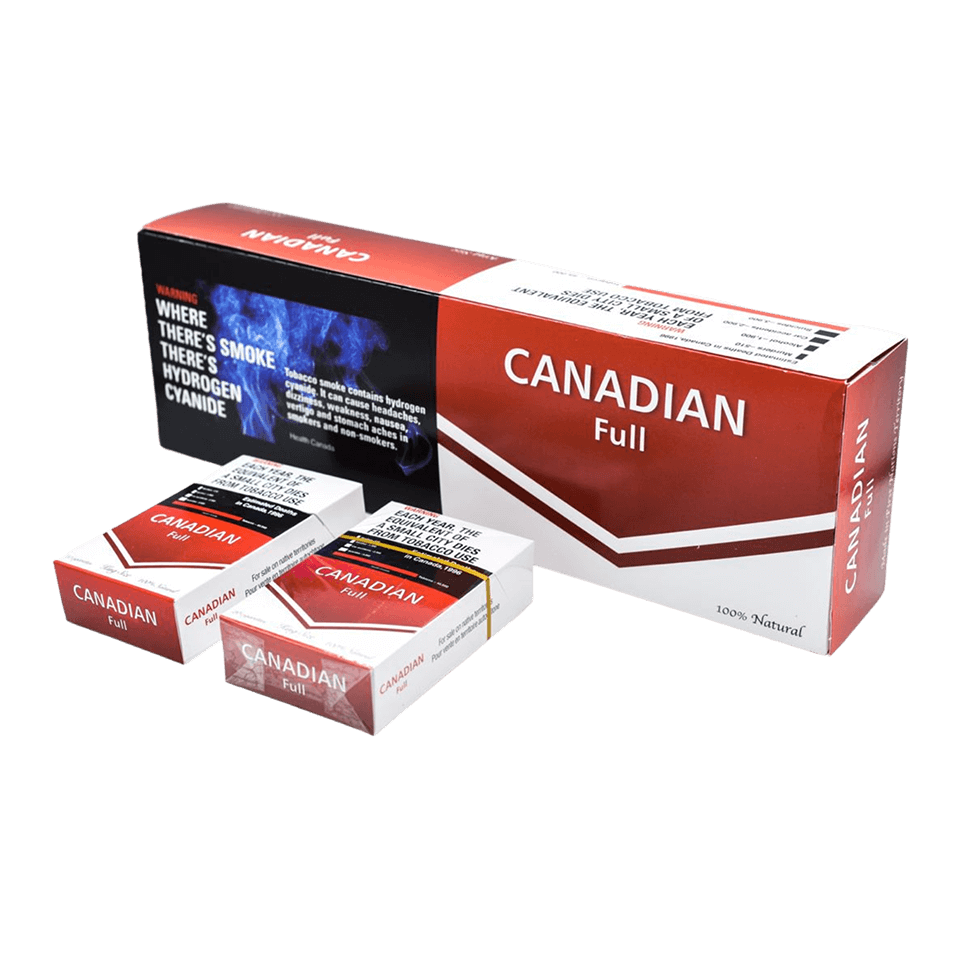
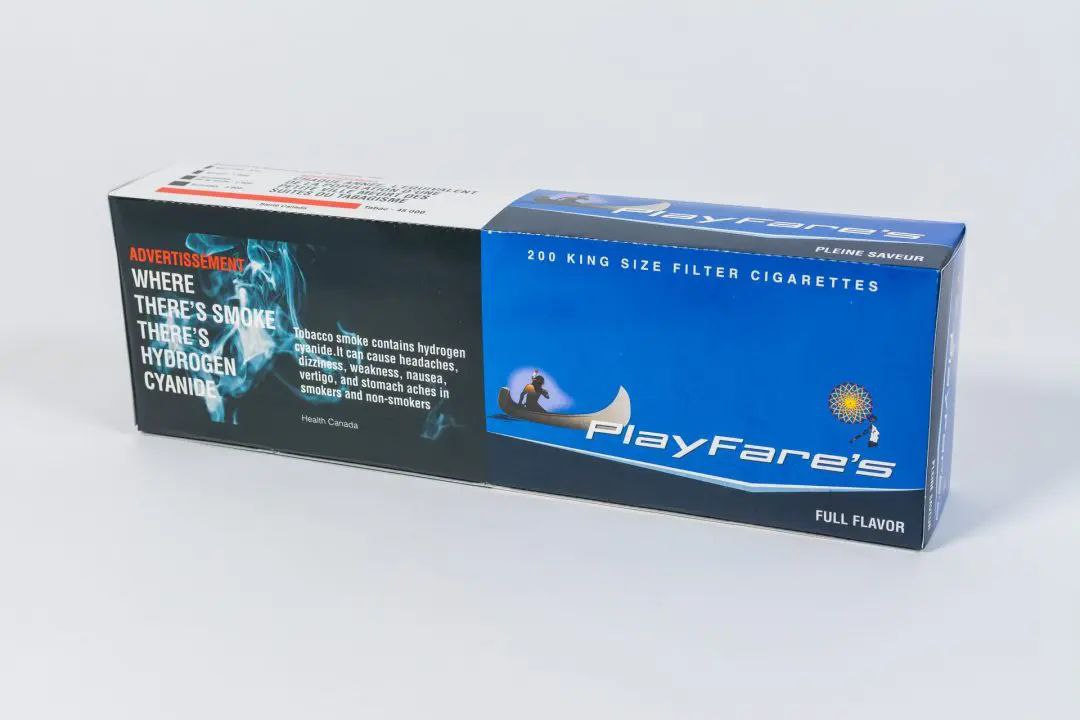
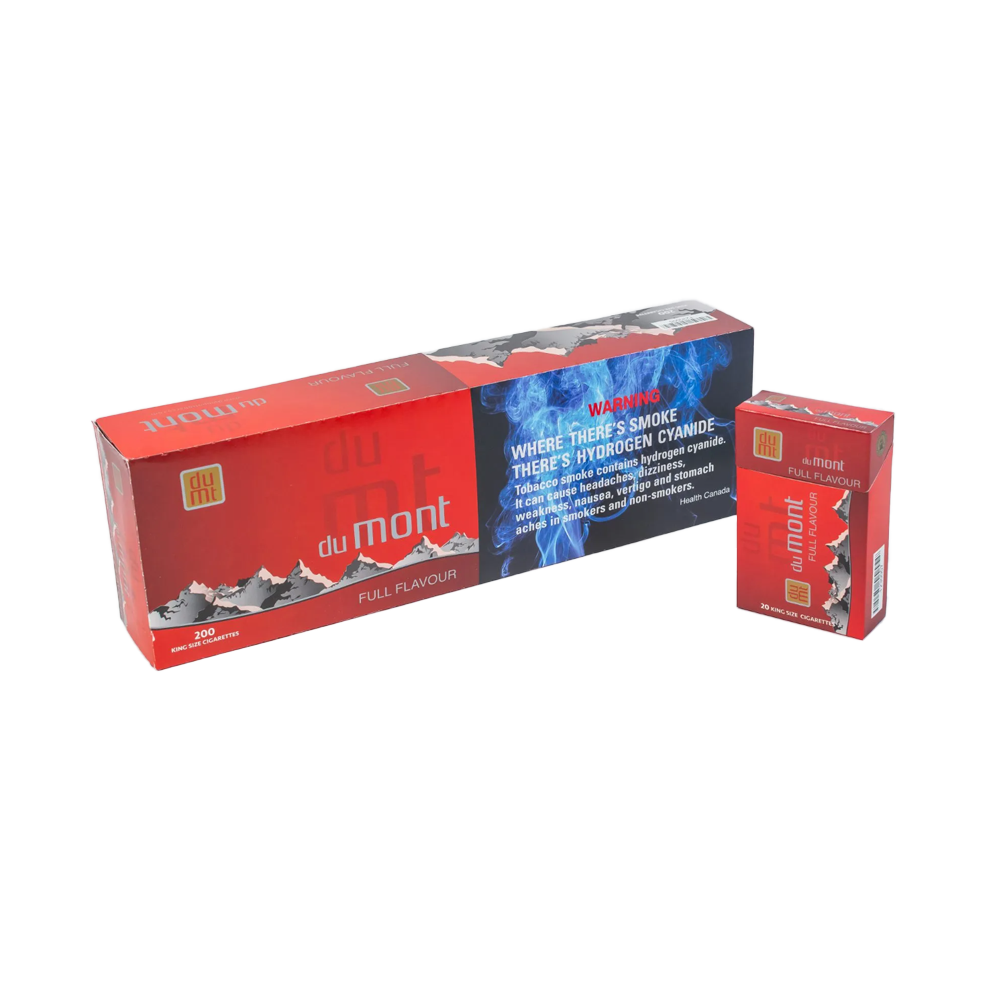
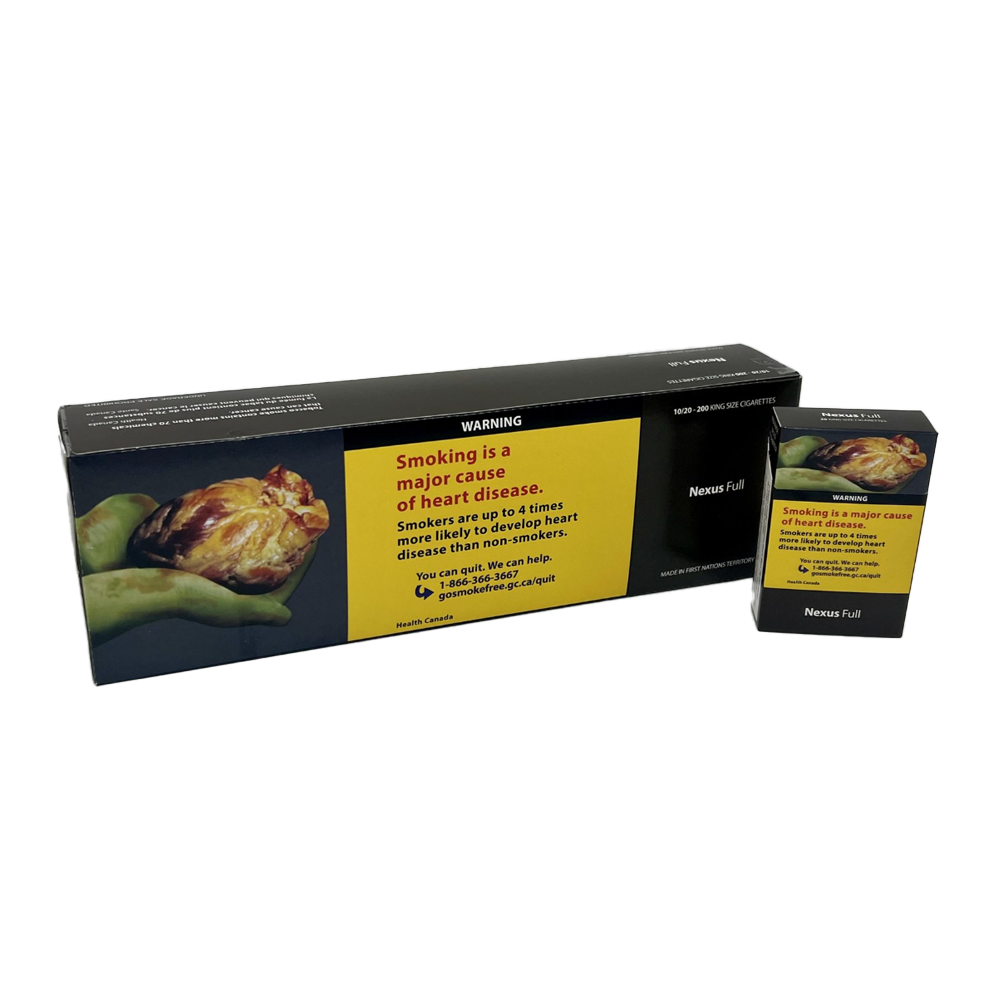
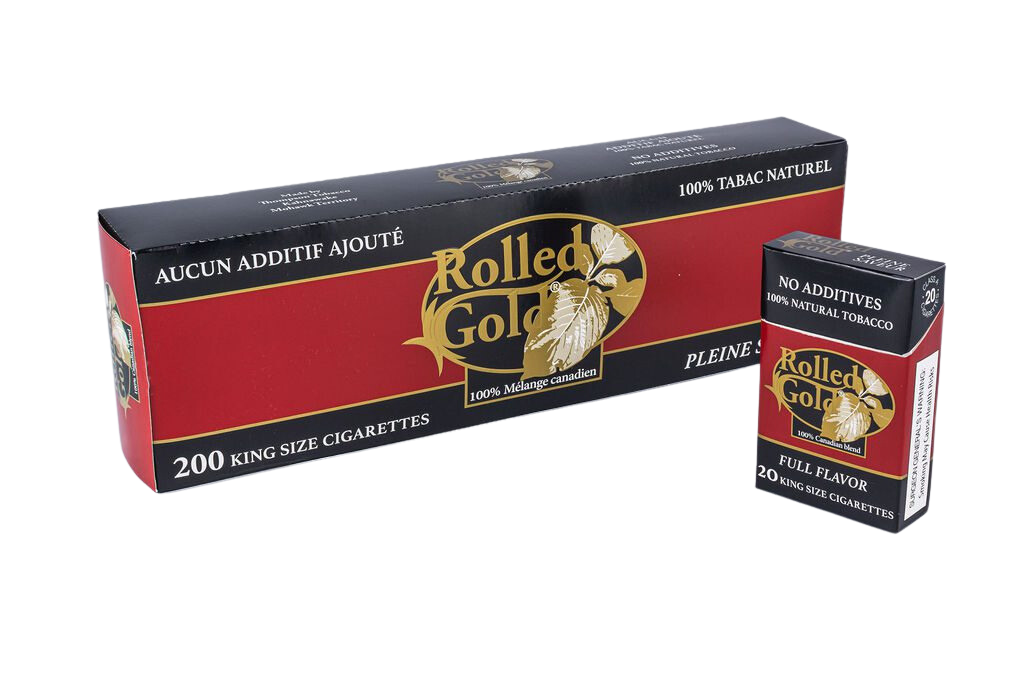
⭐ Excluded: BB light Manitoba, BB full Manitoba, Chanel Blueberry, Chanel ice. See all 29+ native brands at Cigstore.ca.
🚚 Delivery Across Canada – $29 Flat Rate
We ship to every province and territory using Canada Post, Purolator, FedEx, and UPS. Orders over $290 qualify for FREE shipping. Age verification (19+) required upon delivery.
📦 Same-day dispatch for orders before 2 PM EST. Tracking provided within 24 hours.
📚 You Might Also Enjoy These Articles
Why Light Cigarettes Became Popular in the 1970s
The marketing of a mirage.
When Did Filterless Cigarettes Start Disappearing?
The decline of the plain cigarette.
The Future of Vaping and Native Cigarette Regulation
What’s next for Canadian tobacco?
Why Cigarettes Are Expensive
Complete federal & provincial tax breakdown.
How the Discovery of Nicotine Addiction Changed Science
The 1988 Surgeon General’s report.