
How Smoking Is Connected to Attention Deficit Hyperactivity Disorder (ADHD)
Self-Medication, Dopamine, and the Complex Link Between Nicotine and Attention
🧠🚬 People with Attention Deficit Hyperactivity Disorder (ADHD) smoke at rates far higher than the general population — approximately 40% of adults with ADHD smoke, compared to about 20% of adults without ADHD [citation:6]. They also have greater difficulty quitting, with success rates as low as 29% compared to 48.5% in the general smoking population [citation:6]. Why is this connection so strong? This article explores the neurobiological links between ADHD and nicotine, the self-medication hypothesis, the role of monoamine oxidase inhibitors (MAOIs) in cigarette smoke, and practical strategies for those with ADHD who want to quit.
📊 The Statistics: ADHD and Smoking Rates
Adults with ADHD smoking rate: ~40% | General population: ~20% [citation:6]
Quit success rate (ADHD): 29% | General population: 48.5% [citation:6]
Adolescents with ADHD are 2.7x more likely to sustain smoking [citation:9]
The data is striking and consistent across multiple studies. People with ADHD are significantly more likely to smoke, to smoke more heavily, and to struggle with quitting. A 2020 study found that among adolescents who had initiated early smoking, those with ADHD were about three times more likely to sustain smoking than those without ADHD (RR: 2.7) [citation:9].
- 📈 Higher initiation: Adolescents with ADHD are more likely to try cigarettes and e-cigarettes at younger ages [citation:9].
- 📉 Lower cessation: Turkish adults with ADHD symptoms had a 2.12x higher failure rate for smoking cessation (OR: 2.12; 95% CI: 1.02–4.40) [citation:9].
- ⚠️ Persistent smoking: Early onset smoking is a mediator for smoking later in life, and ADHD significantly increases the risk of continued smoking [citation:9].
🧠 The Self-Medication Hypothesis: Why People with ADHD Smoke
⚡ The Dopamine Deficit Theory
ADHD is associated with dopamine dysregulation — specifically, reduced dopamine availability in the prefrontal cortex, a region critical for attention, impulse control, and executive function. Nicotine temporarily increases dopamine release, providing short-term relief from ADHD symptoms [citation:1][citation:9].
The "self-medication hypothesis" proposes that individuals with ADHD initiate and continue smoking because nicotine helps alleviate their core symptoms: inattention, impulsivity, and hyperactivity [citation:9].
- 🧬 The dopamine connection: Nicotine acts on nicotinic acetylcholine receptors (nAChRs), triggering dopamine release in the brain's reward pathways [citation:1]. For someone with ADHD, whose dopaminergic system is already dysregulated, this effect is particularly reinforcing.
- 🐭 Animal model evidence: Studies in dopamine transporter knockout (DAT KO) mice — a model for ADHD and schizophrenia — show that both acute and chronic nicotine treatments greatly improved cognitive deficits in cued and spatial learning without tolerance developing [citation:1].
- 🔬 Prefrontal cortex findings: In the Spontaneously Hypertensive Rat (SHR) model of ADHD, chronic nicotine exposure increased prefrontal cortex dopamine levels two-fold compared to controls, suggesting cognitive enhancement as a driver of nicotine use [citation:4].
- 📊 The conclusion: Researchers speculate that "the procognitive effects of nicotine ... shed light on the nicotine self-medication in psychiatric patients and suggest that nicotinic agonists could favorably lead to additional therapy of psychiatric diseases" [citation:1].
📖 Key finding: "We speculate that the procognitive effects of nicotine in DAT KO mice are related to the upregulation of α7 nicotinic receptors in the hippocampus, amygdala, and prelimbic cortex, all areas involved in cognition" [citation:1].
🔥 Beyond Nicotine: The MAOI Factor
⚡ Cigarette Smoke Contains Natural MAO Inhibitors
Nicotine is not the only psychoactive compound in cigarette smoke. Tobacco smoke contains monoamine oxidase inhibitors (MAOIs) — compounds that increase dopamine availability by blocking its breakdown. This may be even more relevant to ADHD than nicotine itself [citation:9].
Recent research suggests that focusing solely on nicotine may be "restrictive and may be contributing to mixed evidence of the self-medication hypothesis" [citation:9]. Cigarette smoke contains MAO-A and MAO-B inhibitory compounds that are not present in nicotine replacement products [citation:9].
- 🧪 The critical difference: "A differential effect of nicotine versus tobacco extract on dopaminergic systems was found ... in which dopamine increases were identified following tobacco delivery but not nicotine" [citation:9].
- 🔬 MAO inhibition in smokers: MAO-B is significantly inhibited in the brains of smokers, increasing dopamine availability — an effect not reproduced by nicotine alone [citation:9].
- 💊 Therapeutic potential: MAO inhibitors like selegiline have been shown to have similar effectiveness for ADHD as methylphenidate (Ritalin) [citation:9].
- 🍬 Flavour additives matter: E-cigarette flavour additives may also have MAO-inhibitory activity, potentially explaining why individuals with ADHD may be vulnerable to vaping as well [citation:9].
- 📊 The reinforcing synergy: "MAO inhibitors may increase the reinforcing value of low doses of nicotine," creating a powerful combination that nicotine replacement alone cannot match [citation:9].
📖 Key insight: "The additional properties of tobacco smoking not found in nicotine products is a likely contributing factor to the maintenance of smoking in those with ADHD" [citation:9].
⚠️ Why Quitting Is Harder for People with ADHD
For individuals with ADHD, quitting smoking presents unique challenges beyond typical nicotine withdrawal:
- 😔 Symptom rebound: When nicotine is removed, the underlying ADHD symptoms (inattention, impulsivity, restlessness) return in full force, making the withdrawal period especially difficult [citation:3].
- 💊 Medication interactions: Research suggests that "the reinforcing effect of smoking may be enhanced by stimulant medications" used to treat ADHD [citation:3]. Some ADHD medications may increase the rewarding effects of cigarettes.
- 🧠 The MAOI withdrawal gap: Unlike nicotine replacement therapy (patches, gum), quitting cigarettes removes the MAO-inhibitory compounds that were helping manage ADHD symptoms. This may explain why NRT is less effective for this population [citation:9].
- 📊 Lower success rates: While 48.5% of general smokers successfully quit, only 29% of smokers with ADHD do so [citation:6].
📖 Clinical implication: "The body of evidence indicates that ADHD both predisposes individuals to higher risks of smoking or nicotine dependence, and likewise, higher risks of failure to quit" [citation:9].
🧬 Nicotine and ADHD: The Cognitive Enhancement Paradox
⚡ Nicotine Improves Attention — Temporarily
Studies have shown that transdermal nicotine reduces ADHD symptoms in children, adolescents, and adults [citation:9]. However, side effects have limited therapeutic use, especially in younger populations [citation:9].
Research has consistently demonstrated that nicotine can improve attentional capabilities in individuals with ADHD. The effects are mediated through nicotinic receptors in brain regions involved in cognition, including the hippocampus, amygdala, and prefrontal cortex [citation:1].
- 📈 Procognitive effects: Nicotine has been shown to improve cognitive deficits associated with ADHD in both human and animal studies [citation:1][citation:8].
- 🔄 No tolerance: In animal models, "both acute and chronic nicotine treatments greatly improved their deficits in cued and spatial learning, without eliciting tolerance" [citation:1].
- ⚠️ The paradox: Nicotine is harmful during brain development (prenatal and adolescent exposure) but may have beneficial cognitive effects in adult patient populations [citation:8].
- 📊 ABT-418 research: Wilens et al. (1999) reported that ABT-418, a preferential α4β2 nicotinic receptor agonist, can reduce impulsivity and hyperactivity in adults with ADHD, supporting the therapeutic potential of nicotinic agents [citation:1].
👶 Prenatal Smoking and ADHD Risk in Children
When accounting for genetic and familial confounders, there is no causal relationship between maternal smoking during pregnancy and ADHD in offspring [citation:10].
While early meta-analyses suggested a link between maternal smoking and ADHD [citation:5], more rigorous genetically sensitive studies have challenged this conclusion. A 2021 systematic review by Haan et al. found that "studies which accounted for genetic effects indicate that the association between smoking and ADHD is unlikely to be causal" [citation:10].
- 🔬 Confounding factors: The association between maternal smoking and ADHD appears to be explained by genetic and familial factors (e.g., parental ADHD, socioeconomic status) rather than a direct causal effect of nicotine on fetal brain development [citation:10].
- 📋 A note on paternal smoking: A 2025 meta-analysis found that paternal smoking was associated with a 22% increased risk of ADHD in children, but this association was no longer significant after adjusting for maternal smoking, suggesting confounding rather than causation [citation:2].
- ⚠️ One study was retracted: A 2025 PLoS One meta-analysis claiming a strong causal link was retracted due to "concerns about potential manipulation of the publication process" [citation:7].
- 📉 The bottom line: While smoking during pregnancy is harmful for many reasons, the current evidence does not support a direct causal link to ADHD. The association is likely explained by shared genetic and environmental factors [citation:10].
⚠️ Note on retracted study: A 2025 PLoS One meta-analysis that claimed a significant association between maternal smoking and ADHD (OR=1.71) was retracted due to concerns about "potential manipulation of the publication process" [citation:7].
🛡️ Strategies for Quitting with ADHD
- 🧠 Treat ADHD symptoms first: Ensure your ADHD is optimally managed before attempting to quit. Well-controlled symptoms reduce the need for self-medication.
- 💊 Consider medication interactions: Some ADHD medications (stimulants) may increase the reinforcing effects of cigarettes. Discuss this with your psychiatrist. Non-stimulant options (atomoxetine, guanfacine) may be preferable during cessation.
- 🔬 Use combination NRT: Nicotine replacement therapy (patch + gum/lozenge) is more effective than single-agent therapy. Consider higher doses (e.g., 21mg patch + 4mg gum) — discuss with your doctor.
- ⏱️ Address MAOI withdrawal: Be aware that NRT does not replicate the MAO-inhibitory effects of cigarette smoke. You may experience mood changes or increased ADHD symptoms beyond typical nicotine withdrawal. Monitor and report these to your healthcare provider.
- 🚭 Consider bupropion (Zyban/Wellbutrin): Bupropion is both an antidepressant and a smoking cessation aid. It also has dopaminergic effects and can help with ADHD symptoms — a "two birds, one stone" approach [citation:9].
- 📞 Specialized support: The Smokers' Helpline (1-877-513-5333) can provide ADHD-specific cessation coaching.
- 📱 Track symptoms: Use a quit app (QuitNow, Smoke Free) to monitor both cravings and ADHD symptoms. Awareness helps you distinguish between withdrawal and symptom recurrence.
📦 Native Cigarettes: The Affordable Option (Not a Treatment)
Native cigarettes (Playfare, Canadian, DuMont, Nexus, Rolled Gold) cost $29-50 per carton — compared to $140-180 for commercial brands — a savings of 70-80%. However, they are not a treatment for ADHD. They contain the same nicotine and MAO-inhibitory compounds as commercial cigarettes. Switching to native cigarettes will save you money, but it will not address the underlying ADHD symptoms or reduce health risks.
- 💰 Cost savings: A pack-a-day smoker saves $5,000-7,000 per year by switching to native cigarettes.
- 🚫 Not a "healthier" option: Native cigarettes carry the same risks as commercial brands — cancer, heart disease, COPD, and continued ADHD symptom dependence.
- 📦 Online delivery: Cigstore.ca ships to every province and territory with $29 flat shipping (free over $290).
- 🧠 The real solution: If you have ADHD and smoke, the best option is to work with your psychiatrist to optimize ADHD treatment and then quit smoking — not just switch brands.
🇨🇦 Resources for Smokers with ADHD
- 📞 Smokers' Helpline (1-877-513-5333): Free, confidential telephone coaching. Ask about ADHD-specific strategies.
- 🩺 Your psychiatrist: Medication optimization is key. Discuss bupropion (Zyban/Wellbutrin) as a dual-purpose ADHD/smoking cessation medication.
- 💊 Nicotine replacement therapy (NRT): Patches, gum, lozenges — some provincial health plans cover NRT. Consider combination therapy (patch + gum).
- 📱 QuitNow (quitnow.ca): Free app with tracking and community support.
- 📚 CADDAC (Centre for ADHD Awareness Canada): Offers resources and support groups for adults with ADHD.
🔥 Top 5 Native Cigarettes for Canadian Smokers
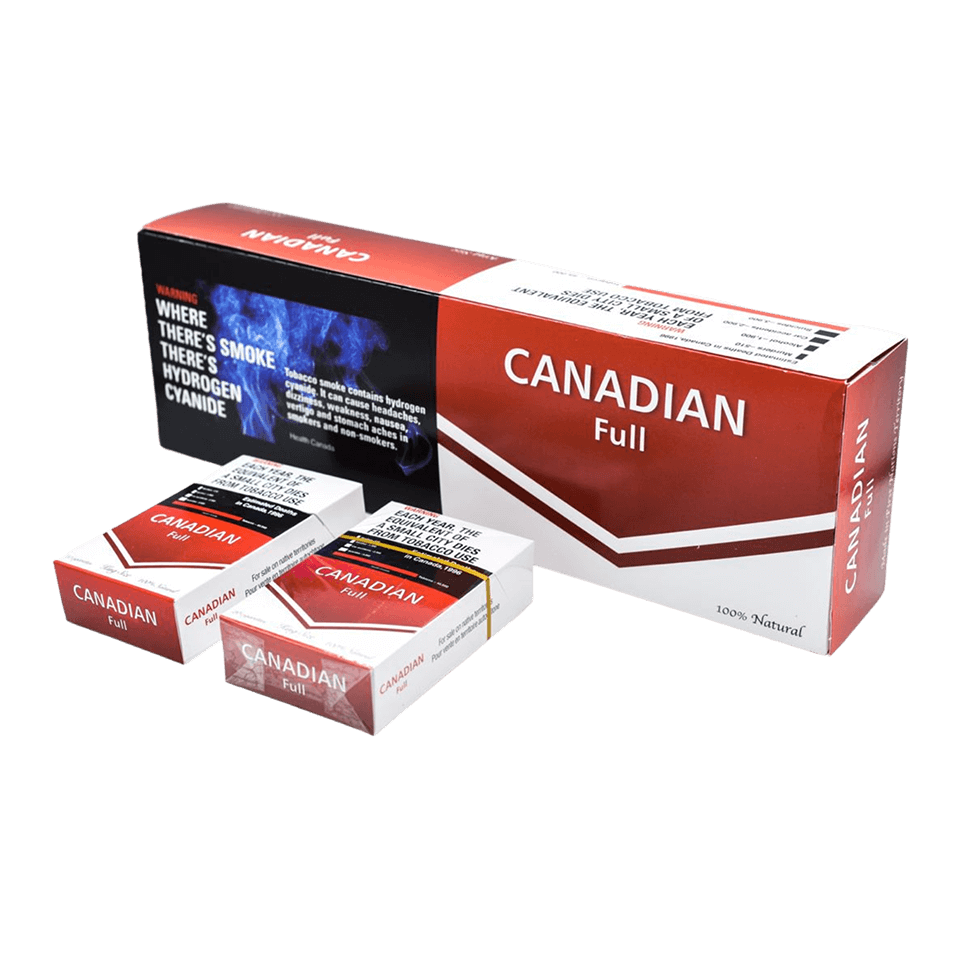

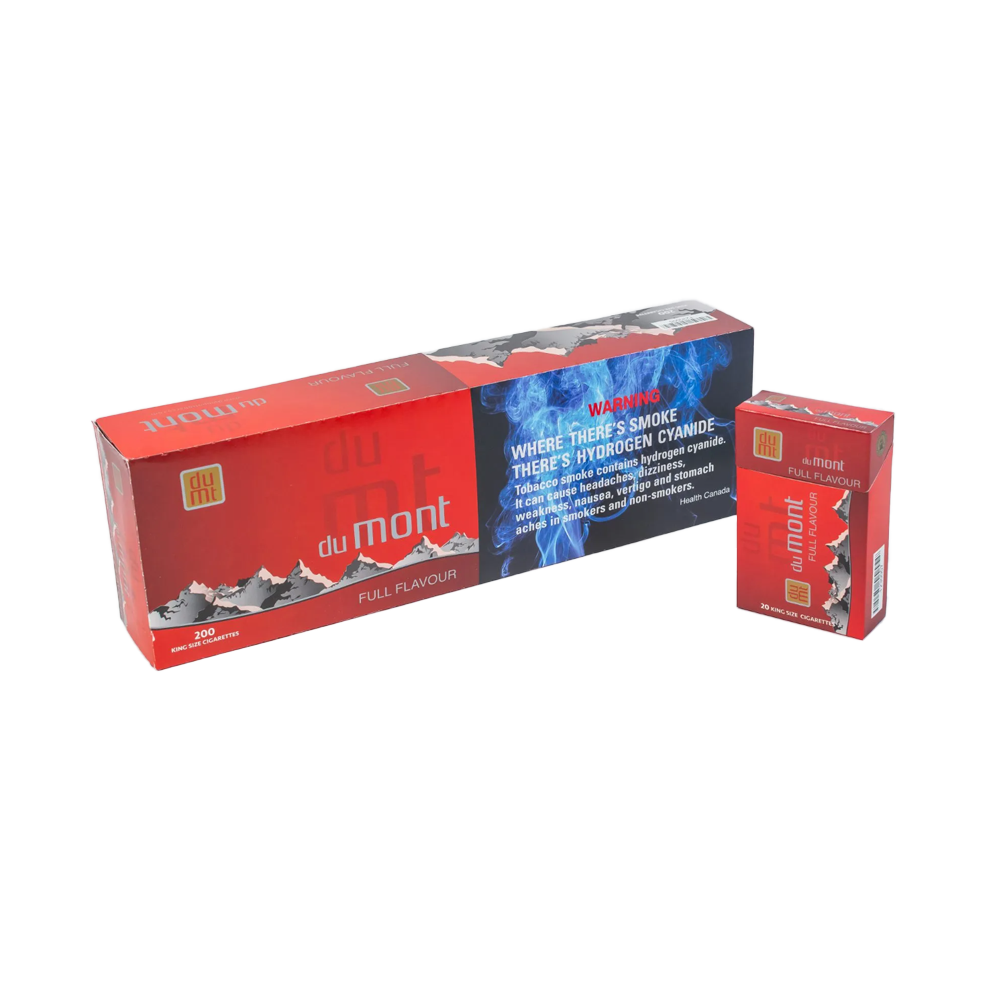

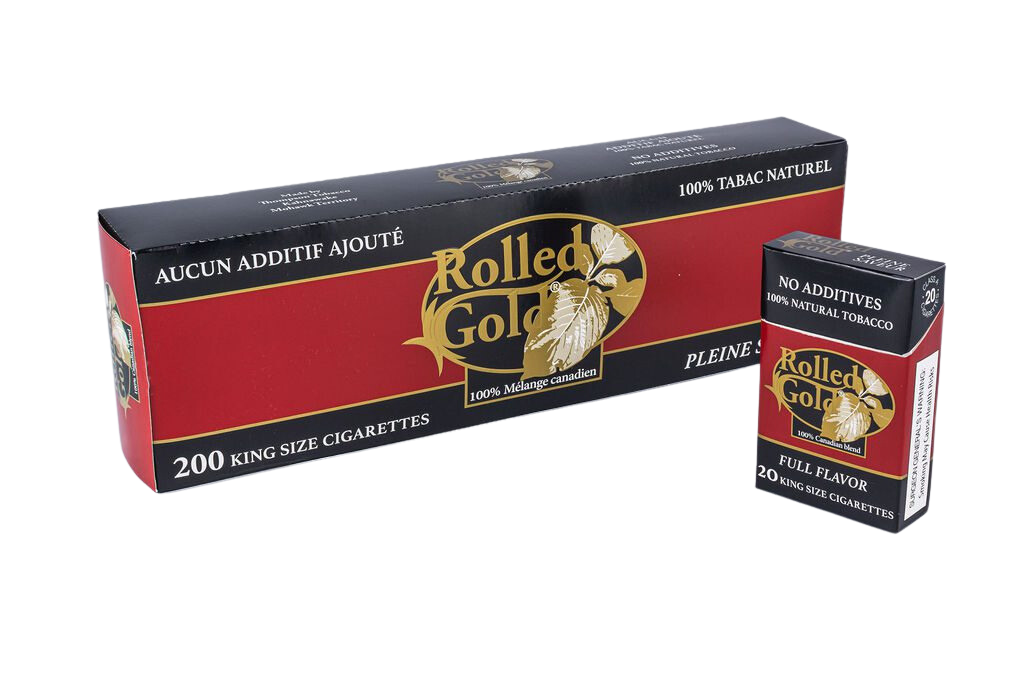
⭐ Excluded: BB light Manitoba, BB full Manitoba, Chanel Blueberry, Chanel ice. See all 29+ native brands at Cigstore.ca.
🚚 Delivery Across Canada – $29 Flat Rate
We ship to every province and territory using Canada Post, Purolator, FedEx, and UPS. Orders over $290 qualify for FREE shipping. Age verification (19+) required upon delivery.
📦 Same-day dispatch for orders before 2 PM EST. Tracking provided within 24 hours.
📚 You Might Also Enjoy These Articles
Why People with Bipolar Disorder Smoke More Often
The science of self-medication.
Smoking and Stress: The Neuroscience
Why nicotine feels calming (and why it's a trap).
How the Discovery of Nicotine Addiction Changed Science
The 1988 Surgeon General's report.
Why Smokers Snore More
Nicotine's link to sleep apnea.
Smoking and Testosterone
Effects on men's health and performance.