
How to Explain What Smoking Is to a Child
By Age: From Toddler Curiosity to Teen Peer Pressure
👨👩👧🚬 Your child asks you, “Mommy, why is that man smoking?” Or your teenager comes home smelling of cigarettes. How you answer depends entirely on their age. A 4-year-old needs a simple, concrete explanation. A 14-year-old needs facts about addiction, peer pressure, and long-term consequences. This guide provides age-appropriate scripts and strategies for talking to children about smoking at every developmental stage — from toddler to teen.
⭐ The Golden Rules for Any Age
- 📖 Stay calm and curious: If your child asks about smoking, don’t react with anger or panic. A calm, curious tone (“What made you ask?”) keeps communication open.
- 🎯 Answer the question they actually asked: A 5-year-old asking “What’s that?” doesn’t need a lecture on lung cancer. Give a simple answer and let them guide follow-up questions.
- 🔄 Be honest about your own smoking: If you smoke, don’t lie. Say, “I started smoking when I was young, and it was a mistake. It’s very hard to stop, and I wish I never started.”
- 👂 Listen more than you talk: Especially with teenagers. Ask open-ended questions: “What do your friends think about smoking?” “Have you ever been offered a cigarette?”
- ✅ Don’t scare them with falsehoods: Stick to facts. Exaggeration (“One cigarette will kill you”) damages your credibility when they inevitably learn the truth.
What they can understand: Very young children think literally. They can understand that smoking is “something grown-ups do” and that it’s “not healthy.” They cannot grasp abstract concepts like addiction or long-term disease.
📖 Sample script:
Child: “Why is that person smoking?”
Parent: “That’s a cigarette. It has something called nicotine inside that makes grown-ups feel a certain way. But it’s not good for your body — it makes your lungs unhappy. That’s why we don’t do it.”
- ✅ Do: Keep it very brief (1-2 sentences). Use concrete language (“makes your lungs unhappy” instead of “causes cancer”). Focus on what children understand: “Grown-ups sometimes do things that aren’t healthy.”
- ❌ Don’t: Lecture. Use scary terms like “death,” “cancer,” or “addiction.” Expect them to remember or internalize the lesson — at this age, repetition is normal.
- 🎯 If you smoke: “Mommy has a habit that’s bad for my body. I’m trying to stop. You should never start because it’s much harder to stop than to never start.”
What they can understand: School-age children can grasp cause and effect. They can understand that smoking “hurts your lungs” and “makes you cough.” They can understand that some things are addictive, though you may not need to use that word yet.
📖 Sample script:
Child: “Why do people smoke if it’s bad for you?”
Parent: “Cigarettes have a chemical called nicotine that tricks your brain into wanting more. People start smoking — often when they’re young — and then their brain starts to think they need it. That’s why it’s so hard to stop. The best thing is to never start.”
- ✅ Do: Use simple analogies: “Nicotine is like a little bully in your brain that makes you think you need a cigarette.” Talk about visible effects (yellow teeth, bad breath, coughing).
- ❌ Don’t: Use graphic images (diseased lungs) — that’s more appropriate for older children. Avoid blame or shame if a family member smokes.
- 🎯 If you smoke: “I started smoking when I was a teenager, and now my brain thinks it needs cigarettes. I wish I had never started. That’s why I don’t want you to ever try it.”
What they can understand: By age 9-12, children can understand abstract concepts like addiction, cancer, heart disease, and long-term consequences. They are also beginning to navigate peer pressure and social dynamics.
📖 Sample script:
Parent: “You’re getting to the age where someone might offer you a cigarette. I want you to be prepared. Cigarettes have nicotine, which is one of the most addictive substances there is. Some people try just one and get hooked. They also have tar, which stains your teeth and fingers, and carbon monoxide, which steals oxygen from your blood. Smoking causes lung cancer, heart disease, and emphysema — and it makes you age faster. But even knowing that, addiction makes it very hard to quit.”
- ✅ Do: Teach specific refusal skills: “No thanks, I don’t smoke.” “I’ve seen what it does to people.” Role-play scenarios where a friend offers a cigarette. Show them the financial cost ($6,000/year for a pack-a-day smoker — “that’s a family vacation”).
- ❌ Don’t: Assume they’re too young to be offered cigarettes. By age 12, some children have already tried smoking. Don’t lecture — have a conversation.
- 🎯 Use visuals: Age-appropriate videos or diagrams of healthy vs. smoker’s lungs. (Avoid overly graphic images.)
What they can understand: Teens understand addiction, health consequences, and social dynamics. But they are also navigating identity formation, peer pressure, and a desire for autonomy. Lectures will backfire.
📖 Sample script approach:
Parent: “I want to talk about smoking — not because I don’t trust you, but because I love you. Do you know anyone at school who smokes? What do you think about it?”
Then listen. Ask: “Have you ever been offered a cigarette? How did you handle it?”
Share facts: “One in four smokers will die early from smoking. The average smoker spends $6,000 a year — that’s a car payment or a down payment on an apartment.”
Be honest: “Addiction can happen faster than you think. Some people try just one and are hooked.”
- ✅ Do: Listen more than you talk. Ask open-ended questions. Respect their autonomy (“I can’t control what you do, but I can give you the facts”). Offer to help if they’ve already tried smoking — without punishment. Share resources (Smokers’ Helpline: 1-877-513-5333).
- ❌ Don’t: Lecture, shame, or threaten. If you catch them smoking, don’t overreact — that drives secrecy. Don’t say “I told you so.”
- 🎯 If you smoke: “I know it’s hypocritical for me to tell you not to smoke. But I started when I was your age, and it was the worst decision I ever made. I’ve tried to quit 10 times. I don’t want that for you.”
🚬 What If You’re a Smoker? How to Handle Your Own Habit
Parents who smoke face a dilemma: how can you tell your child not to smoke when you do it yourself? The key is honesty and modeling the struggle, not perfection.
- ✅ Be honest about addiction: “I started smoking when I was young, and now my brain is addicted. I wish I had never started. It’s very hard to quit — I’ve tried many times.”
- ✅ Model quitting attempts: Children learn from watching you try, fail, and try again. “I’m going to try to quit again. Will you support me?”
- ✅ Never smoke inside or near your children: Secondhand and thirdhand smoke harm children. Smoke outside, away from doors and windows, and wash your hands before touching them.
- ✅ Apologize when appropriate: “I’m sorry that I smoke. I know it’s a bad example. I’m working on quitting.”
- ❌ Don’t lie: Saying “I don’t smoke” when your child has seen you is worse than admitting the truth.
🆘 What to Do If Your Teen Is Already Smoking
Discovering that your teenager has been smoking is frightening. Reacting with anger and punishment often drives the behavior underground. A measured, compassionate response is more effective.
- 📅 Wait to talk: Don’t confront them in the heat of discovery. Give yourself time to calm down.
- 🧠 Start with curiosity: “I noticed you’ve been smoking. Can we talk about what’s going on? I’m not here to punish you — I want to understand.”
- 📊 Share facts, not lectures: “Do you know how much a pack-a-day smoker spends in a year? About $6,000. Do you know how hard it is to quit? Most people try 8-10 times before succeeding.”
- 💰 Offer help, not punishment: “If you want to quit, I’ll help you. We can call the Smokers’ Helpline together. I’ll pay for nicotine patches. No judgment.”
- 🎯 Set consequences for specific behaviors (not punishment for smoking): “I won’t punish you for smoking, but there will be consequences if you smoke inside the house or in my car. Those are my rules.”
- 🔄 Monitor without snooping: Ask open-ended questions, but avoid checking their phone or backpack without cause — that breaks trust.
📖 Remember: Most teens who smoke want to quit. A 2019 study found that 60% of teen smokers had tried to quit and failed. Your teen may be relieved that you know and want to help.
🛡️ Prevention Strategies That Work (All Ages)
- 📖 Start early, talk often: The “big talk” is less effective than many small, age-appropriate conversations over years.
- 📊 Use teachable moments: See someone smoking on the street? Use it as a conversation starter: “Why do you think people smoke even though it’s bad for them?”
- 💪 Teach refusal skills: Practice with role-play. “What would you say if a friend offered you a cigarette at a party?” Help them develop specific phrases: “No thanks, I don’t smoke.” “I’ve seen what it does to my uncle. No way.”
- 👥 Know their friends: Peer influence is the strongest predictor of teen smoking. Get to know their friends and their friends’ parents.
- 🚭 Make your home smoke-free: Even if you smoke, don’t allow guests to smoke inside. Create clear rules.
- 📚 Educate about vaping too: Many teens who vape switch to cigarettes. Discuss both.
- 🎯 Address the underlying reasons: Teens often smoke to manage stress, anxiety, or social pressure. Address those root causes.
📦 A Note on Native Cigarettes: Not Relevant for Children
Native cigarettes (Playfare, Canadian, DuMont, Nexus, Rolled Gold) are adult products. Never discuss these brands with children in a way that normalizes or glamorizes smoking. If your child asks about different cigarette brands, the answer is simple: “All cigarettes are bad for you. Some are cheaper than others, but none are safe.”
- 💰 Cost savings for adults: A pack-a-day adult smoker saves $5,000-7,000 per year by switching to native cigarettes.
- 🚫 Not for kids: Native cigarettes are not a “safer” option. They contain the same nicotine, tar, and carcinogens.
- 📦 Online delivery: Cigstore.ca ships to every province and territory with $29 flat shipping (free over $290).
- 👨👩👧 For parents: If you smoke, keep your native cigarette cartons locked away, out of children’s reach.
🇨🇦 Resources for Families
- 📞 Smokers’ Helpline (1-877-513-5333): Free, confidential support for smokers who want to quit — modeling quitting for your children is powerful.
- 📱 QuitNow (quitnow.ca): Free app for teens and adults who want to quit. Has a youth section.
- 🩺 Talk to your pediatrician: Your child’s doctor can provide age-appropriate information about smoking and health.
- 🏫 School resources: Many schools have smoking prevention programs. Ask your child’s teacher or counsellor.
- 📚 Health Canada – Tobacco Use Prevention: Free printable resources for parents and teachers.
🔥 Top 5 Native Cigarettes for Adult Smokers

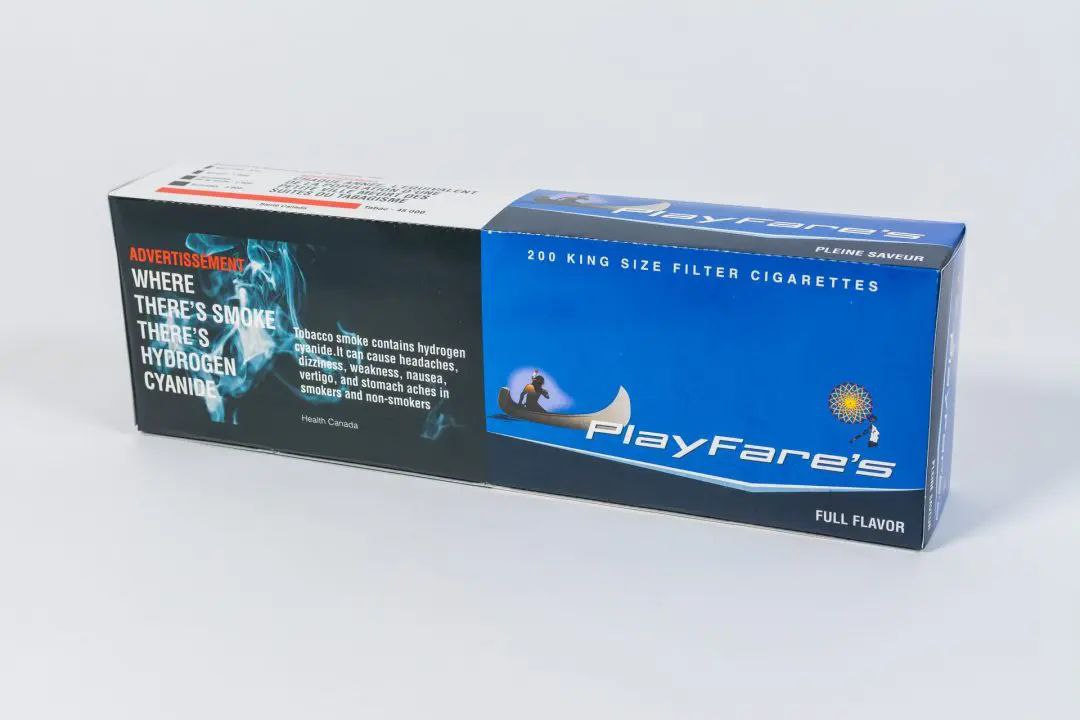


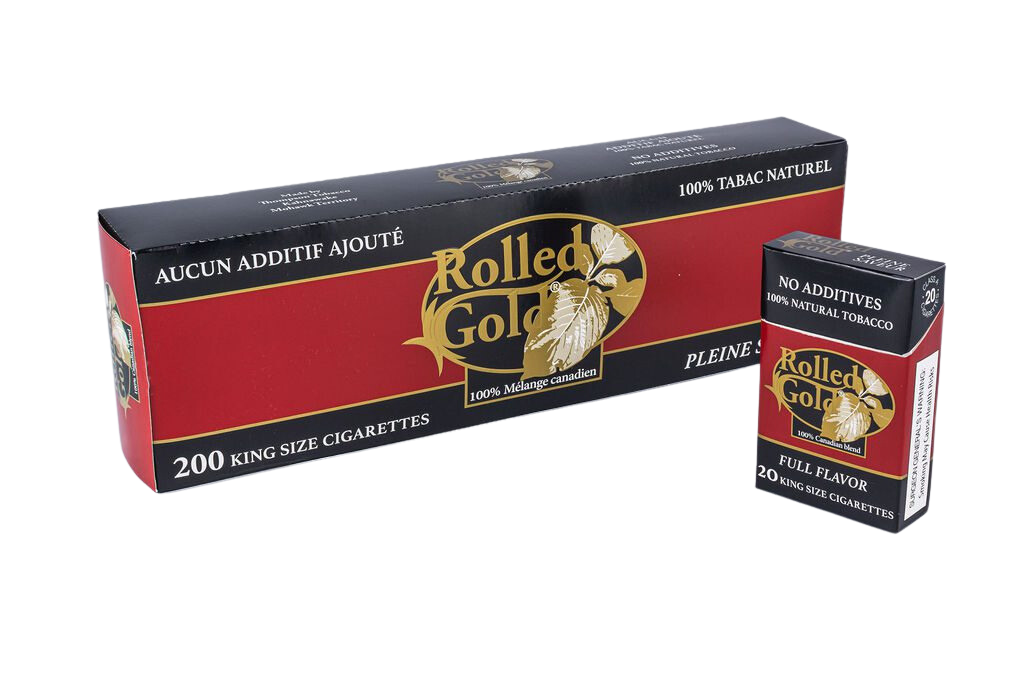
⭐ Excluded: BB light Manitoba, BB full Manitoba, Chanel Blueberry, Chanel ice. See all 29+ native brands at Cigstore.ca.
🚚 Delivery Across Canada – $29 Flat Rate
We ship to every province and territory using Canada Post, Purolator, FedEx, and UPS. Orders over $290 qualify for FREE shipping. Age verification (19+) required upon delivery.
📦 Same-day dispatch for orders before 2 PM EST. Tracking provided within 24 hours.
📚 You Might Also Find These Articles Helpful
How to Protect Children from Secondhand Smoke
Avoid setting a bad example.
Smoking & Parenting
How to erase smell from your car and clothes before seeing your kids.
The ‘Smoking Closet’ Strategy
How to explain your habit to your kids without lying.
What to Do If Your Teenager Started Smoking
Parents’ guide.
Smoking During Pregnancy
Risks to fetus and newborn.