
How Smoking Affects the Performance of Range Hoods and Ventilation in Apartments
The Silent Clog: Why Smokers’ Vents Fail Faster and How to Fix Them
🌬️🚬 You turn on your kitchen range hood to clear the smoke after cooking. But nothing happens. Or worse, you hear the fan struggling, but the air feels stagnant. If you smoke indoors, your ventilation system is silently suffocating. Cigarette smoke residue — a sticky, tar-like substance — accumulates on fan blades, motor shafts, and ductwork. Over time, this residue reduces airflow, damages motors, and can even cause fires. This article explains how smoking destroys ventilation systems, why apartment dwellers are especially vulnerable, and how to clean — or replace — your damaged equipment.
⚙️ The Chemistry: Why Cigarette Smoke is a Ventilation Killer
Cigarette smoke contains tar, nicotine, and over 4,000 other compounds.
When smoke passes through a fan, these compounds condense on surfaces.
The residue is sticky, hygroscopic (attracts moisture), and corrosive.
Your ventilation system is designed to move air — not tar. But when you smoke indoors, the smoke passes through your range hood fan, bathroom exhaust fan, or whole-house ventilation system. The tar and nicotine condense on the fan blades, motor shaft, and duct walls, creating a sticky, yellow-brown coating.
- 🧴 Adhesive residue: Tar is naturally sticky. It acts like glue, trapping dust and debris, which further clogs the system.
- 💧 Hygroscopic effect: Nicotine attracts moisture from the air. This creates a damp, corrosive environment inside your ducts.
- ⚖️ Imbalance: As residue builds up on fan blades, the blades become unbalanced. The fan wobbles, makes noise, and eventually fails.
- 🔥 Fire hazard: The combination of tar (flammable) and dust can ignite if the fan motor overheats. Range hood fires are a real risk in heavy smokers’ homes.
🍳 Kitchen Range Hoods: The First to Suffer
⚠️ Real-world example: In a smoker’s kitchen, the range hood filter can become completely clogged with tar within 6-12 months. The fan may stop working entirely within 2-3 years — compared to 10-15 years in a non-smoker’s home.
The kitchen range hood is the most vulnerable ventilation device in a smoker’s apartment. It’s designed to capture grease and smoke from cooking — but cigarette smoke adds a completely different type of residue.
- 🟡 Filter clogging: The aluminum mesh filter becomes coated with yellow-brown tar. The filter becomes so clogged that air cannot pass through. The fan struggles, and the motor overheats.
- 🌀 Fan blade buildup: Residue accumulates on the fan blades, causing imbalance. The fan may wobble, make grinding noises, or stop entirely.
- 🔧 Motor failure: The motor shaft becomes coated with sticky residue, increasing friction. The motor draws more current, overheats, and fails prematurely.
- 📉 Reduced airflow: Even if the fan still spins, airflow can be reduced by 50-70% compared to a clean system.
🚽 Bathroom Exhaust Fans: The Hidden Victim
Non-smoker’s home: 10-15 years lifespan.
Light smoker’s home (indoor): 3-5 years lifespan.
Heavy smoker’s home (indoor): 1-2 years lifespan.
Cleaning frequency needed: 2-4x more often than non-smoker’s.
Bathroom exhaust fans are often overlooked, but they suffer the same damage as kitchen range hoods — and sometimes worse, because bathroom humidity combines with nicotine to create an especially corrosive environment.
- 💧 Humidity + nicotine = corrosion: Nicotine is hygroscopic (attracts water). When you take a hot shower, the humidity condenses on the fan blades along with the nicotine residue. The result is a sticky, corrosive paste that attacks metal components.
- 🧴 Grease-free but still sticky: Unlike kitchen hoods (which also collect cooking grease), bathroom fans collect only smoke residue and dust. But the residue is still sticky enough to clog the fan and damage the motor.
- 🔇 Increased noise: As the fan blades become coated and unbalanced, the fan becomes louder. Humming, grinding, and rattling sounds are common.
- 🔄 Short cycling: A clogged fan may still run, but it won’t move enough air to clear humidity. The fan may run continuously trying to keep up — leading to premature failure.
📦 Ductwork: The Damage You Can’t See
⚠️ Hidden damage: The ductwork connecting your fan to the outside vent is the most expensive part of the system to replace — and the most affected by smoke residue. In a smoker’s apartment, the ducts can become coated with a layer of tar that reduces airflow by 30-50% and creates a persistent smoke smell that never goes away.
Even if you replace your fan, the damage in the ducts remains. Smoke residue inside the ductwork is extremely difficult to clean and may require professional duct cleaning or even duct replacement.
- 📉 Reduced airflow: As tar builds up on the interior walls of the duct, the effective diameter of the duct shrinks. A 4-inch duct can effectively become a 2-inch duct after years of smoking.
- 🦠 Mold growth: The hygroscopic nature of nicotine attracts moisture, creating a damp environment inside the ducts — perfect for mold growth. Mold spores then blow back into your apartment.
- 🐛 Pest attraction: The sticky residue can trap insects and pests inside the ductwork. Dead insects add to the blockage and attract more pests.
- 💸 Costly repairs: Replacing ductwork in an apartment can cost $500-$2,000. In a multi-unit building, the damage may affect multiple units.
🏢 Whole-House Ventilation and HRV Systems
Many modern apartments and condos have whole-house ventilation systems (HRV/ERV) that circulate air throughout the building. Cigarette smoke in one unit can affect the entire system.
- 🌬️ Cross-contamination: Smoke from one unit is drawn into the shared ventilation system and distributed to other units. Non-smoking neighbours can smell your smoke — and complain to the building manager.
- 🧹 Filter clogging: The building’s central filters become clogged with tar much faster when even one tenant smokes indoors. Filters that should last 3 months may need replacement every 2-4 weeks.
- ⚖️ Building-wide damage: In some cases, smoke residue can damage the building’s central ventilation equipment, leading to special assessments for all residents.
- 📜 Lease violations: Most apartment leases prohibit indoor smoking for precisely this reason — the damage to shared ventilation systems is expensive to repair.
🏘️ The Apartment Dilemma: Why Renters Are Most at Risk
In most provinces, landlords can deduct the cost of smoke damage from your security deposit.
Replacing a range hood fan: $200-500.
Cleaning ducts: $300-800.
Repainting and cleaning walls: $500-1,500.
Total potential deduction: $1,000-$3,000+
If you rent your apartment, the damage you cause to ventilation systems can come out of your security deposit — or worse, lead to a lawsuit.
- 💰 Security deposit claims: Landlords routinely deduct smoke damage from deposits. The cost of cleaning ducts and replacing fans adds up quickly.
- 📋 Lease violations: Most leases prohibit indoor smoking. If you’re caught, you could face eviction.
- 🔧 Responsibility for repairs: In many leases, tenants are responsible for minor repairs — including fan replacement. The building owner may charge you for the cost of a new fan if the old one fails due to smoke damage.
- 😤 Neighbor complaints: Smoke that escapes through ventilation systems can trigger complaints from non-smoking neighbours — leading to lease enforcement actions.
💡 Pro tip for renters: If you smoke indoors, clean your range hood filter monthly and replace it every 6 months. Wipe down fan blades with a degreaser (vinegar solution) every 3 months. Keep documentation to prove you’ve maintained the equipment.
🧼 How to Clean Smoke-Damaged Ventilation Systems
If your ventilation system is already damaged, here’s how to clean it — or when to call a professional.
- 🧴 Degrease the fan blades: Turn off power to the fan. Remove the cover. Spray fan blades with a degreaser (vinegar solution, dish soap, or commercial degreaser). Wipe with a rag. Repeat until residue is gone.
- 🧼 Soak metal filters: Remove the aluminum mesh filter. Soak in hot water with dish soap or degreaser for 30 minutes. Scrub with a brush. Rinse and dry before reinstalling.
- 🛢️ Lubricate the motor shaft: After cleaning, apply a few drops of lightweight motor oil to the shaft (if accessible). This reduces friction and noise.
- 📞 Call a professional for ducts: Duct cleaning requires specialized equipment (rotary brushes, high-pressure vacuum). Cost: $300-800 depending on the length of ductwork.
- 🔄 When to replace: If the fan is still noisy, wobbly, or ineffective after cleaning, replace it. A new range hood fan costs $200-500.
🚭 Prevention: The Only Real Solution
✅ The only way to prevent ventilation damage is to smoke outside. No air purifier, filter, or cleaning regimen can eliminate the residue entirely.
- 🌬️ Smoke outside — away from doors, windows, and air intakes.
- 🪟 Use exhaust fans when cooking, not for smoke breaks.
- 🧼 Clean ventilation systems monthly if you smoke indoors (but better to just smoke outside).
- 🚬 Switch to native cigarettes — they still cause damage, but they’re affordable enough that you might be able to afford duct cleaning.
📦 Native Cigarettes: Same Tar, Same Damage
Native cigarettes (Playfare, Canadian, DuMont, Nexus, Rolled Gold) cost $29-50 per carton — compared to $140-180 for commercial brands — a savings of 70-80%. However, they contain the same tar and nicotine as commercial cigarettes. They will clog your ventilation system just as quickly. The only difference is price — not safety, and not damage to your home.
- 💰 Cost savings: A pack-a-day smoker saves $5,000-7,000 per year by switching to native cigarettes.
- 🚫 Same residue, same clogs: Native cigarettes produce identical tar deposits. Your fan blades will still get sticky.
- 📦 Online delivery: Cigstore.ca ships to every province and territory with $29 flat shipping (free over $290).
- 🏠 If you care about your home, smoke outside — no matter which brand you smoke.
🇨🇦 Resources for Smokers
- 📞 Smokers’ Helpline (1-877-513-5333): Free, confidential telephone coaching.
- 💊 Nicotine replacement therapy (NRT): Patches, gum, lozenges — safe and effective.
- 📱 QuitNow (quitnow.ca): Free app with tracking and community support.
- 🩺 Your doctor: Medications like varenicline (Champix/Chantix) and bupropion (Zyban/Wellbutrin) can help.
🔥 Top 5 Native Cigarettes for Canadian Smokers
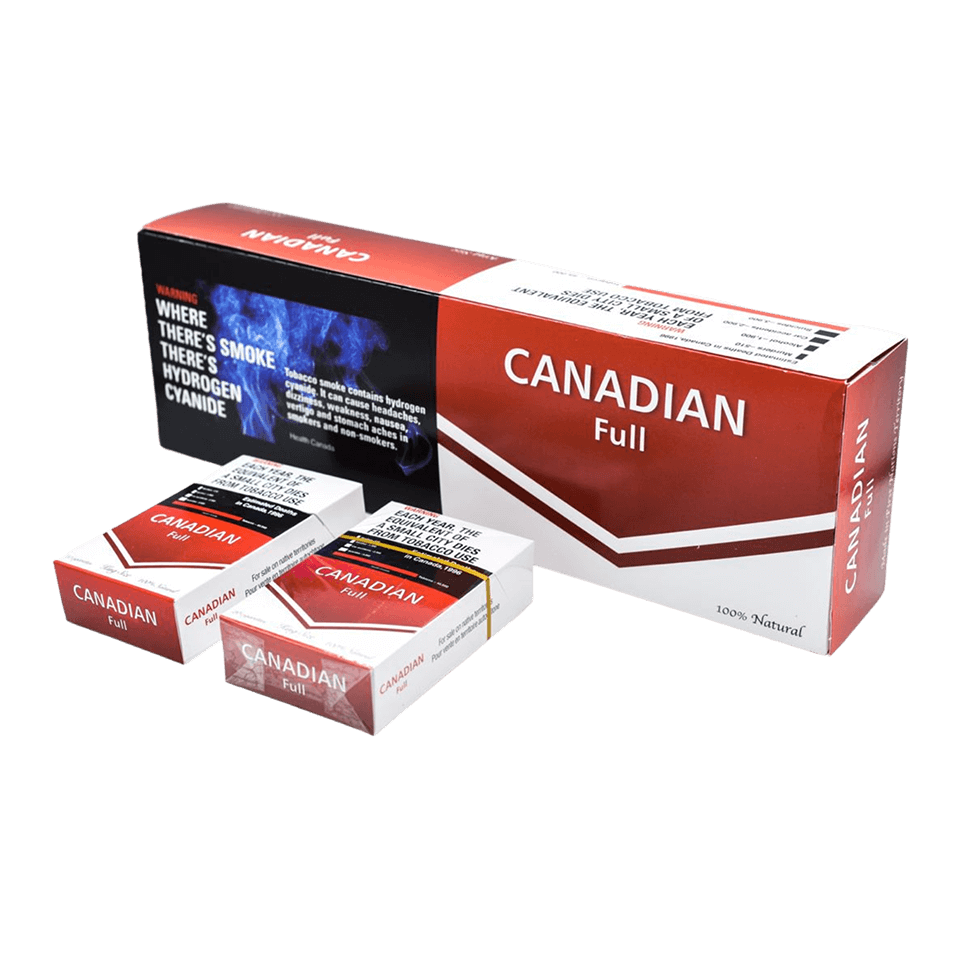
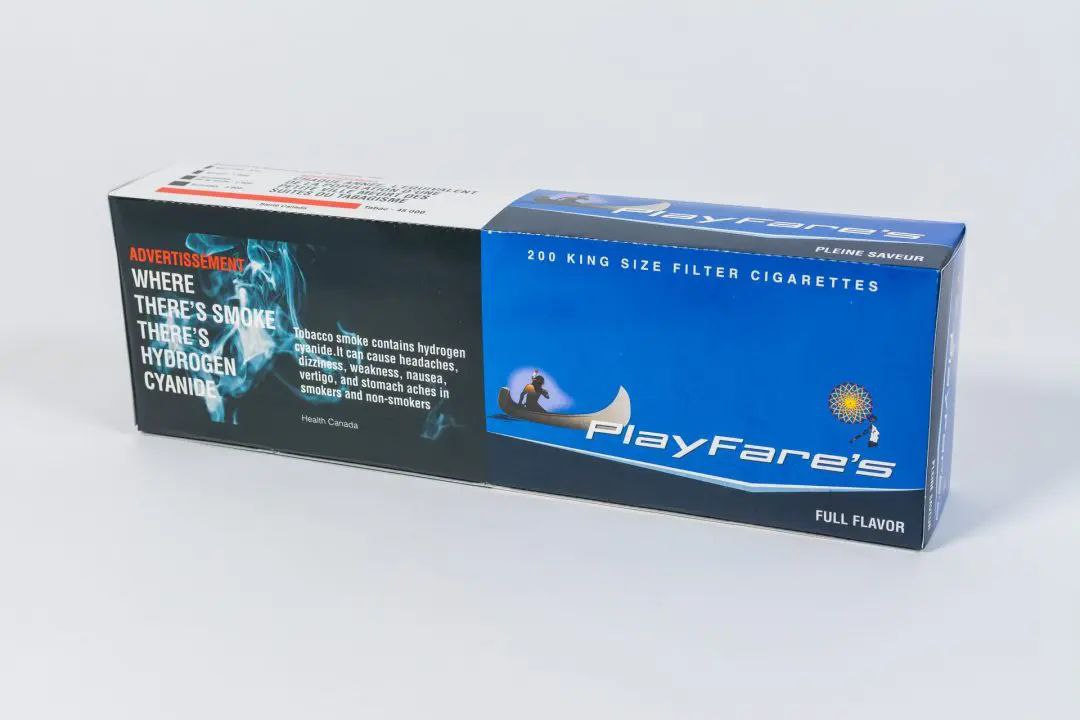
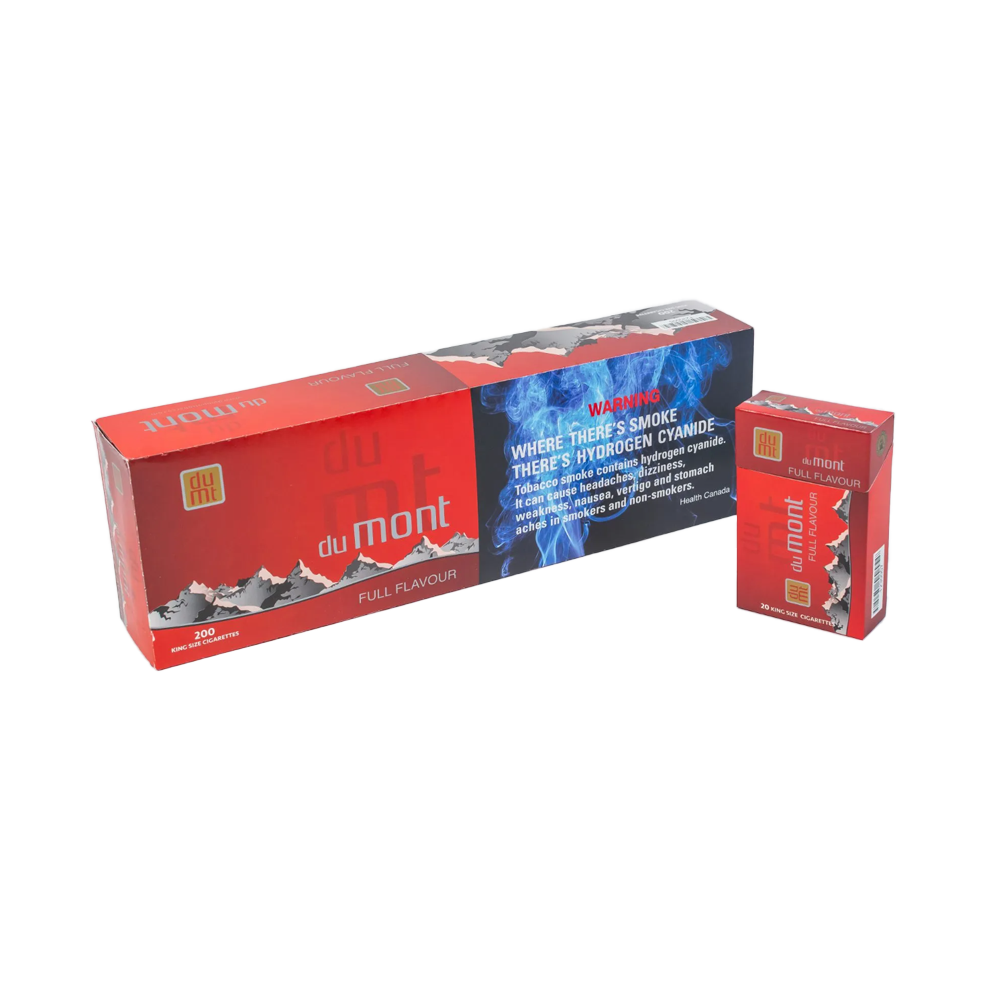
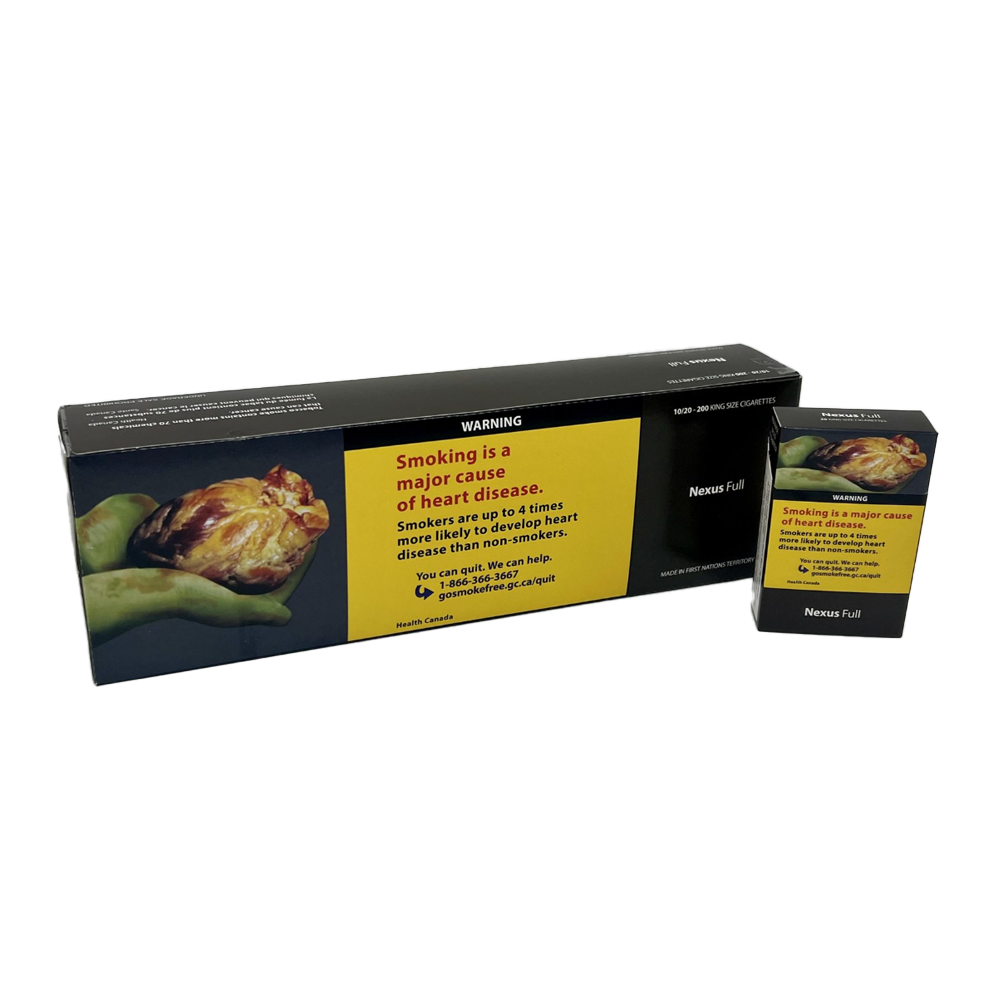
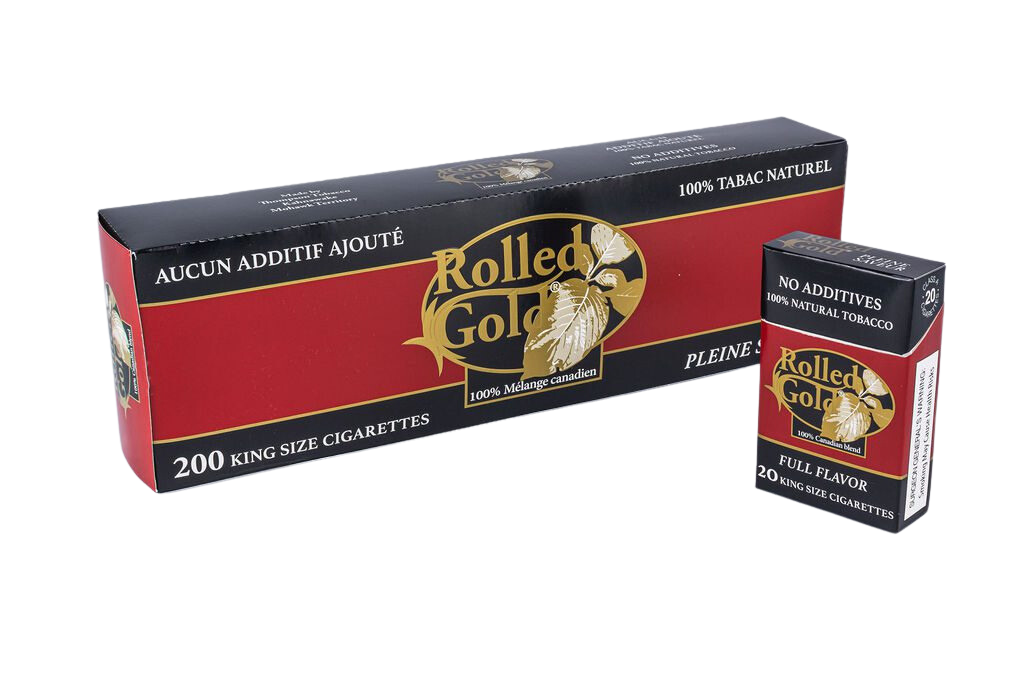
⭐ Excluded: BB light Manitoba, BB full Manitoba, Chanel Blueberry, Chanel ice. See all 29+ native brands at Cigstore.ca.
🚚 Delivery Across Canada – $29 Flat Rate
We ship to every province and territory using Canada Post, Purolator, FedEx, and UPS. Orders over $290 qualify for FREE shipping. Age verification (19+) required upon delivery.
📦 Same-day dispatch for orders before 2 PM EST. Tracking provided within 24 hours.
📚 You Might Also Enjoy These Articles
How Smoking Causes Foggy Windows
The chemistry of tar, condensation, and stubborn film.
How Nicotine Destroys Rubber Seals and Plastic
The silent damage of thirdhand smoke.
The Thirdhand Smoke Nightmare
How nicotine residue lingers in carpets and curtains.
How to Remove Cigarette Smell from a Room in 5 Minutes
Quick solutions for odor elimination.
How to Remove Cigarette Smell from Your Car Interior in 20 Minutes
Automotive odor elimination.