
How Smoking Affects Self-Perception and Identity
The ‘Smoker’ Identity and Its Psychological Grip — Breaking Free from the Label
🧠🚬 “I’m a smoker. That’s just who I am.” For millions of people, smoking is not just a habit — it’s an identity. It’s a label that shapes self-perception, influences social interactions, and becomes deeply embedded in the narrative of who they are. This article explores the psychology of the “smoker identity”: how smoking becomes part of your self-concept, why that identity makes quitting harder, how cognitive dissonance allows smokers to reconcile conflicting beliefs, and strategies for breaking free from the identity trap.
🪞 Identity Formation: How Smoking Becomes Part of Who You Are
Most smokers start before age 18 — a critical period for identity formation.
At this age, smoking is often adopted as a symbol of adulthood, rebellion, or social belonging.
📖 Key concept: Identity is the narrative we tell ourselves about who we are. For many smokers, “smoker” becomes a central chapter in that narrative — often adopted during adolescence, when identity is most malleable.
Smoking typically begins in adolescence — a developmental stage defined by identity exploration. Teens take on the “smoker” identity as a way to signal maturity, rebellion, or group belonging. Once internalized, this identity persists long after the original reasons for smoking have faded.
- 🎭 The “cool” smoker: For many teens, smoking was a way to appear older, cooler, or more rebellious. The identity was aspirational — a performance of adulthood.
- 👥 Social identity theory: Smokers often form social bonds with other smokers. The “smoker” identity becomes tied to a social group — quitting means not just giving up nicotine, but potentially losing social connections.
- 📉 Identity persistence: Even after the social context changes (after high school, after changing jobs), the identity persists. It has become a habit of self-perception.
- 🧠 The labeling effect: Once you label yourself a “smoker,” your brain seeks evidence that confirms that label. Every cigarette reinforces the identity.
⚖️ Cognitive Dissonance: How Smokers Reconcile “I Know Smoking Is Bad” with “I Smoke”
When a person holds two contradictory beliefs, they experience psychological discomfort and seek to resolve the inconsistency.
Every smoker lives with a fundamental contradiction: “I know smoking causes cancer and will likely kill me” and “I smoke.” To resolve this dissonance, smokers develop rationalizations — cognitive distortions that protect the smoker identity.
- 📋 Common rationalizations: “I’ll quit before it’s too late.” “My grandmother smoked to 90 and died of something else.” “The stress of quitting would be worse.”
- 🧠 Downward social comparison: Smokers compare themselves to heavier smokers (“At least I don’t smoke two packs a day”). This reduces dissonance by making their behavior seem less extreme.
- 📉 Minimization: Smokers minimize the risks (“It’s only a few cigarettes a day,” “The studies are exaggerated”).
- 🔄 The self-serving bias: Smokers attribute their continued smoking to external factors (stress, social situations) while attributing any positive outcomes (not getting sick) to internal factors (good genes, health habits).
📖 From Festinger (1957): “The smoker who knows that smoking is harmful may reduce dissonance by believing that the evidence is not conclusive, that the risk is minimal, or that the pleasure outweighs the risk.”
🏷️ The Self-Labeling Trap: Why Calling Yourself a “Smoker” Makes Quitting Harder
Smokers who identify strongly with the “smoker” label are 50-70% less likely to attempt to quit than those who view smoking as a behavior rather than an identity.
The label “smoker” is not neutral — it carries psychological weight. Once you internalize it, quitting becomes not just changing a behavior, but changing who you are.
- 📉 Identity-based motivation: Your brain automatically filters information to align with your self-concept. If you believe “I am a smoker,” your brain will notice opportunities to smoke and rationalize continued smoking.
- 🔄 Behavioral confirmation: Acting in accordance with the label (“I’m a smoker, so I should have a cigarette now”) reinforces the identity.
- 📊 The “non-smoker” vs. “ex-smoker” distinction: Research shows that people who identify as “non-smokers” have higher long-term quit success than those who identify as “ex-smokers” (who still see themselves as smokers who have stopped).
- ⚠️ The danger of the label: As long as you call yourself a “smoker,” your brain will consider smoking a part of your identity — and will resist its removal.
👥 The Smoker Social Identity: Belonging to a Tribe
For many smokers, especially those who started in adolescence, smoking is tied to social belonging. The “smoker” identity is shared with friends, family, or coworkers.
- 🤝 In-group/out-group dynamics: Smokers often form a distinct social group with shared rituals (smoke breaks, sharing cigarettes, designated smoking areas).
- 📉 Fear of social exclusion: Quitting can mean losing access to that social group. The smoker identity is reinforced by others who share it.
- 🔄 Social contagion: In workplaces and social circles, smoking spreads through imitation. The identity is not just individual — it’s collective.
- 🧠 The “smokers’ lounge” effect: Designated smoking areas become social hubs. Non-smokers are excluded, reinforcing the in-group/out-group distinction.
- 📊 Research evidence: Smokers in workplaces with a strong smoker subculture have lower quit rates than those in workplaces where smoking is stigmatized.
🛡️ Stigma and Defensiveness: When Smokers Feel Judged
Smokers are increasingly stigmatized in Canadian society.
This stigma can trigger defensiveness — which paradoxically strengthens the smoker identity.
As smoking rates have declined, smokers have become a stigmatized minority. This social stigma triggers psychological defenses that can actually strengthen the smoker identity.
- 😤 Reactance theory: When people feel that their freedom to choose is threatened, they often double down on the threatened behavior. Anti-smoking messages can paradoxically increase smoking in some individuals.
- 🔄 The “rebel” identity: For some smokers, the stigmatization of smoking reinforces the “rebel” identity they adopted in adolescence. They smoke because it’s forbidden.
- 📉 In-group solidarity: Stigma can strengthen in-group bonds. Smokers may band together against “judgmental non-smokers,” reinforcing their shared identity.
- 🧠 Cognitive dissonance intensifies: When society tells you “smoking is bad” and you smoke, you need stronger rationalizations to reduce dissonance.
👩🦰 Gender and the Smoker Identity: Cultural Scripts
The smoker identity is gendered. Cultural scripts shape how men and women perceive smoking and its role in their self-concept.
- 💪 Masculinity and smoking: For men, smoking has traditionally been associated with ruggedness, independence, and toughness. The Marlboro Man is the archetype.
- 💃 Femininity and smoking: For women, smoking has been marketed as a symbol of liberation, slimness, and sophistication (Virginia Slims: “You’ve come a long way, baby”).
- 📉 Gendered quitting patterns: Women report greater fear of weight gain as a barrier to quitting — the smoker identity is tied to body image.
- 🔄 Changing scripts: As smoking has become stigmatized, these gendered identities are evolving, but they persist for older smokers.
🔓 How to Break Free from the Smoker Identity
✅ Strategies for Identity Change:
Quitting smoking is not just about breaking a habit — it’s about changing who you believe you are.
- 💬 Change your self-talk: Instead of “I’m trying to quit smoking,” say “I’m not a smoker.” Language shapes identity. The present tense (“I don’t smoke”) is more powerful than the future tense (“I will quit”).
- 📝 Write a new narrative: Write down your identity as a non-smoker. “I am a person who values health. I am a non-smoker.” Repetition reinforces identity.
- 👥 Find a new social group: If your social identity is tied to smoking, you need a new social reference group. Join a fitness class, a book club, or an online cessation community.
- 🔄 Identify as a “non-smoker,” not an “ex-smoker”: Research shows that “non-smoker” identity leads to better long-term outcomes. “Ex-smoker” still carries the smoker identity in the past tense.
- 💰 Redirect your savings: Use the money saved from quitting (up to $7,000/year) to invest in a new identity — a gym membership, new hobbies, travel.
- 📞 Seek support: The Smokers’ Helpline (1-877-513-5333) offers coaching that addresses the psychological and identity-based aspects of addiction.
📦 Native Cigarettes: The Same Identity Trap
Native cigarettes (Playfare, Canadian, DuMont, Nexus, Rolled Gold) cost $29-50 per carton — compared to $140-180 for commercial brands — a savings of 70-80%. However, they are still cigarettes. Smoking native cigarettes will not change your identity as a smoker. The label remains. The cognitive dissonance remains. The social identity remains. Switching brands does not change who you believe you are.
- 💰 Cost savings: A pack-a-day smoker saves $5,000-7,000 per year by switching to native cigarettes.
- 🧠 Same identity, same dissonance: Native cigarettes do not help you escape the “smoker” identity.
- 📦 Online delivery: Cigstore.ca ships to every province and territory with $29 flat shipping (free over $290).
- 🪞 If you want to change your identity, you need to quit — not just switch brands.
🇨🇦 Resources for Smokers
- 📞 Smokers’ Helpline (1-877-513-5333): Free, confidential telephone coaching. Ask about identity-based cessation strategies.
- 💊 Nicotine replacement therapy (NRT): Patches, gum, lozenges — safe and effective.
- 📱 QuitNow (quitnow.ca): Free app with tracking and community support.
- 🩺 Your doctor: Medications like varenicline (Champix/Chantix) and bupropion (Zyban/Wellbutrin) can help.
- 🧠 Cognitive behavioural therapy (CBT): CBT can help restructure identity and challenge the cognitive dissonance that sustains addiction.
🔥 Top 5 Native Cigarettes for Canadian Smokers




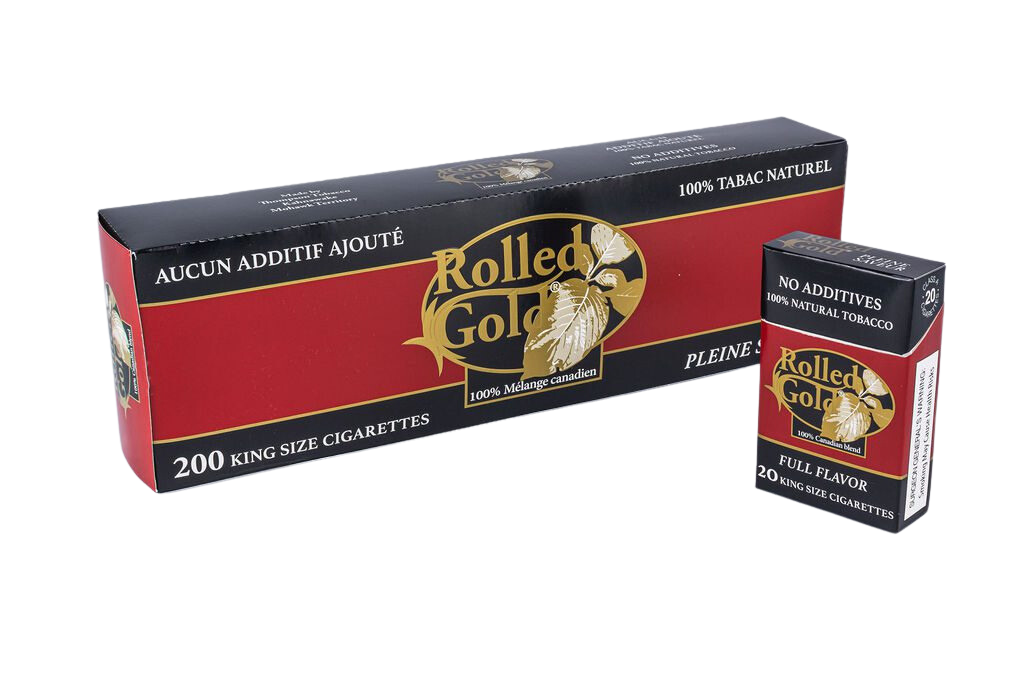
⭐ Excluded: BB light Manitoba, BB full Manitoba, Chanel Blueberry, Chanel ice. See all 29+ native brands at Cigstore.ca.
🚚 Delivery Across Canada – $29 Flat Rate
We ship to every province and territory using Canada Post, Purolator, FedEx, and UPS. Orders over $290 qualify for FREE shipping. Age verification (19+) required upon delivery.
📦 Same-day dispatch for orders before 2 PM EST. Tracking provided within 24 hours.
📚 You Might Also Enjoy These Articles
Why Smokers Relapse After Months of Abstinence
Triggers and the ‘one cigarette’ phenomenon.
The ‘One More Loop’
Why it’s so hard to stop after the first cigarette.
Smoking and Stress: The Neuroscience
Why nicotine feels calming (and why it’s a trap).
How Smoking Changes the Perception of Time
Nicotine, dopamine, and the brain’s internal clock.
Why Smokers Overestimate Their Ability to Quit
The ‘optimism of addiction’.