
How Smoking Affects Nightmares and Dream Quality
The Science of Nicotine, REM Sleep, and the Vivid Dreams You Remember (or Wish You Didn’t)
😴🚬 You wake up in a cold sweat, heart racing. The nightmare was vivid — terrifyingly real. Or perhaps you wake up remembering nothing at all, feeling like you haven’t dreamed in years. Smoking dramatically alters your sleep architecture, particularly REM sleep — the stage where most dreaming occurs. Smokers experience less REM sleep overall, but when they quit, they often experience a flood of intense, sometimes disturbing, dreams. This article explores the science of nicotine and dreams: how smoking suppresses REM sleep, why quitting triggers “REM rebound” with vivid nightmares, and what you can do about it.
😴 REM Sleep and Dreaming: What’s Normal?
REM sleep occupies 20-25% of total sleep time (~90-120 minutes per night).
REM cycles occur every 90 minutes, lengthening toward morning.
Most vivid dreaming occurs during REM sleep.
REM (Rapid Eye Movement) sleep is the stage of sleep associated with vivid dreaming, memory consolidation, and emotional regulation. A healthy sleeper cycles through REM 4-6 times per night, with each REM period lasting longer as the night progresses.
- 🌙 REM vs. non-REM: Non-REM sleep is “deep sleep” (restorative). REM sleep is “active sleep” (brain activity similar to waking).
- 🎨 Dream content: Dreams during REM are often bizarre, emotional, and narrative-driven. Dreams during non-REM are more thought-like and less vivid.
- 📉 REM deprivation: Lack of REM sleep impairs memory, emotional regulation, and cognitive function.
- 🧠 Nicotine is a potent REM suppressant — smokers spend significantly less time in REM than non-smokers.
🚬 Nicotine as a REM Suppressant: Why Smokers Dream Less (or Remember Less)
Smokers spend 20-30 minutes less in REM sleep per night than non-smokers.
This translates to 120-180 hours less REM sleep per year — equivalent to 5-7 full days of lost dreaming.
Nicotine is a stimulant that disrupts normal sleep architecture. When you smoke regularly, your brain adapts to the presence of nicotine — and one of the adaptations is reduced REM sleep.
- ⚡ Nicotine’s stimulant effect: Nicotine increases arousal and can delay REM onset. Even if you fall asleep, your brain remains more active, suppressing REM.
- 📉 REM percentage: Studies show that smokers spend 15-20% less time in REM than non-smokers, with heavy smokers showing the greatest suppression.
- 😴 Dream recall: Smokers often report remembering fewer dreams — not because they don’t dream, but because REM sleep is suppressed, and REM is when dreams are most vivid and memorable.
- 🔄 The “forgotten dreams” phenomenon: Many smokers believe they “don’t dream” at all. In reality, they dream less and remember even less.
😨 Do Smokers Have More Nightmares? The Research
Current smokers reported 30-50% more frequent nightmares than non-smokers.
The effect was dose-dependent — heavier smokers had more nightmares.
Former smokers (quit >1 year) had nightmare frequency similar to non-smokers.
While nicotine suppresses REM sleep overall, the REM sleep that does occur may be more fragmented and emotionally intense. A 2015 study in the journal Sleep Medicine found a clear association between smoking and nightmare frequency.
- 📊 The data: In a sample of over 1,000 adults, current smokers reported nightmares 1.5-2 times more often than never-smokers.
- ⚡ Mechanism: Nicotine withdrawal during the night (nicotine levels drop after 2-4 hours) causes micro-awakenings that can fragment REM sleep, leading to more memorable (and often disturbing) dream fragments.
- 📉 Stress and nightmares: Smokers have higher baseline stress levels. Stress is a known trigger for nightmares. The combination of nicotine and stress may be synergistic.
- 🔄 The paradox: Smokers spend less time in REM but report more frequent nightmares. This suggests that the REM sleep they do get is more disturbed and emotionally charged.
📖 From Sleep Medicine (2015): “Current smokers reported significantly more frequent nightmares than non-smokers, with a clear dose-response relationship. Former smokers who had quit for more than one year had nightmare frequencies comparable to never-smokers.”
🔄 The Nighttime Withdrawal Effect: Why Sleep is Fragmented
Last cigarette at 10 PM → Nicotine level drops 50% by midnight → 75% by 2 AM.
Withdrawal symptoms (craving, restlessness) cause micro-awakenings.
Each micro-awakening can fragment REM sleep.
You think you’re sleeping through the night. But you’re not. Nicotine withdrawal begins within hours of your last cigarette and can wake you up — even if you don’t fully remember it.
- ⏰ Micro-awakenings: Smokers experience 2-3 times more brief awakenings (micro-arousals) during the night than non-smokers. These may be so brief that you don’t remember them — but they fragment your sleep.
- 📉 REM fragmentation: REM sleep is particularly vulnerable to disruption. Each micro-awakening can cut a REM period short, leaving you with fragmented, less restorative dreaming.
- 📊 Dream recall after awakening: If you wake up during or immediately after a REM period, you are more likely to remember your dream. Smokers’ frequent micro-awakenings may explain why they remember more nightmares — they’re waking up during REM.
- 🔄 The “waking from a nightmare” effect: Nightmares often wake the dreamer. Smokers’ fragmented sleep makes them more likely to wake during disturbing dream content.
🌪️ The Quitting Phenomenon: Vivid Dreams and REM Rebound
When you quit smoking, your brain compensates for lost REM sleep by increasing REM duration and intensity.
This is called “REM rebound” — and it often produces extremely vivid, bizarre, or disturbing dreams.
One of the most common — and surprising — side effects of quitting smoking is a flood of intense dreams. Former smokers report dreams that are unusually vivid, strange, or frightening. This is not a coincidence — it’s a known neurochemical phenomenon.
- ⚡ REM rebound mechanism: Chronic nicotine use suppresses REM sleep. When nicotine is removed, the brain overcompensates by increasing REM duration (by 20-50%) and intensity.
- 📅 Timeline: REM rebound typically begins 1-2 weeks after quitting and can last for several weeks to months.
- 📊 Dream content: During REM rebound, dreams are often more vivid, more emotional, and more bizarre. Nightmares are common.
- 🧠 Neurological basis: The brain’s cholinergic system (which regulates REM) has been suppressed by nicotine. When nicotine is removed, the system “overshoots,” creating hyper-arousal during REM.
📖 Common report from former smokers: “I quit smoking two weeks ago, and I’ve been having the most insane dreams. They’re so vivid I wake up confused about what’s real. Last night I dreamed I was flying over Toronto — it felt completely real.”
🩹 The Nicotine Patch Effect: Even More Intense Dreams
Up to 30% of nicotine patch users report unusually vivid or disturbing dreams.
This is a known side effect — nicotine delivered continuously through the skin affects REM sleep differently than smoking.
If you’re using nicotine replacement therapy (NRT) patches to quit, you may experience even more intense dreams than those quitting cold turkey. This is a well-documented side effect.
- 🌙 Why patches cause vivid dreams: Nicotine patches deliver a steady dose of nicotine throughout the night. This can prolong REM latency (delay REM onset) but also create a more active cholinergic state during REM when it finally occurs.
- 📊 The numbers: Clinical trials of nicotine patches report that 15-30% of users experience abnormal dreams — significantly higher than placebo.
- 💡 What to do: If patch-related dreams are disturbing, remove the patch before bed. You can wear it during the day only. (Consult your doctor before changing your dosing schedule.)
- 🔄 Switching to gum or lozenges: Short-acting NRT (gum, lozenge) does not cause the same nighttime dream effects because nicotine levels drop during sleep.
🛡️ How to Manage Dream Disturbances (Without Relapsing)
✅ Strategies for Smokers and Quitters:
- 🩹 If using nicotine patches: Remove the patch before bed. Wear it during the day only. (Consult your doctor first.)
- 💊 Switch to short-acting NRT: Gum, lozenge, or inhaler — these do not deliver nicotine continuously during sleep.
- 📝 Keep a dream journal: Writing down disturbing dreams can reduce their emotional impact. It also helps you recognize patterns.
- 🧘 Practice good sleep hygiene: Consistent bedtime, dark room, no screens before bed, relaxation techniques before sleep.
- 😴 Reduce overall stress: Stress is a major trigger for nightmares. Exercise, meditation, and counselling can help.
- ⏰ Remember: REM rebound is temporary. The intense dreams usually subside within 4-8 weeks after quitting.
📦 Native Cigarettes: Same REM Suppression, Same Dreams
Native cigarettes (Playfare, Canadian, DuMont, Nexus, Rolled Gold) cost $29-50 per carton — compared to $140-180 for commercial brands — a savings of 70-80%. However, they contain the same nicotine and have the same effect on REM sleep. Smokers of native brands experience the same REM suppression, the same sleep fragmentation, and the same REM rebound upon quitting. Switching to native cigarettes will not improve your dreams.
- 💰 Cost savings: A pack-a-day smoker saves $5,000-7,000 per year by switching to native cigarettes.
- 🚫 Same REM suppression: Nicotine is nicotine. Native cigarettes will not change your sleep architecture.
- 📦 Online delivery: Cigstore.ca ships to every province and territory with $29 flat shipping (free over $290).
- 🌙 If you want better dreams (or fewer nightmares), you need to quit — not just switch brands.
🇨🇦 Resources for Smokers
- 📞 Smokers’ Helpline (1-877-513-5333): Free, confidential telephone coaching. Ask about sleep and dream disturbances during cessation.
- 💊 Nicotine replacement therapy (NRT): Patches, gum, lozenges — safe and effective. Consider removing patches before bed.
- 📱 QuitNow (quitnow.ca): Free app with tracking and community support.
- 🩺 Your doctor: Medications like varenicline (Champix/Chantix) and bupropion (Zyban/Wellbutrin) can help.
- 😴 Sleep clinic referral: If dream disturbances are severe, ask for a referral to a sleep specialist.
🔥 Top 5 Native Cigarettes for Canadian Smokers
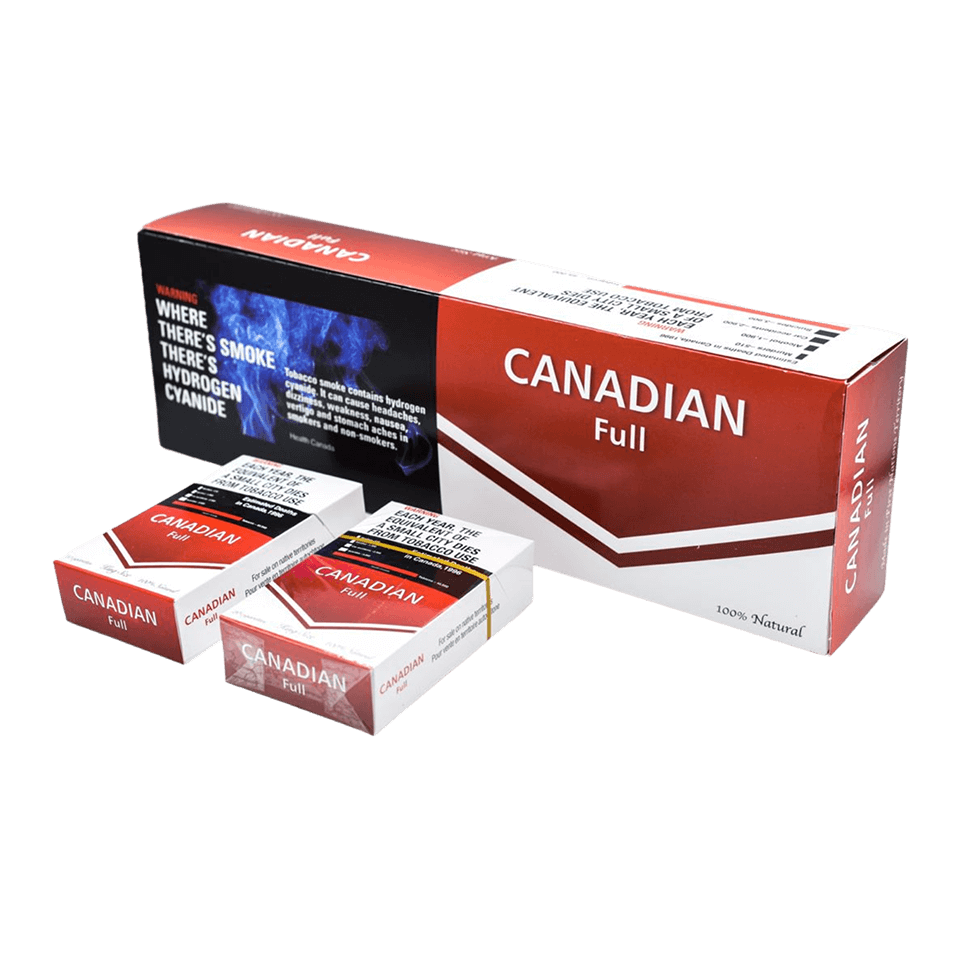
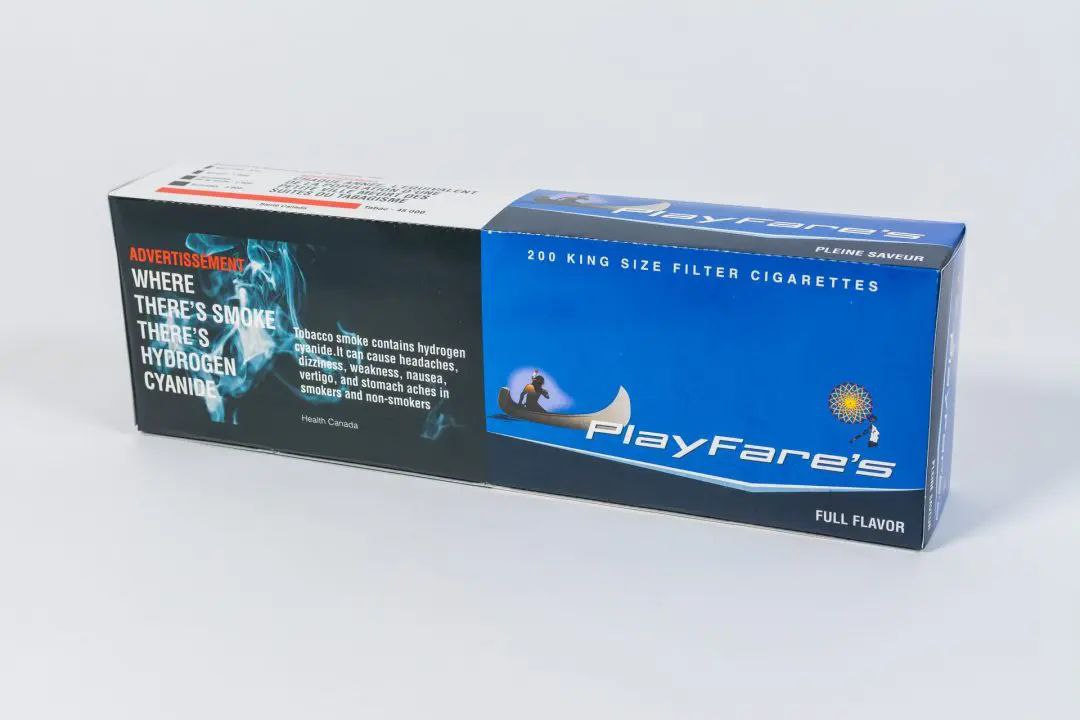
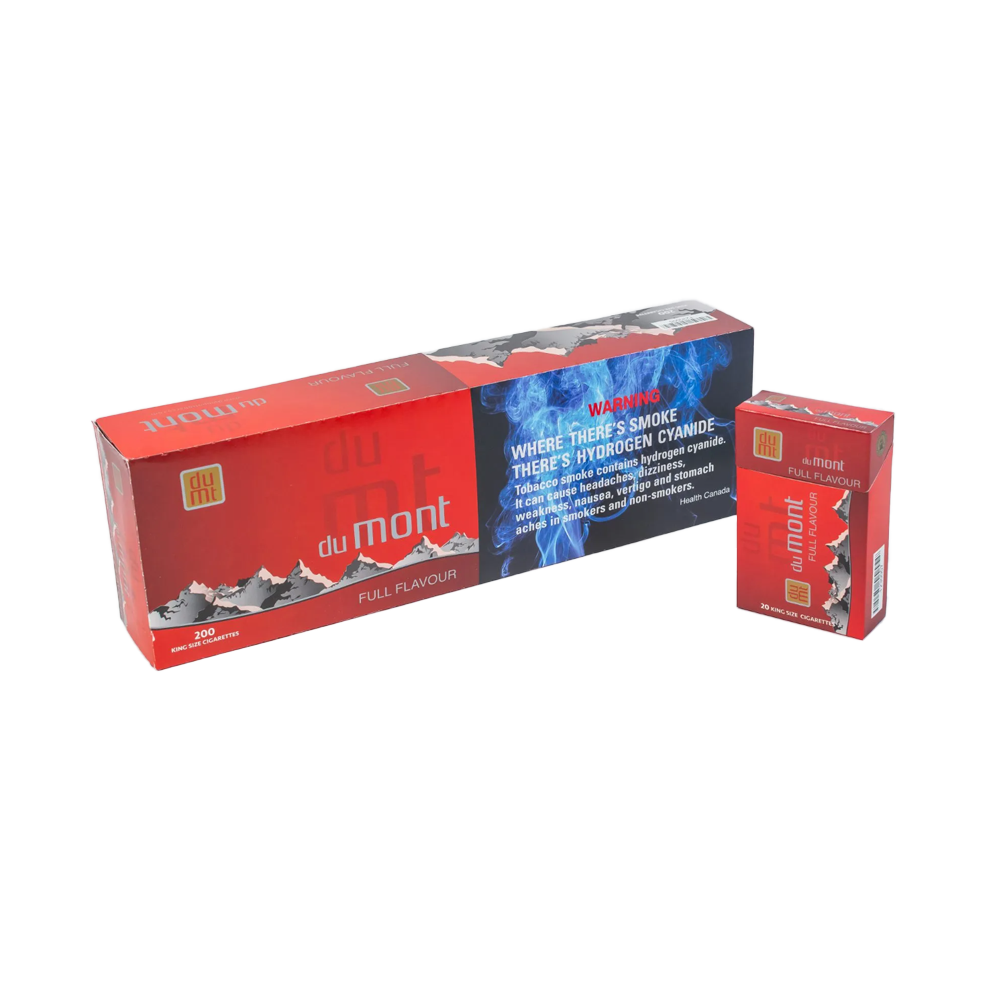
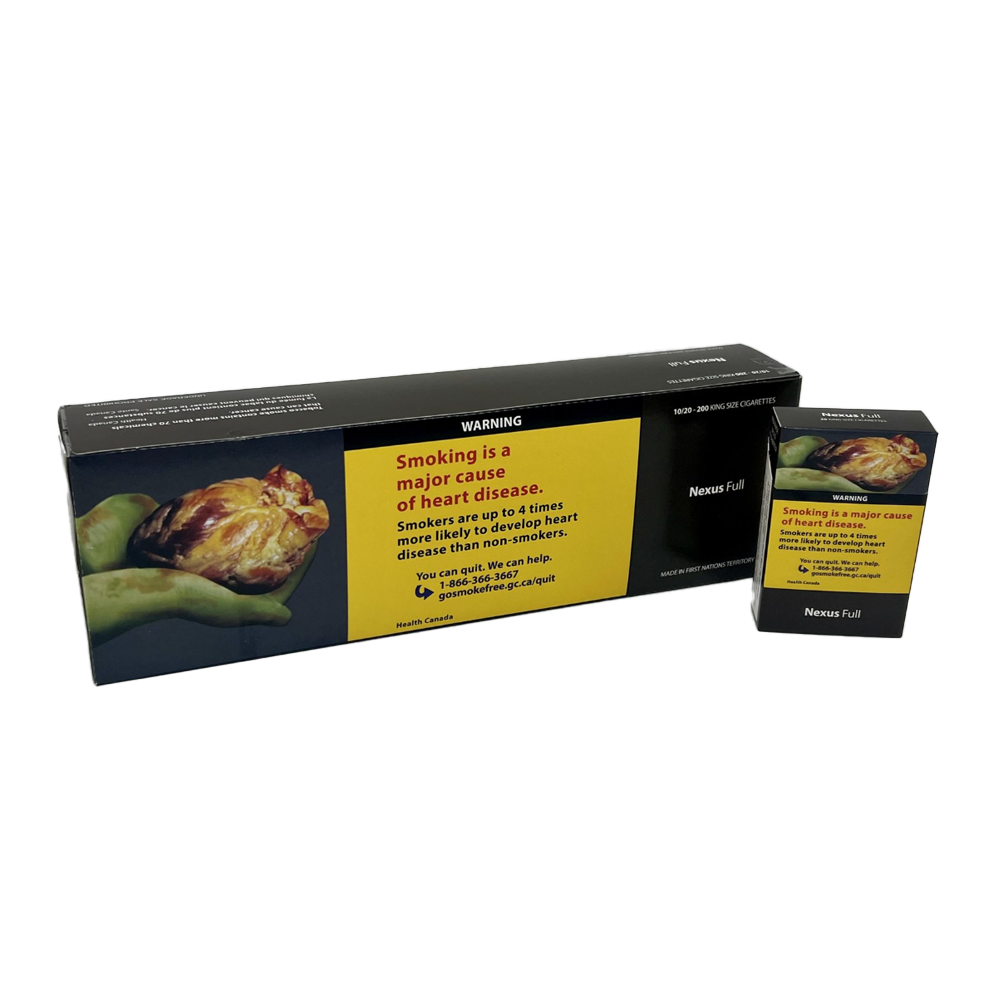
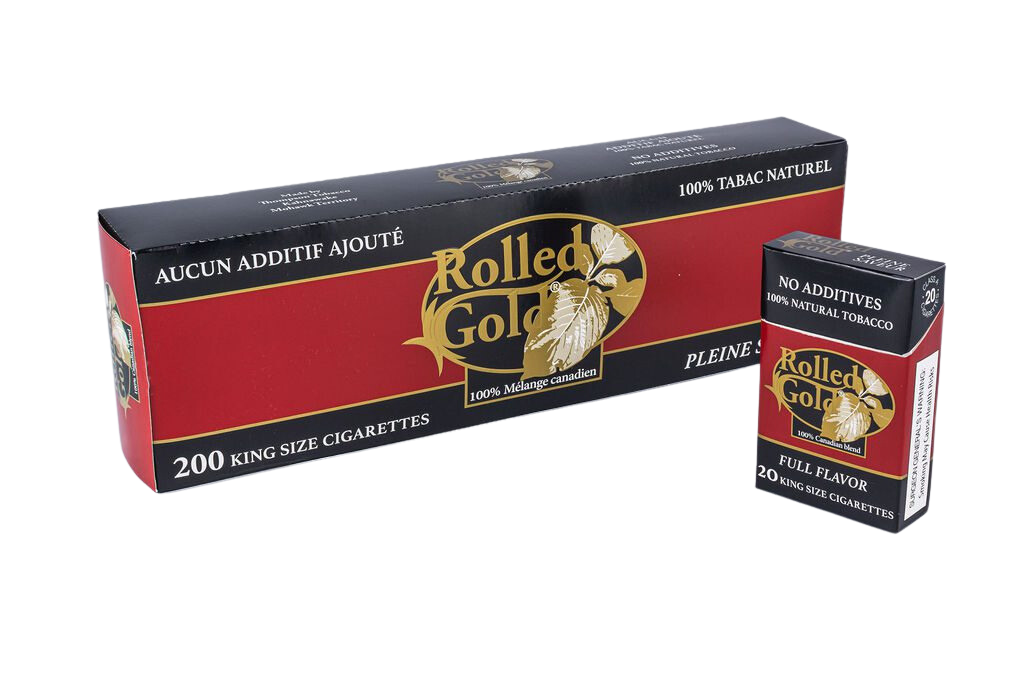
⭐ Excluded: BB light Manitoba, BB full Manitoba, Chanel Blueberry, Chanel ice. See all 29+ native brands at Cigstore.ca.
🚚 Delivery Across Canada – $29 Flat Rate
We ship to every province and territory using Canada Post, Purolator, FedEx, and UPS. Orders over $290 qualify for FREE shipping. Age verification (19+) required upon delivery.
📦 Same-day dispatch for orders before 2 PM EST. Tracking provided within 24 hours.
📚 You Might Also Enjoy These Articles
How Smoking Affects Sleep Quality
The science of nicotine and REM sleep.
Why Do Smokers Have More Vivid Dreams?
The neuroscience of REM rebound.
Smoking and Stress: The Neuroscience
Why nicotine feels calming (and why it’s a trap).
Why Smokers Snore More
Nicotine’s link to sleep apnea.
The Rebound Effect
Why some people gain weight when they quit smoking.