
How Long Does It Take for a Cigarette Butt to Decompose in Canadian Nature?
Experiments, Data, and the Shocking Truth About Microplastic Pollution
🚬🌍 You flick a cigarette butt onto the sidewalk. It falls into a storm drain. It washes into a river. Eventually, it reaches the ocean. How long will it remain there? The answer is shocking: cigarette butts are not biodegradable. Their filters are made of plastic — cellulose acetate — that can persist in the environment for 2 to 25 years, depending on conditions. In Canada alone, an estimated 8,000 tonnes of cigarette butts are littered every year [citation:4]. This article reviews experiments on cigarette butt decomposition, the toxic chemicals they leach, and what you can do to reduce your environmental footprint.
🧪 What Is a Cigarette Butt Made Of? The Plastic Filter Problem
Cigarette filters are made of cellulose acetate — a plastic that takes years to break down.
They are not biodegradable, despite resembling cotton or paper.
Contrary to popular belief, cigarette filters are not made of cotton. They are made of cellulose acetate, a plastic polymer that is extremely slow to degrade [citation:10]. The filter traps tar and chemicals during smoking — and then becomes a toxic waste product [citation:10].
- 🧪 Cellulose acetate: A synthetic plastic derived from wood pulp but chemically modified to resist degradation.
- ⚠️ Why it’s a problem: The same properties that make it an effective filter (durability, resistance to breakdown) make it an environmental hazard.
- 🌍 Microplastics: Over time, cigarette butts break down into microplastic particles that contaminate soil and water [citation:10].
- 📊 Global scale: An estimated 4.5 trillion cigarette butts are littered worldwide each year [citation:5].
📖 From a 2020 study: “Water concentrations of 5 butts per liter resulted in a 60-100% mortality of freshwater invertebrates within 5 days.” [citation:10]
🧪 What Experiments Show: Decomposition Timeline
• 5-15 years — CTV News, based on shoreline cleanup data [citation:1]
• ~25 years — National Geographic / CityNews [citation:9]
• 37.8% mass loss after 2 years — university study [citation:5]
Experiments on cigarette butt decomposition have produced varying estimates, but all agree: cigarette butts persist in the environment for years, not months.
- 📅 2008 CTV report: Cigarette butts take 5 to 15 years to break down [citation:1].
- 📅 2020 study (National Geographic): A single butt takes an average of 25 years to break down [citation:9].
- 📊 Mass loss experiment: A study found that cigarette butts lost only 37.8% of their initial mass after two years in natural conditions [citation:5].
- 🌡️ Temperature matters: Decomposition is faster in warm, humid environments and slower in cold, dry ones. Canadian winters significantly slow degradation [citation:9].
📖 Key insight: Even after visible degradation, microplastic particles remain in the environment indefinitely.
☠️ Toxic Chemicals: What Cigarette Butts Leach into Nature
• Nicotine (toxic to aquatic life)
• Arsenic, lead, cadmium (heavy metals)
• Polycyclic aromatic hydrocarbons (PAHs)
• Formaldehyde, cyanide, polonium-210
A single cigarette butt is not just plastic waste — it is a concentrated package of toxins. When a butt is discarded, rainwater leaches these chemicals into soil and water [citation:2][citation:10].
- 🐟 Aquatic toxicity: Nicotine from cigarette butts is highly toxic to fish and other aquatic organisms [citation:10].
- 🧬 Persistent chemicals: Heavy metals (lead, cadmium, arsenic) accumulate in the food chain and do not break down [citation:10].
- 🦠 Microplastic vectors: Microplastics from degraded filters absorb and concentrate other pollutants, acting as delivery systems for toxins [citation:10].
- ⚠️ “After smoke” emissions: A 2020 study found that extinguished butts continue to emit nicotine and other chemicals for up to 5 days after being discarded [citation:9].
📖 From the National Institute of Standards and Technology (2020): “Butts continued to emit nicotine at about 50% of initial levels even 5 days after they had cooled.” [citation:9]
🌊 Canada’s Shoreline Cleanup: Cigarette Butts Are #1
• Cigarette butts are the #1 littered item on Canadian shorelines [citation:6].
• They represent one-third of all litter collected [citation:6].
• In 2024 alone, volunteers collected 133,767 cigarette butts [citation:2].
Since 1994, the Ocean Wise Shoreline Cleanup program has mobilized over 1 million volunteers to remove litter from Canadian beaches and waterways. Year after year, cigarette butts rank as the most common item found [citation:6].
- 📊 2008 data: Volunteers collected over 270,000 cigarette butts — 2.5 times more than the next most common item (food wrappers) [citation:1].
- 📊 2024 data: Cigarette butts once again topped the “Dirty Dozen” list [citation:2][citation:6].
- 📊 Nova Scotia roadside audit (2021): Cigarette butts were the most common small litter item found [citation:10].
- ⚠️ 33% of all street litter: Some estimates suggest cigarette butts account for 33% of all urban litter [citation:3].
🔬 Notable Experiments: What Scientists Have Done
Researchers have conducted several controlled experiments to understand cigarette butt degradation and toxicity.
- 📅 2015-2016 McGill University: Student researchers designed a bioreactor to accelerate cellulose acetate degradation using anaerobic digestion. The team noted that “accelerated degradation of cellulose acetate in an anaerobic system seems promising” [citation:8].
- 📅 2020 NIST Study (US): Built a “smoking machine” to test 2,100 cigarettes. Measured emissions from “cold butts” over 5 days. Found that nicotine emissions remained at 50% of initial levels after 5 days [citation:9].
- 📅 2020 Ecotoxicity study: Tested water with 5 cigarette butts per liter. Resulted in 60-100% mortality of freshwater invertebrates within 5 days [citation:10].
- 📅 Ongoing TerraCycle recycling: Since 2012, TerraCycle has collected over 155 million cigarette butts in Canada for recycling into plastic pellets [citation:4].
🚬 Why Do Smokers Litter? The Psychology of Flicking
Many smokers believe cigarette butts are biodegradable — they are not.
Others believe “everyone does it” — but 33% of litter is from butts [citation:3].
A survey conducted before the 2008 shoreline cleanup found that only 18% of Canadians believed cigarette butts were the top shoreline pollutant — despite being #1 [citation:1]. This knowledge gap persists.
- 🧠 The “small item” fallacy: Smokers underestimate the impact of a single butt because it seems small. But multiplied by billions, the impact is massive.
- 🚗 In-vehicle littering: Many smokers flick butts out of car windows. In Ontario, police have issued $110 fines for this offense [citation:3].
- 🏙️ Urban concentration: Most cigarette litter occurs within 3 metres of a garbage can [citation:4]. Smokers often fail to walk the extra few steps.
- 🔄 Changing norms: Education campaigns and fines are slowly changing behaviour, but cigarette butt litter remains a massive problem.
💡 Pro tip: Carry a pocket ashtray or use a “butt bucket” in your car. Proper disposal takes seconds; the environment pays for years.
♻️ Solutions: What Canada Is Doing About Cigarette Butt Pollution
Canada has several initiatives to reduce cigarette butt litter and recycle what is already on the ground.
- ♻️ TerraCycle Cigarette Recycling Program: Since 2012, TerraCycle has collected over 155 million cigarette butts in Canada. The filters are recycled into plastic pellets used to make shipping pallets, park benches, and other industrial products [citation:4].
- 🚮 Unsmoke Canada Cleanups: This program provides grants for community litter cleanups. In 2020, it provided $50,000 in funding to 17 groups across Canada [citation:4].
- 💵 Fines and enforcement: In Barrie, Ontario, police officer Mark Casey has issued $110 fines to drivers flicking butts out of windows. Similar enforcement occurs in other municipalities [citation:3].
- 📢 Education campaigns: Organizations like Ocean Wise and Divert NS run public awareness campaigns about cigarette butt toxicity [citation:1][citation:10].
📖 TerraCycle’s process: Collected cigarette butts are sterilized. The paper and tobacco are separated and composted. The plastic filter is melted down and extruded into plastic pellets for manufacturing [citation:4].
🛡️ What You Can Do as a Smoker
- 🚯 Never flick: Always dispose of cigarette butts in a proper receptacle — never on the ground, out a car window, or into a storm drain.
- 🧳 Carry a pocket ashtray: Small, portable ashtrays that fit in your pocket are available for $5-10. They seal in odor and can be emptied later.
- 🚗 Use a “butt bucket” in your car: A small cup or dedicated car ashtray prevents littering while driving.
- ♻️ Recycle with TerraCycle: Collect your butts in a container and mail them to TerraCycle free of charge. Visit their website for details [citation:4].
- 🚭 Quit smoking: The ultimate solution. No cigarettes = no cigarette butt litter. Free resources are available: Smokers’ Helpline (1-877-513-5333).
📦 Native Cigarettes: The Same Filter, The Same Pollution
Native cigarettes (Playfare, Canadian, DuMont, Nexus, Rolled Gold) cost $29-50 per carton — compared to $140-180 for commercial brands — a savings of 70-80%. However, they contain the same cellulose acetate filters as commercial cigarettes. A native cigarette butt takes just as long to decompose — 5 to 25 years — and leaches the same toxic chemicals.
- 💰 Cost savings: A pack-a-day smoker saves $5,000-7,000 per year by switching to native cigarettes.
- 🚫 Same environmental impact: The filter is still plastic. The butt is still toxic.
- 📦 Online delivery: Cigstore.ca ships to every province and territory with $29 flat shipping (free over $290).
- 🌍 No matter what brand you smoke, dispose of your butts responsibly.
🔥 Top 5 Native Cigarettes for Canadian Smokers
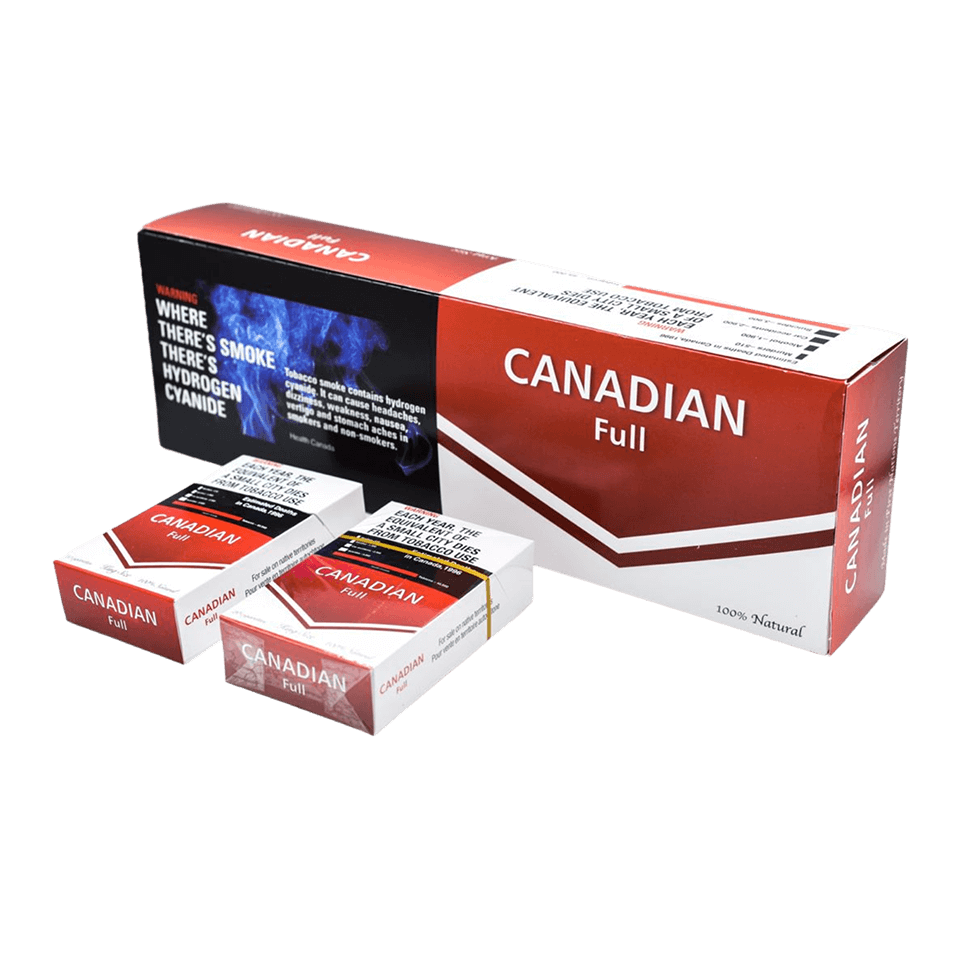
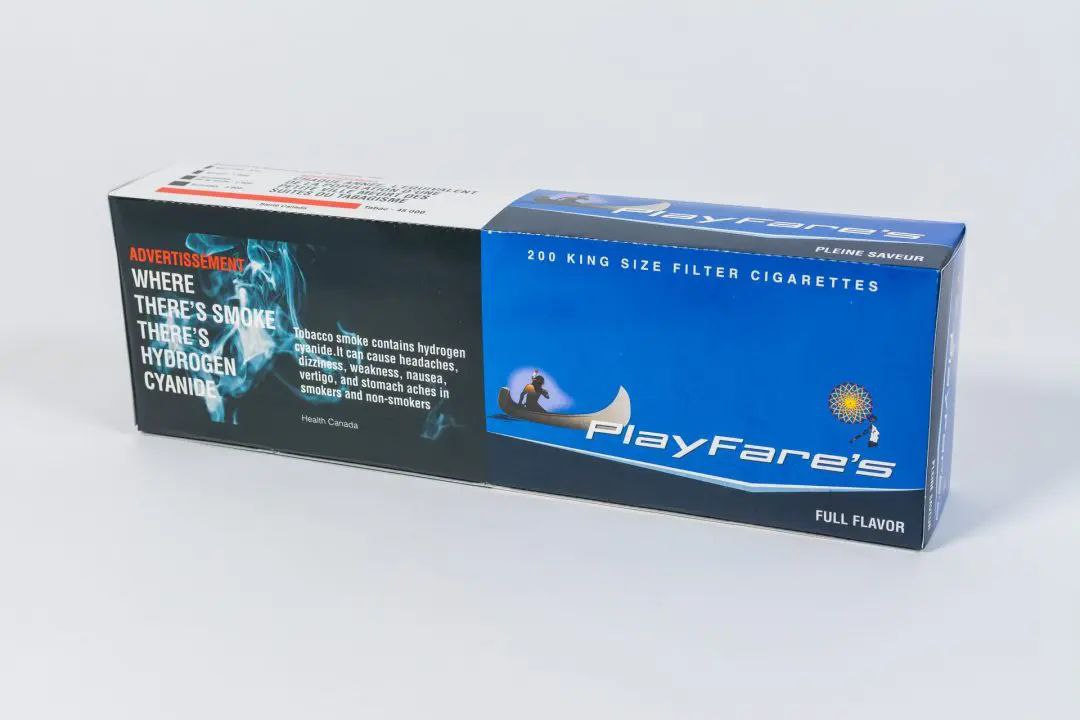
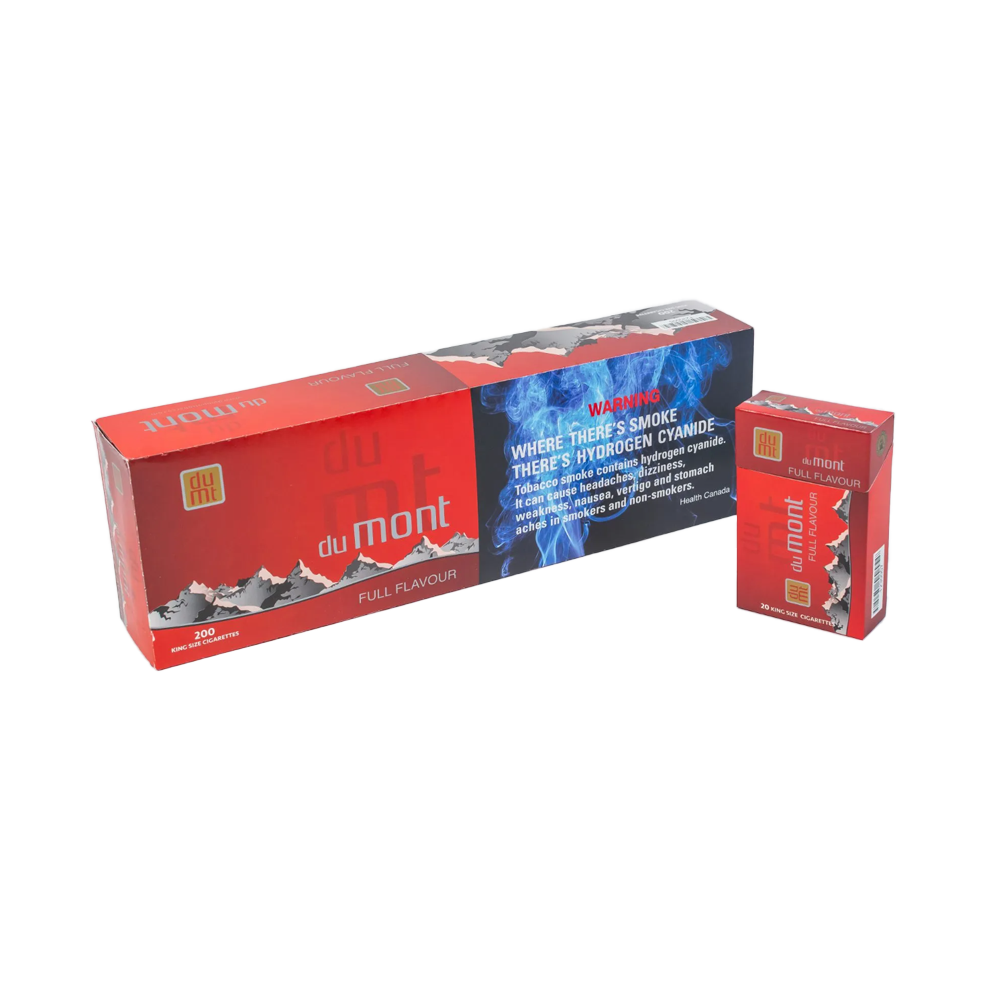
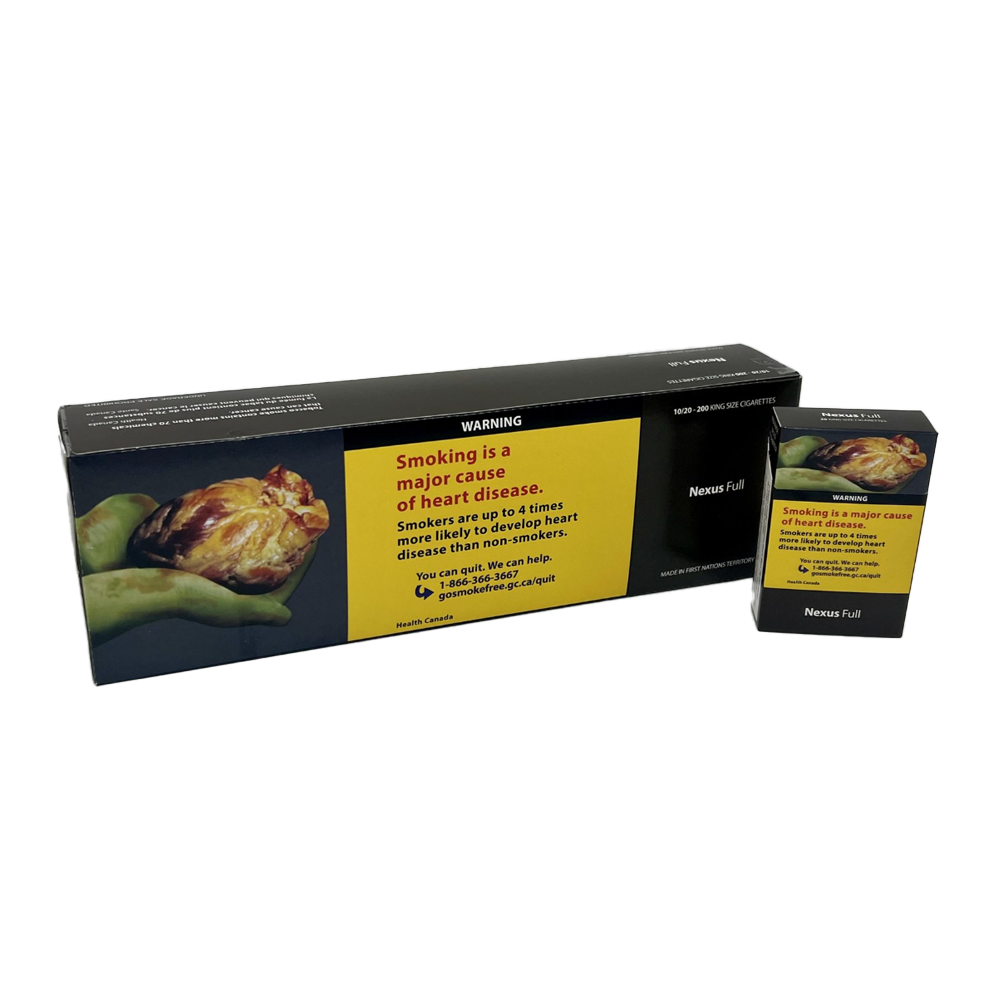
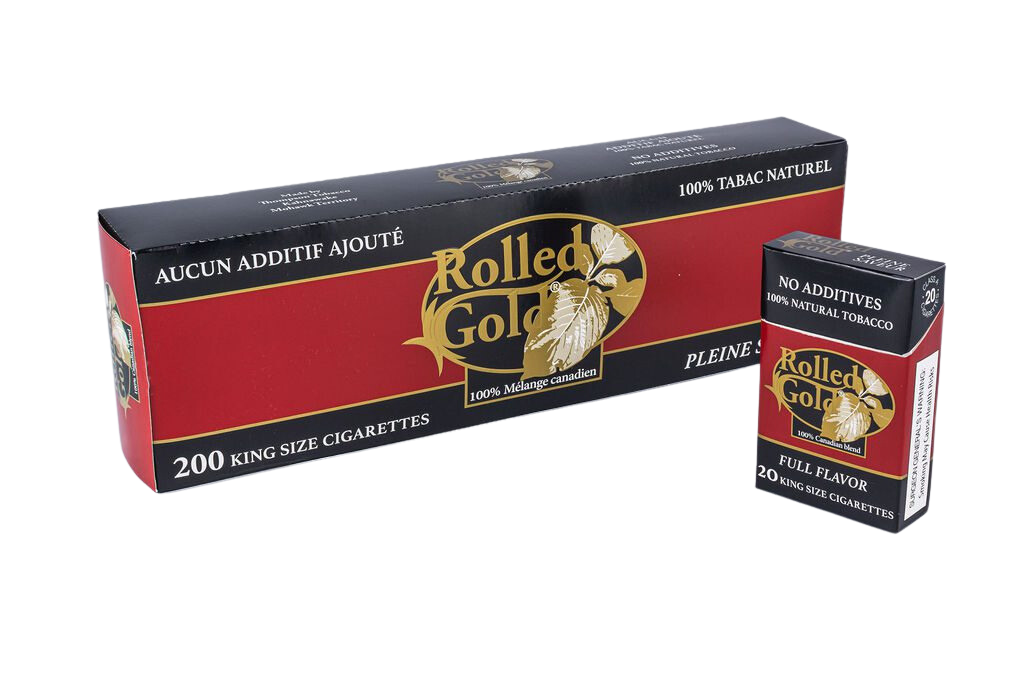
⭐ Excluded: BB light Manitoba, BB full Manitoba, Chanel Blueberry, Chanel ice. See all 29+ native brands at Cigstore.ca.
🚚 Delivery Across Canada – $29 Flat Rate
We ship to every province and territory using Canada Post, Purolator, FedEx, and UPS. Orders over $290 qualify for FREE shipping. Age verification (19+) required upon delivery.
📦 Same-day dispatch for orders before 2 PM EST. Tracking provided within 24 hours.
📚 You Might Also Enjoy These Articles
The Thirdhand Smoke Nightmare
How nicotine residue lingers in carpets and curtains.
How Canadian Cities Fight Cigarette Butt Litter
Fines, recycling, and public education.
The Strange Case of Cigarette Vending Machines
Where are they still legal?
Why Are Cigarettes So Expensive in Canada?
Complete federal & provincial tax breakdown.
Is It Legal to Buy Native Cigarettes Online?
Lawyer-reviewed legal guide.