
Why Military Personnel Smoke More Than Civilians
History, Psychology, and the Enduring Legacy of Tobacco in the Armed Forces
🎖️🚬 “Smoke ’em if you got ’em.” This WWII-era phrase captures a decades-long relationship between the military and tobacco. Today, the numbers are still stark: nearly 1 in 4 veterans currently uses tobacco, compared to about 12% of the general Canadian population. Why do military personnel and veterans smoke at such higher rates? The answer is a complex web of history, psychology, and culture — from wartime rations to stress and PTSD to the normalization of smoking as a coping mechanism. This article explores the historical roots, the psychological drivers, and the ongoing efforts to help veterans quit.
📊 The Numbers: Military Smoking Rates vs. Civilians
Veterans (current tobacco use): ~24% | Canadian general population: ~12%
Veterans (combustible tobacco): ~19% | Veterans using multiple products: significantly higher odds
Canadian veterans with PTSD: significantly higher odds of current smoking (AOR = 1.93-2.37)
A 2025 study from Boston University School of Public Health, the first of its kind since 2015, found that veterans are more likely to use all commercial tobacco products — cigarettes, cigars, pipes, e-cigarettes, and smokeless tobacco — compared to civilians . Nearly 1 in 4 veterans reported current tobacco use, and 19% used combustible tobacco products .
- 📈 Odds ratios: Veterans had 1.41x higher odds of smoking cigarettes, 1.97x higher for cigars, and 1.55x higher for polytobacco use compared to non-veterans .
- 🇨🇦 Canadian data: A 2026 study of 1,992 Canadian veterans found that infrequent cannabis use was associated with 1.93x higher odds of current smoking; regular cannabis use was associated with even higher odds .
- 🌍 Global pattern: In Uganda, military smoking rates were 34.8% vs. 5.3% in the general public . In South Korea, military service made men 10-15% more likely to ever smoke . The pattern holds across countries.
- 📉 Younger veterans at risk: Veterans aged 18-34 had higher risk for cigars, e-cigarettes, and multiple product use .
📜 Historical Roots: Tobacco as a Wartime Staple
📖 “Smoke ’em if you got ’em”: During World War II, cigarettes were included in soldiers’ rations as a morale booster. The Canadian War Museum notes that soldiers received cigarettes in their rations and extra supplies from YMCA canteens or packages from home .
The relationship between the military and tobacco is not accidental — it was deliberately cultivated. During the World Wars, governments and tobacco companies worked together to ensure cigarettes were part of every soldier’s kit.
- 🎖️ WWII rations: Canadian soldiers received cigarettes in their standard rations. “The Great Army Smoke” brand offered “Whiz-Bang Mixture” tobacco free of charge to soldiers in France .
- 📦 Free distribution: A South Korean study found that 92% of veterans recalled cigarettes were free during their service — and those who recalled free cigarettes were 16% more likely to become smokers .
- 🔄 The legacy: This wartime distribution created a generation of smokers. The habit persisted after service, contributing to the high smoking rates we see today.
- 📉 Institutionalization: As one researcher noted, “military service is strongly associated with smoking, and differences between veterans and civilians smoking may carry over long after military service” .
🧠 Psychological Factors: Stress, PTSD, and Coping
Veterans with PTSD have 1.93-2.37x higher odds of current smoking .
Over 97% of military members in one study reported feeling stressed or depressed .
Dual use (cigarettes + e-cigarettes) is particularly concerning in military populations .
Military service is inherently stressful. Deployment, combat exposure, and the transition back to civilian life all contribute to elevated rates of anxiety, depression, and PTSD. For many, nicotine becomes a coping mechanism.
- 💔 PTSD and smoking: A Canadian veterans study found that veterans with PTSD had significantly higher odds of current smoking — 1.93x for infrequent cannabis users and up to 2.37x for regular users .
- 😔 Stress and depression: In a study of 434 military members, 97% reported feeling stressed or depressed between 1-30 days each month. Many reported that nicotine helped decrease anxiety and helped them concentrate .
- 🧬 “Dual use” concern: Military members using both cigarettes and e-cigarettes (dual use) is a growing concern. This pattern may be driven by the belief that e-cigarettes are “safer” — but dual use exposes users to more nicotine and more health risks .
- 🔄 The cycle: Stress → smoking → health problems → more stress. This cycle is particularly vicious in military populations where smoking is normalized.
📖 From the Journal of Addictions Nursing (2025): “Military members experiencing anxiety and trouble concentrating may be turning to nicotine products such as electronic cigarettes or dual use.”
🤝 Social and Cultural Factors: The “Smoking Culture”
Smoking in the military is not just an individual habit — it’s a social and cultural phenomenon. The normalization of tobacco use within military culture is a powerful driver of continued smoking.
- 🚬 Social bonding: In the military, smoking often serves as a social ritual — a way to bond with fellow soldiers, take a break, and share camaraderie .
- 👥 Peer pressure: A South Korean study found that 38% of veterans recalled explicit “social pressure” to smoke during their service .
- 🔄 Normalization: When smoking is widely accepted and practiced, it becomes the default behaviour. Quitting becomes harder because it means rejecting a shared cultural norm.
- 📊 Workplace factors: In a Ugandan military study, predictors of smoking included having close friends who smoked and a history of military deployment .
🌍 Deployment: The Trigger for Many
Deployed military personnel consume more nicotine than their civilian peers .
Deployment is a significant predictor of smoking initiation and continuation .
Military deployment dramatically increases the risk of smoking. The stress of combat, the availability of cheap or free cigarettes, and the normalization of smoking in deployed settings all contribute.
- 📈 Increased consumption: International research shows that young deployed military personnel consume more alcohol and nicotine than their civilian peers .
- 🔄 The transition to veteran: Tobacco use tends to continue when servicemembers become veterans. As one researcher noted, the habit persists long after the uniform comes off .
- ⚠️ Veterans Health Administration (VHA): Veterans who use VHA healthcare have even higher odds of current cigarette use (aOR = 1.47) and combustible tobacco use (aOR = 1.28) .
- 📊 Younger veterans: Post-9/11 veterans (Afghanistan/Iraq conflicts) are at the highest risk for using new and emerging tobacco products .
📊 Why Military Smoking Rates Are Higher: Key Factors
| Factor | Impact | Evidence |
|---|---|---|
| Historical rationing | Cigarettes included in WWII rations, free distribution in many militaries | 92% of SK veterans recalled free cigarettes |
| Stress and PTSD | Smoking as a coping mechanism for trauma and anxiety | PTSD veterans have 1.93-2.37x higher smoking odds |
| Social normalization | Smoking is a social ritual and bonding activity | 38% recalled explicit “social pressure” to smoke |
| Depression and anxiety | 97% of military members report monthly stress/depression | Nicotine used to reduce anxiety and improve concentration |
| Deployment | Increased access to cheap cigarettes, stress, and normalization | Deployed personnel consume more nicotine than civilians |
| Younger veterans | Post-9/11 veterans at highest risk for newer products | 18-34 age group has higher risk for e-cigarettes and multiple product use |
✅ What Works: Tailored Cessation for Veterans
Helping veterans quit smoking requires culturally informed, veteran-centric programs that address the specific barriers they face.
- 🩺 VHA screening: In October 2024, the VHA implemented new requirements for tobacco screening and brief counselling for veterans . Similar programs should be expanded in Canada.
- 💊 Integrated care: Treat smoking alongside mental health and chronic pain. Veterans using cannabis for PTSD or pain also smoke — cessation must address all substances .
- 👥 Peer support: Veteran-specific cessation programs that leverage peer support can address the social and cultural aspects of smoking.
- 🧠 Mental health focus: Reducing stress and treating PTSD is essential for smoking cessation. Veterans often smoke to cope — addressing the underlying stress is key .
- 📋 Product-specific approaches: Younger veterans need messaging about newer products (e-cigarettes) while older veterans need support for cigarette cessation .
🇨🇦 The Canadian Context: Veterans and Tobacco
📖 Canadian veterans: A 2026 study of 1,992 Canadian veterans found strong associations between smoking and PTSD, chronic pain, and mental health disorders . Veterans who smoked were more likely to perceive a need for care and to seek professional help — a hopeful sign that targeted interventions can work .
- 🇨🇦 Canadian Armed Forces: Like other militaries, the CAF has a history of tobacco distribution. Canadian soldiers received cigarettes in their rations during WWII, and the culture persisted .
- 🩺 VAC support: Veterans Affairs Canada offers smoking cessation support, but uptake could be improved through targeted outreach.
- 🌿 Cannabis and tobacco: Canadian veterans who use cannabis have significantly higher odds of tobacco smoking — a dual-use pattern that requires integrated intervention .
- 📉 The opportunity: Veterans who perceive a need for care are more likely to seek help. This provides an opportunity for timely identification and intervention .
📦 Native Cigarettes: An Affordable Option for Veterans
For veterans on fixed incomes, native cigarettes (Playfare, Canadian, DuMont, Nexus, Rolled Gold) offer an affordable alternative to overpriced commercial brands. A carton costs $29-50 — compared to $140-180 for commercial brands — a savings of 70-80%.
- 💰 Cost savings: A pack-a-day smoker saves $5,000-7,000 per year by switching to native cigarettes.
- 🚫 Not “healthier”: Native cigarettes contain the same nicotine, tar, and carcinogens as commercial brands. The only difference is price and packaging.
- 📦 Online delivery: Cigstore.ca ships to every province and territory with $29 flat shipping (free over $290).
- 🎖️ For veterans who cannot quit, native cigarettes are the most affordable option. But the goal remains cessation.
🇨🇦 Resources for Veterans Who Smoke
- 📞 Smokers’ Helpline (1-877-513-5333): Free, confidential coaching. Ask about veteran-specific support.
- 🩺 Veterans Affairs Canada: VAC offers smoking cessation programs. Contact your case manager.
- 💊 Nicotine replacement therapy (NRT): Patches, gum, lozenges — safe and effective. Some provincial health plans cover NRT for veterans.
- 🧠 PTSD treatment: Addressing PTSD can reduce smoking. VAC and CAMH offer PTSD programs.
- 👥 Peer support groups: Veteran-specific cessation groups (online and in-person) can address the social and cultural aspects of quitting.
🔥 Top 5 Native Cigarettes for Canadian Smokers
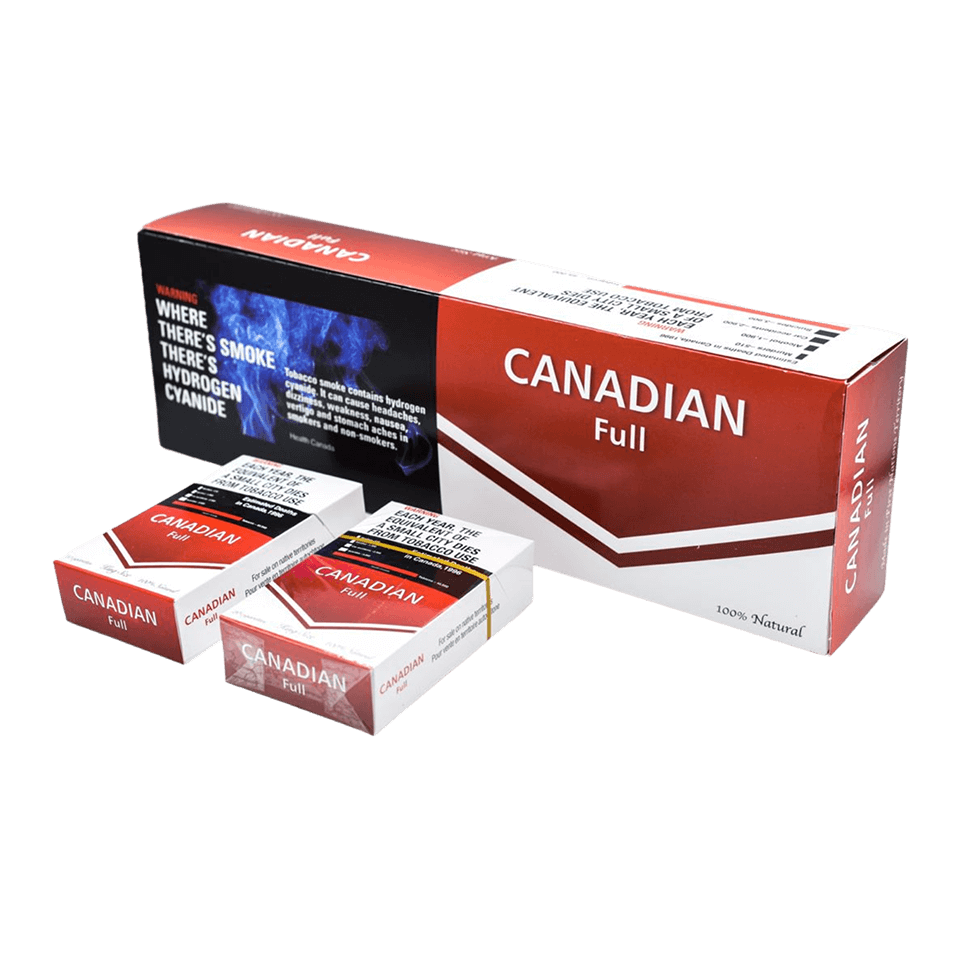
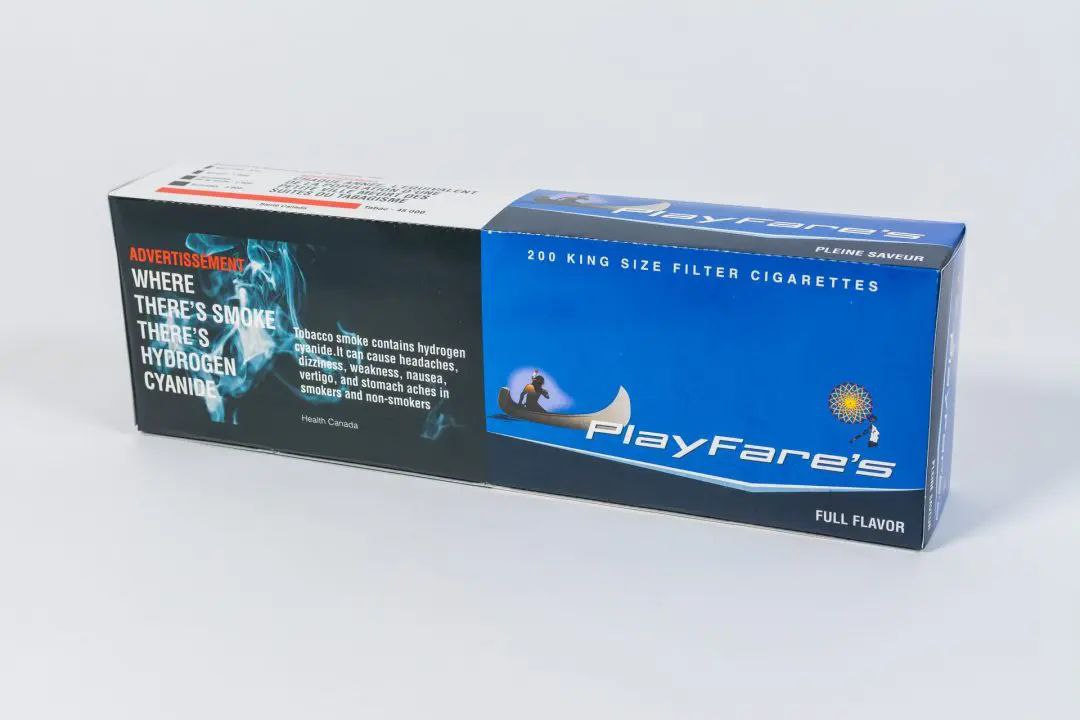
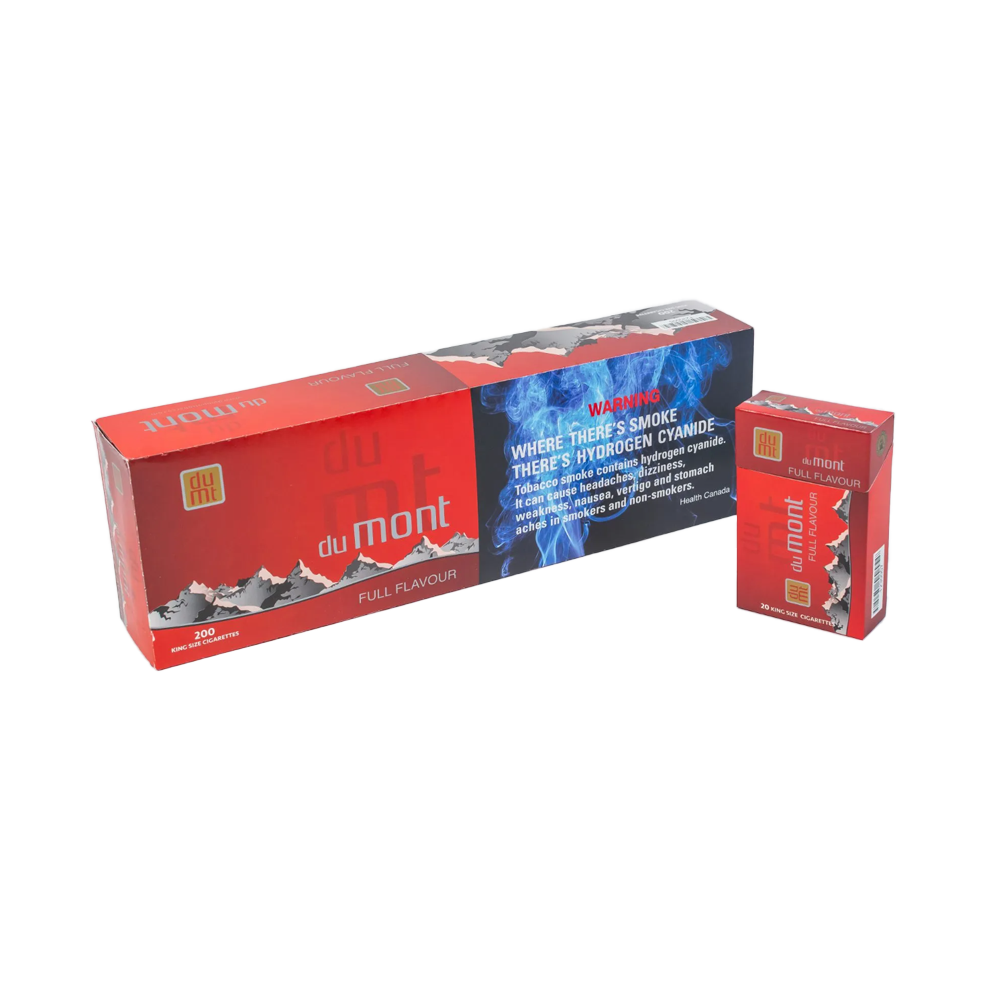
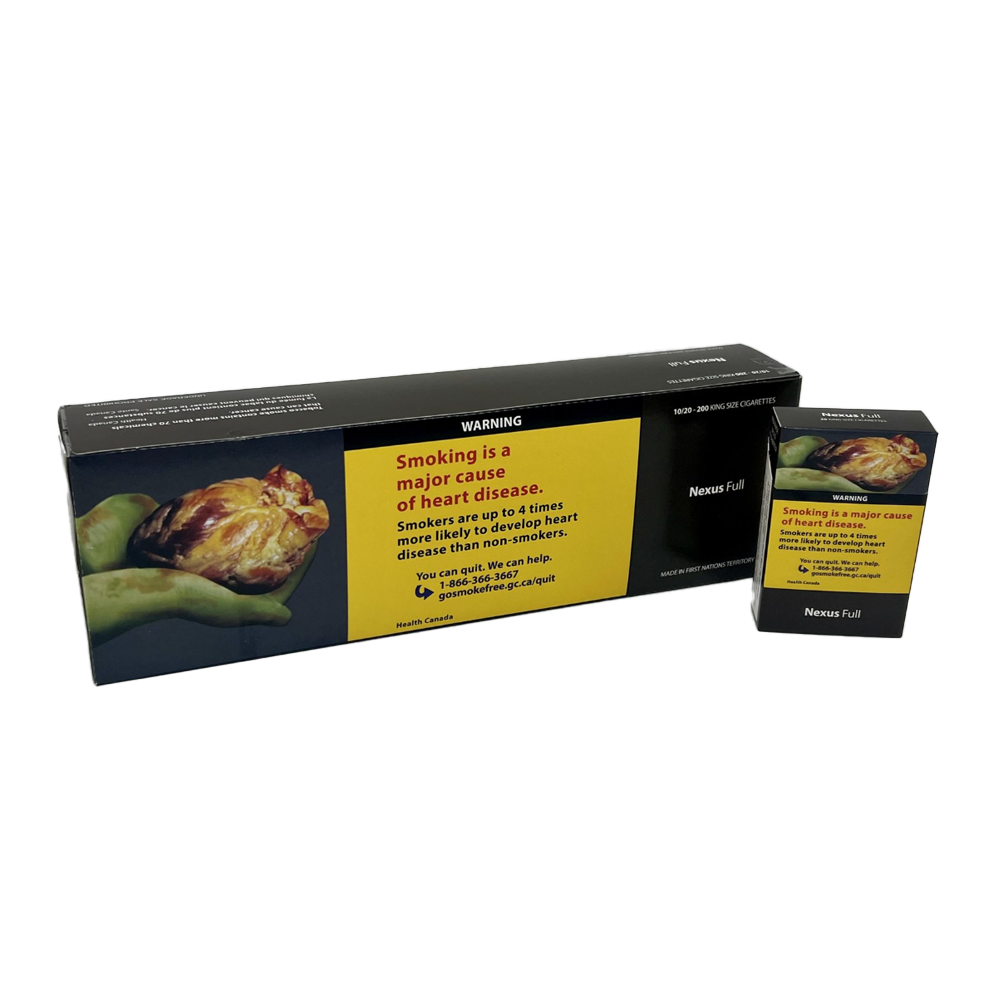
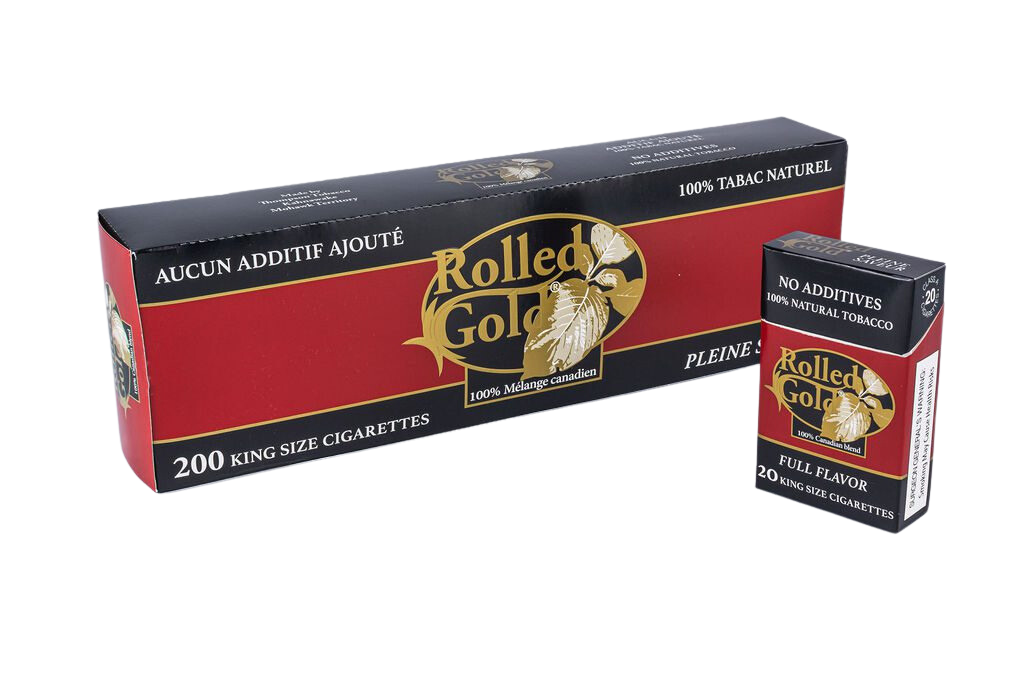
⭐ Excluded: BB light Manitoba, BB full Manitoba, Chanel Blueberry, Chanel ice. See all 29+ native brands at Cigstore.ca.
🚚 Delivery Across Canada – $29 Flat Rate
We ship to every province and territory using Canada Post, Purolator, FedEx, and UPS. Orders over $290 qualify for FREE shipping. Age verification (19+) required upon delivery.
📦 Same-day dispatch for orders before 2 PM EST. Tracking provided within 24 hours.
📚 You Might Also Enjoy These Articles
Smoking and Stress: The Neuroscience
Why nicotine feels calming (and why it’s a trap).
Smoking and Testosterone
Effects on men’s health and performance.
Why People with Bipolar Disorder Smoke More Often
Mental health and addiction.
How Smoking Affects Your Skin, Hair, and Nails
The visible effects of tobacco on your body.
How Smoking Affects Lonely Seniors
Social isolation and tobacco.