
Why British TV Characters Smoke Less Than American Ones
Regulation, Storytelling Tropes, and the Slow Decline of the Cigarette on UK Screens
📺🚬 Watch any American drama or sitcom from the 1990s and you’ll see cigarettes — from the Sex and the City girls to the brooding anti-heroes of prestige TV. Compare that to a British show from the same era, and the difference is stark: fewer characters light up, and when they do, they’re often villains. Why do British TV characters smoke less than their American counterparts? The answer is a mix of early broadcast advertising bans, changing cultural norms, and the use of smoking as a clear storytelling shorthand for villainy and insecurity. This article explores the history, the data, and the subtle cultural differences behind the UK’s smoke-free screens.
📜 The Early Broadcast Ban: A British Advantage
Television advertising for tobacco products has been prohibited since 1964 .
Radio advertising has been banned since 1978 .
This is nearly 40 years before similar restrictions in some parts of the US.
One of the most significant factors is the early and comprehensive ban on tobacco advertising in British broadcast media. The UK prohibited tobacco advertising on television in 1964 and on radio in 1978 [citation:2]. By contrast, the US only banned cigarette commercials on TV and radio in 1971 — and even then, tobacco companies shifted to product placement and print ads. The early UK ban meant that British audiences grew up without the glamorized cigarette commercials that were once common on American screens, setting a different cultural baseline. The UK Code of Broadcast Advertising now prohibits any advertising that promotes tobacco use or tobacco products across all broadcast media licensed by Ofcom [citation:2].
📊 The Data: UK Soaps vs. US Shows
A study of 68 episodes found higher frequencies of smoking in UK soaps compared with US dramas or sitcoms .
However, in UK soaps, smoking characters were disproportionately portrayed as insecure or villainous .
A 1986 content analysis of UK soap operas and US dramas and sitcoms found a fascinating paradox. While British soaps actually featured higher frequencies of smoking than their American counterparts, the portrayal was markedly different [citation:7][citation:10]. In British soaps, smoking was heavily associated with villainous, insecure, or morally ambiguous characters. It was a clear visual shorthand for “this person is not to be trusted” [citation:7][citation:10]. This pattern has persisted — a 2017 Coronation Street blog post noted that smoking in the show was “wheeled out as a way of demarkation between good and evil, right and wrong,” with characters like Nathan being made to smoke so that viewers “really, REALLY knew that a character was a bad ‘un” [citation:9].
A more recent study (2025) tracking UK soap operas from 2002 to 2022 found that tobacco content had significantly decreased over time (OR 0.15 95% CI 0.06–0.40) [citation:4]. Tobacco use was also increasingly shown in outdoor locations rather than indoors [citation:4].
🎭 The “Baddie Smoke” Trope: A Storytelling Device
Smoking in UK soap operas is often used to “separate the homely from the rough and ready” .
When a character stops smoking, they are considered to have “settled down” and become softer.
In British television, smoking is not just a character detail — it is a narrative signal. According to a Coronation Street blog, smoking was historically used to “separate the homely from the rough and ready in Weatherfield.” Characters like Bet, Vera, Elsie, Blanche, and Deirdre were regular smokers, while more “homely” characters like Annie Walker, Betty, and Emily rarely lit up [citation:9]. Even the show’s male characters (Len, Ray, Jerry, Stan) smoked regularly [citation:9].
However, as times changed, so did the habit. Former smokers like Liz, Steve, and even the rasping Peter have quit, leaving smoking as a badge of deviance. “Anyone who does inhale is now marked out as someone to watch,” the blog noted [citation:9]. In 2017’s Coronation Street, Nathan’s smoking was reportedly designed to “seal the deal as to his nature” — he was a villain, and the cigarette was proof [citation:9].
This contrasts with the US, where smoking has often been used to signal glamour, sophistication, or rebelliousness (think Audrey Hepburn or James Dean). British shows have largely avoided glamorizing smoking — instead, they use it as a sign of danger or insecurity.
🎬 Actor Comfort and Workplace Safety
Many non-smoking actors will not smoke, particularly in long-running shows .
Heavy smoking on set means that everyone — cameramen, gaffers, costumers — is inhaling secondhand smoke .
An often overlooked factor is the practical reality of production. A MovieChat discussion on the subject noted that “many non-smoking actors will not do this, particularly in a long running show” — meaning they refuse to smoke on screen, even with herbal cigarettes [citation:1]. There is also the issue of general smoking in a work environment. “If there is heavy smoking on the set, that means that everyone on set; cameramen, gaffers, costumers, etc; is inhaling secondhand smoke” [citation:1].
British actor Paul Eddington, best known for Yes, Minister, famously asked the writer of The Good Life to stop his character from smoking. “Being an intelligent, thoughtful man with a strong social conscience, and realising how inappropriate it was to portray smoking as part of the good life,” he simply stopped smoking in the part — and the writer agreed [citation:8]. Eddington later resigned from a theatre board over tobacco sponsorship and helped ASH (Action on Smoking and Health) work towards the UK’s advertising ban [citation:8].
⏳ Period Dramas: A Different Story (But Even They Are Changing)
Shows set in the 1950s-60s (like The Crown) show heavy smoking — but consequences are not concealed . In 1962, 70% of men and 43% of women smoked in the UK .
British period dramas like The Crown and The Doctor Blake Mysteries still feature extensive smoking for historical accuracy. In the 1950s and 1960s, smoking was ubiquitous, and any period-authentic show would reflect that [citation:1]. The Crown deals with smoking’s consequences head-on, including King George VI’s death from lung cancer [citation:3]. A BMJ blog noted that “the consequences are not concealed” — the series explicitly shows the cost of the habit [citation:3].
However, even period shows are finding ways to reduce the actual smoking on set. Some productions use herbal cigarettes, while others show cigarettes being lit and immediately extinguished, avoiding any actual puffing [citation:1]. One viewer observed a trick: characters would start a scene with a lit cigarette already in their mouths, “never smoke it,” and quickly flick it away or grind it out — “a clever way to ‘show cigarettes’ (for accuracy) without actually smoking” [citation:1].
🛡️ A Cultural Consensus Against Glamorisation
Sponsorship of programming with the aim of promoting electronic cigarettes is prohibited .
Tobacco branding has long been a prohibited sponsor category .
Beyond the advertising ban, there is a broader cultural and regulatory environment in the UK that discourages smoking on screen. Ofcom regulations prohibit tobacco sponsorship of programming, and since 2016, sponsorship promoting electronic cigarettes has also been banned [citation:6]. The long-standing ban on advertising has helped normalize smoke-free public spaces, and this has seeped into television content. As a MovieChat user noted, there is “an extreme anti-smoking campaign that includes no-brand cigarette packaging with graphic warnings… This might have something to do with sparse displays in programs, not as a compliance issue, but just as a tacit agreement to not glorify usage” [citation:1].
📦 Native Cigarettes: The Affordable Option for Canadian Smokers
While British TV characters may be smoking less, many Canadian smokers still need affordable options. Native cigarettes (Playfare, Canadian, DuMont, Nexus, Rolled Gold) cost $29-50 per carton — compared to $140-180 for commercial brands — a savings of 70-80%.
- 💰 Cost savings: A pack-a-day smoker saves $5,000-7,000 per year by switching to native cigarettes.
- 🚫 Not “healthier”: Native cigarettes contain the same nicotine, tar, and carcinogens as commercial brands.
- 📦 Online delivery: Cigstore.ca ships to every province and territory with $29 flat shipping (free over $290).
🇨🇦 Resources for Smokers
- 📞 Smokers’ Helpline (1-877-513-5333): Free, confidential telephone coaching.
- 💊 Nicotine replacement therapy (NRT): Patches, gum, lozenges — safe and effective.
- 📱 QuitNow (quitnow.ca): Free app with tracking and community support.
- 🩺 Your doctor: Medications like varenicline (Champix/Chantix) and bupropion (Zyban/Wellbutrin) can help.
🔥 Top 5 Native Cigarettes for Canadian Smokers



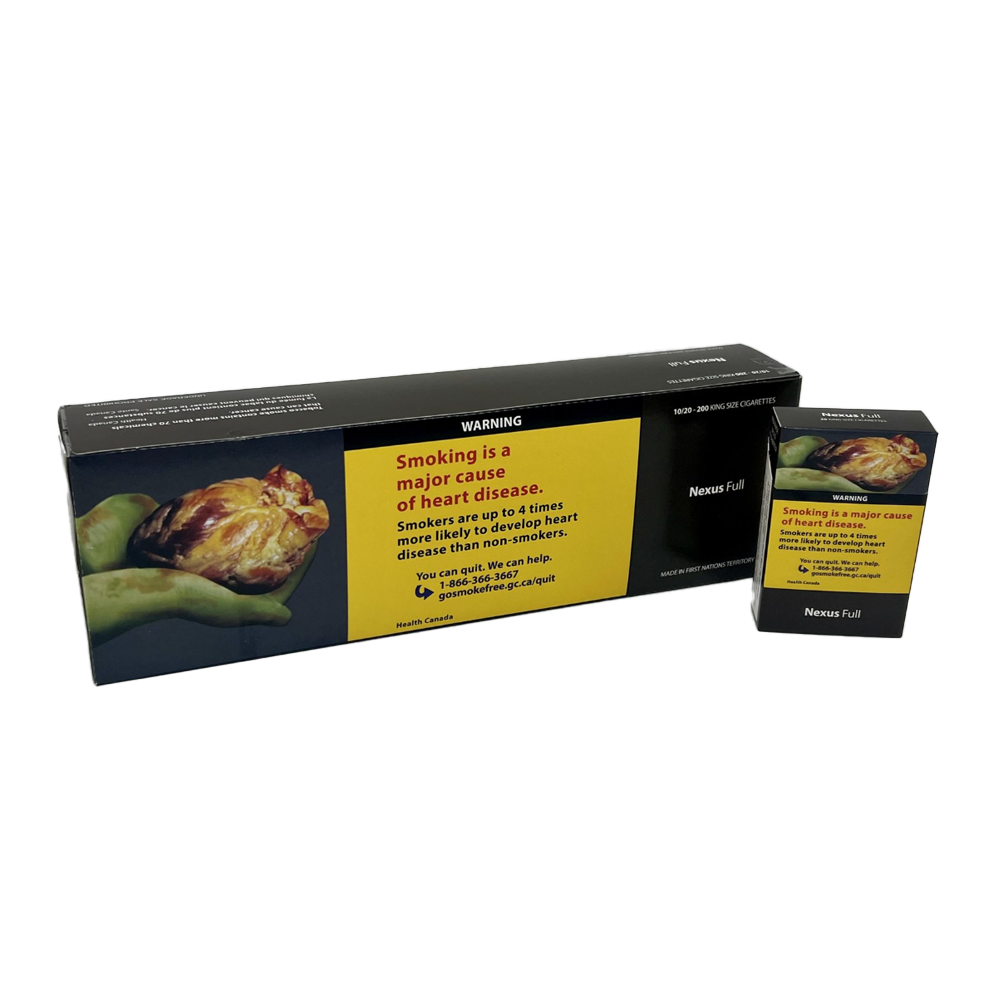
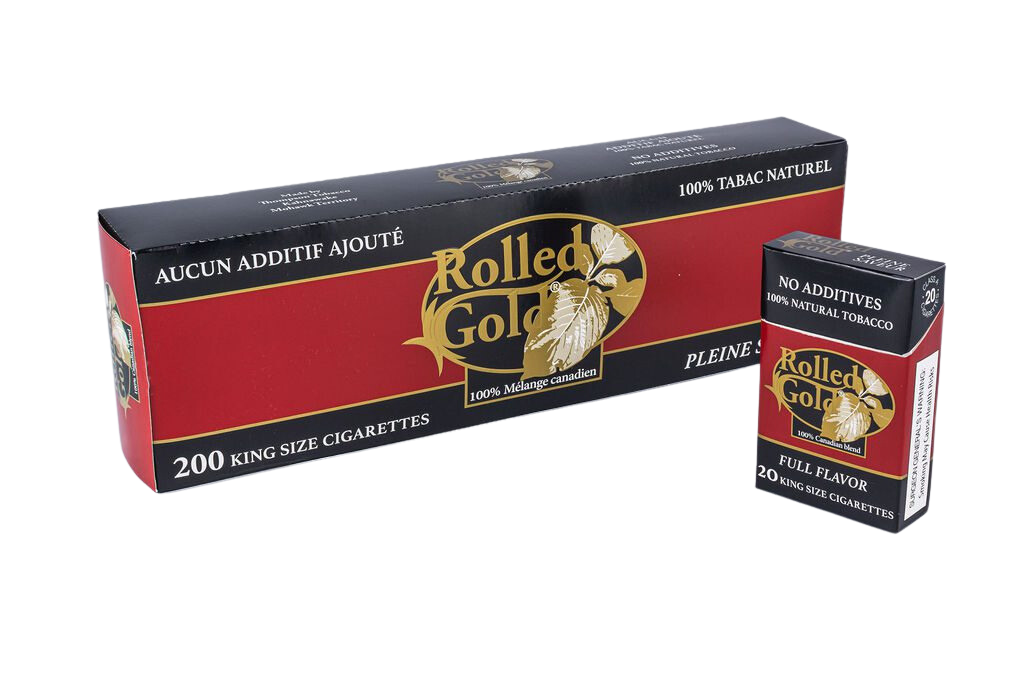
⭐ Excluded: BB light Manitoba, BB full Manitoba, Chanel Blueberry, Chanel ice. See all 29+ native brands at Cigstore.ca.
🚚 Delivery Across Canada – $29 Flat Rate
We ship to every province and territory using Canada Post, Purolator, FedEx, and UPS. Orders over $290 qualify for FREE shipping. Age verification (19+) required upon delivery.
📦 Same-day dispatch for orders before 2 PM EST. Tracking provided within 24 hours.
📚 You Might Also Enjoy These Articles
Why Modern Movie Characters Rarely Smoke
The MPAA rating shift that changed Hollywood.
Why Sitcoms in the ’90s Rarely Showed Smoking
Cultural shifts on television.
Most Famous Canadian Cigarette Slogans
From “More doctors smoke Camels” to plain packaging.
Cigarettes and Jazz: The History of a Cultural Symbol
From New Orleans speakeasies to the ‘jazz cigarette’.
Smoking in Canadian Movies
From cool to condemned — the on-screen journey of tobacco.