
How Smoking Affects Self-Esteem and Confidence
The Psychological Feedback Loop — From Adolescent Identity to the Stigma Trap
🧠🚬 For many, the first cigarette is an act of confidence — a teenage rebellion, a performance of adulthood, a ticket to the “cool” group. But over time, the relationship between smoking and self-esteem becomes far more complex. Smoking can both boost and erode self-worth. It can be a crutch for social anxiety, a symbol of identity, and a source of shame. This article explores the psychological feedback loop between smoking and self-esteem: how smoking becomes part of the “smoker identity,” how stigma erodes confidence, and why quitting can feel like losing a part of oneself.
🚬 The Adolescent Boost: When Smoking Builds Confidence
Most smokers start before age 18 — a critical period of identity formation.
At this age, smoking is often adopted as a symbol of adulthood, rebellion, or social belonging.
For many people, smoking begins in adolescence — a stage defined by identity exploration. Teens take on the “smoker” identity as a way to signal maturity, rebellion, or group belonging. Once internalized, this identity persists long after the original reasons for smoking have faded.
- 🎭 The “cool” smoker: For many teens, smoking was a way to appear older, cooler, or more rebellious. The identity was aspirational — a performance of adulthood.
- 👥 Social identity theory: Smokers often form social bonds with other smokers. The “smoker” identity becomes tied to a social group — quitting means not just giving up nicotine, but potentially losing social connections.
- 📉 Identity persistence: Even after the social context changes, the identity persists. It has become a habit of self-perception.
- 🧠 The labeling effect: Once you label yourself a “smoker,” your brain seeks evidence that confirms that label. Every cigarette reinforces the identity.
📖 From developmental psychology: “Adolescence is a critical period for identity formation. Behaviors adopted during this stage — including smoking — can become central to self-concept, persisting long after the original motivations have faded.”
👥 Nicotine as a Social Lubricant: The “Confidence Boost”
Nicotine acts on the amygdala, temporarily reducing social anxiety .
Smokers report feeling more confident in social situations when they can smoke .
This is a real effect — but it comes at a cost.
Nicotine is a psychoactive drug that temporarily reduces anxiety. For people with social anxiety, smoking can feel like a solution — a way to calm the nerves before a party, a date, or a presentation. The effect is real, but it creates a dangerous dependency.
- 🧠 Amygdala action: Nicotine dampens activity in the amygdala, the brain’s fear and anxiety center. This creates a temporary feeling of calm.
- 📉 The confidence illusion: Smokers often believe they need a cigarette to feel confident. Without one, they feel anxious and insecure.
- 🔄 The trap: The anxiety returns when nicotine levels drop. The smoker needs another cigarette to feel “normal” again — not “confident,” just normal.
- 📊 Data: A study of social anxiety and smoking found that individuals with social anxiety were significantly more likely to smoke and had greater difficulty quitting .
🪞 The Identity Trap: When Smoking Becomes “Who You Are”
Smokers who identify strongly with the “smoker” label are 50-70% less likely to attempt to quit than those who view smoking as a behavior rather than an identity.
The label “smoker” is not neutral — it carries psychological weight. Once you internalize it, quitting becomes not just changing a behavior, but changing who you are.
- 📉 Identity-based motivation: Your brain automatically filters information to align with your self-concept. If you believe “I am a smoker,” your brain will notice opportunities to smoke and rationalize continued smoking.
- 🔄 Behavioral confirmation: Acting in accordance with the label (“I’m a smoker, so I should have a cigarette now”) reinforces the identity.
- 📊 The “non-smoker” vs. “ex-smoker” distinction: Research shows that people who identify as “non-smokers” have higher long-term quit success than those who identify as “ex-smokers” (who still see themselves as smokers who have stopped).
- ⚠️ The danger of the label: As long as you call yourself a “smoker,” your brain will consider smoking a part of your identity — and will resist its removal.
😔 The Stigma Trap: How Social Judgment Erodes Self-Worth
Smokers are increasingly stigmatized in Canadian society.
This stigma can trigger defensiveness and shame — which paradoxically strengthens the smoker identity.
As smoking rates have declined, smokers have become a stigmatized minority. This social stigma triggers psychological defenses that can actually strengthen the smoker identity.
- 😤 Reactance theory: When people feel that their freedom to choose is threatened, they often double down on the threatened behavior. Anti-smoking messages can paradoxically increase smoking in some individuals.
- 🔄 The “rebel” identity: For some smokers, the stigmatization of smoking reinforces the “rebel” identity they adopted in adolescence. They smoke because it’s forbidden.
- 📉 In-group solidarity: Stigma can strengthen in-group bonds. Smokers may band together against “judgmental non-smokers,” reinforcing their shared identity.
- 🧠 Cognitive dissonance intensifies: When society tells you “smoking is bad” and you smoke, you need stronger rationalizations to reduce dissonance.
- 📊 Shame and self-esteem: Smokers report higher levels of shame and lower self-esteem than non-smokers — largely due to the stigma they face .
📖 From a 2020 study on smoking and self-esteem: “Smokers who reported higher levels of perceived stigma had significantly lower self-esteem scores, and this effect was mediated by increased shame and social withdrawal.”
🔄 The Vicious Cycle: How Low Self-Esteem Drives Smoking
Low self-esteem → Smoking (to cope with negative emotions) → Stigma → Lower self-esteem → More smoking.
Smoking and low self-esteem create a vicious cycle. People with low self-esteem are more likely to start smoking and less likely to quit .
- 😔 Coping mechanism: Smoking is often used to cope with negative emotions — including low self-esteem and self-criticism.
- 🔄 Reinforcement: Each cigarette temporarily relieves negative emotions, reinforcing the cycle.
- 📉 The quit barrier: People with low self-esteem may feel they “don’t deserve” to quit or that they are “too weak” to succeed.
- 🧠 The evidence: A 2015 systematic review found that self-esteem was consistently lower in smokers than non-smokers, and that low self-esteem predicted smoking initiation and difficulty quitting.
💪 Quitting: Reclaiming Self-Esteem and Confidence
Former smokers report significantly higher self-esteem than continuing smokers .
The act of quitting is a powerful affirmation of self-worth.
When you quit smoking, you are not just stopping a habit — you are making a statement to yourself: “I am worth protecting. I deserve to be healthy.” This act of self-care can dramatically boost self-esteem.
- 📉 Breaking the identity: Quitting requires you to shed the “smoker” label. This can be challenging, but it opens the door to a new identity as a “non-smoker” or a “person who values their health.”
- 💰 Financial confidence: Quitting puts thousands of dollars back in your pocket. This financial freedom boosts confidence and reduces stress.
- 🩺 Health improvements: Better physical health leads to better mental health. Former smokers report lower levels of depression and anxiety.
- 👥 Social acceptance: Former smokers are no longer stigmatized. They can participate in social situations without shame.
- 📈 A 2018 study: Found that former smokers had self-esteem scores comparable to never-smokers within 12 months of quitting.
🛡️ Strategies for Breaking the Cycle
- 💬 Change your self-talk: Instead of “I’m trying to quit,” say “I’m not a smoker.” Language shapes identity.
- 📝 Write a new narrative: Write down your identity as a non-smoker. “I am a person who values health. I am a non-smoker.”
- 👥 Find a new social group: If your social identity is tied to smoking, you need a new social reference group.
- 🔄 Identify as a “non-smoker,” not an “ex-smoker”: “Non-smoker” identity leads to better long-term outcomes.
- 💰 Redirect your savings: Use the money saved from quitting (up to $7,000/year) to invest in a new identity — a gym membership, new hobbies, travel.
- 📞 Seek support: The Smokers’ Helpline (1-877-513-5333) offers coaching that addresses the psychological and identity-based aspects of addiction.
📦 Native Cigarettes: The Same Identity Trap
Native cigarettes (Playfare, Canadian, DuMont, Nexus, Rolled Gold) cost $29-50 per carton — compared to $140-180 for commercial brands — a savings of 70-80%. However, they are still cigarettes. Smoking native cigarettes will not change your identity as a smoker. The label remains. The cognitive dissonance remains. The social identity remains. Switching brands does not change who you believe you are.
- 💰 Cost savings: A pack-a-day smoker saves $5,000-7,000 per year by switching to native cigarettes.
- 🧠 Same identity, same dissonance: Native cigarettes do not help you escape the “smoker” identity.
- 📦 Online delivery: Cigstore.ca ships to every province and territory with $29 flat shipping (free over $290).
- 🪞 If you want to change your identity, you need to quit — not just switch brands.
🇨🇦 Resources for Smokers
- 📞 Smokers’ Helpline (1-877-513-5333): Free, confidential coaching. Ask about identity-based strategies.
- 💊 Nicotine replacement therapy (NRT): Patches, gum, lozenges — safe and effective.
- 📱 QuitNow (quitnow.ca): Free app with tracking and community support.
- 🩺 Your doctor: Medications like varenicline (Champix/Chantix) and bupropion (Zyban/Wellbutrin) can help.
- 🧠 CBT for self-esteem: Cognitive-behavioural therapy can help restructure self-worth and identity.
🔥 Top 5 Native Cigarettes for Canadian Smokers
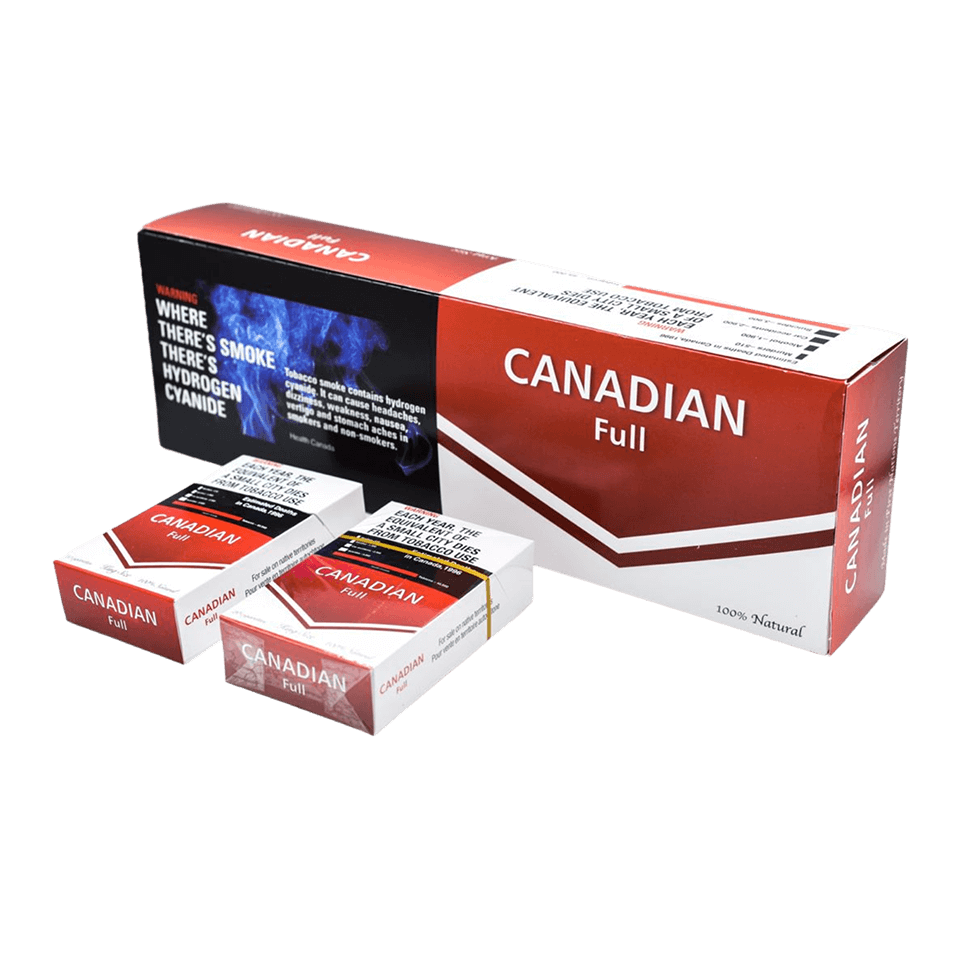



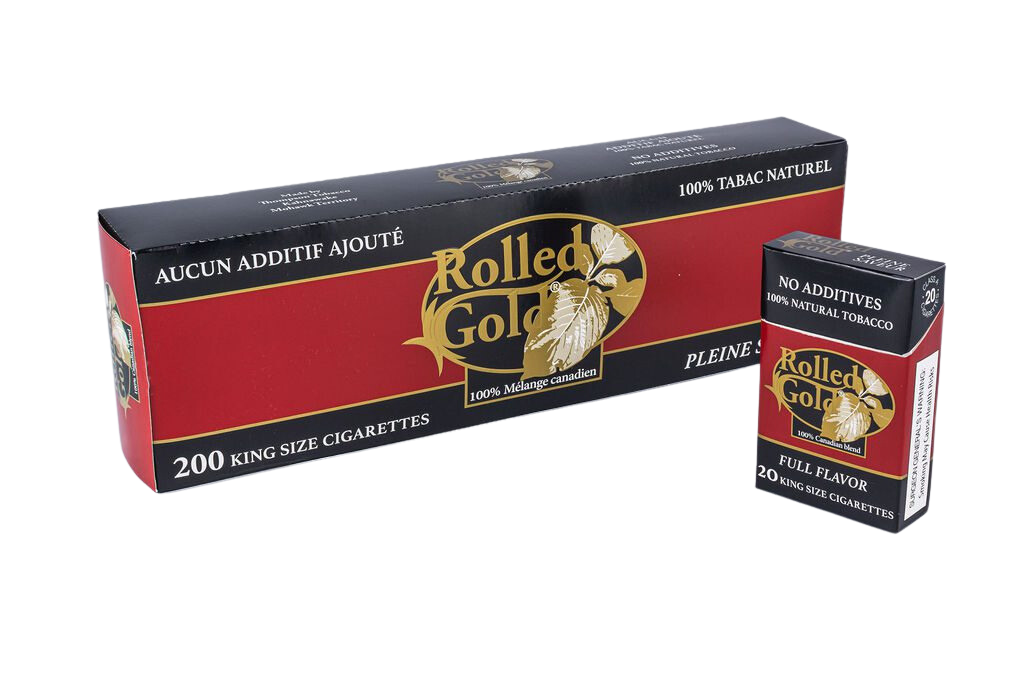
⭐ Excluded: BB light Manitoba, BB full Manitoba, Chanel Blueberry, Chanel ice. See all 29+ native brands at Cigstore.ca.
🚚 Delivery Across Canada – $29 Flat Rate
We ship to every province and territory using Canada Post, Purolator, FedEx, and UPS. Orders over $290 qualify for FREE shipping. Age verification (19+) required upon delivery.
📦 Same-day dispatch for orders before 2 PM EST. Tracking provided within 24 hours.
📚 You Might Also Enjoy These Articles
How Smoking Affects Self-Perception and Identity
The ‘smoker’ identity and its psychological grip.
Why Smokers Overestimate Their Ability to Quit
The ‘optimism of addiction’.
Smoking and Stress: The Neuroscience
Why nicotine feels calming (and why it’s a trap).
Why Smokers Relapse After Months of Abstinence
Triggers and the ‘one cigarette’ phenomenon.
The ‘One More Loop’
Why it’s so hard to stop after the first cigarette.