
Why Smokers Underestimate the Risks
Cognitive Biases — Optimism, Probability Neglect, Interpretation Bias, and the Dunning-Kruger Effect
🧠🚬 “I know smoking is bad, but it won’t happen to me.” This is the mantra of millions of smokers — and it’s not just stubbornness. It’s a predictable pattern of cognitive biases. Decades of research show that smokers systematically underestimate their personal risk of smoking-related diseases. They acknowledge the statistics — but don’t apply them to themselves. This article explores the psychological mechanisms behind this disconnect: optimism bias, probability neglect, interpretation bias, and even the Dunning-Kruger effect.
😊 The Optimism Bias: “It Won’t Happen to Me”
Smokers believe they have a lower risk of developing lung cancer than the average smoker .
Their perceived risk barely increases with the number of cigarettes smoked per day .
The optimism bias is the tendency to believe that negative events are less likely to happen to oneself than to others. Smokers exhibit this bias to an extreme degree. A US national survey found that smokers consistently believed they were at lower risk of lung cancer than the average smoker — a classic optimism bias .
- 📊 The data: Smokers who acknowledge the statistical risk still apply it to “other smokers,” not to themselves .
- 🧠 Bayesian explanation: Smokers’ prior beliefs are so heavily weighted that new evidence barely moves their personal risk estimate. Their brain treats epidemiological studies as “about other people,” not about themselves.
- 📉 The “exercise myth”: Over 50% of smokers believe that exercise “undoes” most of the effects of smoking — a dangerous rationalization .
- 📋 1993 study: McKenna et al. found that smokers rated their own risk as lower than the average smoker, a standard optimism bias .
📖 From the NIH (2005): “Smokers cannot be interpreted as making a choice in the presence of full information about the potential harm.”
📊 Probability Neglect: When Statistics Don’t Register
People often rely on anecdotes rather than statistics when evaluating personal risk.
“My grandfather smoked to 90” outweighs epidemiological data in the smoker’s mind.
Probability neglect is the tendency to ignore statistical probabilities in favour of concrete examples or emotional narratives. For smokers, this means that the memory of a relative who smoked into old age “proves” that smoking isn’t that dangerous — while the thousands of relatives who died young are forgotten.
- 📉 The “appeal to probability” fallacy: As one psychologist notes, smokers often argue: “Not all smokers get cancer” or “My grandfather smoked to 90” — ignoring statistical reality .
- 🧠 Availability heuristic: The brain overweights easily recalled examples (the one healthy elderly smoker) and underweights statistical evidence (the thousands of dead smokers).
- 📋 Risk perception is malleable: A 1997 study found that how risk questions are framed dramatically changes smokers’ estimates — suggesting that risk perception is not stable but context-dependent .
- 📉 The result: Smokers consistently underestimate their personal risk, even when they can recite the statistics for “smokers in general.”
🧩 Interpretation Bias: The Brain Sees What It Wants to See
Smokers generate more smoking-related interpretations of ambiguous situations than non-smokers .
This bias is positively correlated with cigarette consumption and nicotine dependence .
Interpretation bias is the tendency to interpret ambiguous information in a way that confirms one’s existing beliefs or habits. A 2024 study published in Scientific Reports found that smokers spontaneously generate more smoking-related interpretations of ambiguous scenarios than non-smokers .
- 🔍 The experiment: Participants were given ambiguous scenarios and asked to complete them. Smokers generated more smoking-related continuations than non-smokers .
- 📊 Dose-response: The tendency to interpret situations in a smoking-related way was positively associated with cigarette consumption and nicotine dependence .
- 🚬 No “light” smoking: A 2024 study found that even light/occasional smokers show these cognitive biases — there is no “safe” level of cognitive distortion .
- 🔄 The cycle: Interpretation bias reinforces the habit — the brain constantly sees smoking as a viable response to situations, making quitting harder.
📖 From Scientific Reports (2024): “The present study is the first to demonstrate smoking-related interpretation biases in relation to current cigarette smoking.”
📉 The Dunning-Kruger Effect: Overestimating Health, Underestimating Risk
Older adults who overestimate their health are more likely to smoke .
The Dunning-Kruger effect arises from “inadequate self-perceived health” — they feel healthier than they are .
The Dunning-Kruger effect is the tendency for people with limited knowledge or self-awareness to overestimate their competence. A 2023 study of older Chinese adults found a clear Dunning-Kruger effect in smoking behavior: participants who overestimated their health status were significantly more likely to smoke .
- 📋 The mechanism: Older adults with better self-rated health (or those whose chronic conditions had little impact on daily life) were more likely to smoke .
- 🧠 The delusion: Because they felt healthy, they underestimated the cumulative damage smoking was doing to their bodies.
- ⚠️ The risk: People who overestimate their health are less likely to seek preventive care or consider quitting .
- 🔄 The solution: Public health institutions should improve health perceptions so that people objectively understand their own health status .
🤔 The Knowledge-Action Gap: Knowing Isn’t Enough
Smokers consistently acknowledge that smoking increases health risks, but they judge the size of these increases to be smaller and less well-established than non-smokers do .
Smokers are not ignorant. They know smoking is dangerous. But they minimize the personal relevance of those risks. As a 1998 review concluded, “smokers continue to minimize their personal health risks” .
- 📉 The gap: Knowledge does not translate into risk perception. Smokers know the stats — but don’t apply them to themselves.
- 🧠 Cognitive dissonance: The conflict between “I know smoking is bad” and “I smoke” is resolved through rationalization — which smokers are very good at.
- 📋 The myth of “informed choice”: Because smokers systematically underestimate their personal risk, smoking cannot be described as an informed choice .
- 🔄 The trap: Each cigarette reinforces the rationalization, making quitting harder.
🛡️ How to Break the Cognitive Bias Cycle
- 📊 Personal risk calculators: Interactive tools that calculate personalized lung cancer risk (based on pack-years, age, gender) can temporarily reduce optimism bias.
- 📅 Confront the “grandfather” myth: If you say “my grandfather smoked to 90,” ask yourself: how many relatives died early from smoking? The exception does not disprove the rule.
- 🧠 Mindfulness training: Mindfulness can reduce reactivity to cravings and improve executive function, counteracting the cognitive biases.
- 📋 Cognitive bias modification: Training smokers to attend to risk information rather than avoid it can shift their perceptions over time.
- 📞 Seek help: The most effective strategy is to use evidence-based cessation tools (NRT, counselling) rather than relying on overestimated willpower.
- 🩺 Talk to your doctor: A simple conversation with a healthcare provider can challenge the Dunning-Kruger effect by providing objective health feedback.
📦 Native Cigarettes: The Same Cognitive Biases Apply
Native cigarettes (Playfare, Canadian, DuMont, Nexus, Rolled Gold) cost $29-50 per carton — compared to $140-180 for commercial brands — a savings of 70-80%. However, they contain the same nicotine and have the same effect on risk perception. Smokers of native brands exhibit the same optimism bias, the same probability neglect, and the same Dunning-Kruger effect as smokers of commercial brands.
- 💰 Cost savings: A pack-a-day smoker saves $5,000-7,000 per year by switching to native cigarettes.
- 🧠 Same cognitive biases: Nicotine is nicotine. Native cigarettes will not change how your brain processes risk.
- 📦 Online delivery: Cigstore.ca ships to every province and territory with $29 flat shipping (free over $290).
- 📊 If you want to overcome the cognitive biases driving your addiction, you need to quit — not just switch brands.
🇨🇦 Resources for Smokers
- 📞 Smokers’ Helpline (1-877-513-5333): Free, confidential coaching. Ask about cognitive bias strategies.
- 💊 Nicotine replacement therapy (NRT): Patches, gum, lozenges — safe and effective.
- 📱 QuitNow (quitnow.ca): Free app with tracking and community support.
- 🩺 Your doctor: Medications like varenicline (Champix/Chantix) and bupropion (Zyban/Wellbutrin) can help.
- 🧠 CBT for addiction: Cognitive-behavioural therapy can help identify and challenge the cognitive biases that perpetuate addiction.
🔥 Top 5 Native Cigarettes for Canadian Smokers



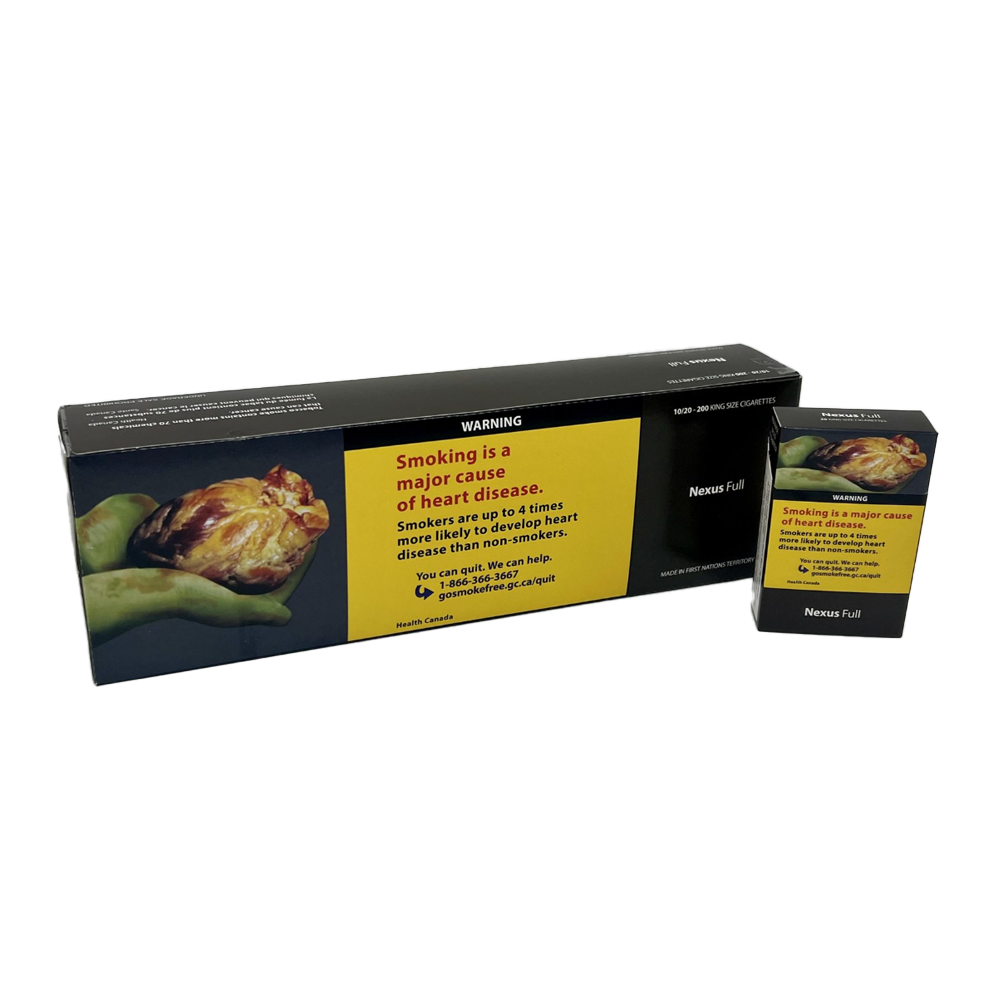
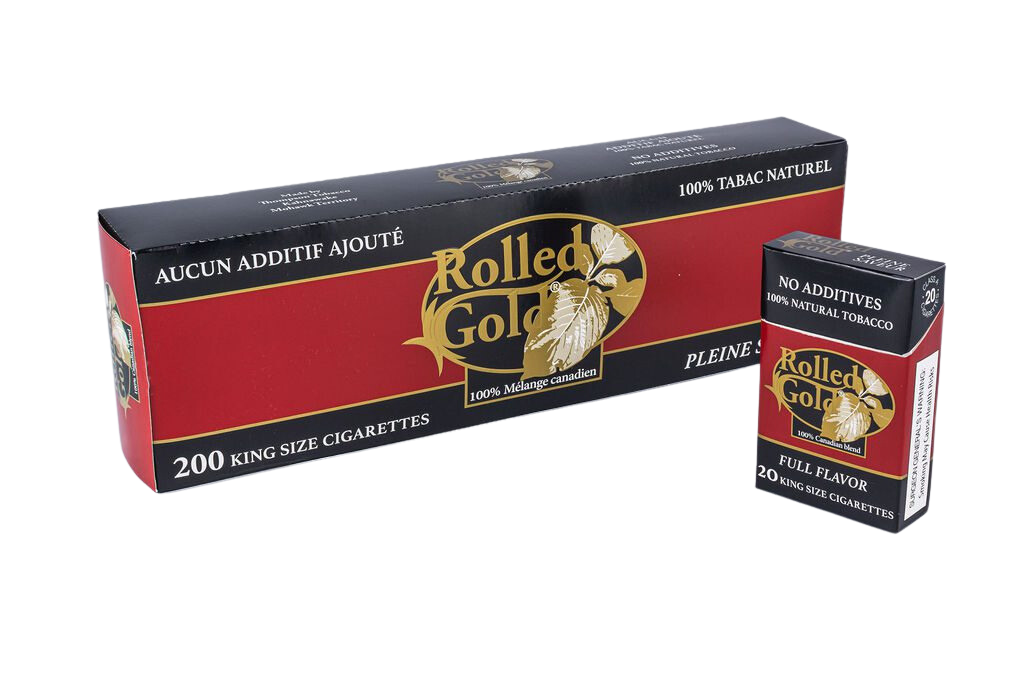
⭐ Excluded: BB light Manitoba, BB full Manitoba, Chanel Blueberry, Chanel ice. See all 29+ native brands at Cigstore.ca.
🚚 Delivery Across Canada – $29 Flat Rate
We ship to every province and territory using Canada Post, Purolator, FedEx, and UPS. Orders over $290 qualify for FREE shipping. Age verification (19+) required upon delivery.
📦 Same-day dispatch for orders before 2 PM EST. Tracking provided within 24 hours.
📚 You Might Also Enjoy These Articles
Why Smokers Overestimate Their Ability to Quit
The ‘optimism of addiction’.
Smoking and Stress: The Neuroscience
Why nicotine feels calming (and why it’s a trap).
Why Smokers Relapse After Months of Abstinence
Triggers and the ‘one cigarette’ phenomenon.
How Smoking Affects Self-Perception and Identity
The ‘smoker’ identity and its psychological grip.
The ‘One More Loop’
Why it’s so hard to stop after the first cigarette.