
Generation Alpha: How Will Children of the 2010s View Smoking?
A Sociological Forecast Based on Current Trends
👶 Generation Alpha — children born from 2010 onward — are the first generation to grow up entirely in a world of smartphones, AI, and plain-packaged cigarettes. As they approach adulthood (the oldest turn 18 in 2028), a key question emerges: Will they smoke? Drawing on youth smoking statistics, emerging nicotine trends, and sociological analysis, this article forecasts how Generation Alpha will relate to cigarettes and smoking culture.
Long before any “generational smoking ban” was proposed, smoking had already become deeply unfashionable among younger cohorts. Data from the UK’s Office for National Statistics shows that smoking prevalence among 18–24 year olds has fallen by 16 percentage points year-on-year since 2011, putting them on track to become “smoke-free” by 2027 without any new legislation [citation:1].
In Canada, similar trends are visible. Alberta data shows that smoking prevalence among youth has declined steeply over the past two decades, with the most dramatic drops occurring in the 15–19 and 20–24 age groups [citation:3]. By 2020, overall smoking prevalence in Alberta had fallen to 8.9%, with youth rates even lower [citation:3].
- 📉 Global Consistency: In Germany, only 5% of 15–17 year olds smoke, while 19% of German adults overall still smoke — proving the habit is increasingly age-concentrated [citation:4].
- 🚭 “Smoke-Free” by 2027: UK forecast models suggest the 18–24 age group will reach “smoke-free” status (under 5% prevalence) by 2027, without any generational ban [citation:1].
- 🇨🇦 Canadian Context: Youth smoking rates in Canada have been declining for decades, with young adults now significantly less likely to smoke than older generations [citation:3].
One of the most significant shifts in youth nicotine consumption is the rise of vaping. But contrary to early fears, vaping does not appear to be a gateway to smoking — it’s displacing it.
- 📊 UK Data: Among 11–17 year olds, 4.2% only vape, 2.6% only smoke, and 2.8% do both [citation:1].
- 🚫 No Gateway Effect: A 2022 cross-sectional survey found no evidence that vaping acts as a gateway to tobacco use — instead, it appears to displace smoking [citation:1].
- 📈 Dual Use: Among Canadian vapers, 58% are dual users (also smoke), but youth are less likely to be dual users than adults — suggesting they are more likely to vape exclusively [citation:10].
- ⚖️ Perception Shift: Generation Alpha will likely view vaping as a distinct behaviour, not a “smoking alternative.” They may never form the association between nicotine delivery and combustion that older generations have.
📊 Generational Comparison: Smoking Prevalence
| Age Group / Cohort | Smoking Prevalence | Trend |
|---|---|---|
| Generation Alpha (15–17)* | ~5% (Germany, 2025) [citation:4] | ⬇ Extremely low |
| Generation Z (18–24) | On track for <5% by 2027 (UK) [citation:1] | ⬇ Rapidly declining |
| Millennials (25–39) | ~15–20% (varies by country) | ➡ Modest decline |
| Generation X (40–54) | ~20–25% [citation:4] | ➡ Stable / slow decline |
| Baby Boomers (55+) | ~10–15% | ➡ Slow decline |
*Generation Alpha is not yet old enough for population-level smoking surveys; the 15–17 age group represents the oldest members of Gen Alpha [citation:2].
What will Generation Alpha’s relationship with smoking look like? Based on current trends, a clear picture emerges.
- 📱 Digital Natives, Digital Addictions: Generation Alpha is defined by its immersion in technology. Their primary “addictions” will likely be digital — social media, AI, and algorithm-driven content — rather than substances [citation:6]. Psychologists note that extreme digital immersion and algorithmic dependency may be the defining addiction of this generation [citation:6].
- 🚭 Smoking as “Retro” and Stigmatized: As smoking becomes increasingly rare among young people, it will likely be viewed as an outdated, “retro” habit associated with older generations. The social stigma will be high, acting as a powerful deterrent [citation:1][citation:6].
- ⚖️ Regulatory Reinforcement: By the time Generation Alpha reaches adulthood, plain packaging regulations will be mature, advertising bans fully entrenched, and generational bans may be in place in many countries (e.g., the UK’s Tobacco and Vapes Bill, which would ban sales to anyone born after 2009) [citation:1][citation:2].
- 🌿 Alternative Nicotine Sources: Nicotine will likely persist through vaping and potentially novel products like heated tobacco, but these may be perceived separately from “smoking” as a distinct behaviour category [citation:1][citation:8].
📍 Shipping Across Canada – All Provinces & Territories
We deliver to every province and territory with $29 flat shipping (free over $290) via Canada Post, Purolator, FedEx, or UPS. Age verification (19+) is required upon delivery.
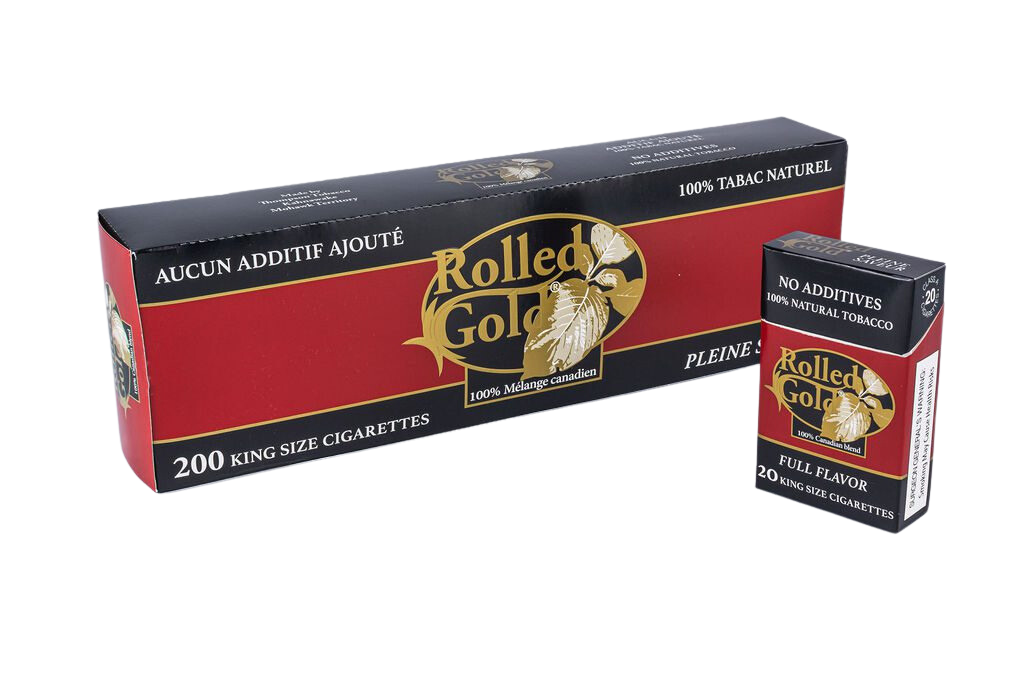
🔥 Top 5 Popular Products for Canadian Smokers




📚 You Might Also Find These Articles Interesting
History of Smoking in Canada
From 1950s ads to plain packaging – a longer timeline.
5 Iconic Ads Banned Today
Campaigns that would never survive modern laws.
1994 Tax Cut Story
How native cigarettes became affordable.
Why Cigarettes Are Expensive
Complete tax breakdown.
Forgotten Canadian Brands
Craven ‘A’, Sweet Caporal, Rothmans.
💨 No gimmicks. Just honest smokes.
While younger generations move away from smoking, we’re here for those who still choose to smoke — with honest prices, reliable shipping, and no marketing gimmicks. Switch to native cigarettes and save up to $7,000/year. We ship anywhere in Canada with $29 flat shipping – free over $290. Age 19+ verification required.
🛒 See Today’s Best Prices →